Ending TB in the
South-East Asia Region:
© World Health Organizaion 2016 All rights reserved.
Requests for publicaions, or for permission to reproduce or translate WHO publicaions – wheth
-er for sale or for noncomm-ercial distribuion – can be obtained from Publishing and Sales, World Health Organizaion, Regional Oice for South- East Asia, Indraprastha Estate, Mahatma Gandhi Marg, New Delhi 110 002, India (fax: +91 11 23370197; e-mail: [email protected]).
The designaions employed and the presentaion of the material in this publicaion do not imply
the expression of any opinion whatsoever on the part of the World Health Organizaion concern
-ing the legal status of any country, territory, city or area or of its authoriies, or concern-ing the delimitaion of its froniers or boundaries. Doted lines on maps represent approximate border lines for which there may not yet be full agreement.
The menion of speciic companies or of certain manufacturers’ products does not imply that they are endorsed or recommended by the World Health Organizaion in preference to others of a similar nature that are not menioned. Errors and omissions excepted, the names of proprietary products are disinguished by iniial capital leters.
All reasonable precauions have been taken by the World Health Organizaion to verify the infor
-maion contained in this publicaion. However, the published material is being distributed with
-out warranty of any kind, either expressed or implied. The responsibility for the interpretaion and use of the material lies with the reader. In no event shall the World Health Organizaion be liable for damages arising from its use.
Maps disclaimer
The boundaries and names shown and the designaions used on the maps contained in this docu
-ment do not imply the expression of any opinion whatsoever on the part of the World Health Organizaion concerning the legal status of any country, territory, city or area or of its authoriies, or concerning the delimitaion of its froniers or boundaries. Doted and dashed lines on maps represent approximate border lines for which there may not yet be full agreement.
Printed in India
WHO Library Cataloguing-in-Publicaion data
World Health Organizaion, Regional Oice for South-East Asia.
Ending TB in the South-East Asia Region: regional strategic plan 2016–2020. 1. Tuberculosis – prevenion and control – staisics and numerical data 2. Tuberculosis, Mulidrug-Resistant 3. Infecion Control
iii
Regional Strategic Plan
2016–2020
Ending
TB
in the South-East Asia Region
Contents
Abbreviaions ...v
Preface ...ix
1. Introducion ... 1
2. Current situaion ... 4
2.2 Progress towards TB control – current overall situaion in the SEAR ... 7
3. Challenges and opportuniies ... 10
3.1 Challenges ... 10
3.2 Opportuniies ... 16
4. The End TB Strategy ... 19
5. Guiding principles of the Regional Strategy ... 21
5.1 Government stewardship ... 21
5.2 TB prevenion, care and control as part of health system strengthening based on primary health-care principles ... 21
5.3 Fostering partnerships at all levels ... 22
5.4 Promote ethical values and human rights principles ... 22
6. Vision, goal, objecives, targets and milestones ... 24
6.1 Vision and goal ... 24
6.2 Objecives ... 24
6.3 Regional targets and milestones ... 24
6.4 Projected regional and country-speciic trajectory of the TB incidence rate and TB deaths 2015–2035 required to reach the 2035 targets ... 26
6.5 Monitoring progress and impact ... 28
7. Strategic direcions and intervenions ... 30
7.1 Strategic direcion 1: Integrated paient-centred care and prevenion ... 33
7.2 Strategic direcion 2: Bold policies and supporive systems ... 52
7.3 Strategic direcion 3: Intensiied research and innovaion ... 72
8. Cost of planned TB control aciviies in the Region 2016–2020 ... 75
9. Adaping and implemening the strategy ... 77
10. Country support... 79
iv
Regional Strategic Plan
2016–2020
Ending
TB
in the South-East Asia Region
Annexes
12. Global Tuberculosis Report 2015 ...83
13. The 2014 World Health Assembly resoluion on TB ...85
14. Bangkok Call for Acion on Strengthening of Naional Public Health Systems for Emerging Health Challenges ...89
v
Regional Strategic Plan
2016–2020
Ending
TB
in the South-East Asia Region
Abbreviaions
ACSM advocacy, communicaion and social mobilizaion AFB acid-fast bacilli
AIDS acquired immunodeiciency syndrome ART aniretroviral therapy
ARV aniretrovirals
CBO community-based organizaions CCM country coordinaion mechanism
CDC Centers for Disease Control, Atlanta, USA CHW community health worker
CSMBS Civil Servant Medical Beneit Scheme (Thailand) CN concept note(s)
CPT co-trimoxazole prevenive therapy CV community volunteer
DOT directly observed therapy
DOTS the internaionally recommended strategy for TB control and the foundaion of the Stop TB Strategy introduced in 2006
DRS drug resistance surveillance DR-TB drug-resistant tuberculosis DST drug suscepibility tesing EQA external quality assurance FDC ixed-dose combinaion FLD First-line ani-TB drugs GDF Global (TB) Drug Facility
GDI Global Drug-resistant TB Iniiaive
GF Global Fund Global Fund to Fight AIDS, Tuberculosis and Malaria GLC Green Light Commitee
vi
Regional Strategic Plan
2016–2020
Ending
TB
in the South-East Asia Region
GLI Global Laboratory Iniiaive HBC high burden (TB) country HRD human resource development HRH human resources for health HSS health system strengthening IC infecion control
IPT isoniazid prevenive therapy IQC internal quality control
ISTC Internaional Standards for TB Care
IC infecion control JICA Japan Internaional Cooperaion Agency LED light-emiing diode microscopes
LTBI latent TB infecion MCH maternal and child health MDG Millennium Development Goals MDR-TB mulidrug-resistant tuberculosis M&E monitoring and evaluaion NFM New Funding Model
NGO nongovernmental organizaion NRL naional reference laboratory NSP naional strategic plan NSP new smear posiive
NTP naional TB control programme OTC over-the-counter (sale of medicines) PAL pracical approach to lung health PHC primary health care
PLHIV persons living with HIV/AIDS
PMDT programmaic management of drug-resistant tuberculosis PMTCT prevenion of mother-to-child transmission
vii
Regional Strategic Plan
2016–2020
Ending
TB
in the South-East Asia Region
PTB pulmonary TB
PWID people who inject drugs PR principal recipient QA quality assurance
RMNCAH reproducive, maternal, neonatal, child and adolescent health RNTCP Revised Naional TB Control Programme (of India)
RR-TB rifampicin-resistant TB SCC short coerce chemotherapy SDG Sustainable Development Goals SEA South-East Asia
SEAR South-East Asia Region (of WHO) SLD Second-line ani-TB drugs SOPs standard operaing procedures
SSF single stream funding of the Global Fund SSS Social Security Scheme (Thailand)
TA technical assistance
TB tuberculosis
TWG-TB Technical Working Group on TB UCS Universal Coverage Scheme (Thailand) VR vital registraion
viii
Regional Strategic Plan 2016–2020
ix
Regional Strategic Plan
2016–2020
Ending
TB
in the South-East Asia Region
Preface
The year 2015 is an historic year as it marks the transiion from the Millennium Development Goals (MDGs) to the post-2015 development agenda with its Sustainable Development Goals (SDGs). On 25 September 2015, the 193 countries of the UN General Assembly adopted the 2030 Development Agenda itled Transforming our world: the 2030 Agenda for Sustainable Development outlining the 17 Sustainable Development Goals and its associated 169 targets. These goals will be the focus of global and regional prioriies for development cooperaion and will also guide naional prioriies in most countries for the coming 15 years. Ending the Tuberculosis epidemic by 2030 is one of the targets under Goal 3, which is to “ensure healthy lives and promote well-being for all at all ages”.
The SEA Region met the 2015 Millennium Development Goal (MDG) of haling and reversing TB incidence. The Region also met the Stop TB Partnership target of halving the TB mortality rate and the target of halving TB prevalence (as compared with the 1990 level). Access to TB care has expanded substanially, and almost 22 million TB paients have been treated in the past 10 years.
However, major challenges remain: in 2014 an esimated four million people became ill with tuberculosis in the SEA Region; 340 000 of those were children. Over half a million people died from the disease. In 2014 a total of only 2 580 605 cases of all forms of TB were noiied leaving an esimated 1.4 million cases missed (not noiied or not diagnosed and noiied). More than half of those with HIV are unaware of their status. Those who are tested do so too late—when they have symptoms and their immune systems are already compromised. Only 36% of people living with HIV in the Region are on treatment; so while we can celebrate the achievements of the MDG goals and the Stop TB Partnership targets, we also have to ask ourselves why tuberculosis sill kills over half a million people in the SEA Region and why we sill cannot ind and diagnose and report all people with TB.
x
Regional Strategic Plan
2016–2020
Ending
TB
in the South-East Asia Region
sector and outside, with communiies and across sectors; in what we think is possible. Ending the TB epidemic must become “everybody’s business”. This Regional Strategic Plan 2016-2020 towards ending TB in the South-East Asia Region outlines a way to address persising challenges, scale up and integrate TB prevenion and care into a wider health and community system approach, including an overall commitment to health systems strengthening and major progress towards universal health coverage.
The SEA Region has demonstrated its capacity in aggressively addressing infecious diseases in a comprehensive manner. Eforts to address the HIV AIDs epidemic has resulted in a decline in new infecions by 32% between 2000 and 2014 and most recently with the declaraion in March 2014 of the South-East Asia Region being free from wild polio virus transmission. This is a testament to the tremendous eforts of all health workers, volunteers and commitment and accountability of governments, partners and society as a whole invested to reach this juncture.
Let us make the same commitment to End the TB Epidemic in our Region!
1
Regional Strategic Plan
2016–2020
Ending
TB
in the South-East Asia Region
1. Introducion
Tuberculosis (TB) remains a serious public health problem in the South-East Asia Region (SEAR). Every year, TB afects an esimated 4 million people in the World Health Organizaion’s (WHO) South-East Asia (SEA) Region, of which 340 000 are children, accouning for 41% of esimated global TB cases. Although mortality rates have decreased, the esimated absolute number of TB deaths in the Region was over half a million in 2014, with most deaths reported from Bangladesh, India, Indonesia, Myanmar and Thailand. The number of TB deaths is unacceptably high: with a imely diagnosis and correct treatment, almost all people with TB can be cured.
In 2014, the esimated number of HIV posiive TB cases was 210 000 corresponding to 11 per 100 000 and 5% of all esimated TB-incident cases. Although the SEA Region has relaively low levels (2.2, range: 1.9–2.6%) of mulidrug-resistant (MDR) among newly detected cases, given the large number of TB cases in the Region, this translates to 99 000 esimated MDR-TB cases among noiied pulmonary TB cases; this number accounted for 20% of the world’s MDR-TB cases in 2014. Of the 30 high MDR-TB-burden countries, six are in the SEA Region: Bangladesh, Democraic People’s Republic of Korea, India, Indonesia, Myanmar and Thailand.
The SEA Region has made gains in the ight against TB: it has achieved the 2015 Millennium Development Goal (MDG) of haling and reversing TB incidence, the Stop TB Partnership’s target of halving the TB mortality rate and the target of halving TB prevalence (compared with the 1990 level). Access to TB care has expanded substanially and almost 22 million TB paients have been treated in the past 10 years. Treatment success rates among new smear posiive (NSP) pulmonary TB (PTB) cases has remained above 85% since 2005 and was 88% in the 2013 cohort. However, major challenges remain and much more needs to be done as current eforts are not suicient to reach regional and global targets for TB prevenion, care and control and for ulimate eliminaion of the epidemic.
2
Regional Strategic Plan
2016–2020
Ending
TB
in the South-East Asia Region
Of the esimated cases of MDR-TB, only 33 264 (30%) were noiied, and only 28 536 of the noiied were put on treatment.
Ending the TB epidemic is part of the new global agenda for Sustainable Development with 17 global goals at its core, adopted on 25 September 2015 by the 193 Member States of the United Naions. Goal 3 aims to ensure healthy lives and promote well-being for all at all ages. One of the targets for Goal 3 is to by 2030 end the epidemics of AIDS, tuberculosis, malaria and neglected tropical diseases and combat hepaiis, waterborne diseases and other communicable diseases.1
The year 2015 is a watershed moment in the batle against tuberculosis (TB). It marks the deadline for global TB targets set in the context of the MDGs, and is a year of transiions: from the MDGs to a new era of Sustainable Development Goals (SDGs), and from the Stop TB Strategy to the End TB Strategy. In this transiion, paradigm shits are expected in all sectors, including health. To end the epidemic (deined as an incidence of fewer than 100 cases per million people) by 2035 will require a rapid upgrade of care and managerial standards.
Thus, ending the TB epidemic is not mere biomedical but a developmental challenge. The global, regional, naional and local level response to ending the TB epidemic must therefore be a part of an inclusive response designed to meet the overall development goals. Progress towards ending the TB epidemic will depend as much on achieving overall health improvement as it will on opimizing current strategies, developing new tools and technologies to diagnose, treat and prevent TB, and providing these to all in need.
Ending the TB epidemic will require an expansion of the scope and reach of intervenions for TB prevenion, care and control: the insituion of systems and policies to promote an enabling environment, shared responsibiliies with universal coverage; and aggressive pursuit of research and innovaion to promote development and use of new tools for TB care and prevenion.
This Regional Strategic Plan towards Ending TB in the SEAR 2016–2020 describes the future direcions and focus of the work towards TB eliminaion aiming to support Member States in reducing tuberculosis mortality and
3
Regional Strategic Plan
2016–2020
Ending
TB
in the South-East Asia Region
4
Regional Strategic Plan
2016–2020
Ending
TB
in the South-East Asia Region
2. Current situaion
2.1. Progress towards TB control – the global perspecive
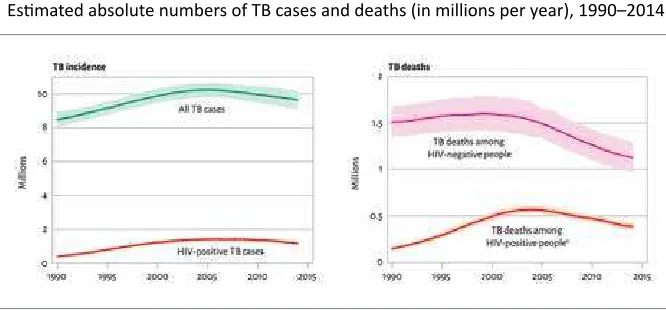
Tuberculosis remains a major global health problem. Worldwide, 9.6 million people are esimated to have fallen ill with TB in 2014: 5.4 million men, 3.2 million women and 1.0 million children. Globally, 12% of the 9.6 million new TB cases in 2014 were HIV-posiive persons. In 2014, TB killed 1.5 million people (1.1 million HIV-negaive and 0.4 million HIV-posiive). The toll comprised 890 000 men, 480 000 women and 140 000 children (Figure 1).
Figure 1: Esimated TB cases and deaths, 1990–2014
Esimated absolute numbers of TB cases and deaths (in millions per year), 1990–2014
aHIV-associated deaths are classiied as HIV deaths according to ICD-10
Source: Global tuberculosis report 2015, World Health Organizaion, Geneva 2015. ISBN 978 92 4 156505 9
5
Regional Strategic Plan
2016–2020
Ending
TB
in the South-East Asia Region
Funding gaps amounted to US$ 1.4 billion for the implementaion of exising intervenions in 2015. The most recent esimate of the annual funding gap for research and development is similar, at about US$ 1.3 billion.
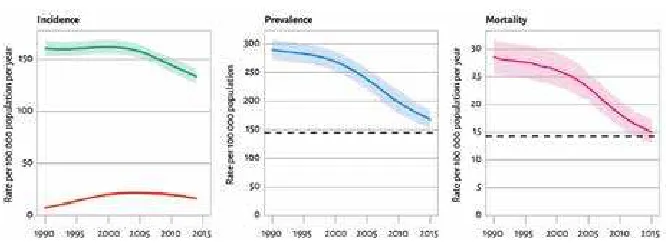
The MDG target of haling and reversing TB incidence has been achieved globally, in all six WHO regions and in most of the 22 high TB countries (previous HBC list). Worldwide, TB incidence fell at a rate of about 1.5% per year between 2000 and 2013. The MDG target of haling and reversing TB incidence by 2015 was achieved globally, in all six WHO Regions and in 16 of the 22 high TB-burden countries (previous HBC list). The TB incidence rate has fallen at an average rate of 1.5% per year since 2000. Globally, the TB mortality rate in 2015 was 47% lower than in 1990: the target of a 50% reducion was almost met. The target was achieved in four WHO Regions and in 11 HBCs (previous HBC list).
Globally, the TB prevalence rate in 2015 was 42% lower than in 1990. The target of a 50% reducion was met in three WHO regions and in nine HBCs. All three 2015 targets were met in the Region of the Americas, the South-East Asia Region and the Western Paciic Region, and in nine HBCs: Brazil, Cambodia, China, Ethiopia, India, Myanmar, the Philippines, Uganda and Viet Nam. Between 2000 and 2014, TB treatment alone saved 35 million lives among HIV-negaive people; TB treatment and aniretroviral therapy saved an addiional 8 million lives among HIV-posiive people (Figure 2, Figure 3 and Figure 4).
Figure 2: Global incidence, prevalence and mortality rates vs 2015 targets Let: Esimated incidence rate including HIV-posiive TB (green) and
esimated incidence rate of HIV-posiive TB (red). Centre and right: The horizontal
dashed lines represent the Stop TB Partnership targets of a 50% reducion in prevalence and mortality rates by 2015 compared with 1990. Shaded areas represent
uncertainty bands. Mortality excludes TB deaths among HIV-posiive people.
6
Regional Strategic Plan
2016–2020
Ending
TB
in the South-East Asia Region
Figure 3: Esimated TB incidence rates by WHO Region, 1990–2014
Esimated TB incidence (green) and esimated incidence of
HIV-posiive TB (red). Shaded areas represent uncertainty bands.
Source: Global tuberculosis report 2015, World Health Organizaion, Geneva 2015. ISBN 978 92 4 156505 9
Figure 4: Esimated prevalence rates by WHO Region, 1990–2014
Esimated TB prevalence rates 1990–2015, by WHO Region. Shaded areas represent
uncertainty bands. The horizontal dashed line represents the Stop TB Partnership target of a 50% reducion in the prevalence rate by 2015 compared with 1990.
7
Regional Strategic Plan
2016–2020
Ending
TB
in the South-East Asia Region
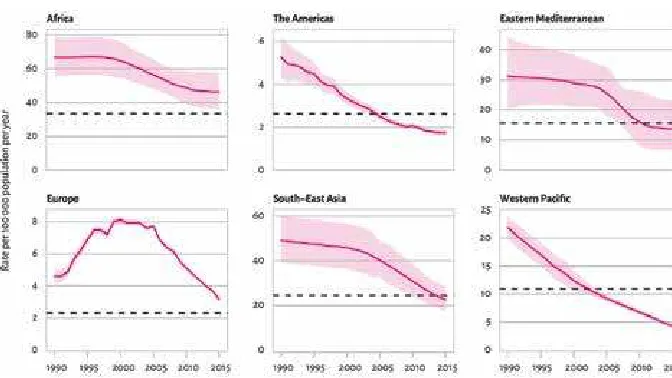
Figure 5: Mortality targets: three Regions on track
Esimated TB mortality excludes TB deaths among HIV-posiive people. Shaded areas represent uncertainty bands.a The horizontal dashed lines represent Stop TB
Partnership target of a 50% reducion in the mortality rate by 2015 compared with 1990.
a The width of an uncertainty band narrows as the proporion of regional mortality esimated using vital
registraion data increases or the quality and completeness of the vital registraion data improves. Source: Global tuberculosis report 2015, World Health Organizaion, Geneva 2015.
ISBN 978 92 4 156505 9
Addiional informaion is available in the Global TB Report 2015 at htp://www.who.int/tb/publicaions/ global_report/en/
2.2 Progress towards TB control – current overall
situaion in the SEAR
The SEA Region of WHO is home to 26% of the world’s populaion; however it is also home to 41% of esimated TB cases – making it by far the world’s most afected Region with TB. In 2014, the Region had an esimated 5.4 million prevalent and 4 million incident cases, of which 2.6 million cases (all forms of TB) were reported to Naional Tuberculosis Control Programmes (NTPs). Out of those reported, 33 264 were MDR-TB and 60 235 of the TB cases were posiive for HIV.
8
Regional Strategic Plan 2016–2020
Ending TB in the South-East Asia Region
Figur
e 6:
WHO SE
AR TB upda
9
Regional Strategic Plan
2016–2020
Ending
TB
in the South-East Asia Region
substanially in the Region. The TB treatment success rate for new and relapse smear posiive cases of TB have coninued to be more than 88% since 2009. Case noiicaion is also increasing: in 2014, Member States noiied a total of approximately 2.6 million cases of TB. This represents an increase over cases noiied in 2013 and suggests an increase in access to quality TB care services.
The full set of data illustraing the situaion in the Region is found in Figure 5 and Table 1.
Table 1: Esimates of TB disease incidence, prevalence and mortality in Member States of the South-East Asia Region (rates per 100 000 populaion), 2014
Country Populaion*
Bangladesh** 159 000 000 227 (200-256) 440 (211-659) 51 (37-68)
Bhutan <1000 000 164 (148-181) 190 (75-359) 9.5 (5.1-15)
Democraic People’s Republic of Korea ****
25 000 000 442 (412-473) 552 (150 1 210) 20 (7.9-37)
India 1 295 000 000 167 (156-179) 195 (131-271) 17 (12-27)
Indonesia 254 000 000 399 (274-546) 647 (513-797) 41 (26-59)
Maldives <1 000 000 41 (36-47) 56 (25-98) 2.3 (1.9-2.8)
Myanmar 53 000 000 369 (334-406) 457 (352-575) 53 (38-70)
Nepal 28 000 000 158 (139-178) 215 (102-369) 17 (12-24)
Sri Lanka 21 000 000 66 (57-73) 99 (51-164) 6.1 (4.8-7.6)
Thailand 68 000 000 171 (90-276) 236 (161-326) 11 (5.7-18)
Timor-Leste 1 200 000 498 (411-594) 802 (426-1 340) 94 (66-126)
SEAR 1 906 000 211 (192-232) 286 (233-343) 24 (19-30)
10
Regional Strategic Plan
2016–2020
Ending
TB
in the South-East Asia Region
3. Challenges and opportuniies
3.1 Challenges
Although achievements in TB control in the SEA Region over the past two decades have been substanial, they are far from enough to ensure the necessary progress towards the target of the eliminaion of TB by 2035. Analyses of constraints to regional TB control bring forward major persising barriers. These include:
1. Overreliance on donor funding
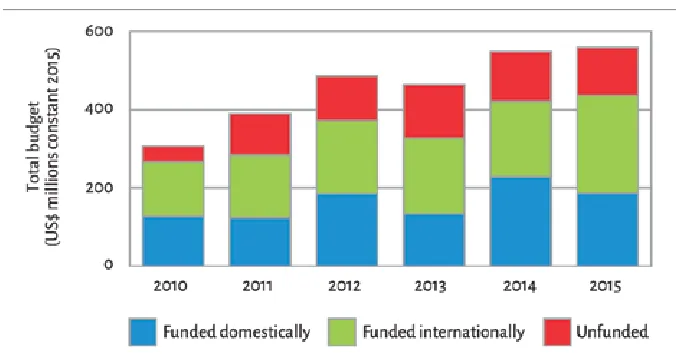
There is insuicient resource mobilizaion and even in countries with a smaller funding gap, the funding from internaional donors is considerable. Naional governments meet an average of 40% of current budgets for NTPs. However, variaion among countries is considerable (Table 2).
It should also be noted that addiional intervenions may need to be planned for to make the essenial progress towards the targets for ending the TB epidemic, which have not been included in the inancing reported for 2015.
Table 2. Financing TB control 2015(a)
Financing indicators exclude funding for general health-care services provided outside of NTPs. Source: Global tuberculosis report 2015, World Health Organizaion, Geneva 2015.
11
Regional Strategic Plan
2016–2020
Ending
TB
in the South-East Asia Region
Health inancing data from naional health accounts provide insights into the current status of progress towards universal health coverage (UHC). Two suggested benchmarks required to achieve UHC are that health spending reaches at least 6% of gross domesic product (GDP) and that out-of-pocket expenditures account for less than 15% of total health spending. Most countries, including all of the 22 HBCs (previous HBC list) and all low-income countries, have not yet reached these benchmarks. Among SEAR Member States, Thailand is closest to doing so.
The decreased domesic funding for TB control should also be seen in light of the out-of-pocket expenditures on health in the Region. With the excepion of Thailand and East Timor (no data from Democraic People’s Republic of Korea), out-of-pocket expenditure as a percentage of total health expenditures 2013 exceeded 45% (Figure 6).
Figure 7: Out-of-pocket expenditure as a percentage of total health expenditures, 2013
Source: Global tuberculosis report 2015, World Health Organizaion, Geneva 2015. ISBN 978 92 4 156505 9
2. More than 40% of the esimated incident cases in the Region are
either not detected and not treated or detected by private or public
services but not noiied to the ministries of health
12
Regional Strategic Plan
2016–2020
Ending
TB
in the South-East Asia Region
‒ Unregulated and growing private sector; many public and private health providers remain delinked from naional tuberculosis control eforts and there is insuicient involvement of big hospitals (public and private), lung clinics and other specialized faciliies seeing people with respiratory symptoms;
§ Insuicient progress in scaling up programmaic management of DR-TB (PMDT);
§ Insuicient progress in scaling up TB-HIV collaboraive aciviies; § Inadequate laboratory capacity;
§ Insuicient strategies to address populaions at risk including targeted screening/acive case inding.
3. Persising weaknesses in the health systems (see also Box 1)
§ Weak health systems:
‒ Limited access to quality health services;2
‒ Overstretched and weak performance of health services, not only related to services for people with TB, but limiing access to high-quality tuberculosis care;
‒ Poor governance and weak accountability mechanisms; ‒ Serious shortages of well-trained, moivated and supported
health workers and unfair distribuion of them within and across countries; and lack of knowledge or capability in many key areas such as quality assurance;
§ Insuicient data collecion, quality and use of data at all levels; § Limited linkages required across social sectors in order to address
poverty, undernutriion and risk factors that adversely inluence people’s vulnerability to tuberculosis, and the health outcomes of people with tuberculosis;
§ Limited programme management capacity with limited involvement of NTPs in decision-making related to the health sector reform processes while NTPs are afected by changes made.
13
Regional Strategic Plan
2016–2020
Ending
TB
in the South-East Asia Region
4. Insuicient co-management of noncommunicable diseases and tuberculosis comorbidiies
§ Risk factors of tuberculosis such as diabetes, tobacco smoking, silicosis, alcohol and drug misuse, and undernutriion hamper tuberculosis control, especially in low- and middle-income countries.
5. Insuicient regulatory systems and mechanisms
§ Absence of universal health coverage aggravates the economic burden on the poor. This hardship is compounded by a lack of social protecion mechanisms to address associated income loss and nonmedical costs.
§ Weak regulatory mechanisms essenial to ensure efecive infecion control, raional use of tuberculosis diagnosics and medicines, mandatory disease noiicaion, funcioning vital registraion systems, and protecion of the legal rights of people with tuberculosis.
6. Insuicient long-term strategies to address the underlying
determinants
14
Regional Strategic Plan
2016–2020
Ending
TB
in the South-East Asia Region
Box 1: Health system weaknesses with implicaions for TB prevenion care and control
Leadership and governance (stewardship)
§ Weak capacity for health policy analysis, priority seing, sector policy development and central health sector management. This may involve limitaions in the quanity of human resources for health, and their capacity, as well as limitaions related to planning, decision-making and management
structures.
§ Poor coordinaion among diferent parts of ministries of health, for example, between diferent public health programmes (e.g., AIDS and TB) and/or between departments responsible for public health, curaive and diagnosic services, drug supply and other logisics, informaion systems, etc.
§ Poor coordinaion among diferent public sector eniies involved in health-care planning and implementaion, including limited coordinaion among diferent ministries and between naional, provincial and local governments.
§ Decentralizaion with increased subnaional/local autonomy, without suicient legislaion and central coordinaion to secure adequate disease control measures.
§ Weak health sector regulaion and limited mechanisms and resources for enforcing exising regulaion.
§ Non-existent or weak policy on the role of the private health-care sector, including limited informaion on the private sector and poor regulatory framework.
§ Limited engagement with civil society in the design, operaion and accountability of health systems.
Financing
§ Limited general health sector budgets and caps on expansion of health
resources.
§ Unfair inancing systems, e.g., litle or no coverage of health insurance funcions with the ability to pool and redistribute resources in a way that minimizes inancial access barriers and inancial burden for paients.
§ Weak mechanisms for tracking inancial lows and poor capacity for naional health accouning.
§ Weak mechanisms for strategic resource allocaion and purchasing of
services.
Health workforce
15
Regional Strategic Plan
2016–2020
Ending
TB
in the South-East Asia Region
§ Insuicient coordinaion of human resource development across diferent parts of the health system and among diferent public health programmes, e.g., TB and AIDS programmes.
§ Inadequate size and competence of the health workforce.
§ Weak structure and poor quality of educaional systems for health
professionals, including coninuing medical educaion and in-service training.
§ Absent, unclear or nonperformance-based career opportuniies.
§ Poor supervision and quality control mechanisms.
§ Inadequate incenives linked to employment policies, salary structure and payment mechanisms.
Medical products (including drugs and diagnosic faciliies)
§ Weak regulaion of medical products and/or weak enforcement mechanisms.
§ Weak systems for procurement, distribuion and management of drugs and equipment.
§ Weak mechanism for promoing raional use of drugs.
Informaion (including monitoring and evaluaion)
§ Poor quality of vital staisics and demographic informaion.
§ Weak general systems for disease surveillance and poor disease noiicaion system.
§ Lack of data on paterns of health-care uilizaion.
§ Limited skills for analysing exising data at service and supervisory levels.
§ Limited capacity for health systems research and operaional research.
Service delivery (including health-care provision and management/supervision
of services)
§ Lack of informaion and/or resources for improving and expanding health
service infrastructure.
§ Lack of integraion of service delivery among diferent levels of the system and among diferent public health programmes.
§ Lack of comprehensive policy and plan for opimal uilizaion of exising
health providers.
§ Limited capacity to plan and manage health-care provision, including contracing, ceriicaion and accreditaion of public and private providers.
§ Limited use of quality standards and evidence-based guidelines.
16
Regional Strategic Plan
2016–2020
Ending
TB
in the South-East Asia Region
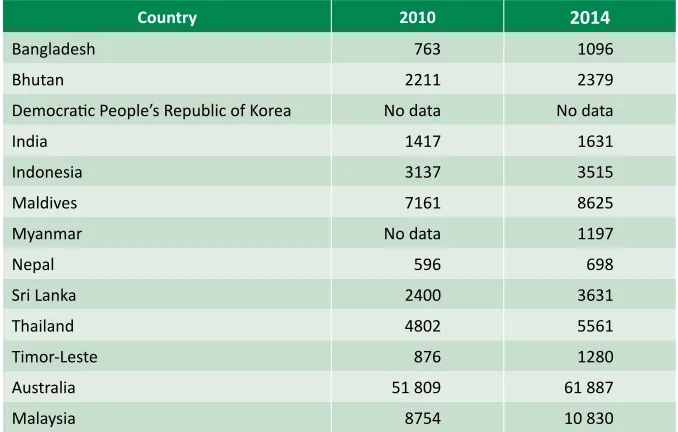
Table 3: GDP per capita – current US dollars
Country 2010 2014
Bangladesh 763 1096
Bhutan 2211 2379
Democraic People’s Republic of Korea No data No data
India 1417 1631
Indonesia 3137 3515
Maldives 7161 8625
Myanmar No data 1197
Nepal 596 698
Sri Lanka 2400 3631
Thailand 4802 5561
Timor-Leste 876 1280
Australia 51 809 61 887
Malaysia 8754 10 830
Source: World Bank 2015.
3.2 Opportuniies
While the barriers to efecive TB control are considerable, there are also more opportuniies than before to make major advances.
§ The World Health Assembly resoluion WHA67.1 adoping the post-2015 global tuberculosis strategy
The bold decision made by ministers of health to end the TB epidemic by 2035 provides an unprecedented plaform for a holisic approach to and a collecive efort of muliple stakeholders within and outside the government.
§ The post-2015 development agenda
17
Regional Strategic Plan
2016–2020
Ending
TB
in the South-East Asia Region
Regional Strategic Plan will require unprecedented commitment to break the boundaries of the current programme focused response and make it a systemic one.
§ Successful examples of implementaion of Universal Health Coverage schemes in the Region serve as examples
This is illustrated by a case study from Thailand in Box 2 below. Although the UHC scheme in Thailand does not yet cover all persons in the country as migrants are excluded, it is an example of the implementaion of a UHC scheme that can be further developed.
Box 2: Universal Coverage Scheme in Thailand3
Thailand’s model of health inancing and its ability to rapidly expand health insurance coverage to its enire populaion presents an interesing case study. Even though it is sill a middle-income country with limited iscal resources, the country managed to reach universal health insurance coverage through three main public schemes: the Universal Coverage Scheme (UCS), the Social Security Scheme (SSS), and the Civil Servant Medical Beneit Scheme (CSMBS).
The UCS, which is the largest and most instrumental scheme in the expansion of coverage to the poor and to those in the informal sector, is the focus of this chapter .The UCS provides comprehensive beneits packages for its 48 million members, 3 including coverage of inpaient and outpaient care, surgery and drugs. It relies on funding support from the central government, and is channelled to providers through a system of strategic purchasing in which the purchaser and provider are separate from each other. The UCS employs several mechanisms to help it contain costs while providing care to its beneiciaries. The scheme uses payment mechanisms (capitaion and case-based payments with a global budget) that send strong cost-containment incenives to the providers.
The UCS also has monopoly power in its negoiaion with providers and pharmaceuical companies to lower prices. Supplementary add-on payments for some high-cost treatments and intervenions are also provided to improve uilizaion. A monitoring and evaluaion system is also in place.
The historical development of a health insurance system towards universal coverage in Thailand can provide useful lessons for other lower- and middle-income countries. Thailand’s path towards universal coverage relied on a common approach of staring with the poor and formal sectors. The country also experimented with Voluntary Health Card Schemes, which were found to be unsuccessful as a means of expanding coverage to the uninsured populaion, especially in the informal sector. The chosen approach towards universal coverage was, therefore, to reform the health inancing system and create a new inancing scheme for the uninsured populaion, the UCS, using lessons from previous health insurance schemes.
18
Regional Strategic Plan
2016–2020
Ending
TB
in the South-East Asia Region
§ Increased focus on Universal Health Coverage
Universal health coverage (UHC) is at the centre of current eforts to strengthen health systems and improve the level and distribuion of health and health services. Regional iniiaives such as the Regional Conference of Parliamentarians on Strengthening of Naional Public Health Systems for Emerging Health Challenges held in Bangkok, Thailand, from 19–21 March 2012. At this meeing, the Bangkok Call for Acion on Strengthening of Naional Public Health Systems for Emerging Health Challenges set an example of broader iniiaives of aciviies contribuing to building a broader plaform for acceleraing work towards the TB control and eliminaion targets (Annex 3). § Availability of external funding
All countries (except for one) in the SEAR have acive grants from the Global Fund totaling US$ 1.17 billion, not including health system strengthening and TB. Bilateral donors such as USAID are providing substanial funding for Bangladesh, India, Indonesia and Myanmar. § Availability of beter data (prevalence surveys) to guide the
development of strategic intervenions
19
Regional Strategic Plan
2016–2020
Ending
TB
in the South-East Asia Region
4. The End TB Strategy
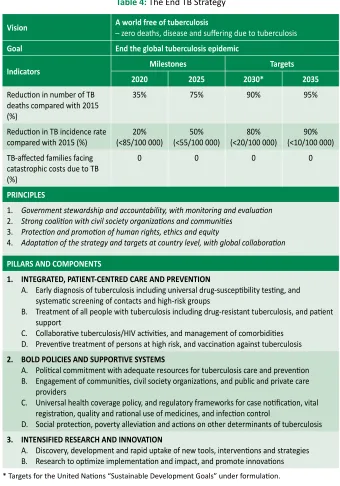
In May 2014, the World Health Assembly unilaterally endorsed resoluion WHA67.1 adoping the global strategy and targets for tuberculosis prevenion, care and control ater 2015. The strategy includes (1) bold vision of a world without tuberculosis, and its targets of ending the global tuberculosis epidemic by 2035 with a reducion in tuberculosis deaths by 95% and in tuberculosis incidence by 90% (or to fewer than 10 tuberculosis cases per 100 000 populaion), and eliminaion of associated catastrophic costs for tuberculosis-afected households; (2) its associated milestones for 2020, 2025 and 2030; (3) its principles addressing: government stewardship and accountability; coaliion-building with afected communiies and civil society; equity, human rights and ethics; and adaptaion to it the needs of each epidemiological, socioeconomic and health system context; (4) its three pillars of: integrated, paient-centred care and prevenion; bold policies and supporive systems; and intensiied research and innovaion (Table 4).
The resoluion also urges all Member States to:
(1) adapt the strategy in line with naional prioriies and speciiciies; (2) implement, monitor and evaluate the strategy’s proposed
tuberculosis-speciic health sector and mulisectoral acions with high-level commitment and adequate inancing, taking into account the local seings;
(3) seek, with the full engagement of a wide range of stakeholders, to prevent the persistence of high incidence rates of tuberculosis within speciic communiies or geographical seings.
Although signiicant progress has been made towards the TB control targets, it is not enough. Several challenges persist in reducing the global burden of TB and the pace of its reducion. These challenges vary according to country-contexts but addressing them efecively calls for a holisic approach in all contexts.
The targets and milestones for the End TB Strategy are set for 2020, 2025, 2030 and 2035. The milestones for the End TB Strategy for 2030, the target year for the SDGs, are:
§ 80% reducion in TB incidence rate (compared with 2015) § 90% reducion in TB deaths (compared with 2015)
20
Regional Strategic Plan
2016–2020
Ending
TB
in the South-East Asia Region
Table 4: The End TB Strategy
Vision A world free of tuberculosis– zero deaths, disease and sufering due to tuberculosis
Goal End the global tuberculosis epidemic
Indicators Milestones Targets
2020 2025 2030* 2035
Reducion in number of TB deaths compared with 2015 (%)
35% 75% 90% 95%
Reducion in TB incidence rate
compared with 2015 (%) (<85/100 000)20% (<55/100 000)50% (<20/100 000)80% (<10/100 000)90%
TB-afected families facing catastrophic costs due to TB (%)
0 0 0 0
PRINCIPLES
1. Government stewardship and accountability, with monitoring and evaluaion 2. Strong coaliion with civil society organizaions and communiies
3. Protecion and promoion of human rights, ethics and equity
4. Adaptaion of the strategy and targets at country level, with global collaboraion
PILLARS AND COMPONENTS
1. INTEGRATED, PATIENT-CENTRED CARE AND PREVENTION
A. Early diagnosis of tuberculosis including universal drug-suscepibility tesing, and
systemaic screening of contacts and high-risk groups
B. Treatment of all people with tuberculosis including drug-resistant tuberculosis, and paient support
C. Collaboraive tuberculosis/HIV aciviies, and management of comorbidiies D. Prevenive treatment of persons at high risk, and vaccinaion against tuberculosis
2. BOLD POLICIES AND SUPPORTIVE SYSTEMS
A. Poliical commitment with adequate resources for tuberculosis care and prevenion
B. Engagement of communiies, civil society organizaions, and public and private care providers
C. Universal health coverage policy, and regulatory frameworks for case noiicaion, vital registraion, quality and raional use of medicines, and infecion control
D. Social protecion, poverty alleviaion and acions on other determinants of tuberculosis
3. INTENSIFIED RESEARCH AND INNOVATION
A. Discovery, development and rapid uptake of new tools, intervenions and strategies
21
Regional Strategic Plan
2016–2020
Ending
TB
in the South-East Asia Region
5. Guiding principles of the
Regional Strategy
5.1 Government stewardship
Government stewardship refers to the wide range of funcions carried out by governments as they seek to achieve naional health policy objecives. In addiion to improving overall levels of populaion health, objecives should be framed in terms of equity, coverage, access, quality, and paients’ rights. Naional policy may also deine the relaive roles and responsibiliies of the public, private and voluntary sectors – as well as civil society – in the provision and inancing of health care.
Government stewardship is fundamental to implemening and achieving the ambiious goal of eliminaing TB. It entails providing the vision and direcion of the response to tackle the TB epidemic, deining the policy and regulatory frameworks, guiding and facilitaing acions of many stakeholders, sharing delivery of relevant services and puing in place mechanisms for monitoring and evaluaion. A comprehensive response under the Regional Strategic Plan will require involvement of authoriies from health and social sectors as well as other ministries such as inance, educaion, jusice, labour, urban planning and rural development. Stewardship responsibiliies should be shared by all levels of government – central, provincial and local.
To ensure accountability, monitoring and evaluaion needs to be regular, systemaic and transparent and all actors held publicly accountable.
5.2 TB prevenion, care and control as part of health
system strengthening based on primary health-care
principles
22
Regional Strategic Plan
2016–2020
Ending
TB
in the South-East Asia Region
strengthening (HSS) through investments in laboratory infrastructure, human resource development, informaion system development as well as through developing innovaive service delivery strategies. NTPs can further contribute to the strengthening of the general health system by promoing and engaging in:
§ harmonizaion of TB control planning and budgeing process with sectorwide and even intersectoral planning frameworks;
§ opimizaion of the management of human resources for health; § reducion of duplicaive structures and systems;
§ collaboraion and coordinaion with other programmes and
intervenions for service delivery aiming at universal access to quality care;
§ development of tuberculosis sensiive policies for universal health coverage and strengthening of regulatory frameworks.
5.3 Fostering partnerships at all levels
Without partnerships, there is no TB eliminaion. TB partners are every person or group, public or private (including civil society/NGOs and communiies), who has awareness, willingness, ability and high commitment to support and contribute towards TB eliminaion in their own capacity and potenials. Partnership is an arrangement where paries agree to cooperate to advance their mutual interests. Partnership means a formal agreement between two or more paries that have agreed to work together in the pursuit of a common goal. It is essenial for NTPs to reach out with partnerships across diferent health sectors and foster a more holisic approach towards health, as all aspects of health, including sigma, are interrelated. Every partner needs to share the same understanding of the purpose of the partnership, i.e. successful acceleraion of eforts to eliminate TB in an efecive, eicient and coninuous manner, and all players as equal partners, regardless of who they are.
5.4 Promote ethical values and human rights principles
23
Regional Strategic Plan
2016–2020
Ending
TB
in the South-East Asia Region
efecive care and control programme as well as through measures such as infecion control, vaccinaion, populaion screening, and improvement in the socioeconomic factors known to increase the risk of TB). Pursuing these goals requires coordinated acion to provide the condiions for all members of the community to be protected from harm through the provision of adequate public health care. Key values include but are not limited to social jusice/ equity, solidarity, common good, paricipaion, autonomy, efeciveness, transparency and accountability.4
24
Regional Strategic Plan
2016–2020
Ending
TB
in the South-East Asia Region
6. Vision, goal, objecives, targets
and milestones
6.1 Vision and goal
The vision for TB control in the SEA Region is to have a Region free of TB with zero deaths, disease and sufering due to TB. All Member States can adopt this vision in naional strategies and plans.
The goal for TB control in the SEA Region is to End the TB epidemic in the Region by 2035, by adoping and adaping the vision, milestones and targets as outlined in resoluion WHA67.1.
6.2 Objecives
The overall objecives of the plan are to:
§ advance universal access to high-quality care for all people with TB as part of robust health systems.
§ reduce the human sufering and socioeconomic burden associated with TB.
§ protect vulnerable populaions from TB, TB/HIV, and drug-resistant TB. § roll out new tools and enable their imely and efecive use.
§ protect and promote human rights in TB prevenion, care and control.
6.3 Regional targets and milestones
With the goal of ending TB in the SEA Region by 2035, this Regional Strategic Plan provides guidance for the irst 5 years, 2016–2020 towards this date. Ending the regional TB epidemic is deined as reducing the regional burden of TB disease to ≤10 cases per 100 000 populaion. For comparison, regionally there was an esimated 211 (192–232) cases per 100 000 populaion in 2014.
25
Regional Strategic Plan
2016–2020
Ending
TB
in the South-East Asia Region
been set for 2030.5 The SDG framework includes the End Strategy 2030 targets for reducions in TB cases and deaths as part of a health-related subgoal. The corresponding regional milestones are for 2020 – the period covered by this strategic plan – and 2025.
Table 5: The Regional Strategy to End TB – three high-level regional indicators and
associated targets and milestones
Indicators
Milestones Targets
2020 2025 SDG 2030 End TB 2035
Percentage reducion in the absolute number of TB deaths (compared with 2015 baseline esimated at 460 000 thousand)
35% 75% 90% 95%
Percentage reducion in the TB incidence rate (compared with 2015 baseline, esimated at about 211 cases per 100 000 populaion)
20% 50% 80% 95%
Percentage of TB paients and their households experiencing catastrophic costs due to TB (level in 2015 unknown)
0% 0% 0% 0%
The third high-level indicator – the percentage of TB paients and their households experiencing catastrophic costs as a result of TB – is chosen because of its direct link to progress towards universal health coverage and universal social protecion. UHC is deined as “all people who need health services (promoion, prevenion, treatment, rehabilitaion and palliaion) receive them, without undue inancial hardship. It has two interrelated components: the full spectrum of good-quality essenial health services according to need, and protecion from inancial hardship, including possible impoverishment, due to out-of-pocket payments for health services.”6 Social protecion includes replacement of income when this is lost due to ill health. Major regional progress towards UHC and social protecion by 2025 are fundamental requirements for achievement of the regional targets for reducions in TB cases and deaths.
5 The SDGs provide a new development framework for 2016−2030, replacing the 2000−2015 Millennium Development Goal (MDG) framework. For further details, see https:// sustainabledevelopment.un.org/topics/sustainabledevelopmentgoals.
26
Regional Strategic Plan
2016–2020
Ending
TB
in the South-East Asia Region
6.4 Projected regional and country-speciic trajectory
of the TB incidence rate and TB deaths 2015–2035
required to reach the 2035 targets
The projected trajectories for the regional and country-speciic reducions in TB mortality and incidence are shown below in Figure 7, Figure 8 and Figure 9. The doted lines are represening the current trend, coninuous line are represening the needed decline to reach the set targets. TB deaths increase under current trends (doted lines) in some countries because the rate is assumed stable but populaion is increasing and therefore, the number of TB deaths is projected to increase at the same rate.
Figure 8: Projected regional trajectory of TB incidences and TB deaths 2015–2035 in countries of the South-East Asia Region (Global TB Report 2015)
Doted line represening the current trend, coninuous line represening needed
27
Regional Strategic Plan
2016–2020
Ending
TB
in the South-East Asia Region
Figure 9: Projected country-speciic trajectory of TB incidences 2015–2035 in countries of the South-East Asia Region
Doted line represening the current trend, coninuous line represening needed
28
Regional Strategic Plan
2016–2020
Ending
TB
in the South-East Asia Region
Figure 10: Projected country-speciic trajectory of TB deaths 2015–2035 in countries in the SEA Region
Doted line represening the current trend, coninuous line represening needed
decline to reach targets.
6.5 Monitoring progress and impact
A top-ten list of priority indicators that are relevant for both the regional and naional monitoring of progress in implementaion of the Regional Strategic Plan to End TB is shown in Annex 4.7 This table also deines the recommended target level for each indicator, and explains the raionale for its inclusion in the “top-ten”. The table does not suggest a common target year that applies
29
Regional Strategic Plan
2016–2020
Ending
TB
in the South-East Asia Region
to all countries. For each indicator, an essenial part of adaping the Regional Strategic Plan to End TB at the naional level is to deine the year in which the target level should be achieved. Some of the Member States will already have achieved the recommended target level, and targets can be set to sustain or improve upon the current level. In other Member States, the target year will need to be deined based on the baseline situaion and the anicipated speed and scale at which the necessary improvements can be made.
The percentage of TB paients (and their households) facing catastrophic costs can be esimated through random health facility-based surveys in which a sample of TB paients are interviewed about costs of health care for TB diagnosis and treatment. A standard quesionnaire can be used to collect informaion about direct medical costs (purchase of medicines, payments for diagnosic tests, net of reimbursements), payments for transport, lodging and food expenses as well as income losses from illness and care seeking (net of transfers, such as income replacement) faced by the paient and their household. The same quesionnaire can be used to collect informaion related to household income (either self-reported or derived from asset scores8). Using these data, the total cost (direct and indirect combined) of TB to the household can be calculated as a percentage of annual household income. If the total cost exceeds 20% of annual household income, the cost is considered catastrophic. This threshold is based on expert opinion rather than empirical evidence, which is limited9; it may be adjusted ater further research.
8 Asset scores allow deiniion of the income quinile to which the household belongs, from which esimates of income can be derived using data on income quiniles available from naional household demographic and expenditure surveys.
30
Regional Strategic Plan
2016–2020
Ending
TB
in the South-East Asia Region
7. Strategic direcions and intervenions
The strategic direcions, areas of intervenions and aciviies to reach the overall goal, vision, objecives and targets to End TB are grouped under the following three strategic direcions:
(1) Integrated paient-centred care and prevenion (2) Bold policies and supporive systems
(3) Intensiied research and innovaion.
Implementaion of strategies and intervenions under the three strategic direcions requires the combined eforts as well as close coordinaion and collaboraion among and by NTP and muliple stakeholders within and outside the government. An overview is presented in Table 6 below.
Table 6: Strategic direcions, strategies and key intervenions of the Regional Strategic Plan to End TB in SEAR, 2016–2020
Strategic
direcions Strategies Key intervenions Secion
Strategic
Improve community awareness of and
knowledge about TB 7.1.1
Minimize barriers to health care
Strengthen ideniicaion of people with presumpive TB including systemaic screening for TB among selected high-risk groups
Ensure universal access to quality assured diagnosis, including universal drug suscepibility tesing and the roll-out of new diagnosics
31
Regional Strategic Plan
2016–2020
Ending
TB
in the South-East Asia Region
Strategic
direcions Strategies Key intervenions Secion
Strategy 1.2: Ensure equitable access to quality treatment of people with TB including TB resistant to irst-line ani-TB medicines, and provide paient support
Treat all forms of TB sensiive to irst-line
ani-TB medicines 7.1.2
Treat all cases of TB resistant to irst-line and second-line ani-TB medicines
Treat all children with TB
Ensure paient-centred mechanisms and systems for social and psychological support to paients in need to ensure efecive ambulatory treatment adherence including follow-up ater treatment
Establish palliaive care mechanisms for treatment of those M/XDR-TB paients in need.
Strategy 1.3: Scale up TB-HIV collaboraive aciviies
Scale up access to HIV tesing among TB
paients 7.1.3
Scale up access to CPT for HIV-posiive TB paients according to internaional guidelines Scale up access to ART for HIV-posiive TB paients according to internaional guidelines Scale up screening for TB among people living with HIV according to internaional guidelines Scale up access to IPT among people living with HIV and do not have acive TB according to internaional guidelines
Scale up the implementaion of measures for TB infecion control in health-care faciliies providing services to people living with HIV Strategy 1.4: Ensure
screening for and management of comorbidiies
Ensure integrated management at primary health-care level of TB comorbidiies and noncommunicable diseases of documented risk such as diabetes
7.1.4
Rouinely assess elderly people atending health services and other insituions Strategy 1.5: Ensure
prevenive treatment of people at high risk; and vaccinaion against TB
Expand prevenive treatment of people with high risk of tuberculosis, especially children below 5 years of age in close contact with adults afected with TB
7.1.5
32
Regional Strategic Plan
2016–2020
Ending
TB
in the South-East Asia Region
Strategic
direcions Strategies Key intervenions Secion
Strategic
Update naional strategic plans for TB
prevenion, care and control 7.2.1
Mobilize adequate resources for the implementaion of the naional strategic plan Strengthen programme management capacity at all levels Scale up implement comprehensive infecion control measures in health-care faciliies Strengthen management of ani-TB medicines Strengthen the TB surveillance systems including new standards and benchmarks Improve TB prevenion, care and control in the peniteniary services and other non-MOH health services
Strategy 2.3: Improved regulatory frameworks including universal health coverage policy
Move with urgency to universal health coverage including equitable and full access to TB speciic tests and treatment, minimizing geographical and inancial barriers to services
7.2.3
Enforce mandatory noiicaion of tuberculosis cases
Ensure recording of tuberculosis deaths within vital registraion systems
Regulate the producion, quality and use of tuberculosis diagnosics and ani-TB medicines
Develop legal frameworks for cross-border TB prevenion, care and control through interministerial and intersectoral approaches Strategy 2.4: Engage
communiies, civil society organizaions and all public and private care providers
Engage civil society organizaions such as NGOs and CBOs in community-based TB prevenion, care and control services
7.2.4
33
Regional Strategic Plan
2016–2020
Ending
TB
in the South-East Asia Region
Strategic
direcions Strategies Key intervenions Secion
Strategy 2.5: Address social protecion, poverty alleviaion and acions on other determinants of tuberculosis
Expand coverage of social protecion schemes to cover needs associated with tuberculosis beyond free diagnosis and treatment
7.2.5
Address poverty and related risk factors through “health–in–all policies” approaches
Create a research-enabling environment 7.3.1
Establish mechanisms for collaboraion in planning and implementaion of research aciviies among all stakeholders
Ensure that results of operaional research and other studies are included in the development of TB control policies on a coninuous basis
7.1 Strategic direcion 1: Integrated paient-centred care
and prevenion
This strategic direcion focuses on early detecion and diagnosis, treatment and prevenion for all people with TB including children. The aim is to ensure that all people with TB not only have equal, unhindered access to afordable services but also engage in their care.
34
Regional Strategic Plan
2016–2020
Ending
TB
in the South-East Asia Region
Ensuring that all health-care providers, whether individual private praciioners, NGOs or hospitals (public and private) provide quality TB care based on naional guidelines is a major challenge in the Region. Development and implementaion of Naional Standards for Tuberculosis Care should be promoted. Figure 6 provides a framework for analysis and systemaic acions to improve early case detecion.10 Countries need to use this framework to analyse the local situaion and develop intervenions tailored to each country’s unique situaion. The framework was endorsed by the SEAR Technical Working Group on Tuberculosis (TWG-TB) during its fourth meeing in April 2012.
Figure 11: Framework for analysis and systemaic acions to improve early case detecion
7.1.1 Strategy 1.1: Early diagnosis of TB, including universal drug
suscepibility tesing for all people with TB
Improve community awareness of and knowledge about TB
Ensuring high awareness in communiies about health in general and of TB and TB prevenion, care and control services in paricular can help to ensure
35
Regional Strategic Plan
2016–2020
Ending
TB
in the South-East Asia Region
that people recognize TB symptoms and take appropriate acion early to seek care from appropriate health-care providers, public or private. People need to believe that available health-care provides ofer something valuable at an afordable cost, and be assured that such services do not come at a social cost caused by sigma associated with the disease and/or the services being ofered. People also need to see that services are based on key values such as social jusice/equity, solidarity, common good, paricipaion, autonomy, efeciveness, transparency and accountability.
Any strategy to inluence the demand side should be based on a good understanding of local knowledge and aitudes towards health and health care in the community. Therefore, acively engaging community members and civil society is essenial to plan and execute efecive strategies and intervenions. A powerful way to increase uilizaion is to ensure that high-quality, accessible and afordable services are in place. People’s health-seeking behaviours are largely inluenced by the experiences and aitudes of family, local community and peers. Ensuring client saisfacion is key to increasing uilizaion of available TB prevenion, care and control services. Cured TB paients are efecive advocates and can be acively involved in increasing awareness in the community, and also be formally engaged in idenifying and referring people with TB symptoms.
Minimize barriers to health care
The basic principle for NTPs is to provide all essenial diagnosic tests to persons with presumpive TB, as well as the full treatment course, free of charge to TB paients and without consultaion fees. NTPs should also aim to decentralize delivery of services and simplify diagnosis and treatment procedures to ensure access, and minimize direct and indirect costs for paients and their families. Enablers for accessing health care, such as condiional or uncondiional inancial or vouchers should be considered. Some of these acions can be pursued by NTPs alone. However, many of these aciviies require collaboraion with actors engaged in general health-system strengthening as well as with ministries for social protecion, nongovernmental organizaions, the private sector, civil society and communiies engaged in improving health services for poor and vulnerable populaions. These improvements include beter training and supporive supervision for health workers to improve paient-centred aitudes and approaches.
36
Regional Strategic Plan
2016–2020
Ending
TB
in the South-East Asia Region
oten have poor access to quality-assured diagnosic and treatment services. Disempowered, poorly educated, marginalized, informal or illegal residents and internally displaces people may have greater diiculies in both accessing care and fully availing themselves of such services, even if they can reach the appropriate facility. Women face special access barriers in many seings, related to, among other things, disempowerment, sigma and lack of inancial resources. Intervenions include enablers targeing speciic vulnerable groups and targeted outreach aciviies combining health informaion with mobile diagnosic services for vulnerable populaions. Such outreach aciviies can also be organized jointly with other health-care programmes such as EPI and maternal care.
Many poor people turn to formal or informal private health-care providers that are not linked with the NTP, or depend on self-treatment, and delay uilizaion of formal health-care services. Engaging with and improving TB diagnosis and referral mechanisms across all public and private health-care providers, including nongovernmental and civil society can contribute in a major way to early and increased case detecion. The disseminaion and implementaion of the Internaional Standards for Tuberculosis Care (ISTC)11 can further strengthen public-public, public-private and private-private intervenions.
Strengthen ideniicaion of people with presumpive TB, including systemaic screening for TB among selected high-risk groups12
All health staf in all parts of the health system – public and private – should be alert to and know how to ask paients about TB symptoms and refer them for TB diagnosic tesing as per guidelines. This entails training (pre-service and in-service), supervision of and support to all health-care providers, public and private.
Acively asking all out-paients in primary health-care faciliies and hospitals about cough (including those who do not menion cough spontaneously), and other signs and symptoms suggesive of TB can yield ideniicaion of a substanial addiional number of cases. Expanding implementaion of such screening pracices can also mean involving non-health-care staf as symptom surveyors; such staf may include clerks managing registraions in the out-paient department, who may ask a simple quesion
11 Or their naional adaptaions.
37
Regional Strategic Plan
2016–2020
Ending
TB
in the South-East Asia Region
about cough, fever, night sweats, or weight loss to all atendees and send eligible paients directly for a diagnosic test.
All people living with HIV should be screened for TB. All adults and
adolescents living with HIV who have any signs and symptoms suggesive of TB (e.g., cough, fever, night sweats, or weight loss) should be carefully evaluated for TB and other diseases. Children living with HIV who have any one of the following symptoms: poor weight gain, fever, current cough or contact history with a TB case, should also be evaluated for TB.
Screening for symptoms alone may not suice; addiional screening tools such as chest radiography may facilitate referral for diagnosis of bacteriologically negaive TB, extra-pulmonary TB and TB in children.
The risk of TB is increased among people with tobacco smoking-related condiions, diabetes, malnutriion, alcohol use, and a wide range of other condiions that impair people’s defense mechanism against TB infecion and disease, such as silicosis, malignancies, various systemic immunosuppressant condiions and treatment with immunosuppressant medicines. People with previous episodes of TB are at higher risk than the general populaion of developing a subsequent episode of acive TB. It is a relevant part of individual clinical management of these condiions to systemaically ask for TB symptoms, at least in high TB-burden seings. Tesing all people in a paricular risk group (contacts, clinical, insituional, occupaional, residenial, demographic and socioeconomic risk group) for TB is an approach that is part of the screening pathway (Figure 6 above). This type of screening needs prioriizaion based on feasibility and capacity of the health system and other stakeholders to implement screening aciviies.
Ensure universal access to quality assured diagnosis, including universal drug suscepibility tesing and the roll-out of new diagnosics