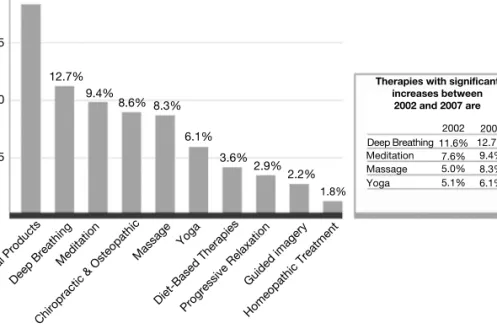
The new edition of this text is released in the context of increased use of complementary and alternative therapies, while also embracing integrative health and healing, representing complementary therapies combined with other medical/health therapies. Interest in the use of complementary therapies is a phenomenon that exists not only in the United States, but also in many other countries. 2013) compared the use of complementary therapies by persons in active military service with the use by civilians.
INTERNATIONAL PERSPECTIVE—PALESTINE Jehad Adwan
In presence, the nurse is available to the patient with the totality of the unique individual being. A true presence encounter takes into account the patient's wishes and needs and is not for the nurse's primary benefit.
USE OF “PRESENCE IN NURSING” IN PAKISTAN
Conveying an understanding of the speaker’s perceptions 4. Assumption checking
Therapeutic listening may require careful planning to allow time for undivided attention, or it may occur spontaneously. The inclusion of multiple measures, such as self-reports, behavioral observations, physiological indicators, and qualitative accounts, provides rich data for the study of therapeutic listening. Other challenges may be related to the complexity of the multifaceted phenomenon of therapeutic listening, which may require different study designs.
Therapeutic listening is intended to be helpful; however, a few precautions are warranted. It is important to maintain professional boundaries during therapeutic listening; empathy must be shown, but within the professional relationship with clients. The Websites section that follows presents websites of national and international professional organizations where online resources for therapeutic listening can be found.
The skills of therapeutic listening are particularly useful in ensuring that communication is effective in such cases. A final cultural example is provided in Sidebar 3.3, which emphasizes the centrality of family and suggests their inclusion in therapeutic listening around the patients' care.
NURSES’ THERAPEUTIC LISTENING SKILLS USED FOR OLDER POSTESOPHAGECTOMY
In addition, nurses are specifically trained to use systematic questioning and assessment skills that improve identification of patients' GI problems and symptoms. If the nurses "sense" the patients' problems through therapeutic exchange, they continue to explore the type and degree of the patients' problems and the way the problems affect their daily life. The nurses listen to the patients' whole experiences of living after esophagectomy, while being aware of any signs of hesitation or emotional distress that the patients may not show or state clearly.
The nurses also provide reassurance and positive feedback when the patients are on the right track and try to adhere to the expected 'healthy behaviour'. Such behaviors include eating small amounts of food slowly, exercising regularly, and elevating the upper body during sleep. After seeing the patient, the nurses convey the client's critical information or questions to the surgeon if desired and indicated. Otherwise, nurses encourage patients to relay their concerns to the surgeons or may ask surgeons questions on behalf of patients.
Patients and surgeons in this department have reported that the nurses are sensitive to the patients' needs and have noted how helpful the nurses are in working together on behalf of the patients. The excellent therapeutic listening skills of the nurses really improve the quality of care in the outpatient department of this hospital.
THE ROLE OF COMPLEMENTARY AND ALTERNATIVE THERAPIES IN CARING FOR SOMALI
THERAPEUTIC COMMUNICATION WITH MEXICAN PATIENTS INCLUDES LISTENING TO FAMILIES
Active listening in medical consultations: development of the Active Listening Observation Scale (ALOS-global). Supports a sustainable ecosystem: includes the economic, social and environmental impact of the building's design elements and the impact of each structure. The hospital's footprint was aligned so that the front faces Kohala Mountain and the back faces Mauna Kea Mountain.
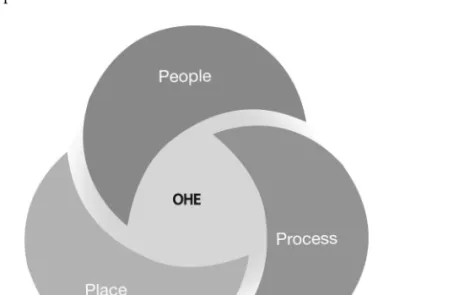
The design of the neuroscience/orthopedic/spine patient care center at Abbott Northwestern's new Heart Hospital in Minneapolis, Minnesota integrates the. However, I am confident in saying that the healing environment I describe reflects the culture of the Liberian people in general. The role of the designated person(s) is to coordinate the care of the patient between the hospital carer and the family and to provide direct support such as encouragement and reassurance to the patient.
The role of the family is to assist in the care of the sick with activities of daily living, even in a formal hospital setting. The provision of regular prayers and the presence of religious symbols is an essential part of the healing environment; however, these can have different levels.
ANCIENT HEALING ENVIRONMENTS OF GREECE
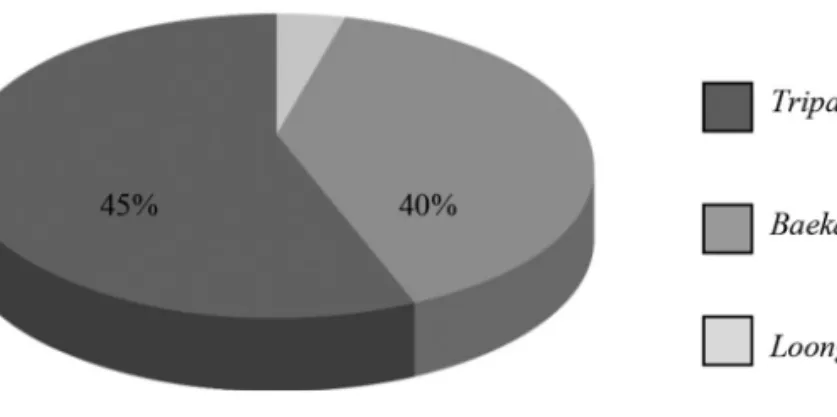
Ayurveda and Tibetan medicine distinguish three primary energies: kinetic energy (loong in Tibetan, vata in Ayurveda), hot energy (tripa in Tibetan, pitta in Ayurveda) and cold energy (baekan in Tibetan, kapha in Ayurveda) (Earl E Recently, Tso-Ngon (Qinghai) University Tibetan Medical College in Xining, China (Amdo, Tibet) has developed a master's degree and doctorate in Tibetan medicine. Such research is challenging because the physical, mental and spiritual components of Tibetan medicine work synergistically to work. .
The two approaches can complement each other; for example, a client undergoing conventional treatment for cancer may use Tibetan medicine to heal from chemotherapy and radiation (Bauer-Wu et al., 2014; Earl E. Bakken Center for Spirituality & Healing, University of Minnesota, 2016). Precautions are advised when using Tibetan medicine or any other healing system (Earl E. Bakken Center for Spirituality & Healing, University of Minnesota, 2016). Because the practice of Tibetan medicine is not yet widespread in the United States, standardization, accreditation, and licensure have not yet been established.
In the United States, practitioners of Tibetan medicine must follow state laws regulating unlicensed practitioners of complementary and alternative health care. Stressed nurses will benefit from using Tibetan medicine in self-care and in integrative nursing.
USE OF GUIDED IMAGERY IN A PEDIATRIC ONCOLOGY CLINIC
Studies have examined the effectiveness of guided imagery in the treatment of cancer pain (Kwekkeboom, Wanta, &. Subjects who found guided imagery helpful describe it as enjoyable, relaxing, or interesting, while subjects who reported negative experiences describe it as unrealistic or unrealistic). annoying (Draucker et al., 2015) In a randomized control trial of 72 female subjects with FM, subjects were randomized to usual care or usual care plus guided imagery (Menzies et al., 2014).
2015) found improvement in pain relief in a guided imagery group over a control group; however, Verkaik et al. 2014) found no differences in pain, self-efficacy or functional status between groups. In a randomized trial, a guided imagery group was compared with a control group that only learned breathing exercises. Children in the treatment group reported significantly greater reductions in pain scores and pain-related disability (Gulewitsch et al examined the use of guided imagery as an adjunct to routine analgesics for pain after tonsillectomy and/or adenoidectomy.
IMaGery 97, the researchers found that guided imagery combined with relaxation had a positive effect in mediating the side effects of anxiety and depression (Chen et al., 2015). Guided images as an intervention reduced the severity and frequency of CInV (Hosseini, Tirgari, Forouzi, & Janhani, 2016).
USING IMAGERY ONLINE: NEW ZEALAND Theresa Fleming and Matthew Shepherd
The effect of hypnosis-guided imagery on psychological well-being and immune function in patients with prior breast cancer. Guided images for women with interstitial cystitis: results of a prospective, randomized controlled pilot study. The effects of guided imagery on sleep and inflammatory response in cardiac surgery: a pilot randomized controlled trial.
The effect of guided images on stress and fatigue in thyroid cancer patients undergoing radioactive iodine therapy. The effects of guided imagery on heart rate variability in simulated spaceflight emergency task operators.
MUSIC THERAPY AS A SALUTOGENIC APPROACH INTO MEDICAL CARE: INDIAN PERSPECTIVES
Much of the nursing assessment focuses on immediate or short-term effects of music intervention. A study of the effects of music on anxiety and pain perception in patients undergoing hemodialysis treatment. The effect of music on calorie expenditure in nursing home residents with Alzheimer's dementia.
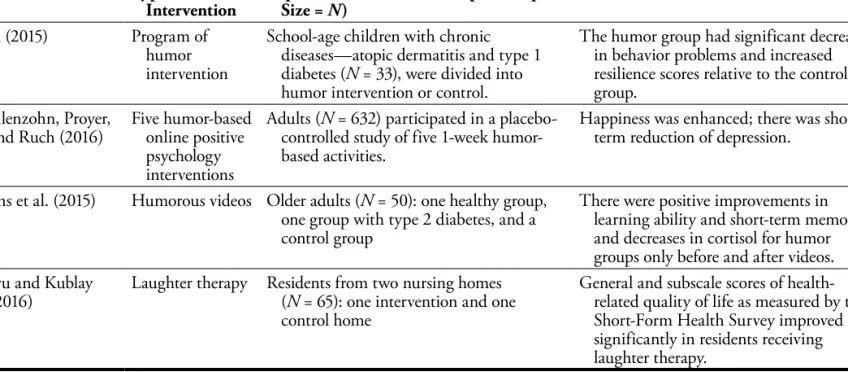
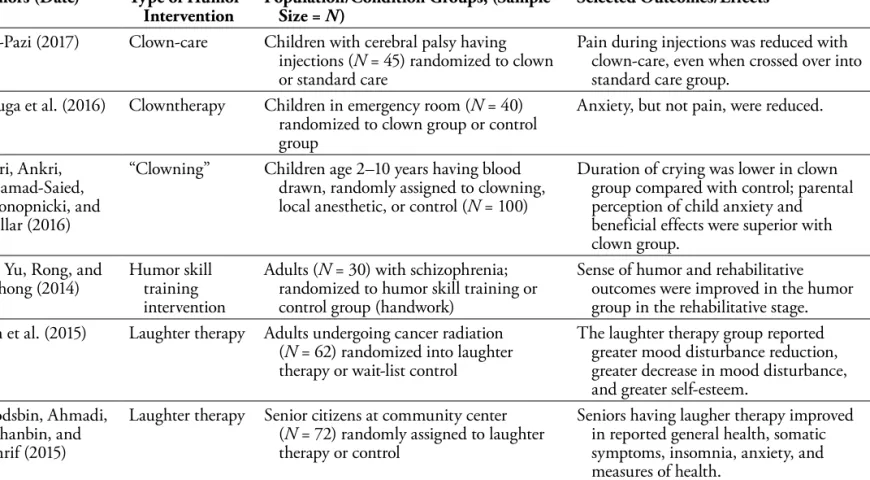
Specially selected music in the heart lab—An important tool to improve patient well-being. A controlled trial of music and preoperative anxiety in Chinese men undergoing transurethral resection of the prostate. To put the evidence into perspective, it's important to understand some of the history of the contemporary interest in therapeutic humor and laughter.
For example, if the goal of using therapeutic humor was to reduce stress, a measure of perceived stress, such as the Perceived Stress Scale (Cohen, 2012), could be used. As with any procedural intervention, nurses using therapeutic humor must remain sensitive to patient and family member responsiveness and receptivity. As your relationship with the patient matures, humor can develop in the context of the therapeutic relationship.
However, therapeutic humor is gaining ground as one of the therapies that nurses can do as a caring profession.
USE OF YOGA IN HONG KONG Corjena K. Cheung
The lack of standardized practice and the diversity of yoga styles complicate the applicability of the results (Büssing, Khalsa, Michalsen, Sherman, & Telles, 2012; Earl E. Bakken Center for Spirituality & Healing, 2017b; Li & goldsmith, 2014). Effects of yoga on symptoms, physical function and psychosocial outcomes in adults with osteoarthritis: A focused review. Safety and feasibility of modified chair yoga on functional outcome among elderly people at risk of falls.
Yoga for the mental health and well-being of children and young people: research and reflections on the mental health potential of yoga. Effect of yoga on pain, brain-derived neurotrophic factor and serotonin in premenopausal women with chronic low back pain. Benefits of yoga for psychosocial well-being in a US high school curriculum: a preliminary randomized controlled trial.
Effect of 12 weeks of yoga training on the somatization, psychological symptoms and stress-related biomarkers of healthy women. NIH National Center for Complementary and Integrative Health” to “Yoga: In Depth”.