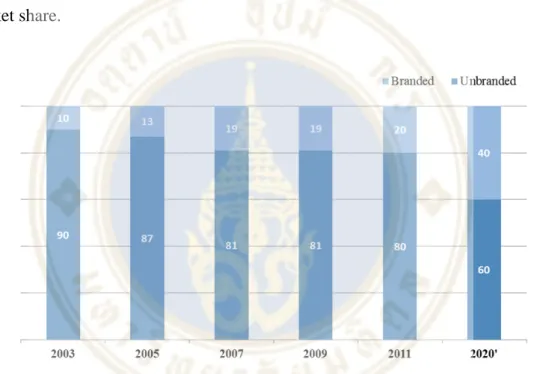
I would like to acknowledge the academic and technical support of the College of Management, Mahidol University (CMMU), especially the staff who provided numerous necessary information and IT supports. This sets the stage for the following chapters and establishes the importance of the study's topic and findings. Most of the companies in the sales and marketing segment are small and medium-sized enterprises (SMEs), according to the Thailand Board of Investments report (2015).
Objective
Some of these stores sell well, some don't. This study looked at the factors that influence purchasing jewelry through online shopping.
Benefits of research
LITERATURE REVIEW
E-Commerce Environment
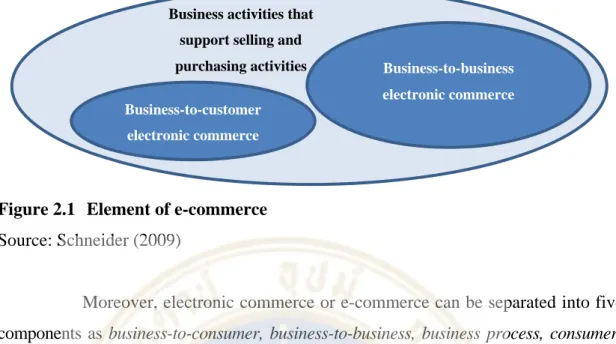
Furthermore, electronic commerce or e-commerce can be separated into five components as business-to-consumer, business-to-business, business process, consumer-to-consumer and business-to-government (Schneider 2009, p. 5). .
Key Factors Influencing Online Consumer attitudes
- Demography
- Attributes
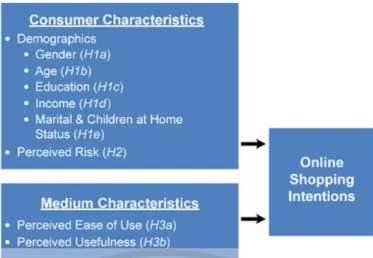
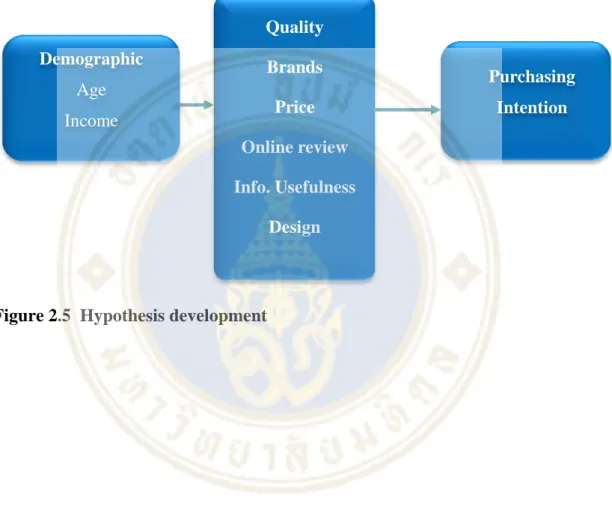
Finally, this research found that age, income, marital status and children at home, and perceived usefulness support online shopping intentions. According to Figure 4, some of the factors selected to study there are specific to the jewelry product for online shopping. They found that trust in online shopping significantly affects the credibility of consumer product reviews posted on the site, which is both indirectly and directly related to greater purchase intentions.

Hypothesis Development
RESEARCH METHODOLOGY
- Research Design
- Population and Sampling
- Research Instrument
- Data Analysis
Jewelry is one of the fashion products that appeals to a wide range of women, so this study has extended the sample to Thai women. Because of the age ranges of the adults, it was convenient to access some of them from the office area. The first section consisted of a definition of jewelry in this research, examining questions such as have you ever purchased jewelry online.
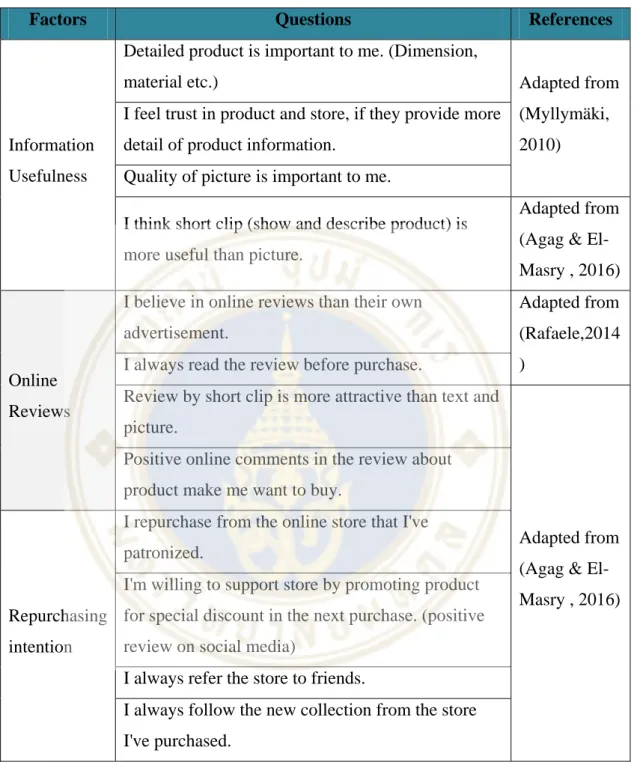
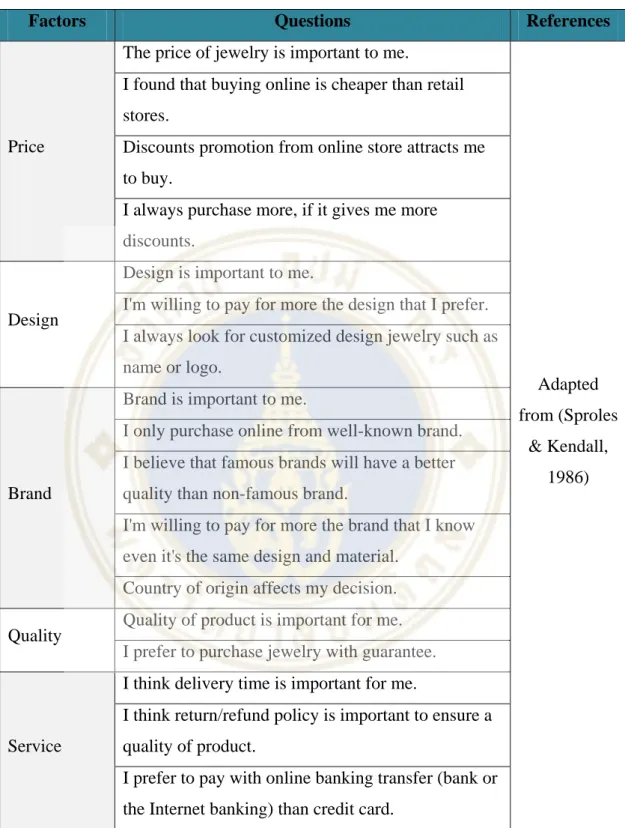
The third part of the questionnaire aimed to explore the factors of jewelry online. In this study, the middle (or neutral) option was removed because this option is the easiest answer when respondents feel uncertainty about the answer. The last part of the questionnaire was intended to collect both demographic information and customer behavior information.
All the demographic data were used to describe and analyze the consumer group with different age and personal income. For data analysis, this research was processed using the Statistical Package for Social Sciences (SPSS) program software to test the hypotheses. Three types of analysis are used in this research; descriptive analysis, factor analysis and One-way ANOVA analysis.
Descriptive analysis was used to describe personal information, including age and personal monthly income level of the respondents.
FINDING
Demographic Profiles and General Purchase Behaviors
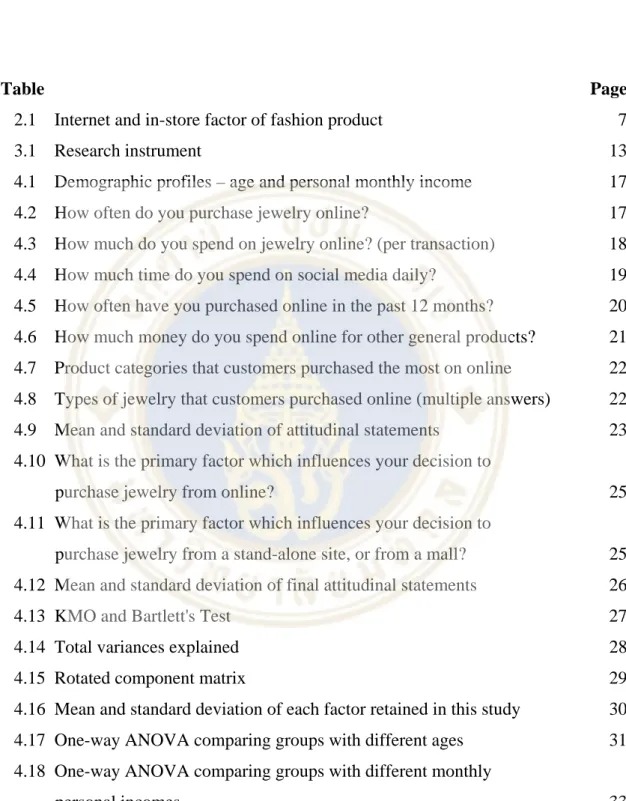
Almost forty percent spent more than three hours a day on social media (36.1%), and about the same number of respondents spent less than one hour a day (35.1%). Regarding overall online shopping behavior, Table 5 reports the average number of online purchases made in the past 12 months. Fashion and attractions (including accessories) was the most popular purchase category (42.0%), followed by cosmetics (25.9%), IT electronic gadgets (14.3%) and air tickets for transport (9.8 %).
Rings were the most commonly purchased jewelry products online (43.8%), followed by earrings (42.9%) and bracelets (34.8%) respectively. The ankle bracelet was the least popular item as only 7.1 percent bought it in the last 12 months.

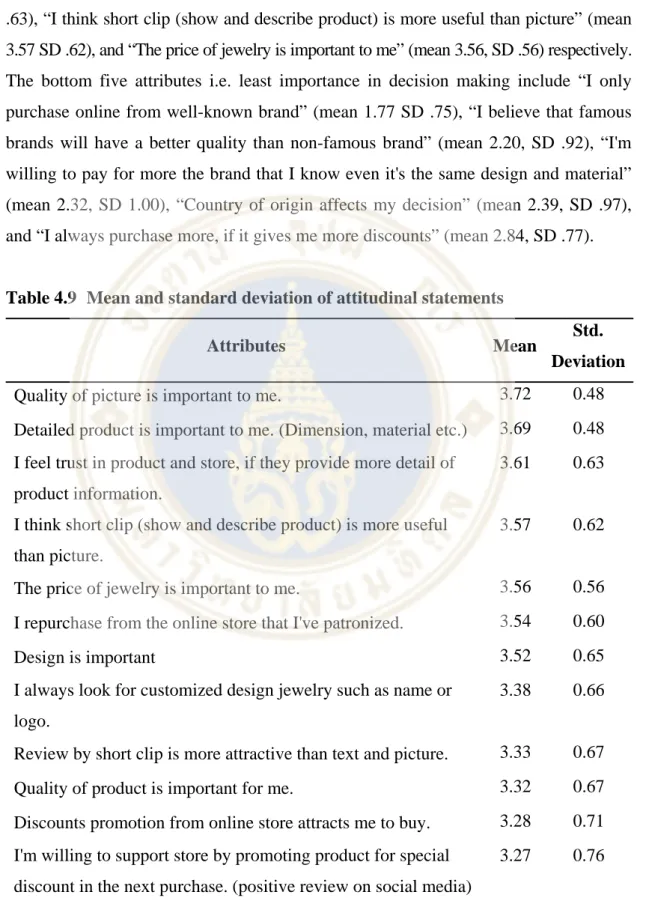
Attitude Scores
3.28 0.71 I am willing to support a store by promoting a product for a special offer. discount on your next purchase. positive rating on social media). I prefer to pay by online bank transfer (bank or internet banking) than by credit card. I'm willing to pay more for a brand I know about, even if it's the same shape and material.
Exploratory Factor Analysis
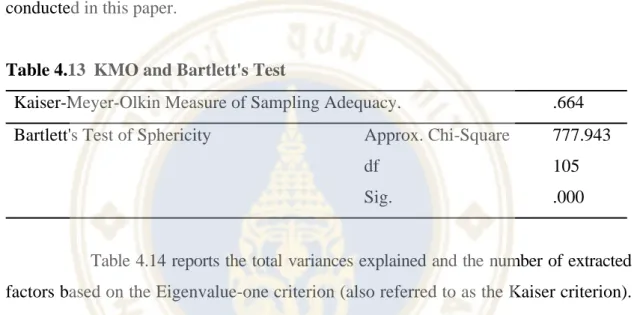
The KMO was used to determine sample adequacy, whether the sample size is large enough to conduct exploratory factor analyses. The Bartlett's test of sphericity was used to test the null hypothesis that the correlation matrix is an identity matrix. We would like to reject this null hypothesis in order to continue using factor analysis in this study. The p-value of the test was reported as .000 and it was concluded that the null hypothesis should be rejected.
By combining the KMO and the Bartlett test, a factor analysis can be performed in this article. The extraction method used in this study was principle component analysis, which was commonly used in such studies. Based on this criterion, five factors were retained and the total variances explained by these factors were 63,652, as reported in the cumulative percentage column highlighted in the table.
The first factor, namely 'online review', consists of four characteristics, including: I always read the review before purchasing (.863), positive online comments in the review about the product make me want to buy (.792), I believe in online reviews than their own advertisement (.752), and review via short clip is more attractive than text and image (.678). The third part which is 'design' consists of three variables including: design is important to me (.731), quality of product is important to me (.680), and I always look for custom designer jewelry like name or logo (.616 ). Finally, the fifth factor, which is “price discount,” consists of two attributes, including discounts, promotions from an online store that encourage me to buy (.845), and the price of jewelry is important to me (.808).
In the next section, we will examine whether there were statistically significant differences in the mean scores by comparing various demographic variables such as age, monthly personal income, and average spending.
Testing for Differences in Demographic
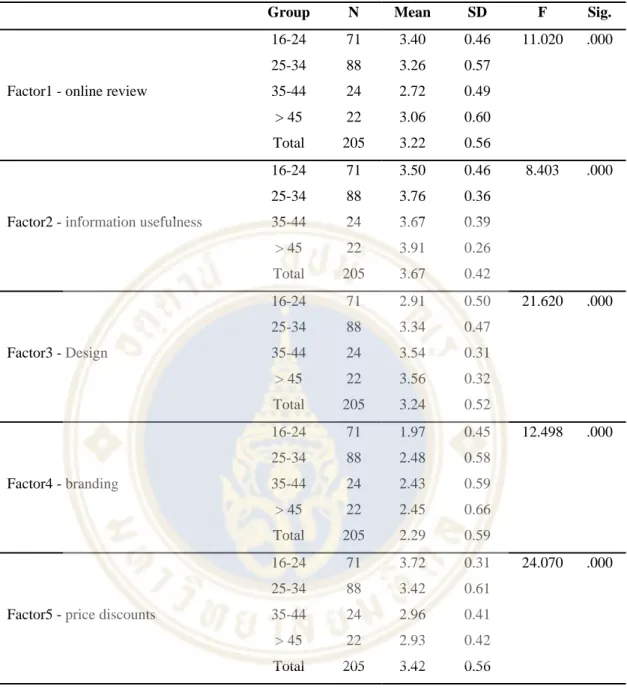
In terms of online review, customers aged 16-24 (mean 3.42) had the highest mean responses, while those aged 35-44 (2.72) had the lowest mean scores. Regarding information usefulness, customers over 45 (average 3.91) placed the greatest importance on this aspect. In terms of adaptation, customers aged 35-44 (mean 3.54) and those over 45 (3.56) were highly and equally affected.
Similar to the previous table, the tests were again statistically significant at the .05 level (p-value less than .05) and it can be concluded that the differences in attitudes between female customers with different personal incomes were statistically significant. Female respondents who placed the greatest emphasis on online reviews were those who earned less than THB 30,000 (average 3.34), and as income increased. In terms of information usefulness, the group with personal income higher than 50,000 THB had the highest rating and the score decreases for groups with lower personal income.
Among the three income segments, customization (average 3.50) and branding components (average 2.49) were highly rated by those earning more than 50,000 THB per month. In terms of price discount, the promotional element was especially attractive and highly valued by the group with a personal income of less than THB 30,000 per month (average 3.66), and the impact of price promotion became less influential as customers had a higher personal income . In summary, five attitudinal factors from the factor analysis method were retained and these factors were used in subsequent one-way ANOVA that tested whether the attitude score was different for groups with different ages and monthly personal incomes.
The analysis revealed that the differences between groups with different demographic profiles were statistically significant at 0.05 alpha levels.
Summary and Discussion
- Information usefulness
- Price discounts
- Design
- Online reviews
- Branding
Finally, the researcher applies a one-way ANOVA to compare the responses to five factors among female customers with different ages and monthly personal incomes. This factor consists of three statements, including “I feel trust in the product and the store, when they provide more details about product information”, “Detail product is important”. The finding of the one-way ANOVA shows that the customer group with age over 45 years and personal income over THB 50,000 pays the most attention to this aspect.
On the other hand, as age and personal income increase, the impact of discounting and promotion is likely to decrease. The third component "design" consists of three variables, including "design is important to me", "quality of product is important to me", and "I always look for custom design jewelry such as name or logo". Refer to the price factors, the result implies that customer group with age and personal income increased the effect of price is decrease, therefore they consider design and are willing to pay higher price for unique and custom product.
The first factor “online review” consists of four attributes, including “I always read the review before buying”, “positive online comments in the review about the product make me want to buy”, “I believe online reviews than their own advertising”, and "review by short clip is more attractive than text and image". The finding of one-way ANOVA shows that the customer group with the age of 16-24 years and personal income below THB 30,000 focused on this aspect. On the contrary, information affects the customer group with the age of over 45, teenagers believe in real experience from user instead of seller advertisement.
Branding consists of two variables including “I believe that well-known brands will have a better quality than non-famous brands” and “I only buy online from well-known brands”.
CONCLUSION
Conclusion
Moreover, from this study, based on a one-way ANOVA analysis, it can be concluded that the differences in attitudes towards the five key factors between female customers from different age groups were statistically significant. Customer group with age over 45 years and personal income over 50,000 who are affordable for executive products such as custom design or high quality material, so they consider more information to support their decision making. This customer group will have confidence in the product and the store if the store provides more details about product information.
On the contrary, the young customer who may not prefer the information for owner shop, online review is more influence to buy. Refer to questionnaire, it can be concluded that young customers prefer to read the review before purchase and they believe in online reviews than advertisements. The young customers with income less than 30k THB are price conscious, so offering discount and promotional opportunity was mostly attractive and stimulate purchase among them.
For the design component, the customer aged between 35-44 and over 45 years had a high and equal influence on the design aspect as the customer who earned more than 50,000 THB per month. Consider price factors, adult and high income customers are less influenced by price, so they are design conscious and willing to pay a higher price for a unique and custom product. Finally, the brand was least influential among women under 24 because this customer group is more concerned about price than design and brand.
Therefore, this is an opportunity for local and small businesses to conquer a market with dominant design and better quality.
Recommendations of the research
Limitations and recommendations for future research
APPENDICES
Appendix A: Questionnaire
- Scanning question 1. Gender
- Customer behavior for purchasing jewelry online
- Factors influencing purchase decision in jewelry online 6. Do you agree with the below statement?
- Demographic 9. Age
- Customer behavior for purchasing online
I am willing to support the store by promoting the product for a special discount on the next purchase. positive review on social media). What is the primary factor that influences your decision to buy jewelry from an independent website or from a mall.