ATTITUDES AND PERCEPTIONS OF MOBILE
ADVERTISING AMONG RURAL YOUTH IN THE LIMPOPO PROVINCE
By
Madzanga Nebaimoro 209524417
A dissertation submitted in fulfilment of the requirements for the degree of Master of Commerce (Marketing Management)
College of Law and Management Studies
School of Management, Information Technology and Governance
Supervisor: Dr. Aradhna Arbee
2017
i
PERMISSION TO SUBMIT
ii
DECLARATION
I Madzanga Precious Nebaimoro declare that
(i) The research reported in this thesis is my original research.
(ii) This thesis has not been submitted for any degree or examination at any other university.
(iii) This thesis does not contain other persons’ data, pictures, graphs or other information, unless specifically acknowledged as being sourced from other persons.
(iv) This thesis does not contain other persons' writing, unless specifically acknowledged as being sourced from other researchers. Where other written sources have been quoted, then:
a. Their words have been re-written but the general information attributed to them has been referenced
b. Where their exact words have been used, then the work has been inside quotation marks and referenced in verbatim.
(v) This thesis does not contain text, graphics or tables copied and pasted from the Internet, unless specifically acknowledged, and the source being detailed in the thesis and in the References sections.
Signature : Date 03 April 2018__
[Madzanga Nebaimoro]
ACKNOWLEDGEMENTS
I would like to thank everyone who has been there for supporting me throughout this study.
Many thanks go to my supervisor, Dr. Aradhna Arbee, for her assistance and guidance.
Great appreciation goes to my beloved family for their invaluable support, guidance and continuous encouragement throughout my academic life. I could never ask for a different family; you are the best!
Heartfelt gratitude goes to my friends: Livhuwani Tshikhudo, for being the ultimate motivator, you the bomb Sway!; Lisebo Senyane, for being there for me even when you could’ve walked away, ‘you got the answers Sway; Usivhone Makhode, for being my assistant moderator and helping me collect data; and Mutsinds Netshitungulu for those bottles of wine. You have been my family away from home.
I also want to extend my appreciation to the University of KwaZulu-Natal for funding my study.
Finally, I would like to express appreciation to all the participants.
v
LIST OF ABBREVIATIONS
AMA – American Marketing Association AMPS – All Media Product Survey ARF – Advertising Research Foundation EM – Effective Measure,
GPS – Global Positioning Systems IAB – Interactive Advertising Bureau
ICT – Information, Communication and Technology ITU – International Telecommunications Union LSM – Living Standards Measure
MEDUNSA – Medical University of South Africa MMA – Mobile Marketing Association
MMS – Multimedia Message Service PWC – PricewaterhouseCoopers RDF – Rural Development Framework RFID – Radio-frequency identification RIA – Research ICT Africa
SEO – Search Engine Optimisation SMS – Short Message Service SSA – Statistics South Africa
UKZN – University of KwaZulu-Natal UL – University of Limpopo
UniVen – University of Venda URL – Uniform Resource Locator
USSD – Unstructured Supplementary Service Data WIFI – Wireless Fidelity
WOM – Word Of Mouth
vi
ABSTRACT
Mobile advertising, a form of advertising that targets people using mobile devices such as cell phones and tablets, has opened a platform for advertisers to communicate with their target markets at any given time and location. The mobile market continues to multiply in South Africa, and devices are continuously becoming more technologically advanced, resulting in more sophisticated advertising vehicles and mobile users. In addition, mobile advertising has been referred to as one of the best means to communicate with the youth.
This study explores the attitudes and perceptions of youth in rural communities towards mobile advertising. As such, it addresses a gap in the literature on youth and mobile advertising, which tends to focus on youth in more urban contexts. The study focuses on the following types of mobile advertising: SMSs, video advertising, mobile web banner advertising and app advertising.
An exploratory qualitative study was conducted, involving a sample of 38 participants. Six focus group sessions were conducted in Thohoyandou and Turfloop. The study used the ARF Model (that is, vehicle exposure, advertising attentiveness, advertising communication, advertising persuasion, and advertising response) and the ABC model of attitudes (that is, affect, behaviour, and cognition) to develop the research instrument, and then additionally used the Ducoffe Extended Model (that is, informativeness, entertainment, credibility, and irritation) to guide the analysis of the collected data.
The following are the main findings of this study:
The majority of participants show low responsiveness towards mobile advertising; however, some welcome mobile advertising.
Most participants find mobile advertising ‘annoying’ or ‘irritating’, mainly because they feel that the content advertised to them is not always relevant, has poor timing and invades their privacy. Other participants are happy receiving mobile adverts if the content is relevant, informative, helpful, creative and entertaining.
Participants generally appear to have negative overall attitudes towards SMS advertising in particular, again largely due to irrelevant content. Video, mobile web banner and app advertising receive mixed reactions.
Implications and recommendations are provided, for marketers and future researchers.
Keywords: App advertising, mobile advertising, rural youth consumers, SMS advertising, video advertising, web mobile banner advertising,
vii
CONTENTS
PERMISSION TO SUBMIT ... i
DECLARATION ... ii
ACKNOWLEDGEMENTS ... iii
LIST OF ABBREVIATIONS ... v
ABSTRACT ... vi
LIST OF TABLES ... ix
LIST OF FIGURES ... x
CHAPTER ONE ... 1
INTRODUCTION AND OVERVIEW ... 1
1.1 Introduction ... 1
1.2 Background to the study ... 1
1.3 Motivation for the study ... 2
1.4 Research problem ... 4
1.5 Purpose of the study ... 4
1.6 Objectives of the study ... 5
1.7 Research methodology ... 5
1.8 Contribution of the study ... 5
1.9 Delimitation of the study ... 6
1.10 Summary of Chapters ... 6
1.11 Conclusion ... 6
CHAPTER TWO ... 7
A REVIEW OF LITERATURE ... 7
2.1 Introduction ... 7
2.2 Advertising ... 7
2.3 Background to Mobile Advertising ... 7
2.3.1 Mobile Advertising defined ... 8
2.3.2 Benefits of Mobile Advertising ... 10
2.3.3 Challenges or Limitations of Mobile Advertising ... 11
2.3.4 Mobile Advertising Message Elements ... 14
2.4 Youth attitudes and perceptions towards mobile advertising ... 16
2.5 Theoretical Framework ... 20
2.5.1 The Advertising Research Foundation (ARF) Model ... 20
2.5.2 The ABC model of attitudes ... 23
viii
2.5.3 The Ducoffe Extended Model ... 25
2.5.4 Conceptual Model of this study ... 28
2.6 Conclusion ... 29
CHAPTER THREE ... 30
RESEARCH METHODOLOGY ... 30
3.1 Introduction ... 30
3.2 Aim of the research ... 30
3.3 Research design ... 30
3.4 Research approach ... 31
3.5 Study site ... 31
3.6 Target population ... 32
3.7 Sampling ... 33
3.7.1 Sampling method ... 33
3.7.2 Sample ... 33
3.7.3 Sample size ... 34
3.8 Data collection ... 35
3.8.1 Focus group sessions ... 35
3.9 Research instrument ... 37
3.10 Data quality control ... 39
3.11 Data analysis ... 40
3.12 Ethical considerations ... 41
3.13 Conclusion ... 42
CHAPTER FOUR ... 43
RESEARCH FINDINGS ... 43
4.1 Introduction ... 43
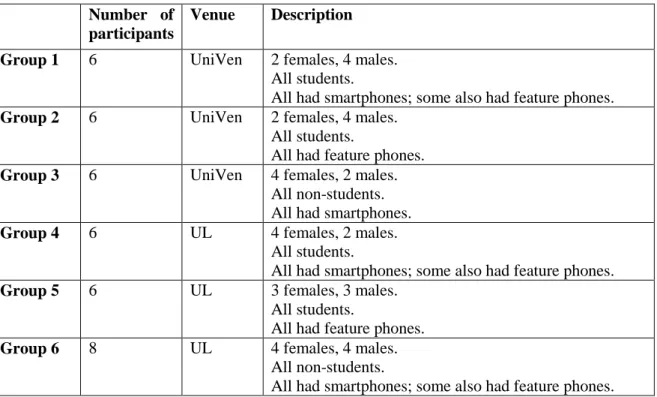
4.2 Overview of participants ... 43
4.3 Findings... 45
4.3.1 Question 1: What kind of cell phone/mobile phone do you use? ... 46
4.3.2 Question 2: What do you mostly do on your phone? ... 47
4.3.3 Question 3: Are you exposed to advertising on your mobile phone? ... 49
4.3.4 Question 4: What is your understanding of mobile advertising and mobile advertising messages? ... 51
4.3.5 Question 5: Do you pay attention to mobile advertising? ... 53
4.3.6 Question 6: Do you think mobile advertising is persuasive? Explain your answer. ... 59
4.3.7 Question 7: What is your usual response when you are exposed to mobile advertising? .... 64
4.3.8 Question 8: Is there anything else you would like to say about mobile advertising? ... 67
ix
4.4 Conclusion ... 68
CHAPTER FIVE ... 70
CONCLUSIONS AND RECOMMENDATIONS ... 70
5.1 Introduction ... 70
5.2 Aim of the study ... 70
5.3 Overview of the findings in relation to the research objectives ... 70
5.4 Recommendations for marketers and future researchers ... 72
5.4.1 Recommendations for Marketers ... 72
5.4.2 Recommendations to future researchers ... 74
5.5 Limitations of the study ... 74
5.6 Contributions of the study ... 75
5.7 Conclusion ... 75
LIST OF REFERENCES ... 76
Appendix A – Focus Group Schedule and Script ... 86
Appendix B – Focus Group questions and follow-up questions ... 88
Appendix C – Informed consent Letter ... 89
Appendix D – Consent Forms ... 90
Appendix E – Turnitin Report Summary ... 91
Appendix F – Ethical Clearance ... 93
ix
LIST OF TABLES
Table 2-1 Academics’ use of mobile advertising: a new form of advertising 9
Table 4-1 Overview of participants 44
Table 4-2Overview of each focus group 45
Table 4-3Additional Information on Mobile Advertising 67
x
LIST OF FIGURES
Figure 2-1The revised ARF Model 21
Figure 2-2 The ABC model of attitudes 23
Figure 2-3 The Ducoffe Extended Model 26
Figure 2-4 Conceptual model 28
Figure 4-1 Kinds of cell phones used 46
Figure 4-2 Daily phone activities 48
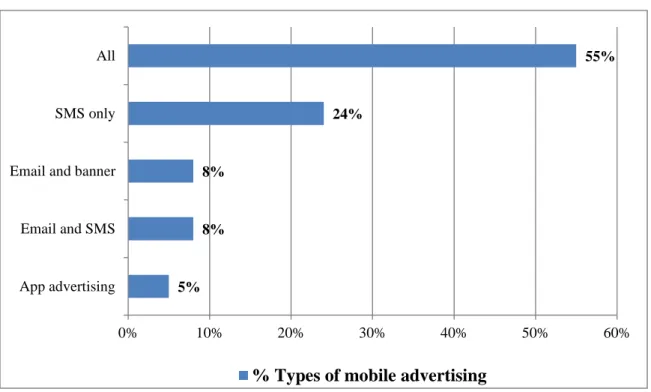
Figure 4-3 Types of mobile advertising 50
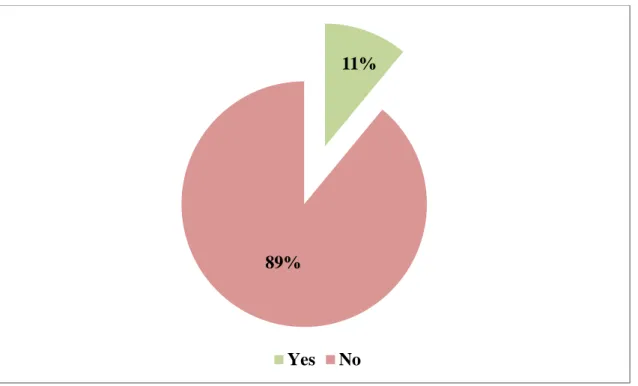
Figure 4-4 Rating of Mobile advertising exposure 51
Figure 4-5 Attention to Mobile advertising 53
Figure 4-6 Influence on attention Scale 54
Figure 4-7 Influence on attention 57
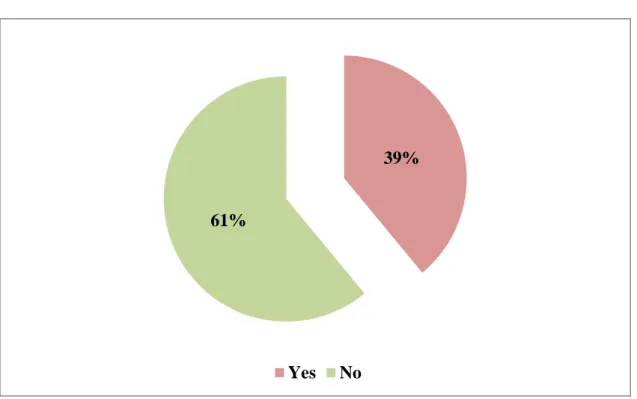
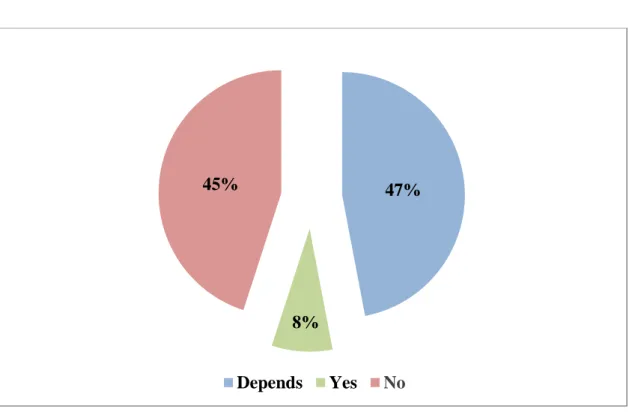
Figure 4-8 Persuasiveness of Mobile advertising 59
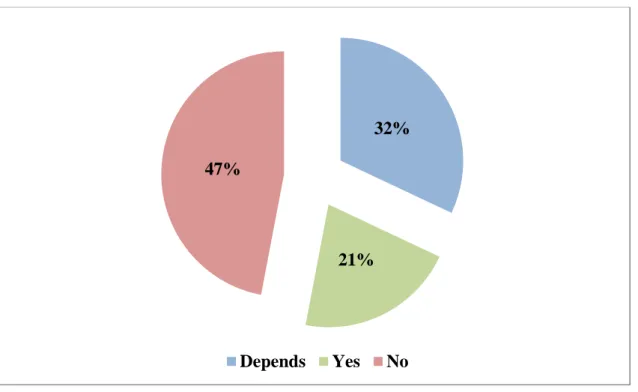
Figure 4-9 Influence of Mobile advertising on purchase 61
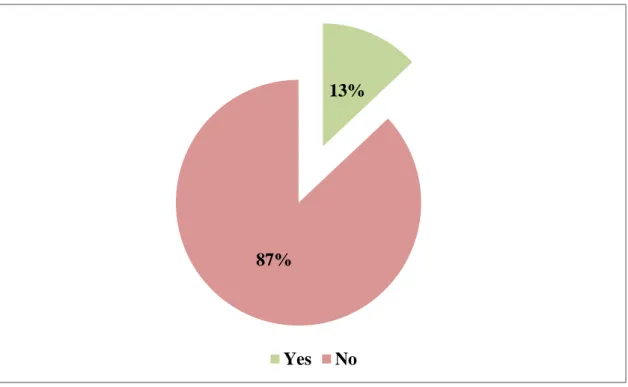
Figure 4-10 Online Shopping 62
Figure 4-11 Response to mobile advertising 64
Figure 4-12 Feelings towards Mobile Advertising 66
1
CHAPTER ONE
INTRODUCTION AND OVERVIEW
1.1 Introduction
In marketing, ‘mobile advertising’ can be explained in two different ways - firstly, advertisements placed on moving objects such as buses and trucks and, secondly, advertisements delivered to mobile devices such as mobile phones and tablets (Aalto, Gothlin, Korhonen & Ojala, 2004). This study focuses on the latter, exploring the attitudes and perceptions of youth in rural communities (specifically, Thohoyandou and Turfloop) towards mobile advertising. This chapter provides background to, and an overview of, the study.
1.2 Background to the study
Zyman and Brott (2002) suggested that organisations view advertising as an investment, resulting in bigger advertising budgets than in the past. These organisations also face big changes in the marketplace, with consumers having a greater selection of products, services, and advertising channels, resulting in organisations being more conscious of their competitors, thus improving their advertising efforts (Zyman & Brott, 2002). The continuous advancements in technology have provided advertisers with new channels of advertising to better reach consumers, leading to a situation in which “advertising is everywhere” (Cook, 2001:1, cited in Van der Waldt, Rebello & Brown, 2009:444).
Mobile marketing makes up an integral part of this milieu. It has opened a platform for advertisers to use mobile devices as a primary source of communication with their target market, reaching consumers wherever they are. Mobile marketing continues to expand alongside technological advancement, resulting in advertising channels and users becoming more sophisticated (University of San Francisco, 2014).
Mobile advertising is a key aspect of mobile marketing; it is a form of advertising targeting people using mobile devices such as cell phones and tablets. It encompasses many advertising mediums such as electronic mail, banner advertising, video advertising, social media, search engine optimisation [SEO], blogging, content marketing, short message service [SMS] and multimedia message service [MMS] (Tommy, 2010). Mobile advertising has shown a great spike in success due to the concentrated number of this target market always glued to their mobile devices for different reasons (Marketing-Schools.org, 2015).
In 2006, International Telecommunications Union [ITU] published a study by the Graduate School of Public and Development Management at the University of the Witwatersrand suggesting that South
2 Africa was experiencing an expansion in, and widespread ownership of, mobile services. The article also reported an increase in mobile usage, which was then 30 million subscribers (ITU, 2006). In 2006, South Africa had a population of 48.27 million people, more than half of them living below the poverty line (ITU, 2006). Since then, the number of youth using mobile data phones has escalated due to the availability of low-priced communication via social media applications such as WhatsApp and Facebook (Donner, Gitau & Marsden, 2011). More recent statistics show that, of the 87% of South African adults (aged 15+) owning a mobile phone, 39% use basic phones, are of lower Living Standards Measure [LSM], older and live in rural communities (IAB South Africa and Effective Measure, 2013). The other 48% are middle to high LSM, younger, and mostly live in urban areas (IAB South Africa and Effective Measure, 2013). Veitch and Salant (2016) reported that, in 2015, approximately 23 million South Africans had a smartphone.
Statistics South Africa [SSA] and Research ICT Africa [RIA] (2007) confirmed that cell phone ownership across the youth market was increasing in South Africa. South Africa was placed third in Africa, after Nigeria and Egypt, with regards to the number of mobile subscribers (GSM Association
& Kearney Ltd, 2011). SSA and RIA also showed that cell phone ownership was only 32.3% among 15 to 24 year olds in 2001, but increased to 72.9% in 2007 (Beger, Sihna, & Pawelczyk, 2012). In 2011, South Africa experienced 66% mobile internet usage; 39% of this was in urban locations and 27% in rural locations (Beger et al., 2012). More than 92% of internet users own a smartphone while 8% own a feature phone and at least 20% of smartphone users use their phones to do banking and finance-related purchases (IAB South Africa and Effective Measure, 2013). The All Media and Products Study [AMPS] (2013AB) revealed that marketers could reach 87% of South African adults (aged 15+) in their households through a mobile phone, with 39% only using voice, SMS and Unstructured Supplementary Service Data [USSD] communication and 48% using voice, SMS, USSD and mobile data. This creates an opportunity for marketers to reach their target market in their own homes or in any other location where they may have their mobile phones. In 2015, internet usage on cell phones was 45%, tablets 11% and the remaining usage was on other types of devices. The usage was further broken down by age group, with those aged 20-29 years being the highest consumers of mobile internet at 31%, and those aged 30-39 years coming in second at 24% (IAB South Africa and Effective Measure, 2015). In September 2015, IAB South Africa and Effective Measure identified three major cities in South Africa as having highest internet usage: Johannesburg with 25%, Cape Town with 12% and Durban with 9%. Internet usage was further split based on gender, with females at 51% and males at 49%.
1.3 Motivation for the study
It is important to understand consumer attitudes and perceptions towards mobile advertising, as well as how they respond to advertising via this medium, in order for marketers to be able to use it
3 effectively. Spero and Stone (2004) explain how the younger generation is quicker in learning and adapting to new technologies than the older generation. This study focuses distinctly on the attitudes and perceptions of rural youth vis-à-vis mobile advertising in Limpopo. This is motivated by the lack of South African research focusing on mobile advertising in rural contexts. Many studies of mobile advertising are conducted among youth in urban or developed communities; to expand our knowledge and understanding of mobile advertising among the youth, more studies have to be conducted in rural locations where youth face unique socio-economic challenges and lifestyles (Lesitaokana, 2014). The selected rural communities in this study have the infrastructure for mobile advertising, and the youth in these locations own mobile devices and have access to the internet. While the term ‘rural’ can be defined differently, this study will define ‘rural youth’ as those youth born and raised in the rural communities of Limpopo and currently living there. In 1997, the South African Rural Development Framework [RDF] defined rural areas as have the following two characteristics (Treasury, 2011:192):
“sparsely populated areas in which people farm or depend on natural resources, including villages and small towns that are dispersed through these areas”.
“areas that include large settlements in the former homelands, which depend on migratory labour and remittances as well as government social grants for their survival, and typically have traditional land tenure systems”.
The study involved selected youth who grew up and live in villages and small towns surrounding the selected two towns, and describes these youth as rural youth.
Studying consumer attitudes to mobile advertising is necessary to fully take advantage of and improve the effectiveness of mobile advertisements (Bauer, Reichardt, Barnes & Neumann, 2005). While other countries such as India and China have conducted similar studies in their rural locations (Tripathi &
Mittal, 2008; Nandagopal, Ha, Balamurugan, Sathish, Sathyanarayanan, & Jublee, 2012; Le &
Nguyen, 2014), those findings may not directly apply to South Africa due to differences in the adoption of technology and cultural differences (Van der Waldt et al., 2009). This study therefore aims to help marketers and advertisers to create better mobile advertising strategies, through insight into South African rural consumers’ attitudes and perceptions of mobile advertising.
Much of the existing research on mobile marketing (internationally and in South Africa) has focused on SMS advertising, thereby excluding different types of mobile advertising, some of which are new, such as video, mobile web banner and mobile app advertising (Carroll, Barnes, Scornavacca &
Fletcher, 2007; Moynihan, Kabadayi & Kaiser, 2010). This study, however, covers SMS advertising as well as some other forms of mobile advertising, such as the recent popular ones mentioned above.
4 The findings of this study may help create a better user experience when it comes to delivering ads to target audiences. The study may help inform marketers on how this target market feels about mobile advertising and provide insights on how to communicate with them (Olenski, 2017). Ene and Ozkaya (2015) explain that consumers’ attitudes and behaviour need to be examined very carefully to make mobile advertising more effective.
1.4 Research problem
When it comes to advertising, there are areas and populations that are under-researched. This research focuses on exploring rural youths’ attitudes and perceptions of mobile advertising, focusing on a location and population that is generally under-researched.
PricewaterhouseCoopers [PWC] (2013:35) states that “South African brands and advertisers are beginning to use mobile advertising as part of their integrated campaigns involving outdoor, online, TV, radio and print advertising”. Advertisers are finding ways of reaching users on multiple devices and, as a result, mobile advertising is continuously gaining importance (PWC, 2013). Mobile advertising gives advertisers a way to effectively target their market by selecting the desired age range and location (Johnston, 2011). The attitudes and perception of youth in rural communities, regarding mobile advertising, is what this research aims to explore.
While a number of research studies have been done on mobile advertising in South Africa (for example, Beneke, Cumming, Stevens & Versfeld, 2010; Van der Waldt et al., 2009; Vigar-Ellis et al., 2007), these studies generally focus on urban youth in major cities such as Johannesburg, Durban and Cape Town. As a result, there is a lack of research in other provinces and cities; of particular relevance to this study, there is also notably a lack of research in rural settings. It is important to investigate if the attitudes and perceptions of urban youth towards mobile advertising are similar or different to those of rural youth, perhaps because of different living standards and levels of exposure to mobile advertising. This research thus begins to address a perceived gap in existing literature.
1.5 Purpose of the study
This researcher has chosen to address this particular research topic on mobile advertising in rural communities in an attempt to understand rural youths’ attitudes and perceptions of mobile advertising, and how these participants respond to mobile advertising. The study does not necessarily focus on the behavioural effect of mobile advertising, meaning that it is not the purpose of this study to investigate this market’s purchase behaviour. However, participants were asked during the focus group session if they have ever purchased a product or service influenced by a mobile advertisement; this was only to understand their engagement and interaction with mobile advertising. It is intended that the findings
5 can be used to optimise the understanding of advertisers to effectively communicate with this specific youth market via mobile advertising.
1.6 Objectives of the study
The research objectives of the study are:
1. To identify rural youths’ exposure to mobile advertising.
2. To determine their attentiveness towards mobile advertising.
3. To investigate their understanding of mobile advertising messages.
4. To determine how persuasive they consider mobile advertising to be.
5. To investigate their response to mobile advertising.
1.7 Research methodology
This study was a small-scale exploratory study, which adopted a qualitative approach. Qualitative research seeks answers to questions that emphasise how social experience is created (Denzin &
Lincoln, 1998); it was felt that a qualitative approach would be helpful in understanding the youth’s attitudes and perceptions towards mobile advertising. Exploratory research was considered appropriate because an exploratory study helps the researcher to thoroughly understand an issue about which not much is already known (Kowalczyk, 2015); the lack of similar studies conducted in rural locations justified doing an exploratory study. An exploratory qualitative design allows the researcher to focus on a smaller sample in more depth, thereby potentially uncovering important insights that may be overlooked in a large quantitative study (Sutton & Austin, 2015). As such, this exploratory qualitative study is useful for generating new ideas about communicating with rural youth market via mobile advertising, which may stimulate further research.
The data was gathered via six focus groups with a total of 38 participants, aged 18-25 years, male and female, living in Thohoyandou and Turfloop. Thematic content analysis was used to analyse the data by identifying, analysing and reporting themes within the collected data.
1.8 Contribution of the study
The study’s primary contribution relates to providing a new perspective towards understanding mobile advertising among youth in the South African context, through the focus on youth in rural communities specifically, and the adoption of a qualitative approach – both of which are thus far not well represented in the existing literature on mobile advertising and the youth. Furthermore, since mobile advertising is constantly evolving in line with technological advances, it is important for research to consider such changes; this study therefore moved beyond a focus on SMS marketing,
6 which has been the focus of many previous studies of mobile marketing in South Africa, and also considered other newer forms of mobile advertising.
1.9 Delimitation of the study
This study was confined to 38 participants from two rural communities (Thohoyandou and Turfloop), in one South African province (Limpopo).
1.10 Summary of Chapters
This dissertation comprises five chapters. Chapter One introduces and provides an overview of the study. It provides background to the study, outlines the problem statement and the purpose of the study, states the research objectives, outlines the selected methodology and highlights the contribution and delimitation of the study. Chapter Two focuses on the literature and theories relating to the research topic. It provides an overview of similar studies of mobile advertising conducted in South Africa and internationally, focusing on the youth market, both urban and rural. The chapter also presents a conceptual model developed by the researcher, incorporating elements from existing models. Chapter Three sets out the methodological approach followed in this research study. It discusses the sampling, data collection and analytical strategies used, as well as ethical considerations.
Chapter Four documents and discusses the findings obtained from an analysis of the focus group data.
The different themes which emerged through the data analysis are presented. Participant quotes are provided to support the analysis. Chapter Five interprets the findings in relation to the research objectives, considers their implications and makes recommendations for marketers/advertisers and future researchers. The chapter also identifies and discusses key issues and theoretical implications arising from the study. The limitations and contribution of the study are also summarised.
1.11 Conclusion
This chapter provided the background to and motivation for the study. The chapter explained the purpose of the study, outlined the research objectives and explained how the study can help to address perceived gaps in existing literature, through its focus on youth in rural communities and the adoption of a qualitative research approach.
Chapter Two discusses the literature and the theory pertinent to the study.
7
CHAPTER TWO
A REVIEW OF LITERATURE
2.1 Introduction
Mobile advertising allows instant communication with consumers, at any time and location. This chapter reviews the literature on mobile advertising, with particular focus on the attitudes and perceptions of the youth market to this form of advertising. It locates the study in relation to existing literature, and highlights gaps in literature that this study begins to address. Theories and models that have been used in similar studies are outlined, with emphasis on those used to frame this study.
The chapter is organised into four parts. The first part provides background knowledge on mobile advertising, including definitions, benefits and challenges in general. Part two provides insight into five mobile advertising message elements. Part three reviews similar research done previously, covering youth’s attitudes towards mobile advertising, both in South Africa and internationally. The last part of the chapter covers the theories that were used to derive the research questions and analyse the data gathered during the research. The ARF Model, ABC model of attitudes and the Ducoffe Extended Model are covered.
2.2 Advertising
The Definitions Committee of the American Marketing Association defines advertising as “any paid form of non-personal presentation and promotion of ideas, goods, or services by an identified sponsor” (Mahendra, 2011:23). Advertising serves as a medium of solicitation, marketing and promoting, raising awareness as well as educating and informing. Solicitation refers to encouraging consumers to buy a product or a service, while marketing and promoting are vehicles to move an agenda or image (McQuerrey, 2014).
Faber, Lee and Nan (2004) used the following four elements to separate advertising from other types of communication: consumer scepticism, repetition, message co-ordination and competing environment. Raising awareness employs similar principles of solicitation and making consumers aware of an issue, product or service. Awareness educates and informs about a certain issue, image or brand (McQuerrey, 2014).
2.3 Background to Mobile Advertising
It is important to first explain ‘mobile marketing’ before defining ‘mobile advertising’.
8 The Mobile Marketing Association [MMA] revised the definition of mobile marketing in November 2006 to the following: “Mobile Marketing is a set of practices that enables organizations to communicate and engage with their audience in an interactive and relevant manner through any mobile device or network” (La Marca, 2010:1). Mobile marketing can be referred to as a distribution of messages and promotion that add value to customers and enhance the organisation’s revenue (Kalakota & Robinson, 2002). The above definition shows that mobile marketing is a wider concept than mobile advertising (Tahtinem, 2006).
Marketing theories explain how consumers’ perceptions and preferences influence their buying behaviours. Today’s advanced developments of technology have created new marketing communication channels that are considered a potential improvement on the possibilities of reaching consumers, allowing marketers to practice content personalisation and location targeting (Johnston, 2011). Mobile marketing is based on sending information to consumers using different mediums (Van der Waldt et al., 2009), as explained in Section 1.2. When promoting products and services, mobile marketing and traditional marketing instruments can be effectively integrated. The combination of such marketing tools can improve the efficiency of the total marketing plan (Nandagopal et al., 2012).
2.3.1 Mobile Advertising defined
Early definitions of mobile advertising are summarised in Table 2-1, which sets out how the term
‘mobile advertising’ has been used by various academics.
9 Table 2-1: Academics’ use of mobile advertising: a new form of advertising.
Barwise & Strong 2002
Permission-based mobile advertising
Flexible, tactical medium suitable for short, time based communication
Bulander et al.
2005a
Mobile or wireless advertising
Advertising that uses mobile terminals.
Bulander et al.
2005b
Mobile or wireless advertising
Advertising using mobile terminals as its target platform.
De Reyek &
Degraeve 2003
Mobile advertising as a precision marketing
Targeting well-identified potential customers with text messages in advance, thereby increasing the response-to- advertisement ratio.
Faber et al. 2004 Mobile advertising Wireless communication, reaching consumers via cell phones.
Leppaniemi &
Karjaluoto 2005
Mobile advertising Wireless internet-based advertising (in USA), SMS- and MMS-based telecommunications (in Europe).
Leppaniemi et al.
2004
Mobile advertising “The business of encouraging people to buy products and services using the mobile channel as a medium to deliver the advertising message” by IMAP project (2003).
Okazaki 2005 Mobile advertising Short message services transmitting business-to-customer messages to wireless devices.
Pura 2002 Mobile advertising Push and pull messages, promotional sponsorships, part of a cross media.
Salo & Tahtinen 2005
Mobile advertising Ads sent to and presented on mobile handheld devices.
Yuan & Tsao 2003 Mobile advertising A channel for tailor-made campaigns targeting users according to where they are, their needs at the moment and the devices they are using (i.e. contextualised advertising).
Source: (Tahtinem, 2006:6)
10 More recent definitions of mobile advertising include that of De Silva and Yan (2017), who state that mobile advertising refers to an advertising communication that is sent and received on mobile devices.
According to the MMA (2006:1), mobile advertising is defined as “an advertising form targeting/communicating with consumers via a handset”. The MMA subsequently added to this definition by stating that mobile advertising is a practice that allows advertisers to communicate relevant information with consumers in an interactive way through mobile devices (MMA, 2015). The updated definition further explains that mobile advertising includes advertisements on mobile applications, messaging, m-commerce and CRM on all mobile devices, smartphones and tablets (MMA, 2015). Henriksson (2008:1) cites the dotMobi Advisory group’s 2008 definition of mobile advertising, that is, “the usage of mobile devices such as cell phones and mobile web browsers to deliver promotional messages”. Although Faber et al. (2004) refer to consumer scepticism, repetition, message co-ordination and competing environment when explaining advertising, they do not describe permission-based advertising. Mobile advertising cannot rely on repetition, as it has been reported as irritating (Tahtinem, 2006).
Mobile advertising can be commonly seen in the following forms: mobile web banner (which can be at the top, middle or bottom of the page), mobile web poster (bottom of page), native advertising, video advertising, interstitial advertising and rich media advertising. Other types of mobile advertising are mobile gaming advertising, SMS and MMS advertising (De Silva & Yan, 2017; La Marca, 2010).
Consumers are increasingly using mobile phones (smartphones) to access information, and engage in social networking, via the internet (PWC, 2013). This study focuses on advertising on mobile websites (where consumers access the internet to get information), in mobile applications (social media applications) and via SMS. This study includes users of smartphones and/or feature phones, feature phone users describe their attitudes and perceptions of SMS advertising, while smartphone users additionally describe their attitudes and perceptions of mobile web advertisements and mobile application advertising. While South Africa can be described as a mobile first country, a large number of mobile users still do not have smartphones, especially in lower LSM groups (Jenkin, 2016). Using mobile advertising via both smartphones and feature phones will help marketers increase reach within the youth market (Jenkin, 2016).
2.3.2 Benefits of Mobile Advertising
Mobile advertising offers many benefits to marketers and advertisers. Nandagopal et al. (2012) refer to mobile advertising as one of the best ways to interact directly with consumers without any clutter.
Mobile advertising’s main advantage is that it reaches the targeted audience in a location-specific, time-specific, and person-specific manner, and is delivered to the relevant people (Krum, 2014).
11 Mobile advertising benefits both consumers and advertisers. Location-based advertising is one example. Customers use location based mobile-apps to access information about specific places close to them, such as highly rated restaurants or retail shops nearest to them (Grewal and Levy, 2016).
Advertisers can send specific advertisements about products or services that are of relevance to consumers who are located close to them; for example, a discount sale can be communicated to customers who are in a specific shopping mall (Unni & Harmon, 2007).
Mobile advertising is also described as an interactive marketing tool that carries a ‘personal touch’
message when notifying and influencing potential customers about products and services (Nandagopal et al., 2012). Mobile advertising allows consumers to instantly interact with and respond to advertisements. They can click through to an embedded Uniform Resource Locator [URL] link, make phone calls or reply with an SMS to get more details about a specific product or service (Beneke, 2011).
Another benefit of mobile advertising is the size of the medium. The United Nations Children’s Fund [UNICEF] (2012) reported that young people in South Africa aged 15 to 24 years are primary adopters of mobile technologies and that this age group’s cell phone usage was nearly 72% in 2012.
The level of mobile usage in South Africa offers advertisers a huge market to communicate with (Parikh, 2016).
If used correctly, mobile advertising can help build a relationship with customers because of the ability for personalisation and tailoring of the communication. Mobile advertising is cost effective, especially SMS advertising, compared to other traditional forms of advertising (Johnson, 2016). It allows advertisers to reach a large number of people at a lower cost compared to traditional forms of advertising. This allows advertisers to repeatedly communicate with customers and provide them with more information on their products (Johnson, 2016).
Mobile advertising also allows advertisers to measure campaign performance effectively through the use of different tools. Effective Measure (2013) shows how mobile adverts are measured based on impressions served, clicks and the click through rate.
2.3.3 Challenges or Limitations of Mobile Advertising
In addition to the benefits, a number of challenges and limitations are associated with mobile advertising. Mobile devices are not standardised, and they come in different shapes, sizes, operating systems and browsers. As a result, different mobile phones have different screen sizes and can portray information (for example, web banners) differently (Moats, 2015; Brasel & Gips, 2014). Mobile phones generally have small screens, which makes navigation on the phone a little difficult when
12 using web browsers; therefore, users can ignore an advert to avoid having to redirect to other pages (Moats, 2015).
Privacy standards are another issue that challenges mobile advertisers. Consumers are becoming aware that companies are building databases by obtaining their personal information and using it without their knowledge. Before sending any mobile advertisements, advertisers should ask for permission from consumers and convince consumers to opt-in (Unal et al., 2011; Tripathi & Siddiqui, 2010). The use of personal information by advertisers is viewed as an invasion of privacy if permission is not granted and customers are not given an opt-out option (Bauer et al., 2005). Privacy refers to the right of consumers to be left alone and have control over unwanted messages. Unwanted messages can be referred to as spam - unsolicited advertisements that are interruptive (Beneke et al., 2011). Unsolicited messages may strongly work as a negative influence of consumer attitudes towards mobile advertising (Tripathi & Siddiqui, 2010). Companies face a challenge when it comes to understanding and respecting the personal nature of mobile usage (Tripathi & Mittal, 2008; Barwise
& Strong, 2002). Permission marketing allows customers to grant companies access to their personal information to develop a relationship (Tripathi & Mittal, 2008).
In South Africa, these and issues related to mobile advertising are governed by various regulations and laws. The Advertising Standards Authority (ASA) is the self-regulatory body of the South African advertising industry, whose members voluntarily agree to be bound by its code of conduct and rulings (Scott, 2015). All companies must also abide by South African legislation relating to marketing and advertising, including the Consumer Protection Act 68 of 2008 (CPA), the Electronic Communications and Transactions Act 25 of 2002 (ECTA) and the Protection of Personal Information Act 4 of 2013 (POPI) (Veitch & Salant, 2016). These are outlined below:
Consumer Protection Act 68 of 2008 (CPA): The CPA was approved to safeguard the welfare of consumers in South Africa. It affects mobile applications, with regard to the implementation, advertising and selling of goods and services via such applications. It provides a strict wording requirement for application content (that is, plain, understandable, price clearly displayed, and trade description must not be misleading). All mobile applications must be accompanied by complete and comprehensive terms and conditions of use, protecting both the application creator and the end user. If an advertiser or application creator does not adhere with the CPA requirements, penalties will be imposed (Veitch & Salant, 2016).
Protection of Personal Information Act 4 of 2013 (POPI): When a consumer signs up or registers to a mobile application and gives personal information, it is critical that the information being provided is limited to the necessary or specific purpose. Consumers must always be informed that their information is collected and will not be kept any longer than necessary, and that integrity and confidentiality will be practised (Veitch & Salant, 2016).
13
Electronic Communications and Transactions Act 25 of 2002 (ECTA): This act regulates and facilitates electronic communications and transactions and is therefore relevant to mobile applications. It allows or ensures that consumers are provided an opportunity to review an entire transaction before placing an order, amend any mistakes or withdraw from a transaction before an official order is placed. A supplier or application creator must also provide a payment system that is secure (Veitch & Salant, 2016).
Successful mobile advertisements are based on obtaining permission from recipients (Trabelsi &
Rached, 2010; Barwise & Strong, 2002). Permission marketing represents consent given by a recipient to receive marketing information. This prevents harming a relationship with a customer and fear of spam (Bauer et al., 2005). Permission marketing must be a foundation of mobile advertising (due to the extremely personal nature of mobile devices) to avoid consumer privacy violation and negative attitudes toward a brand or form of advertising (Beneke et al., 2011).
A number of studies have investigated consumer attitudes towards privacy and permission issues of mobile advertising. For example, a Taiwanese study found that consumers who had a negative attitude towards mobile advertising developed a positive attitude after they were asked for permission (Ul Haq, 2012; Unal et al., 2011). In South Africa, Vigar-Ellis et al. (2007) explored perceptions towards SMS advertising at the University of KwaZulu-Natal [UKZN] and found that 36.9% of respondents felt that SMS advertising was invading their privacy.
Another challenge of mobile advertising relates to potential security and other risks for consumers.
Advertisers can go as far as implementing flow-consuming mobile advertising and hooliganism behaviours (Li, Fei & Jin, 2015). Flow-consuming refers to data-consuming activities such as pushing ads full screen, background downloading software and frequently updating advertising without the consumer’s knowledge, whereas hooliganism is “a malicious behaviour which has no direct damage to the system, is not harmful for the users’ personal information and charges, but it includes anonymously forcibly pushing ads, advertising which cannot be closed, and modifying device information” (Li et al., 2015:1973).
Due to the sorts of risks mentioned above, consumers have turned to ad-blocking software such as Adblock plus. Effective Measure (2017) reported that in a survey of 2987 respondents, 13.22%
reported that they are currently using ad-blocking applications. The respondents gave the following five main reasons for using an ad-blocker: “1. Ads are annoying, 2. There are too many ads, 3. Ads are disruptive, 4. Concerned about security, 5. Ads slow down pages” (EM, 2017:1). Mobile advertisements should provide consumers with an option to opt-out or disclose how they can stop receiving messages in the future (Beneke et al., 2011).
14
2.3.4 Mobile Advertising Message Elements
There are five elements that advertisers need to focus on when considering mobile advertising:
content, personalisation, location, time and interactivity (Beneke et al. 2010). These elements are outlined below.
a. Content and Contextualisation
To implement a successful mobile advertising effort, it is critical to have the right message content.
Content is the best element used in all media to attract and retain customers (Van der Waldt et al., 2009; Jin & Villegas, 2008). Mobile advertising content must be developed carefully to persuade and effectively communicate with a consumer. Mobile devices have limited space and a constrained user interface; therefore, reading from a mobile device may involve more time and effort (Beneke et al., 2011).
Barwise and Strong (2002) identified six types of mobile advertising content aimed at immediate response and long-term effects: brand-building, special offers, timely media teasers, requests, competitions and polls. Brand building aims to raise a brand’s visibility and create salience; special offers are created to spread awareness of currently existing special offers; timely media teasers are used to build anticipation in the consumer’s mind and encourage viewing or purchase; information requests encourage customers to remember or recall an event that requires them to purchase product or services; competitions encourage customers to engage with a mobile advertisement or purchase a product in order to win a prize; and polls also require customers to engage, for example, by requesting customers to vote on their mobile phones (Barwise and Strong, 2002). Although mobile devices have limited display space, advertisers must consider a high degree of creativity and variety; this can be implemented in text, video and images to create eye-catching content (Beneke et al., 2011).
Advertisements should also be relevant to the interest of consumers. Relevant content causes positive emotional experience and can be accepted by consumers (Van der Waldt et al., 2009; Vigar-Ellis et al., 2007). Youth markets have been identified to accept humour and surprise in advertising (Barwise
& Strong, 2002)
b. Personalisation of content
Personalisation refers to understanding each individual’s needs, preferences and lifestyle, to efficiently and knowledgably assist in satisfying those needs (Okoe & Boateng, 2015). This allows advertisers to identify individual customers’ tastes and be able to serve them advertisements that are personalised and relevant (Kim & Han, 2014). Advertisers can personalise messages based on a consumer’s location, local time and preferences (Tripathi & Siddiqui, 2010). Advertisers can also personalise information by looking at consumers’ buying history and patterns, and get consumers’
15 attention by engaging with them in a way that they would like (Chowdhury, Islam & Rana, 2016).
Personalisation is a strong supportive tool of informativeness and credibility (Kim & Han, 2014).
Mobile advertising facilitates the targeting of customers anytime and anywhere. Consumers generally have a personal relationship with their mobile devices and it has been established that mobile devices are rarely used by anyone other than their owners; therefore, content can be directed to a specific individual (Vatanparast & Asil, 2007). Mobile advertising can be effective if only relevant information is communicated to relevant or specific individuals. Personalisation benefits both advertisers and consumers because it adds value and decreases perceived risks (Beneke et al., 2011).
Personalisation increases relevance in communication, and positively influences consumers’ attitudes towards mobile advertising, based on the value they receive from an advertisement (Unal et al., 2011;
Dickenger & Haghirian, 2004). Personalisation ensures that customers are less overwhelmed with messages of little relevance.
Xu (2007) conducted a study in China and concluded that consumer attitudes towards mobile advertising in general had a direct relationship with their intentions to use mobile advertising, and that personalisation was one of the factors that affected their attitudes towards mobile advertising.
c. Location
Mobile advertising allows advertisers to target consumers based on their location, in order to persuade them to visit their nearby stores. Consumers carry their mobile phones with them almost permanently, which adds to the viability of advertisement localisation (Beneke et al., 2011). Technology allows advertisers to trail a user’s location, and customise services and promotional offers accordingly (Sadeh, 2002). A user’s position can be obtained through different technologies: network-based positioning, short-range positioning (WiFi, Bluetooth, RFID, or infrared) and satellite positioning (Global Positioning Systems, GPS) (Chowdhury et al., 2016; Leppaniemi & Karjaluoto, 2005).
Consumers highly expect tailored and location-based services (Tripathi & Siddiqui, 2010), as people do not necessarily appreciate advertisements about products that are out of their reach.
d. Time
Consumers are able to read, communicate or socialise at their leisure on their mobile devices. It is important for advertisers to consider an optimal time and frequency to communicate with customers, to effectively reach them via this medium (Beneke et al., 2011). Bamba and Barnes’ (2007) study participants agreed that mobile advertisements should be sent at a specific time. This presents challenges to satisfying customer needs, due to customers preferring different times. Mobile advertising can be considered disruptive during the day (for instance students could be in the
16 classroom and get distracted, as could a person who is at work); therefore, the volume of SMS advertising should be limited to 2-4 messages per week (Bamba & Barnes, 2007; Tripathi & Siddiqui, 2010). Mobile advertising is less intrusive than phone calls; however, if not sent at appropriate times, they can cause disturbance (Tripathi & Siddiqui, 2010).
Time-based and location-based personalisation is likely to positively influence consumers’ attitudes towards mobile advertising and their responsiveness to such advertising (Beneke et al., 2011).
Advertising must be done correctly, in a timely fashion and with relevance (Bamoriya & Singh, 2012).
e. Interactivity
Interactivity facilitates two-way communication between advertisers and consumers, resulting in mobile advertising being an effective marketing tool (Vatanparast & Asil, 2007). If consumers are able to instantly respond to advertisers, the speed of responsiveness is beneficial to advertisers and allows them to take advantage of consumers’ impulses (Chowdhury et al., 2016). An advertisement is most effective and memorable at the exact moment that a consumer is exposed to it, and this is when a consumer is most likely to respond or interact with the advert (Beneke et al., 2011). Interactive responses and personalisation can be successful in obtaining impulse responses. An interactive element contained by mobile advertising allows cognitive responses, providing consumers with a platform to search for information (Beneke et al., 2011). SMS advertising allows consumers to reply to an advertisement by SMS or a phone call. Video advertising, banner advertising and app advertising allow consumers to reply by clicking on an embedded link or URL to a web page.
2.4 Youth attitudes and perceptions towards mobile advertising
Solomon (2013) defines attitude as an enduring general assessment of people, objects or issues.
Attitude is also defined as a mental state used to structure the way an individual perceives the environment, and which guides their response towards such an environment (Tsang, Ho, and Liang, 2004). Mehta and Purvis (1996) described how attitude towards an advertisement in general can influence advertising success. Bauer et al. (2005) suggest that attitudes towards advertising, in general, will have an impact on attitudes towards mobile advertising.
Perception builds on how people interpret things through a sense of an event or relationship. This includes people’s previous experiences, likes, dislikes, beliefs and feelings (Van der Waldt et al., 2009). Perception is defined as the way in which people perceive or view an idea, or an environment, and then process that idea based on their conclusion on different factors (Blank, 2015).
17 This study explores the attitudes and perceptions of rural youth towards mobile advertising. It looks at how they view mobile advertising and investigates their conclusions on mobile advertising, as well as factors that influence their views of mobile advertising.
All consumers want to be in control of their buying behaviour, have explicitly given permission to be contacted, and only receive relevant, timely personalised advertising (Yaniv, 2008). Consumers have a highly personal relationship with their mobile phones; therefore, mobile advertising should be approached with care (Beneke, 2011). The study by Beneke (2011) also explains how mobile advertising is an exceptionally effective marketing tool in communicating with and reaching the youth market. The youth market has been found to be interested in venturing into different things that are seen to be innovative and open to adopting new ways and new technologies (Kumar & Lim, 2008).
A number of studies have explored mobile advertising in relation to the youth market, as outlined below. (In discussing some of these studies, brief mention is also made of the theories drawn on by the researchers. Such theories are discussed in more depth in Section 2.5).
A study conducted by Carroll, Barnes, Stuart, Scornavacca and Fletcher (2007) at the University of New Zealand found that the youth accepted mobile advertising, based on factors such as message content, permission, service providers and frequency of messages. Young people are said to have a very close (intimate) relationship with their mobile phones; this encourages marketers to communicate with the youth at any time (Okazaki & Taylor, 2013). Jenkins (2006) explained that young people are open to, and skilful with regards to, technologies and can adapt to technologies quickly; therefore, marketers must attempt to engage with them via their mobile phones.
Another study, of Korean and American university students, suggested that there was a positive relationship between SMS advertising and consumer attitudes (Muk, 2007). The study concluded that the Korean youth had more positive attitudes towards mobile advertising than American youth (Muk, 2007).
Tripathi and Siddiqui (2010) used the Advertising Research Foundation (ARF) Model to measure the effectiveness of mobile advertising in India. Their study showed that mobile advertisements were not considered informative, did not satisfy consumers’ personal needs, were sent at inappropriate times and were cluttered. The study concluded that mobile advertising was seen to cause disturbance, waste consumers’ time and invade their privacy.
Unal, Ercis and Keser (2011) conducted a study in Turkey, to determine the difference in attitudes towards SMS advertising in youth and adult markets. They found that the youth market considers mobile advertising to be more irritating than the adult market does; however, the youth market is also positive about mobile advertising because they consider mobile advertising to be more personalised
18 than other forms of advertising, and they thus consider mobile advertising when making purchase decisions. The study also used the Ducoffe Extended Model to analyse the data and found that advertisements that included all four elements (that is, informativeness, entertainment, credibility and irritation), and that were sent with permission, received positive feedback and positively influenced consumers’ attitudes towards mobile advertisements.
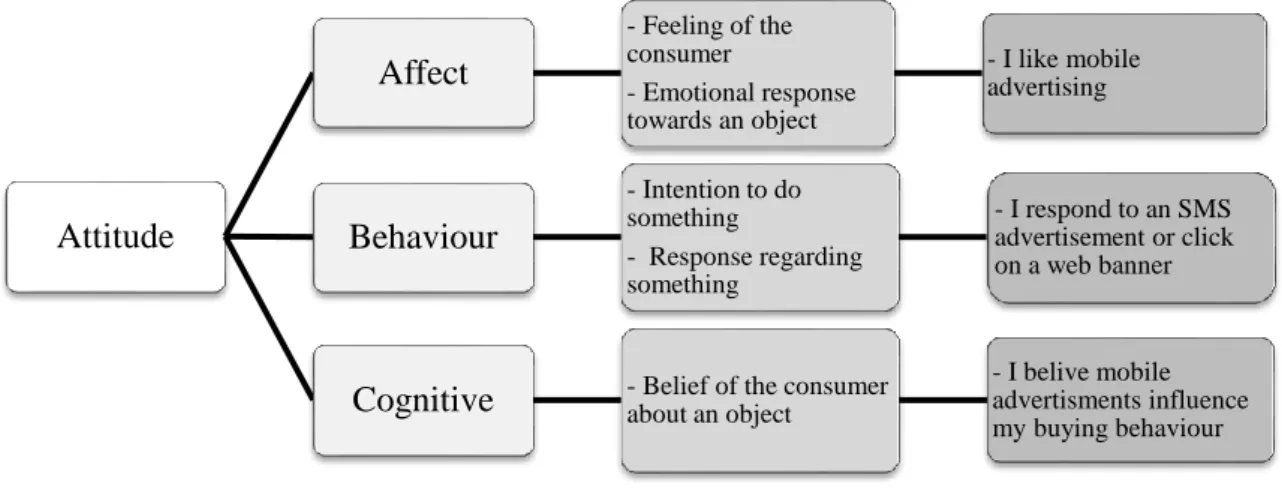
Le and Nguyen (2014) used the affect, behaviour and cognitive [ABC] model of attitudes to investigates attitudes towards mobile advertising in Vietnam, and found that consumers had moderate attitudes towards mobile advertisements. Although consumers did not have positive emotions when they saw mobile advertisements, most of them agreed that mobile advertisements helped them collect some information about products and services. The study also used the Ducoffe Extended Model [DEM] to analyse the results. The researchers found that credibility and entertainment were the only factors affecting attitudes towards mobile advertising, with informativeness and irritation not playing a part. This conflicts with Van der Waldt et al. (2009), who found that all four elements highly influence consumer attitudes towards mobile advertising.
In South Africa, Donga (2017) conducted a study to investigate consumer acceptance of mobile marketing through mobile phones among university students. The study found that mobile advertising was an evolving channel and that young consumers were aware of this medium. The main conclusion was that mobile advertising acceptance was influenced by factors such as privacy, trust, relevance, risks, location and shopping style.
Van der Waldt et al. (2009) investigated the attitudes of young consumers towards SMS advertising, using the ABC model of attitudes. The study explains how attitudes towards SMS advertising affect both the success of SMS advertising campaigns and the buying intentions of consumers who are exposed to these SMS advertising campaigns. The study concluded that it was important for marketers to understand the targeted audience, due to neutral perceptions that the youth market had towards SMS advertising (Van der Waldt et al., 2009). The study also used the Ducoffe Extended Model (informativeness, credibility, entertainment and irritation) to analyse the results and found that all four elements played an important role in influencing consumers’ attitudes towards mobile advertising.
Du Plessis (2010) identified that the youth market has adopted rich media, inexpensive mobile communication and internet-based applications. The study focused specifically on Mxit as a mobile advertising platform and concluded that Mxit was a powerful advertising tool, offering simple and affordable accessibility (Du Plessis, 2010). It also indicated that South African youth use mobile phones to interact with their family and friends and repeatedly access digital content, and that the key is to keep them interested and to communicate relevant information to them (Du Plessis, 2010). The
19 study focused on one mobile adverting platform, Mxit, laying groundwork only for that specific advertising medium.
Another South African study (Dalton, Sickle, & Weldon, 2009) describes the youth as a developed market because they use the internet to obtain any form of information they need. However, Jordaan, Ehlers and Grove (2011) caution that just because the youth are highly targeted through that medium, it does not mean that they have positive attitudes towards the advertising medium. Furthermore, youth in different contexts may have different attitudes towards mobile advertising. Therefore, this study investigates how South African youth in rural communities feel towards mobile advertising.
One of the studies conducted amongst South African university students concluded that there was a negative attitude towards SMS advertising, with the students seeing SMS advertising as irritating (Van der Waldt et al., 2009). The youth market should be reckoned with and their perceptions of mobile advertising must be of significant importance to advertisers. The youth market’s relationship with mobile advertising and online shopping should also be an important factor considered by advertisers, before they reach and communicate with them (Jordaan et al., 2011).
Looking at the above-mentioned South African studies, they are mostly done in the following provinces: Gauteng, KwaZulu-Natal and the Western Cape (and specifically in their big cities).
Accordingly, there is a lack of such research in other provinces, and specifically in rural contexts. It is important to conduct similar research in a different environment (rural) from the ones that are generally used (urban) so that it can be investigated if both rural and urban youth share similar attitudes and perceptions of mobile advertising. As previously mentioned, youth in rural environments may face unique socio-economic challenges and lifestyles (Lesitaokana, 2014), which may influence their responses towards mobile advertising. For example, rural settlements may have limited infrastructure to support online shopping/deliveries, which may affect youth attitudes towards mobile advertising. Furthermore, most previous studies have been conducted using quantitative approaches, and have been skewed towards SMS advertising and Mxit advertising (Van der Waldt et al., 2009;
Vigar-Ellis et al., 2007; Jordaan et al., 2011). The use of a different methodological approach (this study adopts a qualitative approach) may enable different perspectives on mobile advertising to be uncovered. Similarly, considering multiple forms of mobile advertising (not just SMS and Mxit advertising), as this study does, may provide additional insight. A further point of difference between this study and other studies of youth and mobile advertising is that other studies (for example, Donga, 2017; Van der Waldt et al., 2009; and Vigar-Ellis et al., 2007) have tended to focus on university- going youth only, while this study includes both students and non-students as participants.
20
2.5 Theoretical Framework
As mentioned in the preceding section, researchers have drawn on a variety of theories to frame their studies of mobile advertising. This section focuses on explaining those theories used to guide this study, and provides justification for the choice of the selected theories.
2.5.1 The Advertising Research Foundation (ARF) Model
The ARF Model was used by Tripathi and Siddiqui (2008) to measure the effectiveness of mobile advertising in India. This model was used in this study to guide the development of the focus group questions that were used to investigate the attitudes and perceptions or rural youth towards mobile advertising.
In 1961, the Advertising Research Foundation (ARF) published their first model comparing different advertising media, responding to the need in the advertising community (Harvey, 1997). The original ARF Model contained six levels of advertising effects: (1) vehicle distribution, (2) vehicle exposure, (3) advertising exposure, (4) advertising perceptions, (5) advertising communication, and (6) sales.
The model was revised in 2001, taking into account new digital media, creating two more stages and resulting in eight orderly ranked levels of advertising (ARF Committee, 2001). The revised model accommodates the following advertising effects: (1) vehicle distribution, (2) vehicle exposure, (3) advertising exposure, (4) advertising attentiveness, (5) advertising communication, (6) advertising persuasion, (7) advertising response and (8) sales response (ARF Committee, 2001).
Figure 2-1 illustrates the revised ARF Model with eight levels that can be used to measure media performance. The levels are coloured and numbered according to the increasing order of advertising relevance (ARF Committee, 2003). The levels are laid out in an easily observable format for comparison purposes, and not necessarily consecutively (ARF Committee, 2003).
21 Figure 2-1: The revised ARF Model
Source: ARF (2003, p. 334-342)
These first two levels (vehicle distribution and vehicle exposure) specify the indication of the prospective knowledge of the media among consumers. Vehicle distribution means the number of external components in which advertising is dispersed and vehicle exposure relates to the number and types of people that are exposed to an advertisement vehicle (ARF Committee, 2003). Vehicle exposure experiences different problems with measurement because it describes open eyes and ears confronted by the vehicle, but does not specify engagement (ARF Committee, 2003). When considering vehicle exposure in relation to mobile advertising, measurement techniques include online page views and not necessarily engagement with a specific advertisement (ARF Committee, 2003). Tripathi and Mittal (2008) advised that the first two levels were mostly used in the marketing communications industry. These levels help when understanding rural youth’s behaviours when exposed to online pages/web browsers and not necessarily a specific advertisement.
Once consumers are exposed to a vehicle, in this study for example, mobile advertising, they will then be exposed to a specific advertisement. The ARF Committee (2003) explains advertising exposure as the extent to which consumers are exposed to a particular commercial and not the media as such (Tripathi & Mittal, 2008; Heinonen & Strandvik, 2006). This level excludes people who are exposed to the vehicle but not exposed to the exact advertisement and it is described as the highest level of measurement (ARF Committee, 2003). However, in this study, participants were asked about their attitudes and perceptions towards mobile advertising as an advertising vehicle, and not towards a specific mobile advertisement.
22 When consumers are exposed to mobile advertisements, in this case, web banner, SMS, mobile application advertising and others, it is important to understand if they actually pay attention to this form of advertising. According to the revised ARF Model, advertising attentiveness has been contemplated to evaluate the extent to which consumers exposed to the advertising are paying attention or focusing on the advertising message (ARF Committee, 2001). This helps to identify if the rural youth actually pay attention to or focus on mobile advertisements in general. If consumers pay or do not pay attention to mobile advertising, the next step is to understand the reason behind that behaviour. This leads us to the fifth effect that is advertising communication. Advertising communication evaluates the extent to which the consumer understands and retains the message that is being exposed to them (ARF Committee, 2003). This supports the fourth level (advertising attentiveness) because if the advertisement or message being communicated if not effectively communicated, it can result in consumers paying less attention to advertising in general. Once communication is established, consumers must be persuaded by the communication or information that was communicated to them and be able to respond. This is covered by the sixth level (advertising persuasion) and seventh level (advertising response). Advertising persuasion determines the advertising response constructed by the shift in attitudes and intentions after advertisement exposure (ARF Committee, 2001). This level will help answer the research question (attitudes and perceptions towards mobile advertising) by understanding if mobile advertising influences any form of engagement after advertisement exposure. In the old model, the first level that included consumer reaction was advertising perception, that is, how many consumers noticed the advertising (Harvey, 1997). Our responsiveness to advertising refers to the fourth level (attentiveness) but continues to the fifth level (communication) and sixth level (persuasion), resulting in the conclusion that these three levels of advertising are