Perceptions of older people with regard to the old age grant: A case study of the elderly in Umlazi
By
Nokuphiwa Noluthando Bulose (214549709)
Submitted in partial fulfillment of the academic requirements for the degree of Masters in Population Studies in the School of Built Environment and
Development Studies,
University of KwaZulu-Natal Durban, South Africa
2020
COLLEGE OF HUMANITIES DECLARATION - PLAGIARISM
I, Nokuphiwa Bulose declare that:
1. The research reported in this thesis, except where otherwise indicated, is my original research.
2. This thesis has not been submitted for any degree or examination at any other university.
3. This thesis does not contain other persons’ data, pictures, graphs or other information, unless specifically acknowledged as being sourced from other persons.
4. This thesis does not contain other persons' writing, unless specifically acknowledged as being sourced from other researchers. Where other written sources have been quoted, then:
a. Their words have been re-written but the general information attributed to them has been referenced
b. Where their exact words have been used, then their writing has been placed in italics and inside quotation marks, and referenced.
5. This thesis does not contain text, graphics or tables copied and pasted from the Internet, unless specifically acknowledged, and the source being detailed in the thesis and in the References sections.
Signed
………
Date
……….
Abstract
Old age pension serves as a poverty alleviation strategy in many poor households in South Africa. Many households in urban areas are plagued by poverty and are headed by the elderly who are often pensioners. Often the pension is the main source livelihoods for many households. With the high unemployment rate in our country this has only resulted in a great deal of financial stress within households. Initially the old age pension was made to facilitate older persons’ independent living and used to assist poverty stricken households. The aim of this study was to explore the perceptions of older people with regard to the old age grant. The study adopted a qualitative approach using semi-structured interviews conducted with fifteen participants (eight older women and seven older men) who were recipients of the old age pension. The interviews revealed that the elderly were very grateful for the old age grant. The main reason the elderly were grateful for receiving the grant was because they were able to provide for their families. This study found that not only did the pension assist with food expenses, but it also allowed them to pay for household expenses. The pension also assisted with the payment of the grandchildren’s school fees, their health and clothing expenditures.
However, the meagre amount of the pension was a major challenge as it was not sufficient to cover all their needs and it resulted in unending debts. Regardless of these challenges, the pensioners continued to persevere as their families depended on them. The South African government should extend the social security provision as it would serve the older person well in meeting their needs sufficiently.
ii
Dedication
This study is dedicated to my selfless mother, my brother Phillip and aunt Thembile.
Acknowledgements
Firstly, I would like to thank God, my savior who has carried me throughout this journey. It is indeed through his mercy that this study was made possible.
I would like to thank my supervisor, Professor Pranitha Maharaj for her support, quick responses and full co-operation throughout this journey. It is highly appreciated.
To my family, especially my mother, for her constant support and encouragement that held me together.
To my friends, you guys have been my pillars of strength.
To Mr Mngwengwe and all the older people in Umlazi, M section, thank you for your reliability and assistance.
ACRONYMS
AIDS Acquired Immune Deficiency Syndrome CDG Care Dependency Grant
CSG Child Support Grant
DFID Department for International Development DG Disability Grant
FCG Foster Care Grant GIA Grant-In-Aid
HIV Human Immunodeficiency Virus OAG Old Age Grant
SASSA South African Social Security Agency SDG Sustainable Development Goals UN United Nations
WHO World Health Organization WVG War Veteran Grant
Contents
CHAPTER ONE: ...1
INTRODUCTION ... 1
1.1 Introduction ...1
1.2 Background to the Study ...3
1.3 Motivation of the study ...5
1.4 Objective of the Study ...5
1.5 Theoretical Framework ...6
1.6 Organisation of the study ...9
CHAPTER TWO: ...10
LITERATURE REVIEW ... 10
2.1 Introduction ...10
2.2 Social protection ...10
2.3 Cash transfers...13
2.4 Grant Benefits ...15
2.5 Living arrangements ...23
2.6 Empowerment ...24
2.7 Challenges ...26
2.8 Summary ...31
CHAPTER THREE: ...32
RESEARCH METHODOLOGY ... 32
3.1 Introduction: ...32
3.2 Study Area ...32
3.3 Research Methodology and Design ...35
3.4 Sampling Strategy ...36
3.5 Data Collection ...37
3.6 Methods of Data Analysis ...37
3.7 Ethical Consideration ...38
3.8 Limitations ...40
3.9 Summary ...40
CHAPTER FOUR: ...41
RESULTS ... 41
4.1 Introduction ...41
4.2 Background characteristics ...41
4.3 Awareness of old age grant ...43
4.6 Usage of the grant ...45
4.7 Dignity and source of income ...47
4.8 Improved self- esteem, personal status of the elderly ...48
4.9 Poverty Reduction ...49
4.10 Disadvantages of the grant ...50
4.11 Decision making ...55
4.12 Challenges faced by OAG recipients ...56
4.13 Additional source of income ...59
4.14 Resilience in older people ...60
4.15 Summary ...61
CHAPTER FIVE:...62
DISCUSSION AND CONCLUSION ... 62
5.1 Introduction ...62
5.2 Discussion ...63
5.3 Recommendations ...72
5.4 Conclusion ...74
REFERENCES ...75
APPENDICES ...93
APPENDIX 1: Interview Guide ...93
APPENDIX 2: Ethical Clearance ...95
APPENDIX 3: Information and Consent Form ...96
APPENDIX 4: Consent Form (IsiZulu)……….99
List of Figures and Tables FIGURES
Figure 1.1: The ecological systems approach………..7 Figure 3.1: Map of Umlazi………. 34
Figure 3.2: Houses in the area of Umlazi………34
TABLES
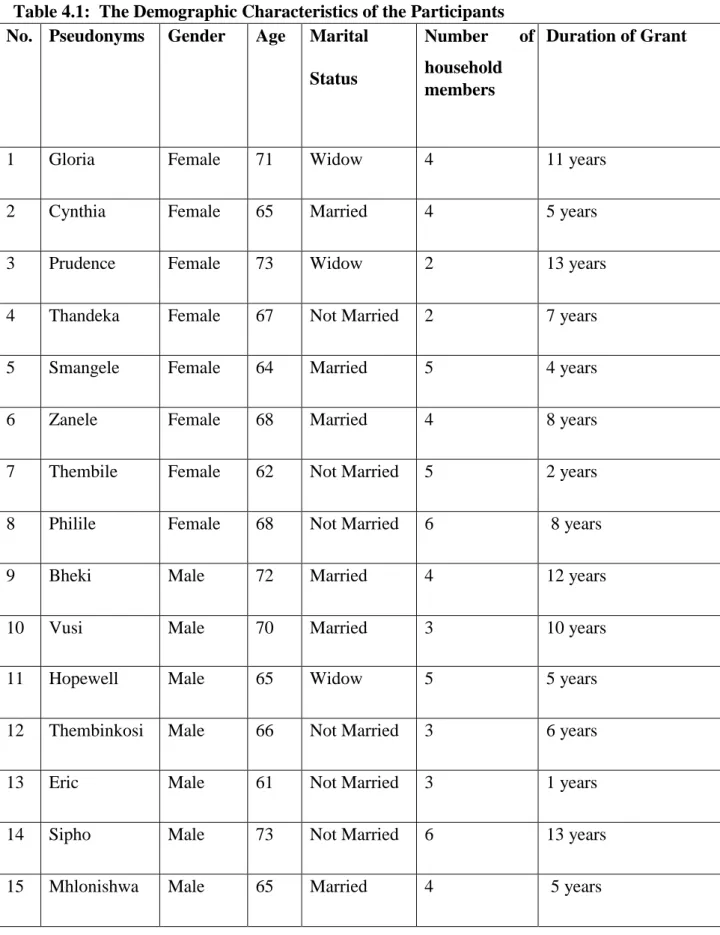
Table 4.1: The Demographic Characteristics of the Participants………42
CHAPTER ONE INTRODUCTION 1.1 Introduction
According to United Nations Population Division (2017) during the next five decades, the number of persons in the world expected to live up until the ages of 60 years or older is likely to triple in size. The global population aged 60 years or older was 962 million in 2017, in comparison to 382 million in 1980. In 2017, one in eight people worldwide was aged 60 years or over, but by 2030, older persons will account for one in six people globally (United Nations, 2017). The ageing population is growing fast in many countries and they play a significant role in development. Globally, during 2010-2015, women outlived men by an average of 4.6 years. As a result, women accounted for 54% of the global population aged 60 years or over and 61% of those aged 80 years or over in 2017 (United Nations, 2017). This suggests that women live longer than men (United Nations, 2013). Older people are categorized as the most vulnerable group in society. Sub-Saharan Africa has the highest proportions of older population, with 13.3% aged 50 years and older (Peltzer et al, 2012).
This provides reason more reason for studies to look into the social determinants of their health and wellbeing. Some older people tend to be isolated from societies as they are considered as a burden, boring and frail (Kasiram and Hölscher, 2015). Their voices and perceptions are often disregarded, even though they go out of their way to help their families financially.
Ageing is a process of change, it is permanent and associated with the weakening of the human body. An older person can be defined as an individual who is 60 years old or older (United Nations, 2013). The elderly are usually characterized as being fragile, this is due to the deterioration of their bodies that, in most cases, results in health problems. The most prevalent chronic diseases affecting the elderly are psychiatric disorders such as dementia and depression, alongside diabetes, cancer and cardiovascular diseases (Peltzer et al., 2012). The elderly are more likely to have poor health and have higher mortality rates (Makiwane and Kwizera, 2006). However, due to recent technological advancements in medicine and health sciences there has been a decrease in morbidity and mortality rates (Neily et al., 2010). As a
result, this has led to a better chance of survival for senior citizens worldwide leading to better quality of life.
Some older people are often characterised as a burden as they require people to care for them throughout their illnesses and to transport them to health care facilities for medical appointments and check-ups.
In South Africa, persons aged 60 years old and above are eligible to receive a pension to assist them with their needs (United Nations, 2013). However, at first, men were eligible at age 65 and women at age 60, but after 2008 eligibility was equalized for men and women at the age of 60. In South Africa, the pension was introduced in 1928, but it primarily existed for the White and Coloured populations at that time and later in 1944, the pension was expanded to the Black population. The Social Assistance Act, No. 13 of 2004, and the Social Assistance Amendment Act, No. 6 of 2008, regulate old-age pensions in South Africa (Lombard and Kruger, 2009). The old age pension in South Africa is guided by the Social Assistance Amendment Act, No. 6 of 2008 and the Older Person Act (No. 13 of 2006), which aims to protect vulnerable older persons by providing for their needs and protecting their dignity to enable them to maintain their independent living (Makiwane and Kwizera, 2006).
A non-contributory, means-tested old age grant is targeted to assist the vulnerable older population. A means test determines whether an individual is eligible to receive government assistance based on individual possessions. The old age pension of R1 700 per month is obtained through a means-test, for people who are 60 years and older (SASSA, 2017). Cash transfer systems in South Africa consist of seven types of grants which are namely: old age grant (OAG), disability grant (DG), war veterans grant (WVG), care dependency grant (CDG), foster care grant (FCG), child support grant (CSG) and grant-in-aid (GIA).
The South African Social Security Agency Act, Act No. 9 of 2004, makes provision for the establishment of the South African Social Security Agency (SASSA) which assists with the administration and payment of social assistance (SASSA, 2017).The application process for the old age grant requires the older person who has reached their age of eligibility to report to their nearest South African Social Security Agency (SASSA) offices to apply for the old age
grant, where the application process will take place in the presence of a social security official (SASSA, 2017). The qualifying requirements include that the applicant must be a South African citizen, permanent resident or refugee; the applicant must be 60 years or older;
spouse must comply with the means test; and the applicant must submit a 13-digit bar coded identity document or the Smart Identity Document (ID) card (SASSA, 2017:3). Without these required documents, the application process is not possible.
Pensions received from the government provide financial assistance not only to the individual but also families (Makiwane and Kwizera, 2006). With the unemployment rate being at 27.6% (Statistics South Africa, 2018), the elderly, grandmothers in most cases, usually play the role of being their grandchildren’s primary caregivers. In some households, the elderly also play the role of primary breadwinner (Makiwane and Reddy, 2013). As a result, the rest of the household is highly dependent on the old age pension. This leads to the needs of the elderly person who receives the grant to be shifted aside due to other competing, household expenses. It is important to acknowledge the perspectives of older people as this would assist in reformulating policies that would directly serve their needs as the older population.
1.2 Background to the Study
The South African Constitution (Act 108 of 1996) provides the foundation for the transformation agenda of the new democracy to protect the human rights of older persons. It further seeks to terminate all forms of racial discrimination and inequality that had been placed against them during the apartheid era. Poverty is a multidimensional concept capturing a wide range of definitions which may include deficits in income or consumption, deprivations, social exclusions and a lack of various capacities (Mbuli, 2008). Studies suggest that the old age pension is not only used to support beneficiaries, however it is also used to provide broader support such as providing food for the household and treatment for ill members within the family (Ralston et al., 2016). Furthermore, the old age pension is able to provide an income to poor households and able to contribute in alleviating poverty in South Africa (Ralston et al., 2016). This study looked at whether their pension money is used accordingly to provide for their personal needs and these include food and healthcare.
The notion behind co-residence is centred on the needs of older people. Co-residence can be described as sharing a place to stay or living together with other family members. However, research has found that co-residence is naturally a mutual benefit to both generations (Chan, 1997). The living arrangements of the elderly are an important factor to their well-being.
Living arrangements of families with older people can sometimes be characterised as a critical situation as the well-being of the older person may not be presented in a positive light due to their preferences and opinions not being paid attention to (Ren and Treiman, 2015). In society it is often expected that older people should receive financial assistance from their adult children (Bell et al., 2015). However, in some countries with social security programmes, older people take care of their family’s financial needs with their pension money (Ko, 2019). According to Hashimoto (1991) research has found that older people in developing countries make significant contributions to their family’s well-being, in ways that range from housekeeping to childcare. In some families, the elderly are faced with challenges such as not having financial freedom and full control over their finances. It is unfortunate that their vulnerability is taken advantage of even by their own family members, as there has been evidence showing that their pension money is taken by family members without their knowledge (Makiwane and Kwizera, 2006). In addition, a study in the Philippines by Natividad and Cruz (1997) established that numerous older people, including those co- residing with their children preferred living alone or with a spouse only. Natividad and Cruz (1997) further indicated that older people were not satisfied with their living arrangements and their needs were not attended to. However, they still continue to live with their children and grandchildren as they are usually the primary breadwinner of the family.
The old age pension which is received by the majority of the older persons in South Africa aims at reducing household poverty rather than promoting the independence of the older person (Ralston et al., 2016). The majority of the elderly are responsible for being caregivers and this comes with many other obligations (Ko, 2019). As a result, they end up facing financial hardships of having to share their income with the intergenerational household (Ko, 2019). The Older Persons Act (No. 13 of 2006) aims at empowering and protecting the elderly while promoting and maintaining their status, rights, well-being, safety and security.
This study explored the perceptions and experiences of older people with regard to the old age pension.
1.3 Motivation for the study
The rights of the older person are protected by the South African Constitution Act (Act 108 of 1996). The older people are often regarded as the most vulnerable group in the society.
However, the elderly are easily taken advantage of, in some cases by family members who are dependent on the older person’s pension, where decisions are taken for them with regard to the old age grant. Dube and Charowa (2005) stated that the elderly suffers certain issues such as social exclusion, marginalisation, vulnerability, powerlessness and isolation. The old age grant ensures food security for many families; it improves the beneficiaries and household member’s health (Ralston, 2016). People who were born outside of South Africa are disadvantaged from these benefits (Ralston, 2016). The old age grant being the only income within a household can create a sense of laziness for adults within the household to not seek employment opportunities. However, it is possible that, the old age grant is not enough to cover the needs of the grant beneficiaries and the rest of the household members.
There has been a neglect of older people in this respect, therefore discovering the experiences and perceptions of the old age pension recipients is of importance.
1.4 Objective of the Study
The overall objective of the study is to explore the perceptions of the elderly with regard to the old age grant.
The specific objectives of the study:
• To explore the attitudes towards the old age grant
• To ascertain the main purposes of the usage of the grant
• To investigate some of the challenges faced by the elderly in relation to their old age pension.
The research aims at answering the following key questions:
• How does the old age grant protect and preserve the dignity of the elderly?
• What factors influence their choices with regards to the old age pension?
• What challenges are faced with regard to the old age grant that affect the elderly?
1.5 Theoretical Framework Ecological Systems Perspective
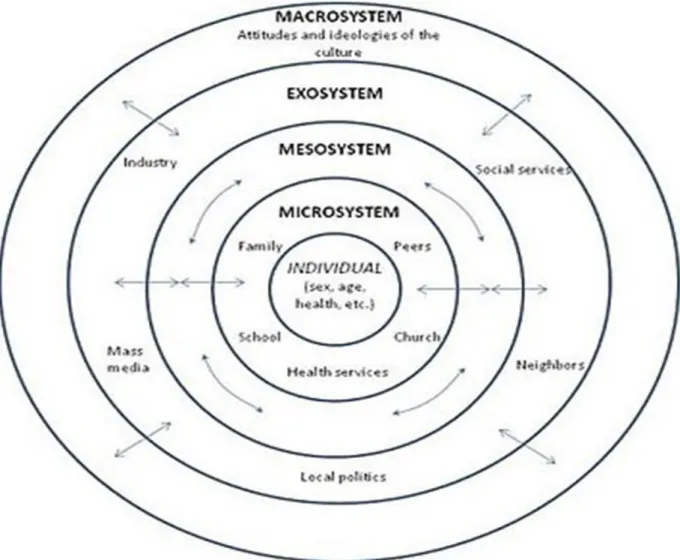
This study uses the ecological systems perspective to understand the perceptions of the elderly. This theory has guided this study to explore the complexity of older people’s perceptions with regard to the old age pension and the factors that influence older people’s decisions. The ecological systems theory offers an understanding of human behaviour in the social context. It further views an individual within an organized whole of their situation in terms of the four levels (Brofenbrenner, 1986). The ecological systems perspective consists of four spheres which are the micro, meso, exo and macro level. The micro system includes institutions and groups that directly impact an individual such as family, school and church.
The meso system includes interconnections between micro systems and the macro system which includes the government and national policies (Meyer and Mattaini, 1995). The micro level helps identify the factors that influence the decisions of older persons with regard to the old age pension, the meso level would be the challenges they face with regard to their old age pension and the macro level would be the governmental structures and facilities which render the services to the elderly people. The ecological approach was used in this study as it focuses on the wholeness, interdependence, and complementarity of human beings.
Figure 1.1: The ecological systems approach
Source: Pacquett and Ryan (1990)
The microsystem deals directly with the closest environment of the individual being the inner core of the subsystem which is close to the individual experiencing a situation (Pacquett and Ryan, 1990). In this sub-system, older people have closer relationships with their children, grandchildren and family members who reside with them. Bronfenbrenner (1979) focuses on the development of a human being and the process of their growth as well as their influences as they grow older in society. The ecosystems perspective emphasizes family, friends, partner and other close family members that have a huge influence on the individual’s behaviour such as their health, well-being, decision-making processes as well as other aspects relating to them. The second level of the subsystem is known to be the mesosystem. According to Pacquett and Ryan (1990), this second level consists of relations in between the macro and
the microsystem which are institutions and social services around the community. The mesosystem is a system of microsystems. For this study there is a combination of the mesosystem and the exosystem which includes governmental structures and policy-making organizations. In addition, the formulation of these policies affect the individual’s behaviours (Paquett and Ryan, 1990).
The macro system is the outmost layer of the ecosystem and it is a societal blueprint for a particular culture, subculture or other broader social context (Bronfenbrenner, 1989).
Moreover, the macrosystem does not have a diverse framework but it embraces a range of cultural values, traditions and laws. The significance of the macrosystem is that it penetrates throughout all the layers using a bottom-up approach. Societal blueprint also comprises of certain behaviours of institutions and social services environment which occurs at the mesosystem level. The experiences of individuals, families and communities are guided by norms therefore they receive access to services from government institutions and this occurs in the macro system (Paquett and Ryan, 1990). The macro level has a huge influence on the lives of the elderly because these structures are ones that have the power to increase or decrease the old age grant.
The ecological framework pays attention to “the mutually influential and dynamic transactions among individuals and diverse environmental contexts that shape continuity and change in functioning across the life span” (Greenfield, 2012: 2). The ecological systems theory considers how the person–environment transactions impact on the individuals’
functioning over a period of time (Greenfield, 2012). This portrays the importance of being informed about the preferences of older persons when it comes to living arrangements as the environment around them plays a huge role in their growth and well-being. The ecological framework outlines different types of environments that can hinder or simplify an individuals’ development (Bronfenbrenner, 1994). This framework explains the importance of the environment the elder person is placed in as it has a huge impact on their well-being.
This ecological framework has looked at the different levels (microsystem, mesosystem, exosystem and macro system) and intervenes using the bottom-up approach starting with the individual right through to the policy-making decisions.
This study looked at the processes that the elderly have to go through to secure a living for their family members within their household despite the challenges that they face. It further looks at how they maintain this lifestyle over time by capturing their personal experiences.
This study also looks at how policies put in place protect the elderly as a whole. The study also looks at the importance of the older people in society, the challenges they face as the aged generation especially when it comes to their pension as they are unable to make decisions on behalf of their economic status as well as issues which may make them feel unwanted or isolated.
Poverty is one of the socio-economic issues affecting different countries worldwide.
However, there have been strategies used by government to attempt to eradicate poverty such as the old age grant. The use of the old age grant as a source of income is not entirely appropriate due to older people having their needs shifted, once these needs are shifted aside to accommodate other household expenses, their lives become challenging. This study also informs the macro structures to be more effective and to respond better to the challenges that are faced at the micro level.
1.6 Organisation of the study
This study is divided into five chapters. Chapter one comprises the introductory chapter of this study. It provides the background of the study, the objectives of the study and the theoretical framework informing the study. Chapter two provides the literature review which is divided into four themes which constitute the objectives of the study. Chapter three discusses the research methodology of the study, outlining the research design, and data collection tools that is used. This chapter also discusses the sampling strategy and the approaches used for data analysis. Chapter four summarises the key findings from the interviews conducted in Umlazi, Durban. Chapter five concludes the whole research study, by summarising the major findings and recommendations of the study.
CHAPTER TWO LITERATURE REVIEW
2.1 Introduction
The ageing population is growing rapidly, and between 2017 and 2050, the number of older persons is expected to grow fastest in Africa with a projected 229% increase followed by Latin America and the Caribbean (161%), and Asia (132%) (United Nations, 2017).
Social protection plays a fundamental role in the reduction of poverty and the promotion of development particularly among all generations through social transfers. Social transfers fall under the umbrella of social protection and this has sparked an interest in governments to commit to the expansion of these social security programmes which aim to address socioeconomic issues faced by many countries. These social transfers help maintain and sustain livelihoods in different households through the improvement of food security and healthcare.
Social security programmes are a set of policies created to reduce poverty and vulnerability among generations (ILO, 2017). Social security programmes can be considered as one of the largest cash transfer programs in South Africa which aims to address poverty and other socioeconomic issues. Social security programs allow people to age well with income security. This chapter looks at factors that have an impact on social protection for the elderly and the difficulties older people face as pension recipients with regard to their old age grant.
2.2 Social protection
Social protection can be defined as a government measure that provides cash benefits to ensure income security and healthcare. Social protection can be described as the ability of the government to protect people from social issues such as poverty which negatively impact their quality of life (Rogers and Pridemore, 2013). Social protection covers basic healthcare and offers social services to provide family support particularly among children and adult
dependents caregivers (ILO, 2014a). According to the Ministry of Gender, Labour and Social Development (MGLSD), the term social protection refers to public and private interventions to address the risks of the poor and the vulnerable which may expose these individuals to income insecurity resulting in undignified lives. Furthermore, social protection is a basic service and a human right which certifies the dignity of people (MGLSD, 2014). This basic right is guaranteed under section 27 of the Constitution which recognizes the basic right to social security. It states that all South Africans “have the right to social security, including, if they are unable to support themselves and their dependents” (RSA, 1996: 11).
Social protection secures protection through nine main areas which include child and family benefits, maternity protection, unemployment support, employment injury benefits, sickness benefits, health protection, old-age benefits, disability benefits and survivors’ benefits (ILO, 2017). Social protection systems address all these policy aspects through contributory programmes (social insurance) and non-contributory tax financed social assistance (ILO, 2017). However, this study focuses on unpacking the concept of old-age benefits received from social pensions.
The concept of social protection as a policy tool for promoting development and eradicating poverty was regarded as a milestone in the 2000s (ILO, 2017). The international agreement revealed the significance of social protection as the main policy instrument for promoting the enhancement of human well-being, this occurrence was strengthened by the implementation of the 2030 Agenda (ILO, 2017). This is in line with the Sustainable Development Goal (SDG) which states that poverty should be eradicated in all its forms, therefore governments have committed to implementing and promoting social protection systems for all, including social protection floors, with a focus on the extending coverage to the poor and the vulnerable (ILO, 2017).
In Africa there are social safety nets which are known as social insurance and social assistance programmes to protect the poor and the vulnerable (Beegle et al., 2018). Social insurance is a contributory system which secures an income security for life after retirement
and social assistance is known as social services providing care and protection to vulnerable groups such as the elderly through non-contributory transfers (Beegle et al., 2018). These programs fall under a larger social protection system which include social pensions. Social pensions can be defined as “periodic payments awarded upon reaching a specified age (and also often meeting other prescribed entitlement conditions) which are then paid throughout the remainder of the beneficiary’s life” (Böger and Leisering, 2017:3). Social protection is broader than social security because it also includes development strategies aimed at ensuring an adequate standard of living for all citizens (Taylor, 2002). Almost every country in Africa has at least one form of social safety net programme. Social protection takes the form of cash transfers in many countries, the aim of these transfer programmes is to reduce poverty as a result of low profits by providing instant cash to families (Miller et al., 2010). In the absence of social protection, the high risks of falling below the poverty is associated with those who are most vulnerable people in society (Olivier and Kalula, 2004).
Population ageing in low- and middle-income countries (LMIC) has shifted its attention to the well-being of older people (Zimmer and Das, 2014). A right that has not been rewarded to many older persons in other countries, however, plans to reach universal coverage being put in place (ILO, 2014). Many countries, including Zambia, Kenya and Uganda are working towards the extension of social protection programs to fight poverty and to protect vulnerable older individuals from financial hardships (HelpAge International, 2015). This is also evident in South Africa, where social pensions have become a poverty alleviation tool for many households rather than a means of income security for the elderly to sustain their livelihoods in which the old age grant is intended for (Dhemba, 2013). In South Africa, the elderly have two types of sources of income which are the old age pension and private pension. However, it is not uncommon that due to poor earnings the working class are unable to save properly for their retirement therefore they rely on government public pensions (National Planning Commision, 2013).
There has been substantial progress globally in making sure that older persons receive a pension, with about 34 countries covering more than 90% of the population above the statutory pensionable age in 2000, and 53 countries in 2016 (ILO, 2017a). Social protection
expenditure for older persons is highest in Northern, Southern and Western Europe, at 10.7%
of Gross Domestic Product (GDP), and lowest in South-Eastern Asia, at 1.4 of GDP (ILO, 2017a). Older persons are often the only members of the family generating an income through their social pensions within a household and providing care to their families.
2.3 Cash transfers
Cash transfers can be referred to as the direct provision of money to an eligible person from the government aiming to reduce vulnerability and poverty (Woolard and Leibbrandt, 2013).
Cash transfer programmes are social-protection policies that provide regular cash payments to vulnerable families with the overall aim of alleviating poverty (Burchi et al., 2018). Cash transfer programs are the main source of income that the household are highly dependent on, as they provide assurance that basic needs would be provided. In one study in South Africa the impact of cash transfer programmes was monitored through the height and weight of the children living in intergenerational households (Woolard and Leibbrandt, 2013). This study found that cash transfers improved the livelihoods of those who were faced with extreme poverty (Woolard and Leibbrandt, 2013).
In developing countries cash transfers are common in many countries in Latin America, including Mexico and Brazil and has expanded to other countries like India (Randive et al., 2013). In India, social security known as the Indira Ghandi National Old Age Pension (IGNOAP) is an unconditional cash transfers which targets the elderly and the poor (Unnikrishnan and Imai, 2019). This programme has assisted the elderly and their families. In Jamaica, the older adults receive a cash transfer and free medical care. Access to the grant has led to improvements among the elderly by increasing well-being and household food expenditure (Unnikrishnan and Imai, 2019).
Social protection in Zimbabwe is shared among family members. There are two main social protection measures known as the public assistance and the pension. The public assistance programme is managed by the Department of Social Services which aims to provide for the
elderly and other vulnerable groups in society (Dhemba, 2013). The public assistance programme is a non-contributory, means-tested allowance to support the elderly and the poor.
It assists them with their needs, and they receive benefits such as free healthcare. The National Social Security Authority (NSSA) in Zimbabwe is a contributory and compulsory pension to secure income security after retirement (Dhemba, 2013). NSSA runs two programmes under it which are called Pension and Other Benefits (POBS) which provides old age pensions, disability pensions, survivor’s benefits and funeral plans (Chikova, 2013).
It covers all employees working in the formal sectors in Zimbabwe (Chikova, 2013).
In Uganda the social pension is known as the Senior Citizen Grant (SCG), which was established for all older people above the age of 65 years. It aims to protect and improve the well-being of the elderly, without them having to contribute towards the pension. Each year this programme is expanded to five more districts until their goal of national coverage is achieved (Kuss and Llewellin, 2016). Evidence on Senior Citizen Grant’s capacity to provide growth at the micro-level has improved through productive outcomes (Munyambonera et al., 2018).
In Sub-Saharan Africa social pensions are the only reliable source of income compared to the contributory pensions which are considered to have low rates of receipt (HelpAge International, 2015). However, the main objective of the grant is to assist older individuals to sustain their lives even after exiting the labour market (ISSA, 2016). The purpose is to protect older individuals from falling into poverty even when they are unable to work including those that are poor and vulnerable. The old age pension has shown a considerable amount of impact as the urban beneficiaries portrayed improvements in consumption, even though more attention is focused on the area of health as well as other general goods (Konkolewsky, 2017).
Cash transfer programs have increasingly generated a huge impact on global development goals which are known as the Sustainable Development Goals (SDGs), such as those relating to child mortality, hunger, health and education (Zembe-Mkabile et al., 2015). Cash transfer
programs are seen as the cornerstone of poverty alleviation strategies, especially with the implementation of child support grant (CSG) which aims at reducing poverty amongst children aged 0 to 18 years old. The CSG is mainly used to purchase food, school fees and school uniforms for the children, the grant has been associated with improved nutritional status, enrolment in schools and reduced child hunger (Zembe-Mkabile et al., 2015).
However, CSG recipients are often negatively characterized as too lazy to find employment due to their dependence on this cash transfer, however, there have been no links found between the CSG and low participation in the labour force (Noble and Ntshongwana, 2008;
Noble, Ntshongwana, and Surender, 2008; Surender et al., 2010). This illustrates that an income is essential to top-up the grant to accommodate all household members. For most poor families, this form of cash transfer is important because it is consistent and dependable as it is the only source of income in the household.
In an extensive analysis of social grants (old age, disability and child support) in South Africa, Samson et al. (2004) found that these social security programs play a vital role in reducing poverty and promoting social development. Therefore, all cash transfers are fundamentally a poverty alleviation measure, helping older people, the unemployed, single parents, migrants, and children (Madhavan et al., 2017).
2.4 Grant benefits 2.4.1 Poverty alleviation
In middle-and low-income countries poverty in old age is a common issue. In a country faced with high unemployment and a large prevalence of HIV, the old age pension has been a positive development in particular with the economic challenges facing South Africa (Mugomeri et al., 2017). Poverty is an underlying factor that results in the grant money not being adequate to fulfil the needs of the elderly, let alone the household. The old age grant plays a vital role as a poverty alleviation strategy (Burns et al., 2005).
The grant not only reduces the recipient’s level of poverty, but also decreases the possibility of them falling below the poverty line (Eagle, 2007). According to Burns et al. (2005), old age programs have a positive impact as they examined the South African non-contributory social pension and found that it had a clear impact on poverty. More evidence was discovered that the income received by the old age pension recipients was shared with other household members (Burns et al., 2005). Although the grant is paid to the individual, it often subsidizes the entire household (Moller and Devey, 2003), with some of the elderly being the only members of the family who have an income to support the whole household due to high unemployment levels across the country. Madhavan et al., (2017), reported that unemployment rates in South Africa are rapidly increasing and ranged from 25% to 40%
(depending on the definition used). Statistics South Africa (2019) reported that the unemployment rate increased to 29% in 2019, from 27.6% in 2018, which serves as an indication of the number of families living below the poverty line. The unemployment rate has only risen since 2003 till today. Some studies portray the old age grant as contributing to the high unemployment rate by assisting the younger generation who are potential workers (Madhavan et al., 2017). The pension plays a vital role especially in closing the gap of unemployment felt by many households because the elderly are able to take care of their households using their grant money. The pension assists with covering the basic needs of the household such as food, healthcare costs and also, school-related expenses for the grandchildren (Madhavan et al., 2017). Studies show that the majority of older persons spend half of their pensions investing in their grandchildren with the hope of enhancing their capabilities and future productivity (Madhavan et al., 2017). For example, in Brazil and South Africa over 80% of pensioners share their pension with other members of the family but mostly with their children (Madhavan et al., 2017). In Uganda most children live with the elderly or they are indirectly supported by them. In the absence of employment, grants provide essential support, however being employed is the better preference as an income would look out for all the needs of the entire household (Surender et al., 2010). For the first time in some older women’s lives the pension is a stable and consistent income for them (Ralston et al., 2016). There are many cases of older persons taking care of their children and grandchildren using the old age pension and this has had a positive impact in households.
Statistics indicate that for every grandmother receiving a pension, 20 people are supported with the money (Mallard, 2007).
Long-term unemployment levels remain high in many countries, and unemployment growth is an alarming phenomenon. Statistics show that 43% of unemployed young people worldwide are not in the labour market and this is a serious issue (ILO, 2015). This issue is an important factor because it increases poverty. ISSA (2016) states that the youth play a significant role for national economies and are considered as important economic drivers.
With the increased number of unemployed youth, this action serves as a restriction to economic activity and growth especially in households. The issue of youth unemployment continues to be less examined with regard to social security. One of many challenges faced in developing countries is unemployment, which continually affects poverty-stricken households, the labour markets are often greater and the structural nature of some of these make them unmanageable (ISSA, 2016). Due to high unemployment rates and low economic activity there are reduced resources to fund social pensions (Hinrichs, 2018).
Social security serves as a poverty alleviation strategy in both developing and developed countries. Social security seeks to sustain the livelihoods of the elderly. According to Lusardi and Mitchell (2011), social security has rapidly reduced poverty among the elderly in the United States, as people develop their retirement plan while they are still in the labour force to ensure security. In South Africa, the old age grant has reduced the incidence of poverty by 48% (Booysen, 2004). However, the study found that social security is not enough to sustain the lives they would desire to live because the money is used on other important items such as food (Lusardi and Mitchell (2011). In contrast with South Africa the levels of poverty are slowly decreasing, with assistance from the old age pension, even though the pension may be a small amount to sustain household needs however it manages to keep the household from falling into extreme poverty (ISSA, 2016). In South Africa, the majority of the population is faced with the issue of unemployment, but the pension income helps decrease this pressure within a household (ISSA, 2016b).
The Madrid International Plan of Action on Ageing was a huge encouragement that led to many countries examining whether social pensions have an effect on poverty reduction (Bello
et al, 2008). Lund (1999), identified social pensions in South Africa as having a significant effect on poverty. Moreover, a similar analysis carried out by Barrientos (2005) comparing Brazil and South Africa’s pension programmes found that social pensions reduce the incidence of poverty among the elderly and their households. Likewise, in Kenya positive outcomes from social pensions have been revealed through the reduction of poverty (Ward et al, 2010). It has been noted that households with an older person are more likely to receive greater assistance in lowering poverty levels than other households receiving help from other households or organizations (Omilola and Kaniki, 2014).
In Hong Kong poverty rates among the elderly decreased from 32.47% to 30.67% after the implementation of the Old Age Living Allowance (OALA) which was established in 2014 and is a mean-tested programme (Kuhner and Chou, 2019). In Mexico, there are a few social security programs such as food assistance and cash transfers programs which are targeting older people residing in low-income households (Pestieau et al., 2010). In addition, the noncontributory pension program has reduced poverty and vulnerability (Pestieau et al., 2010). A comparative study among Colombia, Costa Rica, Chile, Dominican Republic, El Salvador, Honduras, Panama, Paraguay, Peru, and Uruguay indicated that poverty levels were reduced among the older generations through non-contributory pensions (Aguila et al., 2018).
This is in line with a study by Kaushal (2014) which explored the national old age pension program, which is a non-contributory program in India.
This study identified an increase in the expenditures of beneficiaries, almost equal to the cash transfer amount. Health and education were the main reasons for this increase which revealed the positive impact the pension has for future generations (Kaushal, 2014).
2.4.2 Health
As people grow older, they face physiological changes which make them become more vulnerable to chronic illnesses and age-related disabilities. Research shows that more than 46% of older persons worldwide live with a disability (WHO, 2012). Many older people are more likely to experience illnesses due to their age and level of well-being, which is influenced by their nutrition and access to medical care. Many South Africans cannot afford
private medical assistance, including older people (Chigali et al. 2002), with most relying on public health care which is free for South Africans (Burns et al., 2005). This highlights the importance of monitoring older people’s health status, as they are at a higher risk of facing health complications, particularly, if they have poor nutrition.
Personal income boosts one self-esteem and it assists older people to afford the costs of medication and treatment. However, there is a strong belief that old age pensions should enhance older people’s health status, but this depends on many other factors (Lloyd-Sherlock and Agrawal, 2014). These include how the pension is used by the beneficiary (LloydSherlock and Agrawal, 2014). Evidence shows that pension use among the household members is an extensive practice in developing countries (Barrientos et al., 2003;
LloydSherlock, 2006). However, despite these reflections, it is evident that pensions benefit older people’s health. Research in Brazil found that old age pensions are associated with improved access to treatment and health services (Schwarzer and Querino, 2002). A study conducted in India identified that 91% of pensioners stated that part of their benefits were spent on healthcare and this resulted in improved health status (Government of India, 2009).
In South Africa, there are a few studies indicating that pensions have a considerable effect on the health status of the elderly. Evidence shows that South African women’s health status was found to improve upon reaching the age of pension eligibility (Case and Wilson, 2000). This evidence presented above, portrays that if older people’s financial needs are met, this allows them to access health facilities, in turn meeting all their health needs (Lloyd-Sherlock and Agrawal, 2014). There is a strong relationship between poor health and household poverty.
Maintaining good health of the elderly enhances the capacity to generate economic activity in order to contribute to the household. This also reduces the burden of being cared for by family members (Barrientos and Lloyd-Sherlock, 2002).
The old age pension is a cash transfer scheme that helps to sustain and maintain the livelihoods of the household (Woolard and Leibbrandt, 2013). According to Mugomeri et al.
(2017), the old age pension has improved the lives of the elderly and their family members.
Research shows that the pension has a huge impact on the health and well-being of household
members (Smith et al., 2018). Most importantly the old age pension was designed to improve the quality of life of the elderly.
Health is an important factor in the older person’s appraisal of their quality of life and overall well-being (Smith et al., 2018). A study of older people living independently in South Africa found that they lack access to suitable health care and rarely make use of these healthcare services as a result of receiving inadequate care (Peltzer et al., 2012).
The healthcare system in South Africa continues to be strained due to delays by poor leadership, few healthcare workers and lack of resource distribution (Kelly et al., 2019). A study by Chigali et al. (2002) in Mfuleni Township, Cape Town, noted that elderly participants indicated a lack of access to health facilities, overcrowding in hospitals and the lack of medication as difficulties they encounter when seeking health services. As a result, they have to stand in long queues to receive health care services, without consideration of their frailty and their weak bodies, which could be regarded as a violation of the older person’s rights. Many studies about quality healthcare in the public division have revealed that all generations are faced with the issue of accessing appropriate care in public healthcare facilities (Peltzer et al., 2012; Phaswana-Mafuya et al., 2013).
2.4.3 Dignity and self-respect
The number of the older people in South Africa is expected to double between 2009 and 2050, from 7% to 14% (United Nations, Department of Economic and Social Affairs, Population Division, 2011). The majority of older Black South Africans reside with their families in both rural and urban areas, with very few care homes or old age facilities for them to age. In the area of Umlazi, south of Durban, many older people are ageing in their own homes (Mkhize et al., 2013).
Gewirth (1992) defines human dignity as an intrinsic worth that belongs equally to all human beings and is constituted by certain intrinsically valued aspects of being human. In South Africa, the old age grant (pension) provides older persons with the right to social security to
assist them to meet their needs. The pension scheme also protects the elderly by providing them with support that enhances their self-worth and dignity within the family and broader society (Shahid, 2014). A study by Stratton and Tadd (2005) noted that dignity is not determined by age, but it is something that is valuable to all generations, especially the older population. Similarly, there has been a study done on the significance of dignity amongst the elderly that it is “a highly relevant and important concept, enhancing self-esteem, self-worth and well-being” (Bayer et al., 2005: 22).
Having the right to a social security grant protects people from life’s risks while enhancing and strengthening their social cohesion, stability and solidarity (Shahid, 2014). Begum and Wesumperuma (2012) recognized that the old age pension had a positive influence in improving the sense of empowerment and dignity among the elderly. In addition, some old people are regarded as a burden especially in families that have a low-income status, the old age grant has helped lessen their indignity in poor households. Owing to their old age pension, the elderly are more likely to be included in family decision-making processes, indicating the power of the pension (Begum and Wesumperuma, 2012).
Countries differ in the age where the elderly are eligible for the pension. In Kenya, the eligible age is 55 years or above, while in Colombia it is 57 years old for men and 52 years for women. However, in Vietnam the old age pension started for people aged 90 years, decreasing to 80 years, whereas in Antigua, Barbuda and the Philippines it is 77 years old (HelpAge International, 2013). The Pension Watch is an international organization that is devoted to achieving the right to social security, in order for people to enjoy a dignified and secure older age, it also monitors if countries have a means-test and reported that only some do (HelpAge International, 2013). Some countries provide pensions to people who are also well-off, although the aim is to provide for those who are in need (poverty-stricken) in their later stages of life.
2.4.4 Household benefits
The elderly share their pension with other family members living in the same households. The majority of old age pensioners use their income to take care of their grandchildren. For example, in Namibia it is common that older people spend most of their pensions on grandchildren assisting them with education, food and other expenditures (Devereux, 2001).
There is rich evidence showing that cash transfers improve food security and nutrition in households. Evidence shows that a large portion of the pension is spent on food. An evaluation of the on Malawi’s Food and Cash Transfer (FACT) observed that 75.5% of the cash transfer were spent on groceries (Devereux et al., 2006). More evidence shows that in Brazil and South Africa, over 80% of pensioners share their pensions with their household in particular the children and in Uganda children usually live with the elderly and they are supported by them (Kidd and Tran, 2017).
Duflo (2003) found that in a national sample having an old age beneficiary in household enhanced health outcomes of grandchildren. Ko (2019) reported that the gender of the pensioner is very important in terms of the effect that it has on the health outcomes of the children. Research indicates that female pensioners make their grandchildren’s health a priority by investing more on this aspect (Ko, 2019). A study by Case and Menendez (2007) on children living with pensioners argued that children living with pensioners are usually found to be much healthier as the pension money is also used to take care of the children’s health needs. Haushofer and Shapiro (2016) found that cash transfers in Kenya improved household food security. Pensions also improves educational levels by being able to pay for school related expenses and it reduces inter-generational poverty and promotes development (Vincent and Cull, 2009). There have been positive impacts on children’s education as research shows that Zambia’s social cash transfer programme increased school enrollment rates by 3% (Wietler, 2007). Furthermore, Samson et al. (2016) found that with more access to social pensions around the world, participation in schools has increased as pensioners invest in their grandchildren’s education. Samson et al. (2016) also states that evidence has shown that in South Africa the OAG has increased school attendance by 8%. In Uganda children living with SCG recipients there has been a 14% increase of these children attending both primary and secondary school. Social transfers have had a huge impact in reducing
chronic poverty in households by improving health, nutrition, schooling and protection of household assets (DFID, 2005). The investment in health and education is found to be the main aspects to preventing poverty from being a generational cycle.
The old age pension is a cash transfer that helps to sustain and maintain the livelihoods of the household (Woolard and Leibbrandt, 2013). According to Mugomeri et al. (2017), the old age pension has improved the lives of the elderly and their family members. Research shows that the pension has a huge impact on the health and well-being of household members (Smith et al., 2018). Most importantly the old age pension was designed to improve the quality of life of the elderly.
2.5 Living arrangements
The living arrangements of the elderly are an important factor, as their surroundings have a considerable influence on their well-being, with family members who live with older people playing a central role in their process of ageing. As people grow older, the elderly requires more assistance with their daily activities. People who live alone are more prone to being lonely, dissatisfied with life and vulnerable to falling into depression (Wang et al., 2014).
Living alone is not seen as the right thing to do, especially amongst the elderly, as it can trigger unhealthy thoughts which can lead to illnesses, although some prefer living alone. It has been reported that in China, 76% of the elderly stay alone and are often widowed, with 24% being women and 52% being men (Ren and Treiman, 2015). Widows may face trauma as they deal with the loss of a spouse, which may result in them being prone to depression (Li et al., 2005).
Social pensions can change the living arrangements of the beneficiary’s household. In South Africa the old age pension received by grandmother promotes interdependence, as grandmothers take on the caregiver role (Edmonds et al., 2006). Liu and Guo (2008) reported that the elderly find it valuable to live with their children, and those from multigenerational households are less depressed than other older people (Silverstein et al., 2006). In contrast to other living arrangements, living with adult children and grandchildren is likely to enhance
the emotional well-being of the elderly. It was noted that, in 2010, more than 50% of older persons in Asia, Africa and Latin America and the Caribbean were living with their children, while only 20% did so in Europe and Northern America (United Nations, 2017c). It is important to take into consideration the preferences of the elderly in terms of their living arrangements due to their surroundings having an impact on their health and well-being.
Evidence shows that almost 85% of households with a pensioner are multigenerational (Schatz et al., 2015). As people grow older, they are most likely to live with their children and grandchildren, however, multigenerational households may form so that the pensioner can provide care and income for the household (Schatz et al., 2015). The pension being the only source of income in the household and therefore it is likely to address and assist in care, schooling and the needs of the children (Ardington et al., 2010). Women are at a higher risk of experiencing depression than men (Castro-Costa et al., 2007), often because they put the needs of the household before theirs without realizing that they also require to be taken care of. This can contribute to poverty, which can negatively affect the emotional well-being of the elderly, as it leads to anxiety (Ren and Treiman, 2015), especially when alone. The breadwinner of the household has to provide for the basic household needs, with the little that they have. Smith and Palmieri (2007) argue that emotional and developmental behavioural difficulties arise amongst children who are raised by grandparents. However, the old age pension has a positive impact on the health of young girls under the guardianship of grandmothers (Duflo, 2003).
2.6 Empowerment
In the African context, in homes, men are the main decision makers because women are less likely to be employed and therefore do not generate an income. However, Van Biljon (2017) states that the old age pension does give females power in the household. Studies of decisionmaking often are concentrated on spouses but the presence of multigenerational households in this sample and the format of the survey question allows for the examination of decisionmaking across a variety of household members. According to Van Biljon, (2017) the old age pension gives the females power over making decisions within the household and this has been shown to have a positive influence on the well-being of the children.
Decision-making within the household is a difficult process especially amongst the older persons who lack education. In most cases older people are easily taken advantage of usually because they are vulnerable due to their conditions or disabilities. Ambler (2016), discovered that in terms of pension outcomes, 13% to 17% of women are more likely to be the primary decision makers in their household.
Evidence suggests that decisions made by women increases their power and this diminishes the power of older men in decision-making and this may result in a dispute about who is the decision maker (Ambler, 2016). However, gender equality is promoted through women also being recipients of pensions as in most cases women spend their money to benefit the whole household more than themselves as individuals (Vincent and Cull, 2012). At the micro-level pensions promote self-esteem and empowerment among the vulnerable, which allows them to be active members of their household than being considered as a burden (Vincent and Cull, 2012). The recipients of these social pensions are vulnerable groups who have people that depend on them such as their family members in the household who rely on the elderly to provide for them. The elderly share their pension with the household, and decision making requires them to consider their family members and this is associated with the power of decision making for both men and women. The increase in purchasing power allows for the pension to be distributed accordingly in terms of food availability, the use of health services and educational purposes. Furthermore, by prioritizing financial needs these programs have a long-term effect on the elderly’s wellbeing (Aguila et al., 2018). Beaulieu et al. (2014) state that the pension does have an effect on household structure. Pension eligibility does not affect the status of the male in the household, but it is found that the increase in pension eligibility amongst females has an optimistic effect on the household (Ambler, 2016).
2.7 Challenges
2.7.1 Insufficient grant
The old age pension is viewed as a pension income that meets all the needs of the elderly and is able to sustain other livelihoods (Lloyd-Sherlock and Agrawal, 2014). However, in many countries social security programs have gaps which need to be addressed in order for the
extension of social protection to take place because the issues they are faced with are not only affecting certain countries, but they are of global concern (ISSA, 2016b). The old age pension is said to be ‘sufficient to maintain the family of the beneficiary in health and decency’ (ILO 2014:4). According to Case and Deaton (1998) in many African households, pension income appears to be a small amount as it is spent on important aspects such as food, health and education. Ferrarini et al. (2016) states that social pensions are insufficient for effective poverty alleviation. Some evidence has raised concerns with regard to social protection coverage in particular with social transfers not being able to meet needs sufficiently (Ferrarini et al., 2016). The pension income is spent mostly on food expenditure and the health of the household members (Unnikrishnan and Imai, 2019). The expense of taking care for older people should not be under-estimated especially in the context of poverty and household vulnerability (Barrientos and Lloyd-Sherlock, 2002). Moreover, even in countries with a high coverage of social protection there is an inadequacy of benefits which is regarded as a challenge and public pensions are viewed as not enough to prevent people from falling into poverty (UNDESA, 2015). Moreover, evidence shows that in a country faced with economic challenges and a high HIV prevalence the old age pension is regarded as a positive tool for development (Bello et al, 2008). However, there are concerns with the adequacy of the old age pension. In Lesotho, as a result of the pension the elderly were able to maintain a reasonable quality of life (Mugomeri et al., 2017).
It is common that some parts of the world are still excluded from the many social transfer programmes especially among the poor populations and this indicates the lack of coverage among the elderly and some families (Ferrarini et al., 2016). Almost 48% of older people who have reached the age of eligibility still do not receive a pension whereas the majority of the 52% who do have pension coverage still consider it as inadequate (ILO, 2000). This illustrates that many older women and men have no income security. Older women and men have the right to a social security in order for them to age in dignity (ILO, 2000). The ISSA is the organization that deals with different governments and social security institutions around the world. It is committed to addressing these challenges in line with the Sustainable Development Goals (SDGs) for 2030 and by addressing these problems social security will