
ISBN 978-0-9869835-4-2
Published by:
Academy of Science of South Africa (ASSAf ) PO Box 72135, Lynnwood Ridge, Pretoria, South Africa, 0040
5FMt'BY E-mail: [email protected]
Reproduction is permitted, provided the source and publisher are appropriately acknowledged.
The Academy of Science of South Africa (ASSAf ) was inaugurated in May 1996 in the presence of then President Nelson Mandela, the Patron of
the launch of the Academy. It was formed in response to the need for an Academy of Science consonant with the dawn of democracy in South Africa:
activist in its mission of using science for the benefit of society, with a mandate encompassing all fields of scientific enquiry in a seamless way, and including
in its ranks the full diversity of South Africa’s distinguished scientists.
The Parliament of South Africa passed the Academy of Science of South Africa Act (Act 67 in 2001) which came into operation
on 15 May 2002.
This has made ASSAf the official Academy of Science of South Africa, recognised by government and representing South Africa in the international
community of science academies.
table of contents
List of Figures 10
List of Tables 10
List of Boxes 10
List of Acronyms 11
Prefixes, Units and Gases 15
Foreword 16
Acknowledgements 17
Executive Summary 18
Chapter 1: INTRODUCTION
24BACKGROUND TO THE STUDY 25
APPROACH AND METHODOLOGY 26
THE GLOBAL THREAT OF CLIMATE CHANGE 27
CLIMATE CHANGE PROJECTIONS AND IMPACTS FOR ETHEKWINI MUNICIPALITY 27
TEMPERATURE 27
RAINFALL 27
WATERAVAILABILITY 27
SEA-LEVELRISE 27
BIODIVERSITY 28
HEALTH 28
ECONOMY 28
AGRICULTURE 28
ADDRESSING CLIMATE CHANGE 28
CITIES AS KEY DRIVERS OF CLIMATE CHANGE AND CLIMATE CHANGE ACTIONS 30
WHAT IS A LOW CARBON CITY? 31
RELEVANCE OF LOW CARBON DEVELOPMENT IN A DEVELOPING COUNTRY CONTEXT 32
SUMMARY 34
Chapter 2: LOCAL CONTEXT
36CITY PROFILE 37
DEMOGRAPHICS 37
SPATIAL STRUCTURE ANDLANDUSE 38
HOUSING 41
ECONOMICPROFILE 41
ENERGY 43
TRANSPORT 44
INFRASTRUCTURE SERVICES 45
WATER 45
SANITATION 46
SOLID WASTE 46
NATURALENVIRONMENT 47
CITY POLICIES AND INITIATIVES 48
SPATIAL STRUCTURE ANDLANDUSEPOLICIES ANDINITIATIVES 48
INTEGRATEDDEVELOPMENTPLAN 48
SPATIALDEVELOPMENTFRAMEWORK 48
‘IMAGINEDURBAN’ 49
HOUSINGPOLICIES ANDINITIATIVES 50
ECONOMICDEVELOPMENT 51
ENERGYPOLICIES ANDINITIATIVES 52
TRANSPORTPOLICIES ANDINITIATIVES 54
INFRASTRUCTURE SERVICESPOLICIES ANDINITIATIVES 55
WATER 55
SANITATION 56
SOLID WASTE 56
INSTITUTIONAL CHARACTERISTICS 58
SUMMARY 59
Chapter 3: NATIONAL CONTEXT
62BACKGROUND – PUTTING CLIMATE CHANGE ON THE NATIONAL POLITICAL AGENDA 63
EARLYDAYS – NATIONALCLIMATECHANGECOMMITTEE (NCCC) 64
2005 ‘CLIMATEACTIONNOW’ CONFERENCE 64
NATIONAL CLIMATE CHANGE RESPONSE POLICY
JULY 2008 CABINETDECISIONS 67
2009 SUMMIT 68
CURRENTPOLICYPOSITIONS 68
SOUTH AFRICA AND THE INTERNATIONAL NEGOTIATIONS 69
SOUTHAFRICA AND THEUNFCCC 69
CURRENT STATUS OFNEGOTIATIONS 69
KEYNEGOTIATIONISSUES 70
PROGNOSIS OF WHAT IS ACHIEVABLE 71
COPENHAGENACCORD AND SOUTHAFRICA’SLISTING 71
CURRENT NATIONAL POLICY PAPERS 72
ENERGY – THE MOST SIGNIFICANT NATIONAL ISSUE IMPACTING ON THE
LOCAL CONTEXT 72
CONCLUSION 77
Chapter 4: INTERNATIONAL PERSPECTIVES ON LOW CARBON CITIES
78INTRODUCTION 79
KEY LESSONS FROM ASIAN CITIES 79
KEY LESSONS FROM EUROPEAN CITIES 82
KEY LESSONS NORTH AMERICAN AND LATIN AMERICAN CITIES 86
GENERAL LESSONS FROM GLOBAL CITIES 87
Chapter 5: OPPORTUNITIES FOR TRANSITIONING TO A LOW
CARBON CITY
90INTRODUCTION 91
GREENHOUSE GAS EMISSIONS BY SECTOR 91
INDUSTRIAL ANDCOMMERCIAL SECTOREMISSIONS 92
TRANSPORT SECTOREMISSIONS 95
RESIDENTIAL SECTOREMISSIONS 95
MUNICIPAL SECTOREMISSIONS 95
MITIGATION OPPORTUNITIES 96
OPPORTUNITIES INPLANNING 96
OPPORTUNITIES INENERGY 103
ENERGYEFFICIENCY INBUILDINGS 103
ENERGYEFFICIENCY ANDAIR QUALITY ANDCLIMATECHANGECO-BENEFITS IN THEINDUSTRIAL SECTOR 105
RENEWABLEENERGYOPPORTUNITIES 106
OPPORTUNITIES IN TRANSPORT 108
OPPORTUNITIES IN WATER AND SANITATION 109
OPPORTUNITIES IN SOLID WASTE 110
WASTEAVOIDANCE ANDRECYCLING 110
MECHANICALBIOLOGICAL TREATMENT INCORPORATING WASTE-TO-ENERGY SYSTEMS 111
CARBON SEQUESTRATION – CO2FERTILISER 112
BIOFUELS 112
COMPOSTING 113
OTHER OPTIONS 113
CONCLUDING REMARKS 114
Chapter 6: BUILDING RESILIENCE AND RISK REDUCTION
116INTRODUCTION 117
DEFINING CLIMATE CHANGE ADAPTATION, RESILIENCE AND RISK REDUCTION 117
CHARACTERISING TYPES OFADAPTATION 118
ADAPTATION FRAMEWORKS, STRATEGIES AND INTERVENTIONS 119 STEP 1: IDENTIFICATION OFCLIMATECHANGERISKS ANDVULNERABLEAREAS ANDPOPULATIONS 119 STEP 2: IDENTIFICATION OFAVAILABLEINTERVENTIONS 120
STEP 3: PRIORITISATION OFINTERVENTIONS 122
STEP 4: IMPLEMENTATION OFPRIORITISEDACTIONS 122
STEP 5: ONGOINGMONITORING ANDREVIEW 122
BARRIERS TOEFFECTIVEADAPTATION 122
DESIRABLE FEATURES OF AN ADAPTATION STRATEGY 123
TAKING ABROADERDEFINITION OF THEURBAN SYSTEM 123
EMPHASISINGINTEGRATION BETWEENADAPTATION AND MITIGATION 124 EMPHASISINGINTEGRATION BETWEENADAPTATION, MITIGATION, SUSTAINABILITY ANDDEVELOPMENTGOALS 124 ALIGNMENT OFADAPTATIONACTIVITIES WITHEXISTINGDISASTERRISKMANAGEMENT 124
FLEXIBLE, DIVERSE ANDCONTINUOUSADAPTATION 125
EFFECTIVEINSTITUTIONALARCHITECTURE 125
ENGAGEDPUBLIC FOR EFFECTIVERISKREDUCTION 125
OVERVIEW OF CLIMATE ADAPTATION, RESILIENCE AND RISK REDUCTION
ACTIVITIES IN ETHEKWINI MUNICIPALITY 125
Chapter 7: ENHANCING CARBON SINKS
130INTRODUCTION 131
RELATIVE IMPORTANCE OF CARBON SINKS AS AN INTERVENTION 131
THE D’MOSS OPEN SPACE SYSTEM 132
THE VALUE OF COMPACT CITIES IN ENHANCING ECOSYSTEM SERVICES 132 OPPORTUNITIES FOR ENHANCING ECOSYSTEM SERVICES 133
AFFORESTATION, REFORESTATION ANDAVOIDEDDEFORESTATION 133
WETLANDMANAGEMENT 134
MANAGINGBIOMASSFLOWS 135
ALTERNATIVE CARBON SINKS 136
GREEN ROOFS AND PAVED AREAS 136
CONCLUSION 136
Chapter 8: ACHIEVING LOW CARBON GOVERNANCE
138INTRODUCTION 139
GOVERNANCE CONCEPTS 139
LOCAL GOVERNANCE FRAMEWORK 140
GOVERNANCE IN ETHEKWINI MUNICIPALITY 142
HISTORICAL PERSPECTIVES 142
CRITICALANALYSIS OFGOVERNANCE IN ETHEKWINIMUNICIPALITY 144
ENVIRONMENT ANDGOVERNANCELINKS 145
FOUNDATIONS FOR ALOWCARBONGOVERNANCEFRAMEWORK FOR ETHEKWINI MUNICIPALITY 148
CONCLUSIONS ANDRECOMMENDATIONS 149
Chapter 9: ACHIEVING LOW CARBON CITIZENRY
152INTRODUCTION 153
APPROACHES TO LOW CARBON CITIZENSHIP 153
LOW CARBON SOCIETY 155
STRATEGIES TO PERSUADE CITIZENS TO CHANGE TO A LOW CARBON LIFESTYLE 156
REGULATION 156
ECONOMICINCENTIVES 156
AWARENESS-RAISING 156
DEVELOPINGVALUES ANDETHICS OFCARE 157
THEUSE OFRHETORIC 157
THE ROLE OF GOVERNMENT IN INDIVIDUAL CARBON REDUCTION 157 BARRIERS AND CHALLENGES TO LOW CARBON CITIZENSHIP IN SOUTH AFRICA 158 ACHIEVEMENT OF LOW CARBON CITIZENSHIP: BEST PRACTICE IN A
DEVELOPING CITY CONTEXT 160
CARBONREDUCTIONAWARENESS-RAISINGPROGRAMMES 160
ENABLINGROLE OFGOVERNMENT 160
GREENCITIES 161
ETHEKWINI’S ‘IMAGINEDURBAN’ PROJECT 161
CONCLUSIONS AND RECOMMENDATIONS 161
Chapter 10: GREEN ECONOMY FOR ETHEKWINI MUNICIPALITY
164WORLDWIDE GROWTH OF THE GREEN ECONOMY 165
THE CASE FOR A GREEN ECONOMY 165
TRANSITION TO A GREEN ECONOMY 168
OPPORTUNITIES FOR TRANSITIONING TO A GREEN ECONOMY 168
CONCLUDING REMARKS 172
Chapter 11: FINANCING OPPORTUNITIES FOR A LOW CARBON CITY
174INTRODUCTION 175
OPPORTUNITIES FOR FINANCING LOW CARBON INITIATIVES 175
CLEAN DEVELOPMENT MECHANISM 175
VOLUNTARYCARBONMARKET 178
INCENTIVES AND SUBSIDYOPPORTUNITIES 178
OTHERCARBONFINANCINGOPPORTUNITIES 179
FUNDING SOURCES 180
KEY RECOMMENDATIONS FOR FINANCE OPPORTUNITIES FOR
LOW CARBON INITIATIVES IN ETHEKWINI MUNICIPALITY 181
Chapter 12: CONCLUSION AND RECOMMENDATIONS
182SUMMARY 183
RECOMMENDATIONS 187
APPENDICES:
APPENDIX 1: BIOGRAPHIES OFPANELMEMBERS 217
APPENDIX 2: COMMISSIONED STUDIES, LIST OFCITYOFFICIALSINTERVIEWED INDURBAN AND
JOHANNESBURG,ANDLIST OFREVIEWERS 219 APPENDIX 3: 2007 ANC POLOKWANECLIMATECHANGERESOLUTION 221 APPENDIX 4: CLIMATECHANGEINITIATIVES INASIANCITIES 223 APPENDIX 5: CLIMATECHANGESINITIATIVES INEUROPEANCITIES 231 APPENDIX 6: CLIMATECHANGEINITIATIVES INBRITISHCITIES 252 APPENDIX 7: CLIMATECHANGEINITIATIVES INLATINAMERICANCITIES 258
APPENDIX 8: ABOUTASSAF 260
List of Figures
1.1: Per capita greenhouse gas emissions (tCO2e /capita) for selected cities for the indicated year
2.1: EThekwini Municipal Area
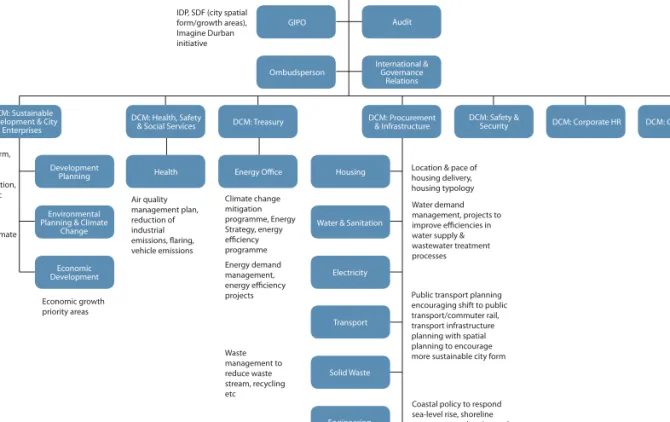
2.2: Organogram of the eThekwini Municipality
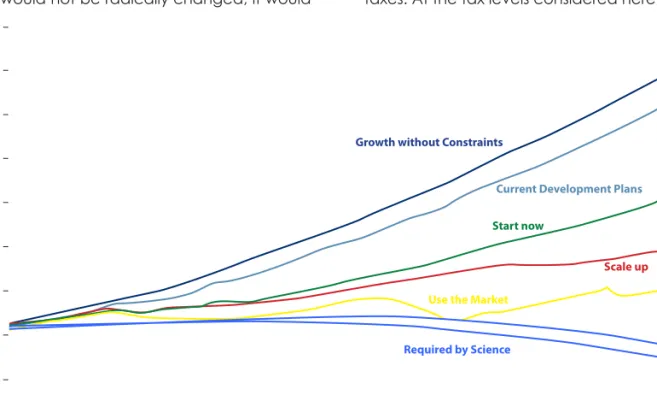
3.1: Greenhouse gas emission scenarios (2003-2050) described by the LTMS 7KH6RXWK$IULFDQJUHHQKRXVHJDVHPLVVLRQSURÀOHEDVH\HDU 3.3: The LTMS mitigation ‘wedges’
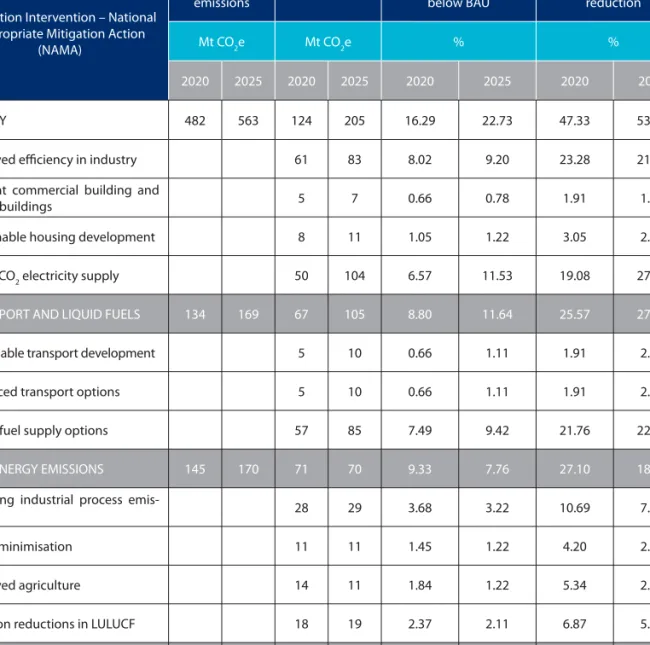
3.4: Unpacking the Copenhagen mitigation undertakings - deviation below Business-as-Usual (BAU) from contributions by various nationally appropriate mitigation actions
5.1: CO2e emissions (Mt) per sector in the eThekwini Municipality for 2005/06 5.2: Percentage of industrial GHG emissions in Durban by fuel/energy type 5.3: Comparison of municipal sub-sector emissions
5.4: Key elements of a sustainable community 5.5: EThekwini Municipality neighbourhood map 5.6: EThekwini Municipality ecological footprint map
&ODVVLÀFDWLRQV\VWHPIRUFOLPDWHFKDQJHDGDSWDWLRQLQWHUYHQWLRQV 6.2: A framework for assessing and addressing climate risks
)UDPHZRUNIRULQWHJUDWHGXUEDQDQDO\VLVZKLFKLVFKDUDFWHULVHGE\DFRQWLQXRXVF\FOHRI PRQLWRULQJPRGHOLQJDVVHVVPHQWDQGLPSOHPHQWDWLRQ
List of Tables
1.1: Composition of the study Panel 1.2: Types of low carbon development 2.1: Population statistics by racial group
2.2: ‘Imagine Durban’ – relevant themes and strategies 2.3: EThekwini Municipality energy strategy targets 2.4: EThekwini Municipality energy projects until 2008
3.1: Unpacking the Copenhagen mitigation undertakings - deviation below Business-as-Usual (BAU) from contributions by various nationally appropriate mitigation action
5.1: Electricity consumption and related CO2e emissions for the top 20 electricity consumers in eThekwini Municipality for 2007/2008
5.2: Coal consumption in eThekwini Municipality for 2002
5.3: Energy and carbon intensity by economic sub-sector for eThekwini Municipality for 2007/2008
([DPSOHVRIFREHQHÀWVRIDGDSWDWLRQDFWLRQV
8.1: Modes of urban governance and climate change activities
8.2: Some examples of possible municipal actions organised according to the Bulkeley and Kern (2006) frame work cited in Alber and Kern (2008)
9.1: Theoretical approaches to low carbon behaviour 11.1: South African project type statistics
List of Boxes
1.1 Statement of Task
2.1 Orange Bag Collection System 2.2 Materials Recovery for Recycling /DQGÀOO*DVWR(OHFWULFLW\3URMHFW
5.1 Use of Bagasse for Electricity Production %HQHÀWVRI:DVWH5HFRYHU\
5.3 Mechanical Biological Treatment
ARD $IIRUHVWDWLRQ5HIRUHVWDWLRQDQG'HIRUHVWDWLRQ ASSAf Academy of Science of South Africa
BAU Business-as-Usual
BEEH School of Bioresources Engineering and Environmental Hydrology BMA Bangkok Metropolitan Government
%0: Bayerische Motoren Werke BP British Petroleum
BRT Bus Rapid Transit
CASBEE &RPSUHKHQVLYH$VVHVVPHQW6\VWHPIRU%XLOW(QYLURQPHQW(IÀFLHQF\
CBD Central Business District CCS Carbon Capture and Storage CDM Clean Development Mechanism CDP Carbon Disclosure Project CERs &HUWLÀHG(PLVVLRQ5HGXFWLRQV CFL Compact Fluorescent Light CHP Combined Heat and Power CNG Compressed Natural Gas COP Conference of the Parties CRC Carbon Reduction Commitment
CSIR &RXQFLOIRU6FLHQWLÀFDQG,QGXVWULDO5HVHDUFK DCCP Durban Climate Change Partnership D’MOSS Durban Metropolitan Open Space System DANIDA Danish International Development Agency DEAT Department of Environmental Affairs and Tourism DEFRA 'HSDUWPHQWIRU(QYLURQPHQW)RRGDQG5XUDO$IIDLUV8.
DICCPP Durban Industry Climate Change Partnership Project DIPA Durban Investment Promotion Agency
DNA Designated National Authority '6: 'XUEDQ6ROLG:DVWH
DTP Dube Tradeport
':$) 'HSDUWPHQWRI:DWHU$IIDLUVDQG)RUHVWU\
EbA Ecosystem-based Adaptation
ECCP European Climate Change Programme EDD Economic Development Department EDS Economic Development Strategy EDU Economic Development Unit EIA Environmental Impact Assessment
ESCO Energy Service Company ESP Energy Saving Partnership ETA EThekwini Transport Authority ETS Emissions Trading Scheme
EU European Union
(:$6$ (:DVWH$VVRFLDWLRQRI6RXWK$IULFD (:6 (7KHNZLQL:DWHUDQG6DQLWDWLRQ
FY Financial Year
GCOS Global Climate Observation System GCP Global Carbon Project
GDP Gross Domestic Product GEF Grid Emissions Factor GEF Global Environmental Fund
GHG Greenhouse Gas
HCCAS Headline Climate Change Adaptation Strategy HPPTN High Priority Public Transport Network
IAC InterAcademy Council IAMP InterAcademy Medical Panel
ICLEI International Cities for Local Environmental Initiatives ICSU International Council for Science
IDP Integrated Development Plan IDS Institute of Development Studies IEA International Energy Agency
IGBP International Geosphere Biosphere Programme IGES Institute for Global Environmental Strategies IHDP International Human Dimensions Programme IPCC Intergovernmental Panel on Climate Change ISCLC Institute for Sustainable Communities and Living Cities ITA Information Technology Association
ITP Integrated Transport Plan ITS Intelligent Transportation System
KSEF KwaZulu-Natal Sustainable Energy Forum
LACMP Local Authority Carbon Management Programme LAP Local Area Plan
LCEA Low Carbon Economic Area LCCP Low Carbon Cities Programme LCD Low Carbon Development LED Light-emitting Diode LSP Local Strategic Partnership
MFMA Municipal Finance Management Act MRV 0HDVXULQJ5HSRUWLQJDQG9HULI\LQJ
Mt Million Tons
NAMA Nationally Appropriate Mitigation Action NASAC Network of African Science Academies NCCC National Climate Change Committee NGO Non-government Organisation NMT Non-motorised transport 15: 1RQUHYHQXH:DWHU
NSI National System of Innovation
OECD Organisation for Economic Cooperation and Development PDD Project Design Document
PET Polyethylene terephthalate PIN Project Idea Notes
PPA Power Purchase Agreement ppp Purchasing Power Parity
PV Photovoltaic
REDD Reduced Emissions from Avoided Deforestation and Degradation RSA Republic of South Africa
SACN South African Cities Network
SADC Southern African Development Community SALGA South African Local Government Association 6$:6 6RXWK$IULFDQ:HDWKHU6HUYLFHV
SBT Scenario Building Team
SDF Spatial Development Framework SDMPP South Durban MultiPoint Plan SDP Spatial Development Plan SEAP Sustainable Energy Action Plan SPP Scholarly Publishing Programme Stats SA Statistics South Africa
6:+ 6RODU:DWHU+HDWLQJ
TEPCO Tokyo Electric Power Company TMG Tokyo Metropolitan Government
7:$6 $FDGHP\RI6FLHQFHVIRUWKH'HYHORSLQJ:RUOG UCT University of Cape Town
UD Urine Diversion
UEM Urban Environmental Management
UKZN University of KwaZulu-Natal
UN United Nations
UK United Kingdom
UNDP United Nations Development Programme UNEP United Nations Environment Programme
UNFCCC United Nations Framework Convention on Climate Change UNIDO United Nations Industrial Development Organisation
US United States
VERs Voluntary Emission Reductions VKT Vehicle Kilometres Travelled
:% :RUOG%DQN
:(66$ :LOGOLIHDQG(QYLURQPHQW6RFLHW\RI6RXWK$IULFD :02 :RUOG0HWHRURORJLFDO2UJDQLVDWLRQ
::7:V :DVWHZDWHU7UHDWPHQW:RUNV
Units of measurements
Unit Definition
g gram
h hour
ha hectare
J Joule
l litre
m metre
t ton
W Watt
y year
milli m 10-3
Kilo K 103
Mega M 106
Giga G 109
Tera T 1012
Peta P 1015
Gases unit
C Carbon
CO2 Carbon dioxide
CO2e Carbon dioxide equivalent
CH4 Methane
N2O Nitrous oxide
SO2 Sulphur dioxide
&OLPDWHFKDQJHLVRQHRIWKHPRVWVLJQLÀFDQWJOREDOLVVXHVRIRXUWLPH,WVLPSRUWDQFHWRWKHFRQWL- nent of Africa rests on the vulnerability of its population to the impacts of climate change and the SRWHQWLDOWKUHDWWKDWLWSRVHVWRVXVWDLQDEOHGHYHORSPHQW6RXWK$IULFDLQDGGLWLRQWREHLQJYXOQHU- DEOHWRWKHHIIHFWVLVDOVRDPDMRUFRQWULEXWRUWRFOLPDWHFKDQJHWKURXJKWKHGHSHQGHQFHRIWKH FRXQWU\RQIRVVLOIXHOVSULPDULO\FRDO&LWLHVDUHUHFRJQLVHGDVPDMRUFRQWULEXWRUVWRFOLPDWHFKDQJH as they are densely populated areas with high levels of energy-use.
This report on Towards a Low Carbon City: Focus on Durban aims to address both mitigation and adaptation opportunities for the city of Durban. The critical issue of transitioning to a low carbon city in the face of serious unemployment and the need for economic development is addressed by emphasising the need to shift to a green economy. The study provides 12 key overarching recom- PHQGDWLRQVDVZHOODVVHFWRUVSHFLÀFUHFRPPHQGDWLRQVZKLFKWKHFLW\QHHGVWRDGGUHVVLQRUGHU to transition to a low carbon city. The recommendations are generally applicable to developing country cities and can be used as a guideline for local governments in other cities.
The eThekwini Municipality commissioned the Academy of Science of South Africa (ASSAf) to con- GXFWWKLVVWXG\$FRQVHQVXVVWXG\DSSURDFKZDVXVHGLQZKLFKDSDQHORIH[SHUWVDSSURYHGDQG DSSRLQWHGE\WKH$66$I&RXQFLOGHOLEHUDWHGRQWKHWRSLFDQGEDVHGRQWKHHYLGHQFHDVVHPEOHG was able to produce a set of recommendations. Studies of this kind are common to academies around the world and aim to provide strong consensus recommendations to government based on the best available evidence. The value of the Academy approach lies in its use of evidence to offer objective and unbiased advice.
The city of Durban has been a leader in South Africa with regard to climate change adaptation and mitigation initiatives. This study will contribute to the city’s reputation as a leader. The release of the report ahead of the city’s hosting of the 17th Conference of the Parties (COP) of the United Nations )UDPHZRUN&RQYHQWLRQRQ&OLPDWH&KDQJHLQLVVLJQLÀFDQWDQGRIIHUV'XUEDQDQRSSRUWXQLW\WR establish further its standing amongst global cities.
7KHUHSRUWZDVJXLGHGDQGEURXJKWWRLWVVXFFHVVIXOFRQFOXVLRQE\DVWXG\3DQHORIH[SHUWVXQGHUWKH SURÀFLHQWOHDGHUVKLSRI3URIHVVRU5RVHDQQH'LDE7KH0HPEHUVRIWKHVWXG\3DQHOWKHFRQWULEXWLQJ authors and the peer reviewers are thanked for the care and attention with which they carried out their task.
Professor Robin Crewe
President: Academy of Science of South Africa
foreword
SHRSOHDQGRUJDQLVDWLRQVLQSDUWLFXODU
The Danish International Development Agency (DANIDA) for funding the study;
y
Dr Debra Roberts and Ms Meggan Lewis of the Environmental Planning and Climate Protection y
'HSDUWPHQWRIH7KHNZLQL0XQLFLSDOLW\IRUWKHLUDVVLVWDQFHZLWKLQIRUPDWLRQDUUDQJLQJRIPHHWLQJV and general support;
2IÀFLDOV RI H7KHNZLQL 0XQLFLSDOLW\ ZKR VKDUHG WKHLU NQRZOHGJH DQG H[SHULHQFH ZLWK XV DV ZH y
sought to understand the local context;
7KH 3DQHO 0HPEHUV ZKR FRQWULEXWHG WR WKH UHSRUW WKURXJK WKHLU ZULWWHQ VXEPLVVLRQV DQG OLYHO\
y
discussions;
7KHFRQWUDFWUHVHDUFKHUVZKRÀOOHGWKHJDSVLQWKH3DQHO·VH[SHUWLVHDQGDGGHGJUHDWYDOXHWR y
WKHÀQDOSURGXFW
7KHSHHUUHYLHZHUVZKRSURYLGHGYDOXDEOHVXJJHVWLRQVIRULPSURYLQJWKHUHSRUWDQGZKRFRQ- y
ducted their reviews in record time;
The Council of the Academy for their support and encouragement;
y
$OOWKHVWDIIRIWKH$FDGHP\SDUWLFXODUO\WKRVHZKRDVVLVWHGZLWKORJLVWLFDODUUDQJHPHQWVIRU3DQHO y
meetings;
0V3DWULFLD6FKROW]DQG0V+HQULHWWH:DJHQHURIWKH$FDGHP\ZKRZRUNHGZLWK%ROG'HVLJQRQ y
WKHÀQDOSURGXFWLRQRIWKLVUHSRUW
'U1WKDELVHQJ7DROHRIWKH$FDGHP\IRUKHUJXLGDQFHDQGVXSSRUWRIWKH3URJUDPPH2IÀFHUIRU y
WKLVSURMHFW0V=DULQD0RROOD
)LQDOO\0V=DULQD0RROODIRUKHURXWVWDQGLQJUROHDV3URJUDPPH2IÀFHUSDUWLFXODUO\KHUDWWHQWLRQ y
WRGHWDLOVXSSRUWRIWKHSDQHOLVWVDQGZULWWHQFRQWULEXWLRQVWRWKHUHSRUW
Professor Roseanne Diab
Chair: ASSAf Consensus Study on Low Carbon Cities
M
ore than half the world’s population resides in cities and the proportion is expected to increase to 60% by 2030 and 70% by 2050. Glo- EDOO\ FLWLHV DFFRXQW IRU DERXW RI JOREDO JUHHQKRXVH JDV HPLVVLRQV /RJLFDOO\ WKHUHIRUH cities have a major role to play in the low carbon agenda. They present the greatest opportuni- ties for mitigation and adaptation interventions as higher population densities mean that inter- ventions have a greater reach and potentially a greater impact. Higher levels of service delivery and infrastructure also imply that interventions are more likely to succeed. Rapid urbanisation and the growing role of cities as centres of for- mal and informal economic production have made cities key sites for action. Cities have the potential to play leadership roles in their coun- WULHVWRUDLVHWKHLUSURÀOHDQGUHLQIRUFHWKHLULP- age as being progressive and responsible from a climate change perspective. Local govern- PHQW LQ 6RXWK $IULFD ZLWK LWV FRQVWLWXWLRQDOO\GHÀQHG UROHV DV D VSKHUH RI JRYHUQPHQW LQ LWV RZQ ULJKW KDV WKH RSSRUWXQLW\ WR EH DW WKH LQ- ternational frontier in helping to engineer the necessary horizontal and vertical governance innovations that climate change threats make a growing imperative.
A low carbon city is a normative concept and is GHÀQHGLQWKLVVWXG\DVRQHWKDWVWULYHVWRUHGXFH its greenhouse gas emissions and increase its car- ERQ VLQNV ZKLOH VLPXOWDQHRXVO\ DGDSWLQJ WR DQ- ticipated climate change impact. The achieve- ment of a low carbon state requires a transition process that is characterised by low carbon de- velopment. In the context of a developing coun- WU\ZKHUHWKHLPSHUDWLYHVRIHFRQRPLFJURZWK LQFUHDVHG HPSOR\PHQW RSSRUWXQLWLHV DOOHYLD- tion of poverty and the need to address issues RI LQHTXDOLW\ GRPLQDWH LW LV LPSRUWDQW WKDW WKH transition to a low carbon city be appropriately
IUDPHG ,Q WKLV UHVSHFW D ORZ FDUERQ SDWKZD\
should be viewed as an opportunity to deliber- ately shape future development such that it ac- cords with low carbon principles and to shift the rhetoric of climate change policy from words VXFKDV¶OLPLWDWLRQ·¶FRQVWUDLQW·DQG¶UHGXFWLRQ·
to one in which there is an emphasis on ‘investing in new technology’ and ‘creating low-carbon jobs’. Low carbon development also offers signif- LFDQWFREHQHÀWVWKDWDUHSHUWLQHQWIRUGHYHORS- LQJFRXQWULHVVXFKDVLPSURYHGSXEOLFKHDOWKDV DUHVXOWRIUHGXFHGDLUSROOXWLRQJUHDWHUDJULFXO- WXUDOSURGXFWLYLW\DQGJUHDWHUZDWHUDQGHQHUJ\
VHFXULW\DPRQJVWRWKHUV
7KHFLW\RI'XUEDQDQGLWVORFDOJRYHUQPHQWWKH H7KHNZLQL0XQLFLSDOLW\LVWKHIRFXVRIWKLVUHSRUW The city has been at the vanguard of efforts to address climate change in South Africa and has shown great leadership. Opportunities to capitalise on this progress and to advance the agenda even further are addressed in the re- SRUW7KHWLPLQJRIWKHUHOHDVHRIWKLVUHSRUWMXVW ahead of the hosting of the COP-17 meeting in WKHFLW\LQ1RYHPEHU'HFHPEHULVVLJQLÀ- cant and provides an opportunity for the city to UHDIÀUPLWVFRPPLWPHQWWRORZFDUERQGHYHORS- ment and to showcase some of the steps that LWKDVWDNHQDVZHOODVORZFDUERQSODQVIRUWKH future.
The overall goal of this study is to identify key ar- eas of intervention that would position Durban on a pathway towards a low carbon city. The starting point was to review mitigation and ad- aptation policies and actions already in place in the city to provide a baseline against which further interventions could be recommended.
Climate change activities are scattered across VHYHUDOORFDOJRYHUQPHQWGHSDUWPHQWVZLWKWKH Environmental Planning and Climate Protection
Department taking the lead in adaptation ac- tivities and the recently established Energy Of- ÀFH WKH OHDG LQ PLWLJDWLRQ ,Q VRPH UHVSHFWV the spread is a strength as it shows awareness in various departments and has fostered innova- WLYH UHVSRQVHV LQ VRPH SDUWLFXODUO\ ZDWHU DQG VDQLWDWLRQDQGVROLGZDVWHGHSDUWPHQWV A review of carbon reduction strategies and ad- DSWDWLRQPHDVXUHVLQNH\FLWLHVLQ$VLD(XURSH North America and Latin America followed. Best practice examples and key lessons learnt were highlighted. The review allows the city of Durban to benchmark its climate change activities and to identify and adapt actions that resonate with the local situation.
The local context is relevant as it will shape the interventions and their implementation. In this UHVSHFWLWZDVLPSRUWDQWWRRXWOLQHWKHVSDWLDO VRFLRHFRQRPLFHQYLURQPHQWDODQGLQVWLWXWLRQ- al characteristics of the city.
The picture that emerged was one in which one-third of the population is characterised as poor; over one-third of the economically active sector of the population is unemployed; the city LV FKDUDFWHULVHG E\ ORZ GHQVLW\ XUEDQ VSUDZO large portions of the city are under customary law and are rural in character; neighbourhoods GLIIHU VLJQLÀFDQWO\ LQ WHUPV RI WKHLU FKDUDFWHULV- tics; the economy is dominated by the tertiary sector and the anticipated growth in the serv- ices sector is not expected to address the prob- lem of unemployment at the unskilled and semi- skilled levels.
7KHQDWLRQDOFRQWH[WSDUWLFXODUO\ZLWKUHJDUGWR national policies and strategies that are emerg- LQJ LV FULWLFDO )RU 6RXWK $IULFD WR DFKLHYH LWV commitment made at the Copenhagen cli- mate meeting in 2009 (reduction below current emissions baseline of 34% by 2020 and 42% by FLWLHV ZRXOG KDYH WR SOD\ D PDMRU UROH and demonstrate leadership.
7KH VWDUWLQJ SRLQW IRU WKH LGHQWLÀFDWLRQ RI PLWL- gation opportunities was the greenhouse gas LQYHQWRU\ZKLFKVKRZHGWKDWWKHLQGXVWULDOVHF- tor comprises 45% of the city’s total greenhouse JDVHPLVVLRQVWKHWUDQVSRUWDWLRQVHFWRUWKH UHVLGHQWLDO VHFWRU WKH FRPPHUFLDO VHFWRU 8% and the municipality 5%. Clear direction is
provided on which sectors should be targeted.
Energy supply and demand is the common theme cutting across all these sectors. Opportu- nities for mitigating greenhouse gases in indus- WULHVDQGEXLOGLQJVZHUHLGHQWLÀHGDQGEHFDXVH RIWKHLULPSRUWDQFHDUHKLJKOLJKWHGDJDLQLQWKH recommendations.
'XUEDQDVDFRDVWDOFLW\ZLWKKLJKUDWHVRISRY- HUW\ DQG XQHPSOR\PHQW LV HVSHFLDOO\ YXOQHU- able to the impacts of climate change. The city is advanced in its consideration and institution- alisation of climate change adaptation. Further opportunities to build resilience and reduce risk ZHUH LGHQWLÀHG 7KHVH LQFOXGHG H[WHQGLQJ WKH boundary of the urban system to ensure that DGDSWDWLRQ LQWHUYHQWLRQV ZKLFK DUH PRUH DS- propriate at a larger scale are not constrained by narrow views of boundaries. Examples are upstream catchment management and inte- grating climate change adaptation into wider sustainability and development agendas.
Natural processes in cities can be manipulated WR LQFUHDVH RU GHFUHDVH WKHLU FOLPDWH EHQHÀWV Enhancing carbon sinks through the manage- ment of urban open spaces and green plants was found to make a minor contribution to miti- JDWLQJJUHHQKRXVHJDVHVEXWQHYHUWKHOHVVZDV regarded as a valuable activity. Ecosystem VHUYLFHVEHQHÀWVDUHDVWURQJHUGULYHURIJUHHQ DUHDPDQDJHPHQWDFWLYLWLHVZLWKFDUERQVLQNV DV D FREHQHÀW ,W ZDV QRWHG WKDW LQ RUGHU WR PDLQWDLQFDUERQEHQHÀWVRYHUWLPHDUHVRXUFH KDVWREHLQDSURGXFWLYHVWDWHZKLFKSDUDGR[L- cally usually means periodically disturbing it by KDUYHVW UDWKHU WKDQ VWULFWO\ SURWHFWLQJ LW 7KH harvested material must then be diverted into DVHFXUHORQJWHUPVWRUDJHHJWLPEHUKRXVHV furniture or biofuels.
Governance issues were considered in a sepa- rate chapter. It was noted that a global shift LQ FOLPDWH FKDQJH UHVSRQVHV KDV WDNHQ SODFH from an early focus on mitigation to one focused RQ DGDSWDWLRQ DV WKH ORFDO ULVNV IURP FOLPDWH change become more of a reality. The cen- tral role of local government is thus reinforced.
The importance of multi-level governance was stressed to strengthen the ability of local govern- ment to manage adaptation and improve resil- ience. Some of the recommendations included:
UDLVLQJWKHSURÀOHRIFOLPDWHFKDQJHPDWWHUVRQ
council agendas; institutionalising coordination around climate change matters; working to build a knowledge base to enhance adaptability; es- tablishing demonstration projects in highly visible locations; and partnering with business/industry and citizens.
An important component of the transition proc- ess to a low carbon city is behavioural change.
Under the broader theme of achieving low car- ERQFLWL]HQU\VWUDWHJLHVWRSHUVXDGHFLWL]HQVWR change to a low carbon lifestyle were identi- ÀHG.H\SRLQWHUVIRUFDUERQUHGXFWLRQDZDUH- QHVVUDLVLQJ SURJUDPPHV ZHUH LGHQWLÀHG DV LQ- tegrating technical and values approaches to focus on ‘ethics of care’; tailoring the messages to appeal to different sectors of society; and integrating green and brown issues. Targeting JURXSV RU FROOHFWLYHV VXFK DV QHLJKERXUKRRGV RU VFKRROV KDYH GHPRQVWUDWHG PRUH VXFFHVV than focusing on individuals.
The concept of a green economy formed an important component of the report and was taken up as one of the major recommenda- WLRQV)DFHGZLWKKLJKOHYHOVRISRYHUW\LQHTXDO- LW\ DQG XQHPSOR\PHQW WKHUH LV DQ RYHUULGLQJ imperative of economic growth and creation of jobs in the city. Emphasis was placed here on transitioning to a green economy; one that is decoupled from resource exploitation and HQYLURQPHQWDO LPSDFWV \HW VWLOO HQVXULQJ VRFLR economic growth and quality of life for present and future generations. Green economic de- velopment has the potential to create more MRE RSSRUWXQLWLHV SDUWLFXODUO\ LQ VNLOOHG DQG VHPLVNLOOHG OHYHOV ¶JUHHQ FROODU MREV· DV ZHOO as more small and medium-scale business op- portunities than non-green development. The concept of a green economy is recommended as the overarching framework to coordinate climate change policies and actions that are spread across many departments in the city to bring about more profound and fundamental change in the economic basis and behavioural landscape of the city.
)LQDOO\ RSSRUWXQLWLHV IRU ÀQDQFLQJ ORZ FDUERQ initiatives were discussed. The city of Durban has taken advantage of Clean Development 0HFKDQLVPÀQDQFLQJWKURXJKLWVZDVWHWRHQHU- J\ SURMHFWV DW ODQGÀOO VLWHV +RZHYHU WKHUH DUH PDQ\ RWKHU LQQRYDWLYH PDUNHWEDVHG ÀQDQF-
ing mechanisms that should be explored by the FLW\ WR DVVLVW LQ ÀQDQFLQJ LWV ORQJWHUP ORZ FDU- bon goals. These include the voluntary carbon PDUNHWLQFHQWLYHVDQGVXEVLGLHVHQHUJ\VHUYLFH FRPSDQLHVDQGPXQLFLSDOERQGVDPRQJVWRWK- HUV7KH(QHUJ\2IÀFHRIH7KHNZLQL0XQLFLSDOLW\
VKRXOG EH WDVNHG ZLWK FRRUGLQDWLQJ D ÀQDQF- LQJVWUDWHJ\IRUDORZFDUERQ'XUEDQZLWKWKH SULPHREMHFWLYHRILGHQWLI\LQJLQQRYDWLYHÀQDQF- ing schemes that derive funds from both public DQGSULYDWHVHFWRUVDQGDWORFDOQDWLRQDODQG international levels.
7KURXJKRXW WKH UHSRUW VHFWRUVSHFLÀF UHFRP- mendations for transitioning to a low carbon city were made. These were consolidated into a set of 12 core strategic recommendations:
Ensure a Shift Towards a Green Economy:
1.
EThekwini Municipality must promote the transition to a green economy by ensuring WKDWHYHU\DFWLRQLQYHVWPHQWUHJXODWLRQRU decision contributes towards nurturing and building a strong green economy that is ORZFDUERQUHVRXUFHHIÀFLHQWDQGVRFLDOO\
inclusive. The green economy provides an overarching framework in which all activi- ties can be steered in a coordinated way in a low carbon and sustainable direction.
(PSKDVLVH &OLPDWH &KDQJH &REHQHÀWV 2.
To ensure that climate change policies and actions can be developed and implement- HG HIIHFWLYHO\ DQG HIÀFLHQWO\ ZLWK WKH IXOO support of the political leadership of the city DQG ORFDO FLWL]HQV LW LV HVVHQWLDO IRU FREHQ- HÀWVWREHHPSKDVLVHG,QWKLVZD\FOLPDWH change can be accorded the importance it deserves.
Ensure a Multi-level Governance Approach:
3.
A strong drive to ensure multi-level govern- ance is necessary for low carbon develop- ment in the city of Durban. A partnership- based approach with national government and other stakeholders must be enhanced.
Promote Low Carbon Consumption:
4. The city
of Durban must promote low carbon life- styles and play a leadership role in reducing upstream carbon emissions. An understand- ing of the carbon footprint of the city from a consumption perspective is important.
Ensure the Implementation of Low Carbon 5.
Land Use Planning: Land use planning plays a key role in low carbon development. Key SULQFLSOHVLQFOXGHFRPEDWLQJXUEDQVSUDZO FRPSDFWLQJFLW\IRUPGHFHQWUDOLVLQJXUEDQ RSSRUWXQLWLHVSURPRWLQJVXVWDLQDEOHQHLJK- ERXUKRRGSODQQLQJDQGDVKDUHGYLVLRQRI spatial development in the city amongst all stakeholders.
Ensure the Integration of Mitigation and Ad- 6.
aptation Activities: 7UDGLWLRQDOO\ PLWLJDWLRQ and adaptation activities have developed VHSDUDWHO\ LQ FLWLHV IUHTXHQWO\ UHVLGLQJ LQ different municipal departments. There is a need to develop a strong drive to integrate mitigation and adaptation activities across the municipality.
Ensure and Recognise Visionary Leadership:
7.
International experience demonstrates the role of leadership in advancing the climate change agenda. EThekwini Municipality must entrench its reputation as South Afri- ca’s leading city in terms of climate change actions and should strive to be South Af- ULFD·V ÀUVW ¶]HURFDUERQ· FLW\ 7KH FLW\ PXVW also seek to identify and support individuals ZLWKWKHFRPPLWPHQWFKDULVPDDQGSXEOLF image to act as local champions or ambas- sadors for climate change action.
Give Urgent Attention to the Transport Sec- 8.
tor in the Transition to a Low Carbon Durban:
The transport sector is central to the transi- tion to a low carbon city and requires ur- gent attention in eThekwini Municipality. The main overarching efforts of the municipality must be on reducing the need to travel by focusing on accessibility rather than mobil- ity. The mobility demand then needs to be DVVHVVHG DQG DGGUHVVHG LQ WKH PRVW HIÀ- cient and sustainable manner.
Ensure a Strong Mitigation Focus in the In- 9.
dustrial Sector: The industrial sector is the major contributor to greenhouse gas emis- VLRQVLQWKHFLW\FRQWUDU\WRWKHSDWWHUQLQ many global cities. EThekwini Municipal- LW\ VKRXOG HQVXUH WKDW WKURXJK UHJXODWLRQ LQYHVWPHQWDQGLQFHQWLYHVORFDOLQGXVWU\
plays a central role in mitigating greenhouse gas emissions and in the development of a JUHHQ HFRQRP\ WKDW IXOÀOV WKH VRFLDO DQG economic needs of the municipality.
Ensure a Broader Focus on the Built Environ- 10.
ment:(QHUJ\HIÀFLHQF\LQEXLOGLQJVLVRIWHQ hailed as the ‘low-hanging fruit’ in the low FDUERQ WUDQVLWLRQ SURFHVV DV DFWLRQV FDQ be implemented more easily than in other sectors such as transport. It is recommend- ed that eThekwini Municipality extends its IRFXV RQ HQHUJ\ HIÀFLHQF\ LQ PXQLFLSDO buildings to the broader built environment in the city.
Maximise Local Opportunities in the Low 11.
Carbon Transition Process: :KLOHWKHXQGHU- lying principles of a low carbon city are uni- YHUVDO WKH WUDQVLWLRQ SURFHVV UHTXLUHV FDSL- talising on local opportunities to achieve sustainability. It is recommended that eThek- ZLQL0XQLFLSDOLW\DFWLYHO\LGHQWLÀHVWKHVHOR- cal opportunities and exploits them to best advantage.
Encourage Innovation through a Partner- 12.
ship-based Approach: ,QQRYDWLRQ ERWK WHFKQRORJLFDO DQG VRFLDO LV NH\ WR D ORZ carbon transition. It is recommended that eThekwini Municipality fosters innovation by developing partnerships with local universi- WLHVEXVLQHVVHVDQGFRPPXQLWLHV
xxxxxxxxxxxxxxxxxxxxxxxxxxxxxxxxxxxxxxxxxxxxxxxxxxxxxxxxxxxxxxxxxxxxxxxxxxxxxxxxxxxxxxxxxxxxxxxxx xxxxxxxxxxxxxxxxxxxxxxxxxxxxxxxxxxxxxxxxxxxxxxxxxxxxxxxxxxx
BACKGROUND TO THE STUDY
This study was commissioned by the Environ- mental Planning and Climate Protection De- partment (EPCPD) of the eThekwini Municipality 'XUEDQ DQG IXQGHG E\ WKH 'DQLVK ,QWHUQD- tional Development Agency (DANIDA).
The project was initiated as a result of the grow- ing consensus that the world’s climate is chang- ing and the need to mitigate and adapt to these changes. Cities are especially vulnerable to climate change as they contain large popu- ODWLRQV DQG H[WHQVLYH LQIUDVWUXFWXUH DQG HFR- nomic activity.
The Academy of Science of South Africa (ASSAf)
was tasked with conducting the study due to its XQLTXH SRVLWLRQ DV D QDWLRQDOO\ UHFRJQLVHG ERG\
ZKLFKSURYLGHVVFLHQWLÀFDQGHYLGHQFHEDVHGDG- YLFHWRJRYHUQPHQWRQFULWLFDOVFLHQWLÀFLVVXHV7KH Academy is also well-placed to address the matter of climate change mitigation and adaptation and to provide recommendations that will support na- tional government’s commitment of transitioning to a low carbon economy. As the body that holds the membership of the most prominent scientists in WKHFRXQWU\WKH$FDGHP\FDQGUDZRQDSRRORI committed expertise across science disciplines to DGGUHVV TXHVWLRQV RQ WKH VFLHQWLÀF DQG SROLF\
matters related to climate change.
7KH VWXG\ EULHI DQG VSHFLÀF REMHFWLYHV RI WKLV study are presented in Box 1.1
Box 1.1: Statement of Task
The overall goal of this study is to identify key areas of intervention that would position Dur- EDQRQDSDWKZD\WRZDUGVDORZFDUERQFLW\6SHFLÀFREMHFWLYHVDUHWR
UHYLHZFDUERQUHGXFWLRQVWUDWHJLHVLQNH\FLWLHVDURXQGWKHZRUOGWRLGHQWLI\OHVVRQV OHDUQHG7KLVZRXOGLQFOXGHDQH[DPLQDWLRQRIWKHDFWXDOVWUDWHJLHVWKDWLQÁXHQFHFDUERQ PLWLJDWLRQWKHWUDGHRIIVDQGV\QHUJLHVRIFDUERQPDQDJHPHQWWKHUROHVRILQVWLWXWLRQV and carbon governance structures;
UHYLHZPLWLJDWLRQDQGDGDSWDWLRQSROLFLHVWKDWDUHDOUHDG\LQSODFHLQWKHFLW\RI'XUEDQ
LGHQWLI\NH\DUHDVRILQWHUYHQWLRQLQWHUPVRIUHGXFWLRQLQHQHUJ\XVHDQGLPSOHPHQWLQJ HQHUJ\HIÀFLHQF\PHDVXUHV7KLVZRXOGLQFOXGHinter aliaDQH[DPLQDWLRQRIRSWLRQVWR LPSURYHHQHUJ\HIÀFLHQF\LQH[LVWLQJDQGQHZEXLOGLQJVDQGDFRQVLGHUDWLRQRIWUDQVSRUW and land use planning;
LGHQWLI\RSSRUWXQLWLHVIRUUHQHZDEOHHQHUJ\DSSOLFDWLRQVDQGRUFOHDQHUIRVVLOIXHOWHFKQRO- ogy;
Box 1.1: Statement of Task (continued)
LGHQWLI\RSSRUWXQLWLHVWRUHGXFHWKHFLW\·VFDUERQIRRWSULQWLQDUHDVRILQIUDVWUXFWXUHSURYL- VLRQZDVWHPDQDJHPHQWZDVWHZDWHUPDQDJHPHQWZDWHUSURYLVLRQIRRGSURGXFWLRQ biodiversity management and protection;
LGHQWLI\RSSRUWXQLWLHVWRUHGXFHWKHFLW\·VFDUERQIRRWSULQWWKDWDOVRKDYHDGDSWDWLRQ advantages;
LGHQWLI\RSSRUWXQLWLHVIRUQHXWUDOLVLQJXQDYRLGDEOHHPLVVLRQVWKURXJKFDUERQRIIVHWWLQJ schemes;
FRQVLGHUFDUERQVWRUDJHRSWLRQV
PDNHUHFRPPHQGDWLRQVRQWKHWUDQVLWLRQWRDORZFDUERQFLW\ZLWKDSDUWLFXODUHPSKDVLV on low carbon technologies;
PDNHUHFRPPHQGDWLRQVUHJDUGLQJDSSURSULDWHLQVWLWXWLRQDODQGJRYHUQDQFHVWUXFWXUHVLQ a low carbon city;
FRQVLGHUWKHEURDGHUDSSOLFDWLRQRIWKHUHFRPPHQGDWLRQVWRRWKHUFLWLHVLQ6RXWK$IULFD
APPROACH AND METHODOLOGY
The study was approved by the ASSAf Council RQ 0DUFK DQG WKH PHPEHU 3DQHO FKDLUHG E\ 5RVHDQQH 'LDE ZDV DSSRLQWHG The full membership of the Panel is presented in Table 1.1 and membership biographies in Ap- pendix 1.
The Panel operated independently of the eThek- wini Municipality and DANIDA. Information was gathered from a wide variety of published liter- ature sources. Expert input was solicited through D QXPEHU RI FRPPLVVLRQHG VWXGLHV ZKLFK DUH OLVWHGLQ$SSHQGL[,QDGGLWLRQH[WHQVLYHORFDO information was gathered through a series of in-
WHUYLHZVZLWKH7KHNZLQL0XQLFLSDOLW\FLW\RIÀFLDOV DVZHOODVVHOHFWHGRIÀFLDOVLQWKHFLWLHVRI-RKDQ- nesburg and Cape Town listed in Appendix 2.
7KHVWXG\ZDVFRQGXFWHGRYHUWKHSHULRG-DQX- ary 2010 to May 2011. The Panel met three times;
DW WKH ÀUVW PHHWLQJ IURP WR )HEUXDU\
a presentation was made by Dr Debra Rob- HUWV'HSXW\+HDGRIWKH(3&3'WRSURYLGHWKH EDFNJURXQG WR WKH VWXG\ WKH H[SHFWDWLRQV RI the city and local climate change initiatives. At WKHVHFRQGPHHWLQJIURPWR2FWREHU the committee discussed the draft chapters and recommendations. A series of teleconfer- ence meetings was held between 6 to 12 April WRÀQDOLVHWKHUHFRPPHQGDWLRQV
Name Affilliation
Prof Roseanne Diab Panel Chair and Executive Officer of ASSAf
Prof James (Jim) Longhurst Associate Dean and Professor, Environmental Science, University of the West of England
Dr Shobhakar Dhakal Executive Director, Global Carbon Project, Japan
Dr Robert (Bob) Scholes Systems Ecologist, Council for Scientific and Industrial Research (CSIR)
Prof Dave Dewar Professor, School of Architecture and Planning, University of Cape Town (retired end of 2010)
Dr Mongameli Mehlwana Alternative Energy Futures Convenor, CSIR
Prof Coleen Vogel Professor, School of Geography, Archaeology and Environmental Studies, University of the Witwatersrand
Mr Peter Lukey Chief Director: Air Quality Management and Climate Change, Department of Environmental Affairs
Table 1.1: Composition of the study Panel
7KH ÀQDO GUDIW UHSRUW ZDV VXEPLWWHG IRU SHHU UH- view in April 2011. Following peer review by four H[SHUWV OLVWHG LQ $SSHQGL[ WKH 3DQHO ÀQDOLVHG the report and submitted it to the ASSAf Council for approval. The ASSAf Council approved its pub- lication at a Council meeting on 11 May 2011.
THE GLOBAL THREAT OF CLIMATE CHANGE Climate change is the most important global VFLHQWLÀFLVVXHRIRXUWLPHZLWKVLJQLÀFDQWSROLF\
implications for local and national governments.
Climate change embraces far more than tem- perature change and may include changes in UDLQIDOOSDWWHUQVVHDOHYHOULVHWKHVSUHDGRILQ- IHFWLRXVGLVHDVHVVXFKDVPDODULDLQFUHDVHGDO- LHQYHJHWDWLRQLQYDVLRQORVVRIELRGLYHUVLW\DQG a loss of tourism and recreation functions.
Climate change impacts will vary across the JOREHEXWLWLVZLGHO\DFNQRZOHGJHGWKDW$IULFD as a continent will experience the greatest im- SDFWVODUJHO\EHFDXVHRIWKHYXOQHUDELOLW\RILWV SRSXODWLRQZKLFKFRQVLVWVRIVRPHRIWKHSRRU- HVW QDWLRQV LQ WKH ZRUOG /LNHZLVH LQ FLWLHV WKH SRRUFRPPXQLWLHVZLWKIHZHUDGDSWLYHRSWLRQV are expected to be most affected.
Climate change predictions for the city of Dur- ban are summarised in the following section.
7KH\FRQYH\DVRPEUHPHVVDJHKLJKOLJKWLQJWKH need for adaptive and mitigation responses.
CLIMATE CHANGE PROJECTIONS AND IMPACTS FOR ETHEKWINI MUNICIPALITY TEMPERATURE
Temperature projections for the immediate future (2045 – 2065) and distant future (2081 – 2100) are expected to increase 1.5 – 2.50C and 3.0 – 5.00C respectively. Heat-waves (3 or more consecutive days with maximum temperatures reaching 300C) are expected to increase by ap- proximately 30% and extreme heat-waves (3 or more consecutive days with maximum temper- atures reaching 350C) are expected to double in the immediate future (School of Bioresourc- es Engineering and Environmental Hydrology
%((+8QLYHUVLW\RI.ZD=XOX1DWDO8.=1FLWHG in Golder Associates (2010)).
RAINFALL
,QJHQHUDOWKHFOLPDWHLQ6RXWK$IULFDLVH[SHFW- ed to show a net drying in the western two-thirds of the country and is expected to become wet- WHULQWKHHDVWFRDVWUHJLRQV7DGURVV5H- sults of modeling undertaken by BEEH cited in
*ROGHU $VVRFLDWHV VKRZHG WKDW UDLQIDOO YDULDELOLW\ LV H[SHFWHG WR LQFUHDVH VLJQLÀFDQWO\
from the immediate to the distant future. Fur- WKHUPRUHWKHUHZLOOJHQHUDOO\EHQRFKDQJHLQ short duration rainfall for the immediate future and an increase in longer duration rainfall (1 or more consecutive days).
WATERAVAILABILITY
:DWHU DYDLODELOLW\ LV H[SHFWHG WR GHFUHDVH DV D result of increases in temperature and evapora- WLRQ *ROGHU $VVRFLDWHV 6FKXO]H QRWHV D UHGXFWLRQ LQ DQQXDO ZDWHU ÁRZ LQ WKH Mgeni catchment that feeds Durban of 157.8 mil- lion m3 E\ /RQJHU SHULRGV ZLWKRXW UDLQIDOO DV LQGLFDWHG DERYH ZLOO KDYH UHSHUFXVVLRQV IRU water availability and affect water storage and LUULJDWLRQUHTXLUHPHQWV*ROGHU$VVRFLDWHV SEA-LEVELRISE
Being a coastal city with 97 km of highly-devel- RSHGFRDVWOLQH'XUEDQLVSDUWLFXODUO\YXOQHUDEOH to sea-level rise. Various projections for sea-level rise exist. The Intergovernmental Panel on Cli- PDWH &KDQJH ,3&& ,3&& SUHGLFWV DQ increase in mean sea-level of 0.13-0.38 m and P LQ UHODWLYH WR for low and high scenarios respectively. A study by Hughes et al. (1991) for Durban predicted an increase between 0.5 to 1.0 m by 2100. Houn- VRPHDQG,\HUJLYHDÀJXUHRIPIRU the 2003 to 2100 period and Mather (2007) esti- mated an average annual increase in sea-level of 2.7+/- 0.5mm/yr for Durban.
$FFRUGLQJWR+XJKHVWKHFRDVWOLQHFRXOG SUREDEO\ ZLWKVWDQG D P VHDOHYHO ULVH SUR- YLGHGWKHUHZHUHQRPDMRUVWRUPHYHQWVEXWEH-
\RQG WKDW DGDSWLYH PHDVXUHV ZRXOG EH QHHG- ed. A 0.5 m sea-level rise would severely erode beaches and have an impact on tourism. Activi- WLHVVXFKDVVKRUHVWDELOLVDWLRQSURWHFWLQJQDWXUDO biological defences and increasing the height of the national shoreline would need to be consid- HUHGWRSURWHFWWKHFRDVWOLQH(50
BIODIVERSITY
Research addressing the impacts of climate FKDQJHRQELRGLYHUVLW\LQ'XUEDQLVOLPLWHGEXW in general it can be expected that increases in temperature and variability in rainfall may result in species migrations and extinctions. For South
$IULFD DV D ZKROH WKH 6RXWK $IULFDQ &RXQWU\
Study undertaken for the Initial National Com- munication under the United Nations Framework Convention on Climate Change (UNFCCC) re- TXLUHPHQWV '($7 QRWHG D UHGXFWLRQ LQ WKHDUHDFRYHUHGE\FXUUHQWELRPHVRIDQG SUHGLFWHG WKDW E\ WKHUH ZLOO EH D UHGXF- tion by 55%. The same study also drew attention to the negative effect of climate change on biodiversity hotspots - areas that are particularly species-rich and consist of a number of endem- ic species with restricted distributions. Marine ecosystems are also expected to be affected due to increases in sea-surface temperatures.
,QDGGLWLRQLQYDVLYHVSHFLHVDUHOLNHO\WRVSUHDG due to increased temperatures that favour their JURZWK5LFKDUGVRQDQG9DQ:LOJHQ The city of Durban has a rich biodiversity. It con- WDLQVWKUHHRI6RXWK$IULFD·VHLJKWELRPHVVHYHQ broad vegetation types and over 2 000 plant VSHFLHV(3&3'D0DQ\DUHDWULVNGXHWR GHYHORSPHQWSUHVVXUHVDQGDFKDQJLQJFOLPDWH ZLOO DGG HYHQ JUHDWHU VWUHVV :RUNLQJ *URXS RQ
&OLPDWH&KDQJHDQG'HYHORSPHQW HEALTH
Projected changes in temperature and rainfall are likely to lead to increased negative health effects. A modeling study indicated that malar- ia-prone areas in South Africa would double by HVVHQWLDOO\VSUHDGLQJPDODULDWRSUHYLRXVO\
XQDIIHFWHGDUHDV'($7+HDWUHODWHG vector and water-borne diseases (particularly malaria and cholera) are expected to increase DVDUHVXOWRILQFUHDVHGÁRRGLQJWKDWFRXOGOHDG WRFRQWDPLQDWLRQRIZDWHUVXSSOLHVKLJKHUWHP- peratures and humidity levels.
ECONOMY
In a study of the economic impacts of climate FKDQJH IRU 6RXWK $IULFD 7XUSLHet al. (2002) drew attention to the costs associated with im- SDFWVRQDJULFXOWXUHIRUHVWU\UDQJHODQGVÀVKHU-
LHVWRXULVPKXPDQKHDOWKDQGELRGLYHUVLW\7KH overall conclusion was that the greatest eco- nomic impact was likely to be experienced in the tourism industry with up to 3% of Gross Do- mestic Product (GDP) at risk. This was followed E\ QRQPDUNHW UHODWHG LPSDFWV VXFK DV ELRGL- versity and human health.
A study by Kretzinger (2009) has also indicated that the city’s wastewater infrastructure will be impact- ed by sea-level rise due to their low elevation and SUR[LPLW\WRWKHFRDVW/LNHZLVHLQIUDVWUXFWXUHDGMD- cent to the harbour is at risk resulting in potentially large impacts on the economy.
AGRICULTURE
Major impacts on food production are expected WR IROORZ FKDQJHV LQ WHPSHUDWXUH UDLQIDOO DQG water availability as discussed above. The ma- jority of crops grown in South Africa depend on seasonal rainfall. Small-scale agriculture is likely to be most severely affected due to reduced ZDWHU DYDLODELOLW\ DIIHFWLQJ KXPDQ OLYHOLKRRGV and intensifying poverty. A study by the Biore- source Unit of the KwaZulu-Natal Department of Agriculture and Environmental Affairs and 5XUDO'HYHORSPHQWFLWHGLQ*ROGHU$VVRFLDWHV IRUH[DPSOHVKRZHGWKDWZLWKDPHDQ WHPSHUDWXUHLQFUHDVHRI&&WKDWPRVW (all) of the eThekwini Municipality area would become unsuited to maize production.
ADDRESSING CLIMATE CHANGE
International policies and other initiatives to ad- GUHVVFOLPDWHFKDQJHDVZHOODVQDWLRQDOHIIRUWV are summarised in Chapters 3 and 4 respectively.
$WWKHORFDOOHYHOWKHFLW\RI'XUEDQKDVEHHQ at the vanguard of efforts to address climate change. An historical overview of the key initia- tives follows.
The origin lies in the participation of the municipal- LW\ WKURXJK WKH WKHQ (QYLURQPHQWDO %UDQFK LQ the International Council for Local Environmental Initiatives (ICLEI’s) International Cities for Climate Change campaign launched in 2000. By the time WKHSURMHFWHQGHGLQWKHFLW\KDGFRPSOHWHG LWVÀUVWJUHHQKRXVHJDV*+*LQYHQWRU\DQGKDG LPSOHPHQWHG D PXQLFLSDO EXLOGLQJV· HQHUJ\ HIÀ- FLHQF\SLORWSURMHFW5REHUWV7KHQH[WPD- jor milestone was in 2004 with the establishment
of a Municipal Climate Protection Programme (MCPP) to mainstream climate change issues into all aspects of work undertaken by the mu- QLFLSDOLW\(3&3'E7KH0&33ZDVGHYHO- RSHGLQDQXPEHURISKDVHV5REHUWV
)LUVW WKH &OLPDWLF )XWXUH IRU 'XUEDQ UHSRUW 1.
LQXQGHUWDNHQLQSDUWQHUVKLSZLWKWKH CSIR (Naidu et al DVVHVVHG WKH SR- tential local impacts of climate change and outlined responses that could assist the city with mitigation and adaptation to cli- mate change.
The second phase of the MCPP involved 2.
the preparation of a Headline Adaptation 6WUDWHJ\DVDGDSWDWLRQWRFOLPDWHFKDQJH emerged as a more immediate priority WKDQPLWLJDWLRQ5REHUWV7KHVWUDWHJ\
highlighted some key interventions required for the municipality to adapt to climate FKDQJHVSHFLÀFDOO\LQWKHDUHDVRIKXPDQ KHDOWK ZDWHU DQG VDQLWDWLRQ ELRGLYHUVLW\
FRDVWDO ]RQH VHDOHYHO ULVH LQIUDVWUXFWXUH IRRGVHFXULW\DQGDJULFXOWXUHVWUDWHJLFSODQ- ning and economic development and dis- DVWHU PDQDJHPHQW +RXQVRPH DQG ,\HU 2006). A Carbon Storage and Sequestration
$QDO\VLV *OHQGD\ ZDV DOVR XQGHU- WDNHQ ZKLFK LQGLFDWHG WKDW DOWKRXJK WKH sequestration rates were small compared WRWKHFLW\·V*+*HPLVVLRQVUHKDELOLWDWLRQRI open space would improve its capacity to act as a carbon sink. Phase 2 also included the three sectoral municipal adaptation SODQVZDWHUKHDOWKDQGGLVDVWHUPDQDJH- PHQW¶FOLPDWHVPDUW·'·0266SURMHFW¶FOL- PDWHVPDUW·FRPPXQLWLHVSURMHFWFRPPX- QLW\ UHIRUHVWDWLRQ SURMHFWV JUHHQ URRI SLORW SURMHFW DQG DVSHFWV RI WKH *UHHQLQJ 'XU- EDQSURJUDPPHDPRQJVWRWKHUV7KH municipality is currently commissioning a FRVWEHQHÀWDQDO\VLVRIWKHWKUHHPXQLFLSDO adaptation plans as part of this phase.
The third phase of the MCPP turned to ad- 3.
dressing the need to incorporate climate change considerations into the city’s plan- QLQJ SURFHVVHV $ FRPSXWHUEDVHG *HR- graphic Information System (GIS)-type plat- form Urban Integrated Assessment Tool has EHHQ GHYHORSHG LQ FROODERUDWLRQ ZLWK the Tyndall Climate Change Research In- VWLWXWHWRVLPXODWHHYDOXDWHDQGFRPSDUH the city’s strategic plans and policies in the
FRQWH[WRIFOLPDWHFKDQJHLPSDFWVVRWKDW it can further inform future planning. The tool is in a GIS-type platform to ensure that aspects can be viewed visually. Preliminary ZRUN KDV VKRZQ WKDW WKH WRRO LV GLIÀFXOW WR use and will require further work.
A fourth phase of the MCPP is currently 4.
seeking to mainstream climate change into city planning and development. Thus IDUD&OLPDWH3URWHFWLRQ%UDQFKKDVEHHQ established within the re-named EPCPD; the Greening Durban 2010 programme focused on achieving carbon neutrality for the 2010 :RUOG&XSZDVXQGHUWDNHQ(3&3'E Initial work is also underway to determine the terms of reference for a Strategic Envi- ronmental Assessment of the city’s Spatial Development Plans (SDPs).
7KH PXQLFLSDOLW\ KRVWHG LWV ÀUVW &OLPDWH 6XPPLW LQZKHUHWKHWHUPVRIUHIHUHQFHIRUD'XU- ban Climate Change Partnership (DCCP) was drawn up based on workshop discussions. It was agreed that the partnership should include public and private representatives and that it should be run by a facilitator external to the PXQLFLSDOLW\ 7KH ÀUVW VWHSV WR LQLWLDWH DQ $GYL- sory Forum which will provide guidance on the establishment of a Steering Committee for the partnership were taken early in 2011.
,Q UHFHQW \HDUV WKHUH KDV DOVR EHHQ FRQVLGHU- able work undertaken in the municipality on the LPSOLFDWLRQV RI VHDOHYHO ULVH 0DWKHU D The coastal storms which severely impacted the Durban coastline in March 2007 added further LPSHWXVWRWKLVZRUN$*,6FRPSXWHUPRGHOWKH 6HD/HYHO5LVH9LHZHUKDVEHHQGHYHORSHGWR model sea-level rise along the city’s coastline 0DWKHUE7KHUHVXOWVDUHLQWHQGHGWRDV- sist in the preparation of Shoreline Management Plans and Municipal Adaptation Pans.
7KH ÀUVW RI WKHVH WKH 6RXWK 'XUEDQ 6KRUHOLQH 0DQDJHPHQW 3ODQ LV EHLQJ XQGHUWDNHQ DV D pilot project along approximately 25-30 km of shoreline in the south of Durban to prepare a guiding framework to respond to potential im- SDFWV RI VHDOHYHO ULVH :63 (QYLURQPHQWDO 2009). The Sea-Level Rise Viewer has been used to indicate the potential biophysical and social effects of sea-level rise for each of three sea- OHYHOULVHVFHQDULRVPPDQGP7KH
potential impact on affected land parcels and LQIUDVWUXFWXUH KDV EHHQ VSDWLDOO\ UHSUHVHQWHG affected landowners and users and opportuni- WLHV IRU UHORFDWLRQ RI IDFLOLWLHV LGHQWLÀHG 3RWHQ- WLDOUHVSRQVHVDUHEHLQJLQYHVWLJDWHGLQFOXGLQJ YDULRXVRSWLRQVWRKROGUHWUHDWRUDGYDQFHWKH FXUUHQWFRDVWDOHURVLRQOLQHPRGLÀFDWLRQRIWKH human environment (buildings and infrastruc- WXUH DGDSWLRQ PHDVXUHV SROLF\ FRQWUROV DQG PRGLÀFDWLRQRIKXPDQEHKDYLRXU
The South Durban Basin area based manage- ment department has recently begun a sepa- rate climate change initiative with the assist-
DQFH RI WKH :LOGOLIH DQG (QYLURQPHQW 6RFLHW\
RI 6RXWK $IULFD :(66$ XVLQJ D SDUWLFLSDWRU\
approach to climate risk assessment and adap- WDWLRQ:(66$7KHSURFHVVEHJDQZLWKD stakeholder capacity-building workshop in April IROORZHGE\DFOLPDWHULVNVFUHHQLQJZKHUH the initiative was launched. The next step will be WRGHYHORSVSHFLÀFSURMHFWV
Considerable impetus was given to the climate change initiatives in the city with the creation of WKH(QHUJ\2IÀFHLQ$QXPEHURISURMHFWV IRFXVHGRQHQHUJ\HIÀFLHQF\KDYHEHHQLPSOH- mented (see Chapter 2).
1 This vallue is based on the total 2005/2006 GHG emissions for Durban divided by the population for that year. Assumptions underpinning the GHG emissions estimate are
Key Messages:
7KHFLW\RI'XUEDQKDVEHHQDWWKHYDQJXDUGRIHIIRUWVWRDGGUHVVFOLPDWHFKDQJH
7KHLQLWLDWLYHVKDYHVSDQQHGDWHQ\HDUSHULRGDQGKDYHLQFOXGHGLQVWLWXWLRQDOFKDQJHVDQG mitigation and adaptation responses.
CITIES AS KEY DRIVERS OF CLIMATE CHANGE AND CLIMATE CHANGE ACTIONS
More than half of the world’s population re- sides in cities and the proportion is expected to LQFUHDVHWRE\DQGE\81
*OREDOO\FLWLHVDUHVXEVWDQWLDOFRQWULEXWRUV WR*+*HPLVVLRQVDFFRXQWLQJIRUDSSUR[LPDWH- O\RIJOREDOHPLVVLRQV:RUOG%DQND According to the International Energy Agency ,($ FLWLHV FRQWULEXWH PRUH WKDQ RI HQHUJ\UHODWHGJOREDO*+*VZKLFKLVSUHGLFWHG WRLQFUHDVHWRE\,Q6RXWK$IULFDWKH WKUHH ODUJHVW PHWURSROLWDQ DUHDV RI -RKDQQHV- EXUJ&DSH7RZQDQG'XUEDQFRPSULVHRI 6RXWK$IULFD·V*+*HPLVVLRQVZLWK'XUEDQFRQ- WULEXWLQJ6XVWDLQDEOH(QHUJ\$IULFD On a per capitaEDVLV'XUEDQ·V*+*HPLVVLRQV of 6.9 t CO2eper capita in 2005/61is lower than theper capita value for South Africa at 9.92 t CO2H IRU WKH \HDU :RUOG %DQN D Comparative statistics for other major cities are presented in Figure 1.1 and show that South Afri- can cities have per capita values equivalent to cities in China and the United States and are far higher than cities in Europe.
Because cities contain the highest population densities and most of the activities that produce
*+*V WKH\ SUHVHQW WKH JUHDWHVW RSSRUWXQLWLHV for mitigation and adaptation. Interventions thus have a greater reach and higher levels of service delivery and infrastructure mean that they are more likely to succeed. Cities have DXWKRULW\RYHUWKHVHFWRUVVXFKDVZDWHUZDVWH DQG WUDQVSRUW LQ ZKLFK PRVW LQWHUYHQWLRQV DUH OLNHO\ WR EH LQWURGXFHG DQG DUH DEOH WR LQWUR- GXFHSROLFLHVDQGÀQDQFLDOLQFHQWLYHVWRLQLWLDWH climate change actions. City governments tend to be more closely linked to the public because RI WKHLU IRFXV RQ URXWLQH VHUYLFHV :RUOG %DQN 2010a) and are therefore more likely to be able WR EXLOG SDUWQHUVKLSV ZLWK WKH SXEOLF DOWKRXJK this may be compromised in some cities in South Africa due to a history of poor service delivery.
Cities have the potential to play leadership roles LQ WKHLU FRXQWULHV ZLWK WKHLU DFWLRQV UHDFKLQJ beyond their jurisdictional areas. Proactive cit- ies can set the example for smaller municipali- WLHV DQG HYHQ IRU WKH QDWLRQ DV D ZKROH DV LV WKHFDVHLQWKH8QLWHG6WDWHVZKHUHFLWLHVKDYH taken action despite the country not having VLJQHGWKH.\RWR3URWRFRO$UHFHQW:RUOG%DQN
UHSRUW:RUOG%DQNDDUJXHVWKDWFOLPDWH change presents an opportunity for cities to UDLVH WKHLU SURÀOH DQG UHLQIRUFH WKHLU LPDJH DV being progressive and responsible by belonging to the ‘green cities’ club.
The important role of cities in the climate change agenda is underscored by the recogni- tion given to the issue of cities and human set- tlements as separate chapters in the adapta- tion and mitigation reports of the forthcoming ÀIWKDVVHVVPHQWRIWKH,3&&
Figure 1.1: Per capita greenhouse gas emissions (tCO2e /capita) for selected cities for the indicated year :RUOG%DQN
Key Messages:
&LWLHVDFFRXQWIRUDERXWRIJOREDOJUHHQKRXVHJDVHPLVVLRQV
7KHFLW\RI'XUEDQFRQWULEXWHVRI6RXWK$IULFD·VJUHHQKRXVHJDVHPLVVLRQV
7KHHPLVVLRQRIJUHHQKRXVHJDVHVLQ'XUEDQLVW&2HSHUFDSLWD
&LWLHVSUHVHQWWKHJUHDWHVWRSSRUWXQLWLHVIRUPLWLJDWLRQDQGDGDSWDWLRQEHFDXVHRIWKHLU high population densities and higher levels of service delivery and infrastructure.
WHAT IS A LOW CARBON CITY?
A low carbon city is clearly a normative concept implying that a city has achieved an accept- able state in terms of its GHG emissions. Howev- HUZKDWFRQVWLWXWHVDFFHSWDEOHLQWKLVFRQWH[W is unclear. It could be argued that developing country cities are already relatively low carbon and that the use of the term low carbon pre- empts the need for them to pursue low carbon
SODQQLQJ)XUWKHUFOLPDWHFKDQJHDFWLRQSODQV of many cities focus exclusively on sources of GHGs and by not extending the coverage to carbon sinks fail to answer what makes them ORZ FDUERQ ,Q DGGLWLRQ WR VLQNV D OLQN WR DQG WKHQHHGIRUVLPXOWDQHRXVSODQQLQJIRUFOLPDWH FKDQJHDGDSWDWLRQLVQHFHVVDU\7KHGHÀQLWLRQ of a low carbon city posited here is that a low carbon city is one that strives to reduce its GHG HPLVVLRQVDQGLQFUHDVHLWVFDUERQVLQNVZKLOHVL- Shanghai, China
Beijing, China Tokyo, Japan New York City, USA Cape Town, South Africa Paris, France Stockholm, Sweden Greater London, UK Los Angeles, USA São Paulo, Brazil
CITY, COUNTRY
)
)
) )
) )
2006
2005 2003 2000
tCO2eper capita
0 2 4 6 8 10 12 14
multaneously adapting to anticipated climate change impacts.
The achievement of a low carbon state requires a transition process that is characterised by low carbon development (LCD). Various types of /&'KDYHEHHQLGHQWLÀHG,'6HDFKIR- cusing on either the productive or consump-
tive side of an economy and requiring varying GHJUHHV RI WHFKQRORJLFDO VHFWRUDO RU EHKDY- ioural change (Table 1.2). Elements of each ap- proach are endorsed where appropriate. The approach proposed as providing the most suit- able framework is that of the green economy VHH &KDSWHU DOWKRXJK HPSKDVLV LV DOVR placed on lowering consumption.
2 http://www.masdarcity.ae/en/index.aspx.
Key Message:
7KHGHÀQLWLRQRIDORZFDUERQFLW\LVRQHWKDWVWULYHVWRUHGXFHLWV*+*HPLVVLRQVDQG LQFUHDVHLWVFDUERQVLQNVZKLOHVLPXOWDQHRXVO\DGDSWLQJWRDQWLFLSDWHGFOLPDWHFKDQJH impacts.
7KHZRUOG·VÀUVWFDUERQQHXWUDODQG]HURZDVWH city is planned at Masdar City in Abu Dhabi. It is a new development initiated as a clean technol- ogy research hub that aims to accommodate a population of 50 000 people. Development of the city has been hampered by the economic downturn but plans include prohibiting the use of motor vehicles and having a transport system comprising public mass transit and individual rapid transport systems. The city will acquire its SRZHU VROHO\ IURP UHQHZDEOH HQHUJ\ VRXUFHV viz VRODU ZLQG JHRWKHUPDO DQG ZDVWH WR HQ- ergy. All biological waste will be used as fertiliser and all industrial materials will be reduced or re- cycled. The city plans to recycle its water and
grey water will be used for irrigation. Research is currently being undertaken to desalinate water LQDQHQHUJ\HIÀFLHQWZD\5HVHDUFKDQGLQQR- YDWLRQ DUH SULRULWLHV IRU WKH VXFFHVV RI WKH FLW\
hence a university is a central component of the plan2.
RELEVANCE OF LOW CARBON DEVELOPMENT IN A DEVELOPING COUNTRY CONTEXT
Faced with the overwhelming imperative of HFRQRPLFJURZWKWRLQFUHDVHHPSOR\PHQWRS- SRUWXQLWLHVHUDGLFDWHRUDOOHYLDWHSRYHUW\DQG DGGUHVV LVVXHV RI LQHTXDOLW\ RQH PD\ TXHVWLRQ the relevance of a low carbon city in a devel- Table 1.2: Types of low carbon development (IDS, 2009)
Type Description Focus Approach
Green economy
Focused on production aspects of an economy. Aims to decouple economic growth from carbon emis- sions
Mainly mitigation but also adaptation
Technological change, sectoral change
Green lifestyles
Focused on consumption aspects of an economy. Im- plies lifestyle and behavioural changes. Also aims to decouple economic growth from carbon emissions
Mitigation and adaptation
Behavioural change, technological change, sectoral change Equilibrium econ-
omy
Focused on production aspects of an economy. Aimed at development not growth and so no decoupling is necessary as growth is neutral
Mainly mitigation but also adaptation
Technological change, sectoral change
Coexistence with nature
Focused on consumption aspects of an economy.
Aimed at development not growth and so no decou- pling is necessary as growth is neutral
Mitigation and adaptation
Behavioural change, technological change, sectoral change






![Table 5.1: Electricity consumption and related CO 2 e emissions for the top 20 electricity consumers in eThekwini Municipality for 2007/2008 (EThekwini Electricity, 2009) [the top five consumers are highlighted]](https://thumb-ap.123doks.com/thumbv2/pubpdfnet/10590588.0/94.870.102.755.655.1011/electricity-consumption-emissions-electricity-municipality-ethekwini-electricity-highlighted.webp)
