This study examines the perception of the female condom among students at the University of KwaZulu-Natal (UKZN), Howard College campus. These studies focused on several aspects including student perception, which means that the ABC Strategy for the Reduction of HIV and AIDS was created and communicated. The main research question for this study concerns the perception of students (male and female) about the female condom.
It sets the stage for an examination of HIV and AIDS communication and the ABC approach to HIV prevention, as well as some of the criticisms of the ABC approach and alternative approaches to HIV prevention, such as the SAVE & GEM approaches, which briefly are discussed later in the chapter. This is one of the many examples of attempts to disseminate opportunities for HIV prevention in the region. However, it cannot be said that condom use is the main reason for the reduction in HIV prevalence in Uganda (Stammers, 2005).
A common criticism of the ABC approach (PEPFAR & UNAIDS) is that it is 'one size fits all'. The SAVE approach was developed by members of the African Network of Religious Leaders Living with HIV and AIDS (ANERELA) (Jones & Chalcraft, 2009). The conference provided a framework that facilitated an understanding of the importance of gender in addressing HIV and AIDS and how to develop skills to do so (Kleintjes, Pugh & Prince, 2007; RGN, 2008).
At the end of 2010, half of the total number of adults infected with HIV and AIDS worldwide were women (Avert, 2009).
Prevention among Girls and Young Women
HIV and AIDS research and policy programs and to seek and implement ways to ensure that women are heard and considered in work related to HIV and AIDS (Shisana & Louw, 2007). The aforementioned UN task force noted that gender inequality remains a key problem in South Africa which has increased HIV infection because women cannot negotiate safer sex or even refuse sex. The relevance of the focal issues presented by UNAIDS lies in their guidelines on the different issues or challenges faced by women and girls, thereby enabling interventions to locate their approaches within these issues (Onoya et al., 2011; Collins, Von Unger & Armbriste, 2008).
Consideration of and adherence to the guidelines and directives set by national and international organizations similar to the UNAIDS focus issues is essential for the implementation and sustainability of women-centered HIV interventions (Nelson, 2007). This study falls within the first focus issue as it addresses an area that deals with a prevention method aimed at reducing HIV infection rates among women. Although gender parity has been achieved to a large extent in education enrollments in Southern Africa, we need more information on the impact of the epidemic on the education of girls, especially orphans.
Violence against Women and Girls
Property and Inheritance Rights
Women and Girls as Care Givers
Access to Care and Treatment for Women and Girls
Global Female Condom Day was an opportunity to raise awareness of the female condom as a method of HIV prevention; she also motivated women to commit to promoting and increasing access to female condoms.20. Their involvement in the introduction and negotiation of the female condom explains why men in Zimbabwe support female condoms (Rogow, 2007). In the United States, the involvement of men in the promotion of female condoms was a great success.
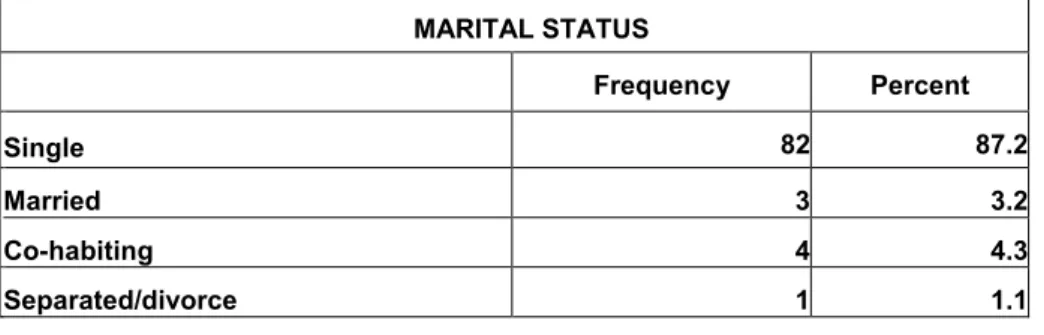
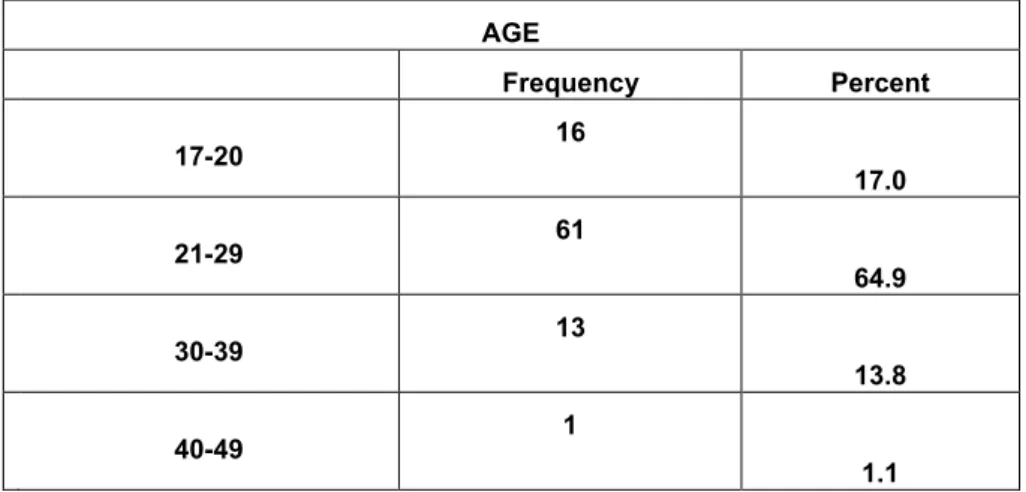
This study analyzes the perceptions of the female condom among students at UKZN's Howard College campus in order to explore the discourse on female condoms among students. This was used to produce simple tables and percentages regarding students' perceptions of female condoms. This provided a basis to compare and contrast male and female students' perceptions of female condoms.
The table below shows that 91.5% of respondents were aware of female condoms, while 4.3% had no knowledge of female condoms. Furthermore, 36.6% of female respondents strongly agreed and 5.6% strongly disagreed that female condoms provide better protection than male condoms. This suggests that men could be involved in promoting the use and use of female condoms.
Turning to perceptions of the comfort of the female condom; 66.7% of male students strongly agreed, and 1.1% strongly disagreed that female condoms are inappropriate to use. -five percent of female respondents fully agreed, and 18.3% completely disagreed that female condoms are inappropriate to use. This suggests that men have more exposure to female condom promotion than women.
This contrasts with this study's finding that the majority of male participants support female condoms. The availability and accessibility of female condoms has been identified as one of the key challenges to their acceptance and use. In partnership with the NDoH, Support South Africa played a key role in promoting female condoms.
It found that uptake of female condoms in South Africa has declined over the years due to low demand. More male than female students felt that female condoms are well promoted in South Africa.
QUALITATIVE DATA PRESENTATION AND ANALYSIS
This category is one of the key sections as the study sought to determine students' perceptions of female condoms. Participants attributed the decline in female condom use to the cost and unavailability of female condoms. This contradicts the findings of the study that male students favored female condoms.
Participants were asked to give their views on the current status of female condoms in South Africa. Therefore, most discussions did not provide a positive picture of the current status of female condoms. I doubt the manufacturers have any idea how daunting the size of female condoms is....” (FGD1-R5 2013).
2008) argue that cost has had a major impact on the acceptance and use of female condoms in Madagascar. The survey found that students agreed that female condoms are well promoted in South Africa. The focus group discussions helped to clarify students' perceptions of the promotion of female condoms in South Africa.
Healthcare providers are identified as stakeholders in the promotion of female condoms in South Africa. Participants shared their opinions and perceptions of discomfort experienced from using female condoms. Participants noted that the cost and size of female condoms made students prefer male condoms.
More male students than female students thought that female condoms offer better protection than male condoms. Students believe that this is one of the factors causing the low consumption and use of female condoms in the country. Most female students are of the opinion that male condoms provide better protection than female condoms.
Stakeholders should also actively support interventions to increase the uptake and use of female condoms.