WORKPLACE HIV AND AIDS MANAGEMENT:
THE CASE OF THETSANE INDUSTRIAL AREA IN MASERU, LESOTHO
BY
NKEKA PETER T’SEOLE
SUBMITTED IN PARTIAL FULFILMENT OF THE REQUIREMENTS FOR THE DEGREE OF MASTER OF POPULATION STUDIES
IN THE SCHOOL OF DEVELOPMENT STUDIES
UNIVERSITY OF KWAZULU-NATAL DURBAN
MARCH 2011
DECLARATION
Submitted in fulfilment / partial fulfilment of the requirements for the degree of Masters in Population Studies, in the Graduate Programme in the School of
Development Studies, University of KwaZulu-Natal, Durban, South Africa.
I declare that this dissertation is my own unaided work. All citations, references and borrowed ideas have been duly acknowledged. I confirm that an external editor was/was not used and that my Supervisor was informed of the identity and details of my editor. It is being submitted for the degree of Masters in Population Studies in the Faculty of Humanities, Development and Social Science, University of KwaZulu- Natal, Durban, South Africa. None of the present work has been submitted previously for any degree or examination in any other University.
_____________________________
Student signature
______________________________________
Date
Lauren Boyle
Editor’s name and surname
i ACKNOWLEDGEMENTS
I would like to express my gratitude to:
§ Each one of my friends for their moral support during the writing process of this dissertation, Dr. Matete, kea leboha!
§ My colleagues, you guys have been wonderful and supportive all the way.
§ Staff members in the School of Development Studies were amazing from the beginning of the journey, thank you so much for your assistance, support and encouragement.
§ Dr Munyakazi and Dr Dutton, a big thank you to you two for your help and advice during the analysis stage of this research.
§ A big thank you to Lauren Boyle for proofreading this dissertation.
§ The government of Lesotho for sponsoring my studies throughout the years in the University of KwaZulu-Natal.
§ My supervisor, Professor Julian May, thank you for believing in me, for your guidance throughout the journey. You are the best.
§ My family! (Bo-T’seole le Bo - Khoaele), thanks for being there and for your support all the way. Sometimes you did not understand the process, but supported me anyway, ke leboha ho menahane. Malome Malilimale, le ka moso!
§ All wisdom comes from you. You make all things possible. You are the source of strength, knowledge and all that man can ask for. Thank you LORD for making this possible. Thank you!
ii DEDICATION
This one is dedicated to my parents, Ntate Ntja le ‘M’e ‘Mankeka T’seole. Le ho baena ba ka; Khabea, ‘Mamolefi, ‘Mathabo le Relebohile! Kea lerata!
iii ABSTRACT
The aim of this study was to investigate outcomes of approaches used to mitigate the negative impacts of HIV and AIDS at workplaces in Lesotho using Thetsane Industrial Area as a case study. Garment industries in Lesotho are faced with a serious threat due to the HIV and AIDS prevalence in the country. A huge number of the labour force is leaving firms due to increased morbidity and mortality associated with HIV and AIDS. In view of this, this study investigated approaches used in managing HIV and AIDS in the workplace. In order to optimize the accuracy of the research results, a triangulation research method was utilized.
The results indicate production levels to have improved since the advent of the Apparel Lesotho Alliance to Fight AIDS (ALAFA). The findings suggest ALAFA to have taken over the responsibility of HIV and AIDS prevention and management, especially in the garment industries, providing HIV and AIDS victims with all the necessary services needed to keep HIV and AIDS under control. These findings therefore suggest overdependence on ALAFA by the garment industries for HIV and AIDS management. The findings also imply that garment industries had no resources in the form of human capital specializing in the knowledge of HIV and AIDS management from the individual garment industries. Despite the fact that HIV and AIDS still spreads at an alarming rate, the larger implications of this research’s findings, especially relating to the serious challenge faced by the garment industries of losing their labour force to HIV and AIDS, is that the pandemic has lately become manageable given that there are now ARVs and ART to be used as treatment by HIV and ADIS victims.
iv TABLE OF CONTENTS
Page Title page
Declaration
Acknowledgements ………..…. i
Dedication ………...…………. ii
Abstract ……….………….. iii
Table of contents ………...………...………….….. iv
List of tables ………...……... ix
List of figures ……….……….………. x
CHAPTER 1 - INTRODUCTION 1.1 Background ………..…….. 1
1.2 Context ………..……. 1
1.3 Problem statement ……….. 5
1.4 Research questions ……….……… 5
1.5 Objectives of the study ……….………..…… 6
1.6 Significance of the study ………..………..……… 6
1.7 Limitations of the study ………... 7
1.8 Theoretical framework ... 7
1.8 Structure of the study ……….………..… 10
1.9 Summary ………..… 10
v CHAPTER 2 - LITERATURE REVIEW
2.1 Introduction ………..…… 11
2.2 Defining HIV and AIDS ……….. 11
2.3 HIV and AIDS in Sub-Saharan Africa ……….……… 14
2.4 Impact of HIV and AIDS on business ………..……… 16
2.4.1Increased absenteeism ……… 18
2.4.2 Labour turnover ……….………..………….. 20
2.5 Approaches to managing HIV and AIDS in the workplace ………….……… 21
2.5.1 Policies ………..……… 23
2.5.2 HIV and AIDS education and training ………..…… 25
2.5.3 Condom distribution ………..…… 27
2.5.4 Voluntary Counselling and testing (VCT) ...………...………..… 28
2.5.5 Treatment ………...… 30
2.5.6 Care and support ……….……… 31
2.6 The government s’ response to workplace HIV and AIDS challenges ………….…...… 32
2.7 Summary ………..………..………..……… 32
CHAPTER 3 - RESEARCH METHODOLOGY 3.1 Introduction ………..……… 34
3.2 Research methods ………..………..…………. 34
3.3 Quantitative research method ………..………. 35
3.4 Qualitative method ………..………. 36
3.5 Data collection tools ………...………..………… 36
vi
3.1.1 Questionnaires ……… 36
3.1.2 Structured interviews ………..……… 38
3.6 Data analysis ………..……...……… 38
3.6.1 Quantitative data analysis ……..………...……… 38
3.6.2 Qualitative data analysis ………...……... 39
3.7 Summary ………..……… 39
CHAPTER 4 - QUANTITATIVE ANALYSIS 4.0 Introduction ……….……. 40
4.1 Characteristics of the sample ……… 41
4.1.1 Age ………...………. 42
4.1.2 Gender ………...……… 42
4.1.3 Marital status ……….…… 43
4.1.4 Educational background ……… 43
4.1.5 Wealth ………...…… 45
4.1.6 Household size ………..… 45
4.2 Knowledge and attitudes concerning HIV and AIDS ………..… 47
4.2.1 Knowledge about HIV and AIDS ……….……… 49
4.2.2 Attitudes towards HIV and AIDS ………...…….. 53
4.2.3 Knowledge about approaches used to manage HIV and AIDS at work …...… 56
4.3 Testing, counselling and treatment …………...……… 59
4.3.1 Voluntary Counselling and Testing ...……… 59
vii
4.3.2 Antiretroviral Treatment ……… 62
4.3.3 Condom distribution ………...……...… 65
4.3.4 Care and support ……… 67
4.4 Opinions on effective approaches to manage HIV and AIDS at work ……… 68
4.5 Summary ………..… 68
CHAPTER 5 - QUALITATIVE ANALYSIS 5.1 Introduction ……….. 70
5.2 Stakeholders ………... 70
5.2.1 Government ………...……… 70
5.2.2 ALAFA ………..…… 71
5.2.3 LECAWU ………..… 75
5.3 Strategies used to manage HIV and AIDS in Thetsane Industrial Area ………..… 76
5.3.1 Workplace HIV and AIDS policy ……….……… 76
5.3.2 HIV and AIDS awareness ……….…… 77
5.3.3 Voluntary Counselling and Testing …...……… 80
5.3.4 Antiretroviral provision at work ……… 81
5.3.5 Condom distribution ………..…… 82
5.3.6 Care and support ………..….. 84
5.4 Challenges in HIV and AIDS management in the workplace ……….. 86
5.5 Summary ………...………….….. 88
viii CHAPTER 6 - CONCLUSION AND RECOMMENDATIONS
6.1 Introduction ………..……… 89
6.2 Conclusion ………...……. 89
6.2.1 Perceived impacts of HIV and AIDS on clothing firms ………..……….. 90
6.2.2 The policies used by firms in managing HIV and AIDS ………..… 90
6.2.3 The role played by interest groups in managing HIV and AIDS …………..… 91
6.3 Recommendations ……….... 93
6.3.1 HIV and AIDS education ………...………..……. 93
6.3.2 Target groups ………...………..……… 94
6.3.3 Health Insurance ………...….……… 94
6.3.4 Responsibility by factory management ………...……..……… 94
6.3.5 Personnel ………...……… 95
6.3.6 Coverage ………...………….……… 95
6.3.7 Community involvement ………...……… 95
6.3.8 Behaviour ………...………...… 96
6.3.9 Life skills ……….………..…… 96
6.3.10 Implications for South Africa ……….…… 97
6.3.11 Monitoring, evaluation and Impact ………...…. 97
6.4 References ………..……….. 98
6.5 Appendix ………..………..… 103
ix LIST OF TABLES AND FIGURES
Tables
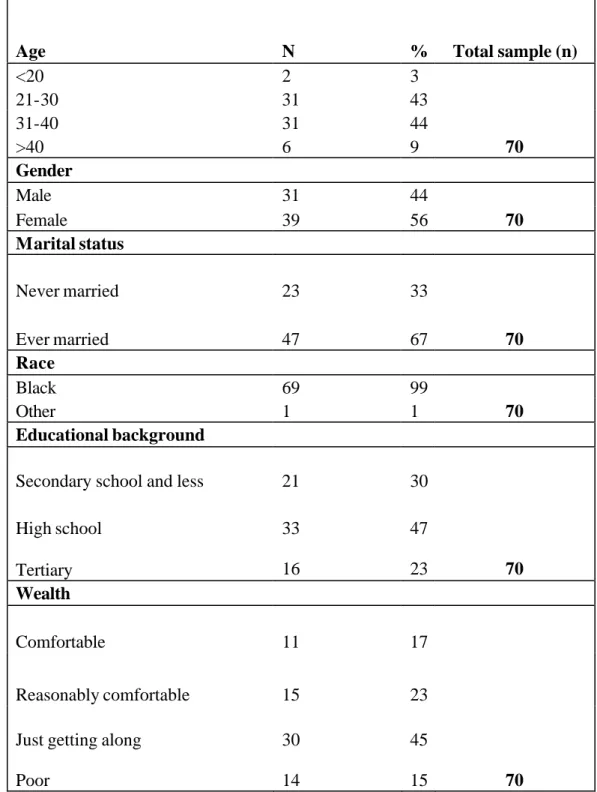
Table 4.1 – Background information of the respondents ……..……….……… 44
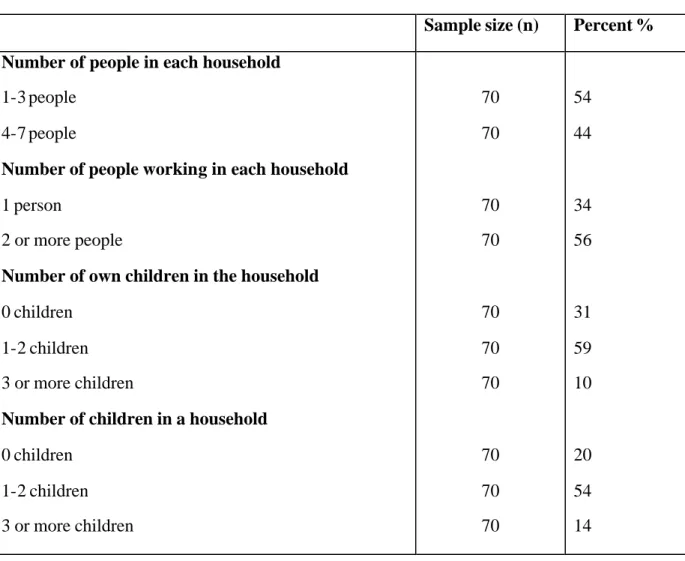
Table 4.2 – Respondents’ households ...………...……… 46
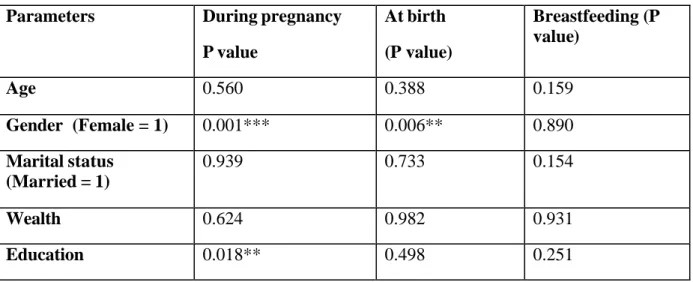
Table 4.3 – Hypothesis ………...…..……….. 48
Table 4.4: Prevention of Mother to Child Transmission (PMTCT) ………...……… 50
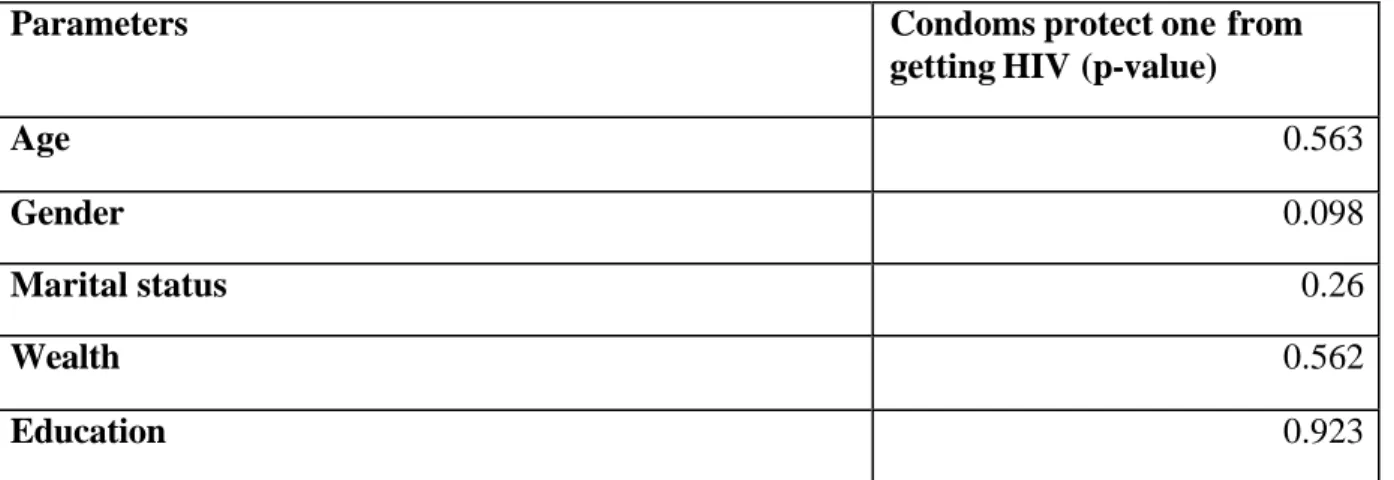
Table 4.5 – Condoms protect one from contracting HIV ……….……….. 51
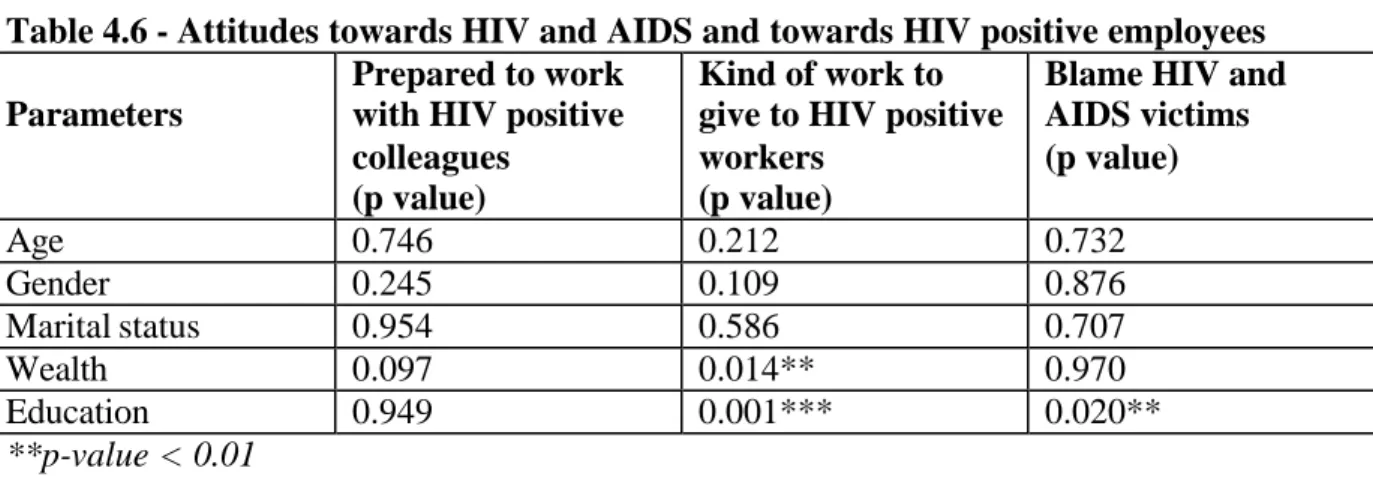
Table 4.6 - Attitudes towards HIV and AIDS and towards HIV positive employees …....… 54
Table 4.7 - Attitudes towards HIV and AIDS and towards HIV positive employees …... 55
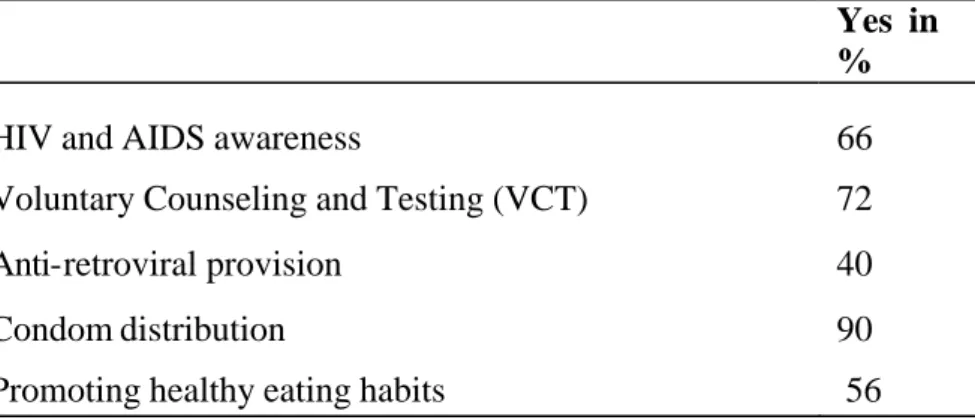
Table 4.8 – Awareness by employees about approaches used in HIV and AIDS management in Thetsane Industrial Area ……….………..………. 57
Table 4.9 – Knowledge about approaches used in HIV and AIDS management in Thetsane Industrial Area ………...………. 58
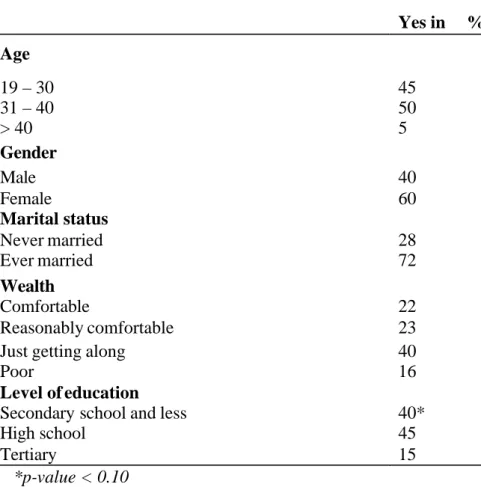
Table 4.10 - Respondents who tested in the previous year of the study (2008) by selected socio-demographic characteristics ………...……….. 60
Table 4.11: Respondents who took a HIV test in the previous year of the study (2008) ………..…………..…………. 61
Table 4.12 - Frequencies on risk of contracting HIV at work ………...…………. 62
Table 4.13 - Respondents who were aware that ARVs are readily available on site by selected characteristics ……….………..………….. 63
Table 4.14 - Respondents who believe condoms can protect one from getting HIV and AIDS by selected characteristics ………...……….……….. 66
x Figures
Figure 1.1 - Map of Lesotho ……….………...………. 4 Figure 1.2 – The PRECED-PROCEED model ... 9 Figure 2.1: Estimated adult (15-49 years) HIV prevalence rate (%) globally and in Sub- Saharan Africa, 1990-2007 ………. 15 Figure 4.1 – ARVs readily available at workplace ……..………..……… 64 Figure 4.2 – Respondents’ opinions on HIV and AIDS management at work ……..……… 68
xi ABBREVIATIONS
AIDS Acquired Immune Deficiency Syndrome ALAFA Apparel Lesotho Alliance to Fight AIDS ART Antiretroviral Treatment
ARV Antiretroviral Therapy CD4 Cluster of Differentiation 4 HIV Human Immunodeficiency Virus HTC HIV Testing and Counselling
KYS Know Your Status
LECAWU Lesotho Clothing and Allied Workers Union LEA Lesotho Employers Association
LNDC Lesotho National Development Cooperation LTEA Lesotho Textile Exporters Association MOHSW Ministry of Health and Social Welfare NAC Commission
NGO Non-Governmental Organization NTC National Tripartite Committee OR Odds Ratio
PMTCT Prevention of Mother to Child Transmission
xii PRB Population Reference Bureau
PRECED Predisposing, Reinforcing, and Enabling Constructs in Educational Diagnosis and Evaluation
PROCEED Policy, Regulatory, and Organizational Constructs in Educational and Environmental Development
PSI Population Services International
SADC Southern African Development Community STIs Sexually transmitted Infections
TIA Thetsane Industrial Area
UNAIDS United Nations Programme on HIV/AIDS
UNGASS United Nations General Assembly Special Session UN United Nations
USAID United State Agency for International Development VCT Voluntary Counselling and Testing
WHO World Health Organization
1 CHAPTER 1: INTRODUCTION
1.1 Background
According to (UNAIDS/WHO 2002), HIV and AIDS has been the world’s challenge for more than a decade. The entire world is in the toughest grips of the HIV and AIDS pandemic.
This disease drives those who are in the prime of their life to the grave and the rate is accelerating rather than slowing down. Medical and other health experts from all the avenues of the globe have endeavoured to find solutions to this epidemic, but there has been limited success to date. The partial successes they have gained have managed only to produce palliative interventions which help to alleviate the impact of the HIV and AIDS epidemic. In addition to its impact on the lives of those afflicted and those affected, the endemic is a threat to the workplaces as it is mainly those in the productive age groups that are infected with the disease. The aim of this study was to investigate outcomes of approaches used to mitigate the negative impacts of HIV and AIDS at workplaces in Lesotho using Thetsane Industrial Area as a case study.
1.2 Context
Lesotho is a landlocked country surrounded completely by the Republic of South Africa. It is just over 30, 000 km2 in size. Three quarters of the country’s area is the highlands and the remaining one quarter the lowlands. Lesotho is divided into 10 districts and further into four regions: the lowlands, foothills, mountains and Senqu River Valley. The country’s terrain results in the country being referred to as “The Mountain Kingdom” or “The Kingdom in the Sky”. The population of Lesotho is estimated at two million (BoS 2008). About 61% of the population in Lesotho resides in the urban areas while 32% of the population is in the rural areas (PRB 2006). There are two official languages in Lesotho; Sesotho and English.
2 The country got its independence from the British colony on the 4t h October 1966. The economy of Lesotho heavily relies on agriculture. Like most of the Southern African countries, Lesotho has recently experienced successive droughts. These droughts have led the country to experience acute shortages of food and severe famine. In addition to droughts experienced in the country, the HIV and AIDS pandemic has also affected most of the productive people leading to vast decline in production (LNHD 2007).
Lesotho is considered as one of the poor countries in Sub-Saharan Africa. The majority of Basotho, approximately 56% is poor and is living below the poverty line (PRB 2007). There is a high rate of unemployment in Lesotho which has been caused by, among other factors, a high retrenchment rate of the Basotho mine workers from the Republic of South Africa (FAO 2007). However, there has been an increase in the number of Basotho, especially women working in the clothing industries in three districts of Lesotho; Maseru, Leribe and Mafeteng. Lesotho’s HIV and AIDS prevalence is about 23.2% ranking the third highest in the world (UNAIDS 2008). It is therefore one of the Sub-Saharan African countries intensely affected by the HIV and AIDS pandemic (UNAIDS 2008). HIV and AIDS is perceived as a huge challenge for garment industries in Lesotho (Grant et al., 2001).
The epidemic is negatively affecting workplaces in different firms and in different households in the country.
The government of Lesotho has taken tangible measures in addressing the epidemic.
The pandemic was declared a national disaster by the government of Lesotho; the government developed the National AIDS Strategic Plan and also formed the National AIDS Commission (NAC) which coordinates the country’s responses to the pandemic. In 2006, the government decided to embark on the “Know Your Status” campaign as one of the strategies used to combat the epidemic in the country. The government also works hand in hand with the non-governmental organisations interested in the fight against HIV and AIDS in Lesotho.
3 The study was based on Thetsane Industrial Area (TIA), found in the Southern part of the city of Maseru district (see figure 1.1). Almost all the firms found in this industrial site during the study were owned outside the country. The majority of the labour force in TIA is Basotho and predominantly women. The fact that there are more female workers than male employees in TIA can be attributed to the nature of the job done in these industries. Very few senior managers in these firms are citizens of Lesotho. Most of the senior managers are foreigners and the majority of the assistant managers are citizens of Lesotho. The majority of the firms found in TIA were garment industries while only three firms were non- garment industries. All the garment industries in TIA and one non-garment industry produce goods sold only outside the country a n d the remaining two non- garment industries sell their products both within and beyond the borders of Lesotho.
4 Figure 1.1 - Map of Lesotho
Source: 2004 Lesotho Demographic Survey Report N
A
SOUTH AFRICA
o 15 30 60km
21MBABWE Topographic Regions
~ Foothills
1 : ;;;;;:1
Mountains1 ?W1
LowlandsEEEE3
Senqu River ValleyNAMIBIA
BOTSVIIANA
S'MZILAN
OTHO SOUTl1 AFRICA
5 1.3 Problem statement
The garment industries in Lesotho are faced with a serious danger due to the HIV and AIDS prevalence in the country (Grant et al., 2001). Workers in different workplaces are infected by the HIV and AIDS pandemic every year. The effect of HIV infection among the labour force means a huge numbers of workers leave the labour market due to increased morbidity and mortality associated with the epidemic (Barnett and Whiteside 2002:283). The impact of HIV and AIDS is witnessed both by the firms and the workers’ households.
Different firms are losing skilled and experienced employees to HIV and AIDS thereby experiencing declines in production and incurring escalating production costs as they are forced to redirect some funds to replacing the labour force being lost (Arrehag et al., 2006:116). The onus is on the individual workplaces to decide to work individually and cooperatively with other firms towards the management of the pandemic. Radical educational programmes on HIV and AIDS, treatment programmes, promotion of the voluntary counseling and testing, as well as awareness programmes, have the potential to help mitigate these challenges in the workplace.
1.4 Research questions
In order to address the a i m of the thesis, which is to investigate outcomes of approaches used to mitigate the negative impacts of HIV and AIDS at workplaces in Lesotho, the following key questions would be addressed:
· What is the impact of HIV and AIDS in clothing firms perceived by management and employees in Thetsane Industrial Area in Maseru, Lesotho?
6
· What policies are firms using to manage HIV and AIDS or help employees live with HIV?
· What is the role of employees in managing HIV and AIDS at work?
· What is the role played by the government of Lesotho in controlling HIV and AIDS in firms in Thetsane Industrial Area in Maseru, Lesotho?
· What is the role played by NGOs in managing the challenges such as HIV and AIDS faced by firms and their employees in Thetsane Industrial Area in Maseru, Lesotho?
1.5 Objectives of the study This study aims to:
· Determine the knowledge and attitudes of firm workers towards HIV and AIDS.
· Examine the impacts of HIV and AIDS perceived by managers and employees in clothing firms in Thetsane Industrial Area Maseru, Lesotho.
· Analyse the role played by workers and employers in managing HIV and AIDS in the workplace.
· Find out how the governments of Lesotho, the private sector and NGOs have responded to the HIV and AIDS management challenge in the workplace.
1.6 Significance of the study
This study contributes to the body of knowledge about HIV and AIDS in the workplace. It is further trusted that it will contribute to the understanding of how the HIV and AIDS pandemic is dealt with in different industries. It may be pointed out as well that the
7 study will promote consciousness on AIDS-related matters among the employers and the employees thereby empowering both parties meaningfully through shared knowledge.
1.7 Limitations of the study
The study sample was not big enough to represent the workplace population from different industries in Lesotho. The size of the sample also affected the statistical analysis of the quantitative data collected. Furthermore, the questionnaires were all written in English, which might have restricted the research subjects from freely expressing themselves well enough even though they were encouraged to feel free to respond in any language they felt comfortable with. It was also realized that with the subjects who did not understand the English language the session took longer because the researcher had to translate each one of the questions into Sesotho, the implication of questionnaire translation was that a relatively small number of employees were interviewed in an hour’s time (lunch time for employees).
Very few of the subjects were interviewed during their work hours with permission from their managers, this suggests that time for interviews with most of the subjects was limited because they only had one hour for lunch during which they were interviewed. The time restriction for interviews might have deprived the workers a chance to explore the questions well enough before they could give their responses.
1.8 Theoretical framework
The study was informed by two theoretical frameworks. The Social learning theory and the PRECED-PROCED model for health promotion planning and evaluation. The social learning theory considers opinions, thoughts and behaviour by different individuals to be influenced to
8 a great extent by their social environment (Croyle 2005). Learning would be difficult if people were to rely only on their individual experiences. The social learning theory asserts that human beings learn by observing actions of others and not only from their own
experiences (Horizons 2006). In the context of HIV and AIDS management, the social learning theory maybe functional as an effective approach to educate people about the pandemic and to talk to them about skills and approaches which can lead to behavioural change. The skills development in the application of the learning theory would include proper use of condoms, how to negotiate for safer sexual intercourse as well as teaching people about the importance of knowing their HIV status.
The PRECED-PROCEED model developed in order to effectively study a range of community health issues. PRECED is an acronym for Predisposing, Reinforcing, and
Enabling Constructs in Educational Diagnosis and Evaluation and PROCEED is an acronym for Policy, Regulatory, and Organizational Constructs in Educational and Environmental Development.
9 Figure 1.2 – The PRECED-PROCEED model
Source: Health Promotion Planning: An Educational and Environmental Approach by Lawrence W. Green and Marshall W. Kreuter.
The model (PRECEDE-PROCEED) realises that health behaviours are complicated and are a result of multiple factors. The willingness and determination of the clients in the application of the PRECEDE-PROCEED model plays a critical role. The success in managing any health issue using this model is dependent on the cooperation a well as positive participation of the client in the process (Green 1992). The undertaken study in Thetsane Industrial Area analysed approaches used in controlling the HIV epidemic in Thetsane Industrial Area, the application of the Precede-Proceed model was perceived relevant in investigating HIV and
10 AIDS management approaches in the workplace as it encourages more responsibility on the clients (on HIV and AIDS management in this context) and not on the researcher.
1.9 Structure of the study
Chapter one comprises the general introduction, which will provide an overview of the entire study. Chapter two will be a literature review of the main debates around the management of the HIV and AIDS pandemic in the workplace. Chapter three will be an outline of the methodology and methods that will be used in this research. Chapter four will provide the quantitative findings of this research. Chapter five will discuss the qualitative findings of this study. The final chapter will summarize the study; provide the conclusion and present recommendations.
1.10 Summary
This chapter has outlined the background of this study. It has stated the purpose of the study as well as the objectives and critical questions explored by the study. The problem statement has been outlined in this chapter, the importance and limitations of the study have been highlighted. The chapter has also provided the theoretical framework applied for the success of the current study. Finally the chapter has outlined the structure of the report.
11 CHAPTER 2: LITERATURE REVIEW
2.1 Introduction
This chapter reviews literature relevant for this topic to develop the conceptual and analytical framework which will inform the research methodology, as well as to define the terms used in this dissertation.
2.2 Defining HIV and AIDS
Human Immunodeficiency Virus (HIV) is a virus which causes the illness classified as the Acquired Immune Deficiency Syndrome (AIDS). (Lynch1983: 3) defines HIV as “a disease-causing agent, or pathogen, which primarily targets cells of the immune system, our bodies’ natural defense against infection and disease”. HIV attacks the body's immune system by attaching to the Cluster of Differentiation 4 (CD4) cells, and eventually weakening the body's natural ability to fight off infections (Epstein 2007:15). The CD4 cells:
“… are vital to the body’s defenses against disease. HIV targets them. Because it cannot replicate on its own, the virus enters the helper T cells – the very cells that produce the body’s defense mechanisms against disease and cannibalises the cell mechanisms to produce itself” (Cameron 2005:10).
The immune deficiency leads to vulnerability to infections which would not develop in the presence of a healthy immune system. The human’s immune system weakened by HIV becomes less able to resist infections (Page et al., 2006:2, Cameron 2005:10, Barnett and Whiteside 2002 and Lynch 1983). At this stage, many illnesses which the body would normally fight off have the opportunity to infect the person. Research reveals that people infected with HIV and AIDS show symptoms of different diseases (Page et al., 2006:2).
12
“AIDS is a disease. It is an infection, a syndrome, an illness, a disorder, a condition threatening to human life. It is an epidemic – a social crisis, an economic catastrophe, a political challenge, a human disaster,” (Cameron 2005). Discovered around 1979/80 in the United States of America where most cases were found among homosexual men, the HIV and AIDS pandemic has and continues to affect people in all walks of life (Barnett and Whiteside 2002:28). At around the same time (1979/80), the disease was discovered in central Africa among the heterosexual people and health service providers referred to it as a
“slim disease” because its patients severely lost weight (Page et al., 2006:1). An individual tested HIV positive faces a life-long condition which goes through several stages and has numerous consequences.
HIV is transmitted from one person to the other through an exchange of bodily fluids.
These fluids include semen as well as blood of an infected person. An exchange of bodily fluids which transmit the HIV infection can also take place through unprotected oral, vaginal and anal sexual intercourse with an infected person (Arrehag et al., 2006). Moreover, the HI Virus can be transmitted through the use of needles or other skin-piercing instruments with contaminated blood. Arrehag and colleagues further argue that the virus can be transmitted through blood transfusion of HIV contaminated blood, and to the unborn baby during pregnancy, at birth, or during breastfeeding (Arrehag et al., 2006). According to (UNAIDS/WHO 2002), heterosexual sex is the major mode of HIV transmission in Sub- Saharan African countries where the modes of transmission comprise unprotected sexual intercourse, multiple sex partners and sexually transmitted diseases (STDs).
HIV and AIDS has reached all the countries in the world since its discovery. Even though the pandemic has reached all the countries, Merli and other scholars contends that Sub-Saharan African region is the home of the largest number of HIV infections and deaths caused by the pandemic as compared with other regions in the world (Merli et al., 2006:1).
13 The number of people living with HIV and AIDS in Sub-Saharan Africa is estimated at 22.4 million (UNAIDS/WHO 2002:11). The reported number of the AIDS victims includes the number of the new infections which are estimated at 1.9 million people (UNAIDS/WHO 2002:11). In comparing the Sub-Saharan Africa and Latin America, UNAIDS/WHO estimated two million people to be living with HIV and AIDS in Latin America with the new infections at 170 000 (UNAIDS/WHO 2002:11).
The HIV and AIDS epidemic has turned into a humanitarian crisis worldwide found in all societies in all countries (Naidu 2003). The pandemic impacts different countries and regions differently. The widespread impact for both the rich and the poor countries is that the pandemic strains health care budgets. Most studies, as indicated earlier, point out Sub- Saharan Africa as the most negatively impacted region (UNAIDS/WHO 2002). The death of the people in their prime and productive ages seems to be the most obvious impact of HIV and AIDS, especially in the workplace. Many young and productive employees die leaving positions not easy to fill in their workplaces. According to UNAIDS, in 2007 three-quarters (75%) of deaths caused by HIV and AIDS were in Africa (UNAIDS 2008). The increased death rates due to HIV and AIDS often lead to the escalating numbers of orphans in the region as well as to the eroded ability of different communities to provide and care for both children and the elderly.
Life expectancy in many countries hard hit by HIV and AIDS has fallen drastically.
According to UNAIDS, in countries most heavily affected, HIV and AIDS has reduced life expectancy by more than 20 years (UNAIDS 2008:13). Obviously the decreased life expectancy at birth has a negative impact on the productivity levels of different workplaces because the people who are expected to produce die too early. HIV and AIDS pandemic in Southern Africa is not only a major public health crisis, but also a threat to economic development, as it reduces the young and skilled labour force (Nattrass 2004 and Arrehag et
14 al., 2006). The consequences of the decrease in life expectancy th u s include the slow economic growth which further worsens the households’ poverty levels.
HIV infections of the age groups between 15 and 49 suggest serious negative effects on the firms in which these people work as well as for individual workers and their families.
The repercussion of HIV infection is that the victims would not be able to contribute much to the economic well-being of their families and in their countries’ economic growth because they are expected to die early from HIV and AIDS-related illnesses.
2.3 HIV and AIDS in Sub-Saharan Africa
Mounting literature report Sub-Saharan Africa as the region hardest hit by HIV and AIDS in the world. Generally, the Southern African Development Community (SADC) countries are the hardest hit by HIV and AIDS (Zungu-Dirwayi 2004). Different factors have been argued by different authors as reasons why the African population is more susceptible to HIV and AIDS. Concurrent or simultaneous sexual intercourse practices (especially by African men) is argued as a major role player in the vast spread of HIV in Sub-Saharan African countries as opposed to developed countries characterized by serial monogamy practices (Epstein 2007:55). Concurrent sexual intercourse practices are risky as they link different people up in a ‘giant web’ of sexual relationships creating an ideal condition for HIV to spread (Epstein 2007:55) .
The 2009 AIDS epidemic update stated that HIV and AIDS continue to have an enormous negative impact on business, households, communities and national economies in Sub-Saharan Africa. Research points out Africa as having the biggest share of the 40 million people currently living with HIV and AIDS in the world (Page et al., 2006 and UNAIDS 2008). Political instability, underdevelopment, widespread poverty and poor infrastructure are
15 argued as the major reasons for the rapid spread of HIV in African countries (UNAIDS 2008). These factors combined may perhaps be argued to have intensified the spread of the disease in Africa. For example:
“Poverty and its associated factors, low education and decreased decision-making power, can indeed increase the risk of HIV infection. Low socio-economic status robs the poor of the knowledge necessary for the prevention of infection with HIV/AIDS, and also increases susceptibility to infection by making the poor more likely to practise unsafe sexual behaviour” (Tladi 2006:380).
Unsafe and risky sexual practices by the poor include the practice of unprotected sexual intercourse with those who are in the position to provide the poor with an income for survival. Unprotected sexual intercourse could be a risk factor for the escalating HIV prevalence in many countries. HIV prevalence has stabilized globally and in Sub-Saharan Africa as shown in Figure 2.1 (UNAIDS 2008).
Figure 2.1: Estimated adult (15-49 years) HIV prevalence rate (%) globally and in Sub- Saharan Africa, 1990-2007
Source: UNAIDS (2008)
Despite the stabilizing HIV and AIDS prevalence globally and in Sub-Saharan Africa, new infection incidences of the pandemic are argued to still be high. An increase in mortality
16 rate caused by AIDS is argued as the reason why the prevalence of HIV and AIDS has leveled off in several countries (Arrehag et al., 2006:29).
HIV and AIDS can b e managed very well (UNAIDS 2008) . It is possible to keep the pandemic under control if victims follow instructions from their medical practitioners providing them with medication. Managing HIV and AIDS pandemic, especially in the workplace, calls for effective workplace HIV and AIDS policy, knowledge of the disease and adherence to treatment by victims. Employers must be approached and b e meaningfully work-shopped on how they should handle their employees who are HIV positive (Vass 2008).
In his fervent support of the above profession, Vass paints a clear picture that mutual co- operation between employers and employees in workplaces can substantially help to reduce high death rates of HIV and AIDS victims (Vass 2008). For instance, smooth communication between an employer and his employees would lead to the employer allowing the infected employees to attend check-up sessions with their doctors and also grant them the time needed to take their medication during work hours.
2.4 Impact of HIV and AIDS on business
HIV and AIDS in Africa seems to be causing a greater loss of productivity in the workplace than any other disease. The pandemic creates fear and anxiety in different firms and households. HIV and AIDS are believed to be a serious threat to the world of work. It impacts negatively on all businesses at macro-economic and micro-economic levels with increased absenteeism by workers, increased labour turnover, and deaths of employees, increased costs of production and reduced productivity and profitability (Asian Business Coalition on AIDS 2002). It is therefore critical that managing the HIV and AIDS pandemic in the workplace gets prioritized in order to effectively and successfully control the risks
17 related to its spread. Companies are warned t o execute the necessary contingency plans to mitigate the impact of HIV and AIDS in order to mitigate the likelihood of paying heavy penalties in lost productivity due to absenteeism, the death of skilled employees, increased recruitment costs, training of new employees and shrinking consumer markets (Jean-Pierre 2004 and Barnett and Whiteside 2002:242). Successful management of the epidemic will not only benefit the employees and their households, but also the companies affected as they will be able to deal with the HIV and AIDS-related issues in a fair manner that will cater for both the employer and the employee’s needs.
From the literature reviewed, the cases of HIV and AIDS are increasing at an alarming rate in Lesotho with the urban areas being the worst affected, and Maseru urban at the forefront (CARE 2001 and Sechaba 2000). In Lesotho, the first HIV and AIDS case was reported in 1986. Since then, a striking increase in the number of HIV and AIDS infections has become a serious threat to the entire nation and to the different firms operating in the country. Close to one quarter of the adult population in Lesotho is estimated to be living with HI Virus (USAID/Lesotho 2008).
Due to t h e HIV and AIDS pandemic, life expectancy at birth has declined tremendously in Lesotho. Life expectancy at birth is currently 35 years for males and 36 for females (PRB 2006). The country’s HIV and AIDS prevalence was estimated at 23.2% in 2007 which claimed at least 18 000 lives (Avert 2007). The high prevalence of the HIV and AIDS epidemic led to His Majesty King Letsie III declaring HIV and AIDS a national disaster in Lesotho in the year 2000.
Based on the information on HIV and AIDS prevalence in the country, there is no doubt that the workplaces in Lesotho are occupied by many people living with HIV and AIDS and many more affected by the pandemic, and that the country has, and continues to
18 be, negatively impacted by the HIV and AIDS pandemic. HIV and AIDS have serious effects on employees and on the duties they perform in the workplace. The decreasing ability of workers to carry out their assigned tasks has ripple effects on different companies’ outputs.
2.4.1 Increased absenteeism
As time progresses, HIV progresses to the stage of AIDS and the effect of its progression may lead to an increased level of absenteeism by the affected workers. The periods of absenteeism may well affect the firms negatively, and the situation gets worse if the victims are skilled or hold important positions in the firm because it is difficult to replace them. High levels of absenteeism disrupt production flow resulting in failure to meet deadlines. It is difficult for people with AIDS to work effectively because they often feel very tired and usually sick (Page et al., 2006:21). Frequent sicknesses accompanied by frequent and long sick leaves increase absenteeism of workers in workplaces. Visits to health centers during work hours by the workers, or employees taking their family members to health centers, can be argued to be another factor influencing absenteeism from work.
Furthermore, business expenditure caused by the workers’ absence from work has long been a worry for employers (Page et al., 2006). It seems therefore that absenteeism is a major challenge facing different companies with HIV infected and affected employees.
Absenteeism from work is not only caused by the worker’s sickness. Research highlights that sometimes other employees take time off from work to attend funerals of their colleagues or of the workers’ close relatives and friends (Barnett 2002 and Whiteside 2002:244). Their absence from work also has a negative impact on the business especially if it happens repeatedly. Excessive absenteeism in workplaces hinders sustainable delivery of goods and services. It results in low productivity and profitability of the company. During the
19 absence of some workers at work, other employees are forced to fill in or multi-task in order to cover the work that should be done by the absent workers. Absenteeism from work suggests therefore that other workers are overworked. The results of overworking the labour force are often a decline in workers’ morale. Again, “In businesses where workers are becoming ill and dying, there is likely to be a declining employee morale” (Forsyth 2002).
HIV and AIDS affect the ‘heart’ of the business world, and that the pandemic has a detrimental effect on morale and motivation of those who work in the same environment with HIV positive colleagues (Rick 2004). In some instances temporary workers are employed by the companies to fill in for the sick employees thus adding up to the production costs of the company. For example, a study undertaken in Ethiopia found 53% of the reported HIV and AIDS-related illnesses which caused absenteeism in at least 15 establishments respectively.
The employees’ absenteeism in these establishments was reported to have totaled to 15 363 incidences of absenteeism in five years only in these 15 establishments (USAID 2001). One of the largest Namibian water purification company announced HIV and AIDS to have crippled the company in 2000. The company reported an increasing absenteeism level from work by workers which led to a general loss in productivity (Angula 2002). A similar occurrence of an increase in absenteeism from work is reported in Zambia’s largest cement company between 1992 and 1995 which was a result of HIV and AIDS-related deaths (Barnett 2002 and Whiteside 2002:244).
Employees who are ill due to HIV and AIDS will need more sick leaves and may work less efficiently. The employees’ illness related to HIV and AIDS may be pointed out as one of the factors adding to the high levels of absenteeism experienced by many firms. The result of the increased absenteeism is a decrease in productivity of the company because sick employees will not be able to focus on their work, but will be worrying about their health condition. For example, a study in Kenya in 2003 revealed that HIV positive workers were
20 less productive at work. From a tea estate in Kenya, managers reported that the supervisors for HIV and AIDS patients often had to shift them and give them light duties in the firm because they became less productive as the disease progressed in their bodies (Fox et al., 2004 and Arrehag et al., 2006:116 ). A company with sick employees due to HIV and AIDS is faced with a need for temporary labour for the continuation of the production process.
Hiring temporary labour increases production costs of the company. For instance, the repeated training of new employees to fill the company skills gaps is costly. The South African Business Coalition on AIDS revealed at least 24% of companies in the manufacturing, retail, wholesale, motor vehicle and construction sectors to have incurred increased recruitment and training costs due to HIV and AIDS (South African Business Coalition on AIDS 2004).
2.4.2 Labour turnover
Many countries, especially those found in the Sub-Saharan African countries, have and continue to experience a severe erosion of skilled and experienced labour force in the firms due to HIV and AIDS-related deaths. The loss of an employee through death has various negative implications in the workplace. For Chetty, death increases the workload of other workers in the firm (2002:30). High death rates in the workplace negatively affect the labour force, and this has been found to be widespread. In Debswana diamond firm in Botswana, the employee deaths related to HIV and AIDS increased from 37.5% of all employee deaths in 1996, to 48.3% in 1997 and rose to 59.1% in 1999 (Barks-Rugglesf 2001). In South Africa, the revealed at least 27% of companies in the manufacturing, retail, wholesale, motor vehicle and construction sectors to have indicated that they had lost experienced and skilled labour as their employees died of HIV and AIDS-related illnesses
21 (South African Business Coalition on AIDS 2004).
In relation to HIV and AIDS in the workplace, poor morale and low levels of motivation within the workforce could be linked to the causes of high labour turnover (Asian Business Coalition on AIDS 2002). The South African Business Coalition on AIDS revealed at least 30% of companies in the manufacturing, retail, wholesale, motor vehicle and construction sectors to have reported higher labour turnover rates because of HIV and AIDS (South African Business Coalition on AIDS 2004). The HIV and AIDS pandemic seems to influence labour patterns in the workplace. HIV and AIDS is affecting the productive working age population thereby challenging different countries’ potential to grow economically as the levels of production in the firms decrease. Recruiting new workers in order to replace employees who are very sick and those who have died has been argued as an expensive process for companies (Arrehag et al., 2006:93). Recruitment costs may be acknowledged as one of the major challenges for many companies as they cannot afford to employ workers who are on sick leave most of the time due to the illnesses often associated with HIV and AIDS.
2.5 Approaches to managing HIV and AIDS in the workplace
The literature suggests that an understanding by the firms’ management of the cost associated with HIV and AIDS on their business is critical. Arrehag and colleagues argue:
“Deteriorating health reduces labour productivity” (Arrehag et al., 2006:93). Reduced productivity experienced by different companies is often seen when companies lose experienced workers who die or become very ill from HIV and AIDS. It can be pointed out that it is difficult to fill the positions of the experienced workers. The loss of other employees
22 automatically leads to the reduction of the number of workers in the firm as well as the increased cost for the company as it replaces the ill or dead workers. After losing the employees to death or serious illness related to AIDS, the firms are forced to recruit and train new staff members in order to replace the lost workers. The new employees are usually young and lack experience; the effects of new employees may also result in reduction of productivity and profitability of the affected company. It is imperative for the firms’
management to understand that HIV and AIDS infections occur mostly among the young and productive people aged 15-49 years. These people, if in good health, are to be considered assets for each firm aiming to produce more and for a longer period of time. An understanding by the top management of the problems associated with the HIV and AIDS epidemic determines the success of HIV and AIDS management programmes in the workplace (Chetty 2002). If the top management themselves do not understand or realize the impact that HIV and AIDS has on their companies, it becomes difficult to implement policies and programmes that would help in managing the pandemic.
Scholars argue stigmatizing HIV and AIDS victims as a key driver of the epidemic in Sub-Saharan Africa (Campbell et al., 2006 and Arrehag et al., 2006). HIV and AIDS-related stigma is argued as one of the main challenges in combating the epidemic worldwide (UNAIDS/WHO 2002). Stigmatization of AIDS victims is seen as a challenge because it undermines HIV prevention as well as the care and treatment of people living with HIV and AIDS. It can therefore be argued that without proper management strategies, there is an indirect promotion of inequality and discrimination against those living with HIV and AIDS.
It is of critical importance that firms develop and implement effective and appropriate strategies of managing the pandemic in the workplace. HIV and AIDS victims exposed to stigma suffer depression, despair and lack of self worth (UNAIDS/WHO 2002). The involvement of the companies’ management teams in managing the epidemic in the
23 workplace therefore makes it possible to create a supportive environment for those employees living with the virus. Again, involving management from the companies assists in eradicating the stigma associated with AIDS in the workplace because it creates an open communication environment on AIDS-related issues. Formulation of the HIV and AIDS policy providing both the employers and the employees with the guidelines in terms of handling HIV and AIDS in the workplace, may be argued critical strategies for different companies t o use in managing the epidemic in the workplace. Cameron believes “. . . this pandemic demands action in the same way that the struggle against apartheid [in South Africa] demanded action” (Cameron 2005:7).
2.5.1 Policies
An HIV and AIDS policy provides a framework for action and defines the company’s position in management of HIV and AIDS at work (Sooklal 2001:17). Risk management pertaining to HIV and AIDS in the workplace requires an establishment of a secure working environment which can be provided by the workplace HIV and AIDS policy for both the infected and other employees. An HIV and AIDS workplace policy describes how a company will consistently and fairly take care of employees who are living with HIV and AIDS, and employees who are indirectly affected by the epidemic. According to different researchers, the best workplace policies explicitly define the management of HIV and AIDS infection and prevention for both the employers and the employees (Allen 2001). The policy helps in managing sensitive issues such as confidentiality of medical information and continuation of employment for HIV positive staff. It also should declare that all testing and counseling services performed on a voluntary rather than mandatory basis (Asian Business Coalition on AIDS 2002).
24 It is through the effective implementation of an HIV and AIDS policy in the workplace that the companies are able to encourage behavioural standards for all employers and employees. Companies are able to set the standard for communication about HIV and AIDS and to provide a good foundation upon which to build an HIV and AIDS workplace programmes. In this way, employees get to be informed about the help available at work for those infected and affected by HIV and AIDS. An effective implementation of policies is usually a major challenge. In order to overcome this challenge, managers in the workplace should consult and be involved with different levels of employees in the firm to discuss ways the policy would be implemented effectively (Sooklal 2001). The involvement of the employees ensures a successful implementation process of the workplace HIV and AIDS policy because the workers will feel part of the programme rather that the programme being imposed on them by the management.
There is a need for companies to take action in the fight against the HIV and AIDS pandemic because of the direct and indirect impacts the disease has on business as discussed earlier. In response to the impacts of the HIV and AIDS epidemic in the workplace, different companies from different countries have formulated workplace HIV and AIDS policies.
Access to information and education are critical in reducing vulnerability to HIV and AIDS.
Education and knowledge are keys to reducing the rate in which HIV spreads and the stigma attached to AIDS (Page et al., 2006). The implementation of effective HIV and AIDS programmes i n the workplace should be aimed at preserving the non- infected workforce, minimizing the impact of HIV and AIDS on infected workers and considering ways to prolong the lifespan of those employees living with the virus (Naidu 2003).
According to Naidu (2003:77), sustainability in implementing HIV and AIDS programmes in the workplace is one of the challenges that firms should overcome in order to successfully manage the pandemic (Naidu 2003 ). Successful HIV and AIDS programmes in
25 the workplace are expected to result in workers volunteering to undertake voluntary counseling and testing in order to know their HIV status. These programmes should further provide employees with the necessary information that will enhance their understanding of HIV and AIDS.
2.5.2 HIV and AIDS education and training
HIV and AIDS education for both skilled and unskilled workers is a key tool that can be used to manage the epidemic in the working world. It has also been realized that the employers should be proactive in handling HIV and AIDS issues in the workplace. The employees’ participation in all the phases of the HIV and AIDS management programmes is critical for the success of the management of the pandemic. The workers' involvement empowers them in many ways; they feel part of the programmes therefore take responsibility for the success of such programmes. HIV and AIDS committees made up of volunteering employees are suggested as effective strategies which could be used by different companies in involving their employees in participating in the company’s initiatives to manage the HIV and AIDS pandemic at their workplace (Vass 2008).
Lack of knowledge and incorrect information are the reasons why people living with HIV and AIDS are often stigmatized and do not receive the support they need, both at work and at home. Lack of knowledge and incorrect information may also be pointed out to contribute to the spread of HIV and AIDS in different communities. Education of employees about HIV and AIDS is argued to be an essential management tool for the epidemic (Asian Business Coalition on AIDS 2002). Ignorance about HIV and AIDS stimulates the widespread stigma attached to HIV and AIDS which results in rejection and sometimes violence against those who are known to be HIV positive (Page et al., 2006:58). By providing
26 employees at work with accurate information on HIV and AIDS, the company would have helped both the employers and the employees to address problems associated with HIV and AIDS. Accurate information has the potential to eradicate many myths about HIV and AIDS, as well as reduce the level of HIV infections in the workplace and also help in managing various HIV and AIDS workplace-related issues more effectively.
Peer educators form a significant part of a company’s response to HIV and AIDS. In their foreword, Gibney and colleagues emphasise that peer education “impart[s] knowledge, counter[s] stigma, create[s] social consensus on safer behaviour, and boost[s] AIDS prevention and care skills” (Gibney et al., 1999). HIV and AIDS peer education provided in the workplace presents an important component of the response to HIV and AIDS in the workplace. “Peer education relies on the benefits of utilising peers as change agents since people are more comfortable with, and pay greater attention to, persons who are similar to themselves,” (Dicknson 2007:6). A study which was based on 25 companies in Zimbabwe, aimed at providing the firm managers with an action guide to successfully combat HIV and AIDS at work, revealed that peer education and HIV and AIDS awareness programmes helped in reducing HIV incidences among workers (Rau 2002). The idea of peer education is about using employees to educate, inform and advise their co-workers on HIV and AIDS, provided they are correctly trained (Page et al., 2006). Employees are often at ease talking to their co-workers about anything, and getting advice from them rather than talking to their managers and supervisors. The use of peer educators is argued as the most effective and most cost effective way of educating employees on HIV and AIDS at work as they are sourced from within the company (Page et al., 2006:100).
27 2.5.3 Condom distribution
Condoms may be argued as the most reliable preventive measure in managing the spread of HIV. Condoms are argued to be about 90% effective in preventing HIV transmission (Hearst and Chen 2004:39). Moreover, “. . . condoms are the most effective means of avoiding HIV infection, in the absence of abstinence” (Tladi 2006:373). Using condoms during sexual intercourse minimizes the chance of transmitting HIV and AIDS to the next partner. Both male and female condoms play a significant role in preventing the spread of HIV and all other sexually transmitted infections (STIs) if consistently and correctly used.
Consistent use of condoms does not only benefit those who are HIV negative, but also those who are HIV positive from being re- infected with HIV (Hearst and Chen 2004:44). Research suggests inconsistent use of condoms during sexual intercourse to lead to the increased risk of contracting STIs and HIV infections among the youth in South Africa (Brook 2006).
The UNAIDS/WHO study in 2005 revealed Kenya as one of the successful case studies where the distributed condoms were used to help in mitigating the impact of HIV and AIDS.
The study points out an estimation of 24% of women who reported to have used condoms in their previous casual sexual intercourse. The reported percentage of condom use was perceived as an improvement as compared to the discovery of the study carried out during 1998 which revealed only 15% of women who reported to have used condoms during their last sexual intercourse activity. In 2007, the UNAIDS/WHO report still shows an increase in condom use in Kenya and other African countries among both men and women. Lesotho’s formal comparative study has not been provided in the study to provide the information on condom use in the country.
Having multiple sexual partners has been seen as one of the modes through which HIV is spread, especially in Sub-Saharan Africa (UNAIDS/WHO 2002). Making condoms freely available to both the employees and visitors to the workplace is one strategy through which
28 the spread of HIV and STIs can be reduced. While some of the employees and visitors to workplaces might not use condoms, they will be reminded of the practice of safe, protected sex every time they see these condoms. Availability of free condoms within the company’s premises will also demonstrate the company’s commitment to HIV and AIDS prevention.
Condoms can be easily distributed by installing dispensers in the company’s toilet areas and cloakrooms used by visitors to the company, in the staff commons, as well as using peer educators to distribute them on the site and in their communities (Gitari 2007:21).
Criticism on condom use include that they might increase sexual activity instead of abstinence especially among the youth. This concern advocates that condom promotion will do more harm than good in different societies (Hearst 2004:44). However, research on sex education provided for the youth shows no causal effect related to an increase in sexual activity resulting from the use and promotion of condoms. Sex education programmes are rather argued to encourage delayed sexual intercourse initiation (Hearst 2004:44).
2.5.4 Voluntary Counseling and Testing (VCT)
People decide on taking an HIV test for different reasons. VCT is very important because testing is the only way through which one can know his or her HIV status. It also provides an individual a chance to think about his or her lifestyle options and make appropriate choices.
VCT programmes is argued to have a potential to adjust people’s sexual behaviour (Nattrass 2004:102). People who know that they are HIV positive need to change their lifestyles in order to ensure that they stay healthy for as long as possible. Change of lifestyle is also critical for people who have tested HIV negative. In order for them to stay negative, they need to live risk free lives. Furthermore, argues that VCT can assist in the early detection of one’s HIV status (Ndobo 2006). An early detection of a positive HIV status gives the victim a
29 chance to access treatment early. VCT comprise confidential HIV testing, together with pre- test and post-test counseling. Various strategies can be used to encourage workers to go for VCT. I n the workplace, employees can be encouraged to go for VCT either by bringing a VCT service on-site, or by transporting them to and from the VCT centre. In order for VCT programmes to succeed, it is critical that the company's management, as well as the HIV and AIDS coordinators, task teams and peer educators, set the example by undertaking VCT.
The government of Lesotho embarked on a campaign called “Know Your Status” (KYS) which the government introduced as one of the strategies to use in reversing the impact of the pandemic in the country. The objective of the campaign was to make sure that by the year 2007 all members of the population aged 12 upwards know their HIV status so that those who tested positive could be helped in time in order for them to be able to live longer by the use of HIV treatment (MOHSW 2006). “As a result of the implementation of the two-year “Know Your Status” (KYS) campaign between 2006 and 2008, the number of individuals in Lesotho seeking HIV Testing and Counselling (HTC) has increased significantly from year to year,”
(UNAIDS 2008).
VCT has been proven to be one of the effective approaches to use in managing HIV. It is equally important to also look into the negative effect that might result from VCT. Adequate counseling processes play a critical role in VCT. If it happens that counseling is inadequate, depression, suicide and sometimes “revenge” behaviours by those who tested HIV positive are highly possible (Gibney 1999:88). Looking at the possible “revenge” behaviours that could result from inadequate counseling, the effect realised is an increase in the spread of HIV as opposed to a decrease.
30 2.5.5 Treatment
It is imperative that the individuals diagnosed HIV positive start their treatment as early as possible in order to successfully manage the HI Virus in their bodies. The Lesotho UNGASS country report estimated at least 2 224 pregnant women who tested HIV positive in 2006 to have been provided with Anti-retroviral Therapy (ART) for prevention of mother-to- child-transmission of HIV (PMTCT) (Lesotho UNGASS Country Report 2009). It is argued that “Mother-to-child transmission, also called MTCT, or vertical transmission is common today, resulting in millions of pediatric AIDS cases” (Singhal 2003). The number is said to have increased in 2007 whereby 5 538 pregnant women who tested HIV positive also started to take ART treatment. Men are not included in these figures because their figures are not in the report. It can be argued, as the UNAIDS report for 2008 has highlighted, that the number of people receiving treatment for HIV and AIDS has increased. ART has changed the concern about HIV and AIDS infection into a manageable chronic illness. ART improves the health of persons with HIV by slowing the development of the disease to AIDS. The UNAIDS World AIDS Day report in 2008 also revealed that the number of HIV and AIDS patients who die from different opportunistic diseases decreased from 2.2 million in 2005 to 2.0 million worldwide in 2007 because of the treatment (ART) used to mitigate the effects of the HIV and AIDS pandemic. An HIV positive person who uses the Anti-retroviral therapy correctly and at the right time is anticipated to live longer and to have a better quality of life and still be able to work productively. ART is therefore beneficial to both the HIV positive employees and the company. Provision of ART in the workplace would demonstrate support towards the company’s employees living with HIV and AIDS and has the potential to advance prevention efforts.
31 2.5.6 Care and support
Care and an efficient provision of support for people living with AIDS require sufficient long term resources. The number of people living with AIDS who need to be supported and cared for is increasing (Storti 2004). It is crucial for HIV and AIDS patients to be taught about the disease and different ways through which the disease can be managed.
This teaching includes promotion of safe sexual behavior, education on nutrition and the reduction of risky behaviour activities such as injecting drugs. Lack of resources is argued to be the main challenge for the provision of care and support needed by workers living with HIV and AIDS especially in developing countries such as Lesotho (Gitari 2007:28).
Provision of support for the employees affected by HIV and AIDS is perceived as an effective approach to follow in mitigating the impact of HIV and AIDS i n the workplace (Gitari 2007:28). Educational support is one of the ways through which support to the infected can be shown. Through relevant education, the infected workers are made aware of the need to avoid risky behaviours such as unprotected sexual intercourse practices, avoiding drug injections, as well as provision of information on healthy eating practices. The other way of supporting the HIV positive employees is psychological. Emotional support and provision of counseling to the affected workers and their households is critical. In developing countries such as Lesotho, the support for HIV positive persons is mainly provided by the development agencies in their effort to implement their programmes (Gitari 2007:28). The current provision of support by development agencies is not enough; more people should be provided with skills and knowledge on ways through which the impact of HIV and AIDS can be mitigated. Promotion of healthy eating habits is another way through which impact mitigation for HIV and AIDS victims can be achieved. It is critical for people living with HIV to eat healthy food at all times. A healthy diet is a valuable tool for HIV and AIDS management (Giffort et al., 2005).
32 2.6 The government’s response to workplace HIV and AIDS challenges
The government is one of the major role players in the management of HIV and AIDS in the workplace. The government of Lesotho is committed to the fight against the HIV and AIDS pandemic (Makeka 2006). The government’s commitment is seen in different intervention programmes intended to control the pandemic. Such initiatives include the revised HIV and AIDS policy by the government in reversing the spread of the epidemic.
Governments in different countries determine the policy frameworks leading to fight HIV and AIDS (Chetty 2002). As an example, the National Tripartite Committee (NTC), (2004), in collaboration with Ghana AIDS Commission, worked together to develop the national workplace HIV and AIDS policy for Ghana. The policy serves as a statement of commitment by the government of Ghana for protection and support of the people living with HIV and AIDS in the workplace. Research shows that there is support and promotion of HIV and AIDS prevention programmes from different governments of different countries (Chetty 2002). The support from the governments is the reformation of legislation to promote protection against discrimination and ensure privacy for those living with AIDS. However, there are challenges facing governments especially in the developing countries in regards to the fight against HIV and AIDS. These challenges include lack of enough resources needed to keep the epidemic under control. It is crucial for governments to increase efforts on HIV prevention, care and support for those already infected and for those not yet infected to remain so.
2.7 Summary
It is apparent from this review that HIV and AIDS has severe social and economic effects which impact negatively on companies, workers and their families. Behavioural change promoted and influenced by the formulation, as well as the implementation of workplace HIV
33 and AIDS policy in workplaces, is crucial in combating HIV and AIDS. “Changes in sexual behavior could prevent most HIV infection and dramatically undercut the potency of the pandemic,” (Dickinson 2009:5). If people do not decide to change their risky behaviours which lead to their vulnerability to contract and spread HIV and AIDS, the management of the epidemic is impossible. Changing risky behaviour is critical in the management of HIV and AIDS and rests largely on individuals. One route in which behaviourial change can be induced is through the initiatives designed by firms to manage the pandemic in the
workplace. The functions of the HIV and AIDS workplace policy include, among other programmes, the HIV and AIDS education, awareness and training programmes, condom distribution within the workplace premises to promote safer sexual intercourse practices, as well as the voluntary testing and counseling programmes.