Informasi Dokumen
- Penulis:
- Fitri Rahmadani
- Sekolah: Universitas Islam Negeri (UIN) Syarif Hidayatullah Jakarta
- Mata Pelajaran: Pharmacy
- Topik: Uji Aktivitas Antibakteri dari Ekstrak Etanol 96% Kulit Batang Kayu Jawa (Lannea coromandelica) Terhadap Bakteri Staphylococcus aureus, Escherichia coli, Helicobacter pylori, Pseudomonas aeruginosa
- Tipe: Skripsi
- Tahun: 2015
- Kota: Jakarta
Ringkasan Dokumen
I. Introduction
This section provides the background information and rationale for the research. It highlights the traditional use of Kayu Jawa (Lannea coromandelica) in Indonesian folk medicine, particularly in Sulawesi, for treating wounds and diarrhea. The section emphasizes the rich biodiversity of Indonesia and the need for scientific research to validate the efficacy of traditional remedies. It mentions previous studies reporting the presence of various bioactive compounds in Lannea coromandelica, such as carbohydrates, steroids, and flavonoids, and their associated activities like antidiarrheal and antioxidant properties. The research gap concerning the antibacterial activity of this plant, specifically against Staphylococcus aureus, Escherichia coli, Helicobacter pylori, and Pseudomonas aeruginosa, is identified, justifying the current study's significance.
1.1 Background
This subsection details the historical context of traditional medicine using plant-based remedies, emphasizing its global prevalence, particularly in developing countries. It highlights the abundance of medicinal plants in Indonesia and the necessity of scientific investigation to confirm their therapeutic potential. Specific examples of the traditional applications of Lannea coromandelica are discussed, focusing on its usage for wound healing and treating gastrointestinal issues. The subsection also reviews the existing phytochemical and biological activity data of Lannea coromandelica from other studies. This contextualization sets the stage for understanding the present research endeavor.
1.2 Problem Statement
This subsection explicitly states the research questions. Primarily, it addresses the absence of prior research investigating the antibacterial activity of ethanolic extracts from Lannea coromandelica obtained from Sulawesi, Indonesia. Secondly, it poses the core research question: What is the antibacterial activity of a 96% ethanolic extract of Lannea coromandelica bark against the selected bacterial species (Staphylococcus aureus, Escherichia coli, Helicobacter pylori, and Pseudomonas aeruginosa)?
1.3 Research Objectives
The research objective is clearly defined as determining the antibacterial activity of a 96% ethanolic extract of Lannea coromandelica bark against the four target bacterial species. This concisely states the research’s purpose. The focus remains on the empirical investigation of the antibacterial properties of the plant extract, providing a measurable and achievable goal. This establishes the precise aim and scope of the research.
1.4 Research Benefits
This subsection articulates the expected outcomes and practical implications of the research. It emphasizes the potential to provide new scientific data on the antibacterial activity of Lannea coromandelica from Sulawesi, furthering the understanding of its pharmacological properties and possible applications. The study also promises to contribute to the knowledge base of Indonesian medicinal plants, linking traditional uses with scientific validation. Its practical benefits include potential future applications in developing novel antibacterial agents.
II. Literature Review
This section presents a comprehensive review of the existing scientific literature relevant to the study. It covers the botany of Lannea coromandelica, detailing its taxonomic classification, morphological characteristics, and geographical distribution. It then explores the concepts of extraction methods, focusing on maseration and its suitability for this study. The review delves into the properties and selection of solvents, specifically highlighting the rationale for choosing 96% ethanol. Substantial coverage is given to the four target bacterial species, discussing their characteristics, pathogenic roles, and medical significance. The section concludes with an overview of antibacterial mechanisms and methodologies for assessing antimicrobial activity, including the disc diffusion and broth dilution methods employed in the present study. The choice of chloramphenicol as a positive control is also justified.
2.1 Kayu Jawa (Lannea coromandelica)
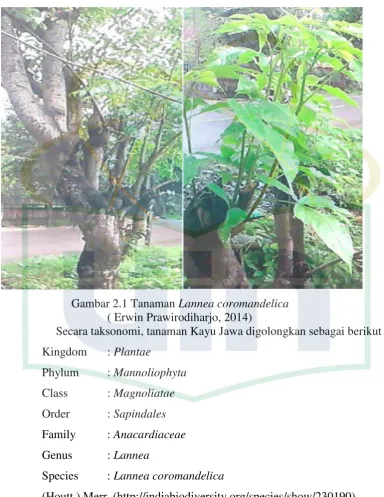
This subsection provides detailed botanical information on Lannea coromandelica, including its taxonomic classification and morphological description. It details its physical characteristics, such as size, bark texture, leaf structure, and fruit. The geographical distribution of the plant is also presented, highlighting its presence in various regions of Asia. Traditional medicinal uses of different parts of the plant, including the bark and leaves, are reviewed, emphasizing previous documentation of its applications in treating various ailments. This section lays the foundation for understanding the plant material under investigation.
2.2 Extraction and Extraction Methods
This subsection covers the theoretical aspects of extraction, defining extracts and the various extraction techniques. It emphasizes the choice of the maceration method for this study and justifies this choice based on its simplicity and suitability for thermolabile compounds. The advantages and disadvantages of maseration are compared to other extraction methods like percolation, soxhletation, and reflux, explaining why maseration was the most appropriate technique given the study's resources and aims. It also delves into the parameters used for evaluating the quality of the extract.
2.3 Solvents
This subsection details the selection of the solvent (96% ethanol) used in the extraction process. It discusses the different types of solvents used in plant extraction, emphasizing the properties of ethanol, such as its polarity, ability to extract a wide range of compounds, and ease of evaporation. It compares ethanol to other solvents like water, methanol, acetone, chloroform, and hexane. The choice of 96% ethanol is justified based on its effectiveness in extracting various bioactive compounds and its relatively low toxicity. This clarifies the methodological choice of the solvent employed.
2.4 Bacteria
This subsection describes the four bacterial species selected for the study: Staphylococcus aureus, Escherichia coli, Helicobacter pylori, and Pseudomonas aeruginosa. It provides detailed descriptions of their morphology, Gram-staining properties, and pathogenic roles. The selection of these specific bacteria is justified based on their medical relevance and connection to the traditional uses of Lannea coromandelica. This provides essential microbiological background for understanding the target organisms.
2.5 Antibacterial Agents
This subsection explains the general mechanisms of action of antibacterial agents. The various ways in which antibacterial compounds work are presented, including their effects on bacterial cell walls, membranes, protein synthesis, and metabolic processes. It clarifies the distinction between bacteriostatic and bactericidal actions. This provides the theoretical framework for understanding how the extract might exert its antibacterial effects.
2.6 Methods for Testing Antimicrobial Activity
This subsection reviews the different methods used to evaluate antimicrobial activity. The focus is on the agar diffusion method (disc diffusion) and broth dilution method (for determining Minimum Inhibitory Concentration, MIC). The principles and procedures of these methods are explained, justifying their selection for the study based on their reliability and suitability for this type of research. This ensures clarity on the experimental methodologies used.
2.7 Antibiotic Comparison
This subsection describes the choice of chloramphenicol as the positive control in the study. Its mechanism of action, chemical properties, and clinical applications are described, highlighting its use as a benchmark for comparison against the antibacterial activity of the Lannea coromandelica extract. This section explains the rationale for selecting this specific antibiotic for comparison purposes, ensuring a controlled experimental setup.
III. Research Methods
This section provides a detailed account of the research methodology, including the location and timeline of the study. It specifies the materials and equipment used for both the extraction and antimicrobial testing processes. The procedures are described step-by-step, starting from the preparation of the plant material (simplisia) through to the various analytical tests performed on the extract. The procedures for antimicrobial susceptibility testing using the agar diffusion and broth dilution methods are also meticulously outlined, including controls and quality assurance measures.
3.1 Research Time and Place
This subsection provides a concise overview of the research timeline (January-April 2015) and location (specified laboratories at UIN Syarif Hidayatullah Jakarta). This information establishes the context of the study’s execution.
3.2 Materials and Equipment
This subsection lists the materials and equipment used in the study, categorized for clarity into those used for extraction and those for antibacterial testing. The specific details of the equipment and chemicals employed are included. This ensures reproducibility of the research by providing comprehensive details of the materials and equipment used.
3.3 Procedures
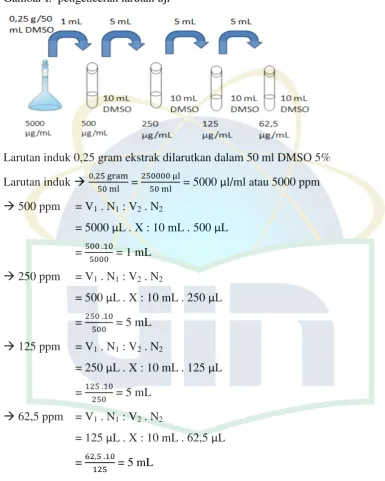
This extensive subsection details the complete workflow, outlining the steps involved in plant sample preparation, extraction (maseration), extract characterization, and antibacterial activity testing (agar diffusion and broth dilution). It provides detailed explanations of each step, including calculations for yield determination, and the specific methods for phytochemical screening. This subsection should meticulously detail each step, ensuring reproducibility.
IV. Discussion
This section analyzes and interprets the research findings. It should present the results of the phytochemical screening, indicating the presence of various bioactive compounds in the extract. The antibacterial activity results are discussed, comparing the zones of inhibition and MIC values obtained for each bacterial species against the positive control. The section should interpret these findings in relation to the literature review, explaining potential mechanisms of action and drawing comparisons with previous research on Lannea coromandelica and other plants with similar antimicrobial properties. It will critically assess the limitations of the study and suggest potential avenues for future research.
4.1 Plant Determination
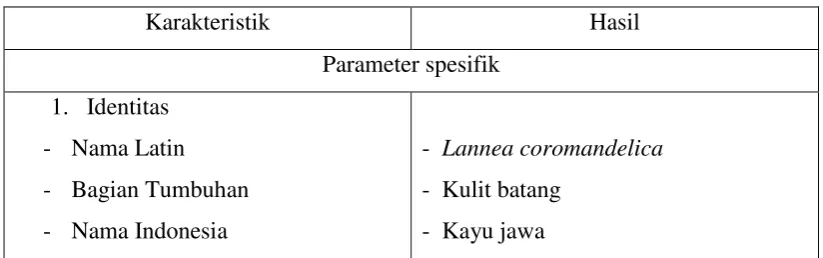
A brief description of the plant identification process, including where and how the plant was authenticated, should be included. This subsection confirms the identity of the Lannea coromandelica used in the study.
4.2 Sample Preparation
This subsection summarizes the steps undertaken in preparing the plant material for extraction, detailing processes like sorting, washing, drying, and grinding. This section provides clarity on the preparation techniques used to ensure consistency and quality of the plant extract.
4.3 Extraction
This subsection presents and analyzes the results of the extraction process, including details of the yield obtained and any observations made during the extraction. The data should be presented in a manner that allows for a quantitative assessment of the efficiency of the extraction.
4.4 Extract Parameters
This subsection presents and analyzes the results of the various tests performed to characterize the extract, such as the determination of moisture content, ash content, and ethanol residue. Any deviations from expected values should be addressed and explained.
4.5 Phytochemical Screening
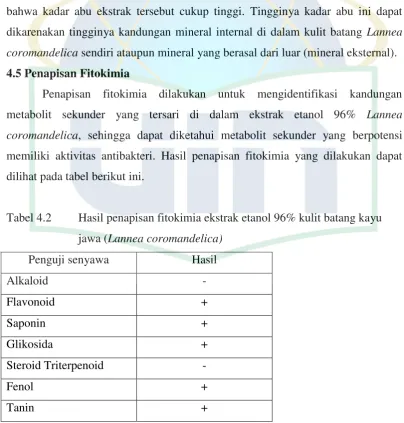
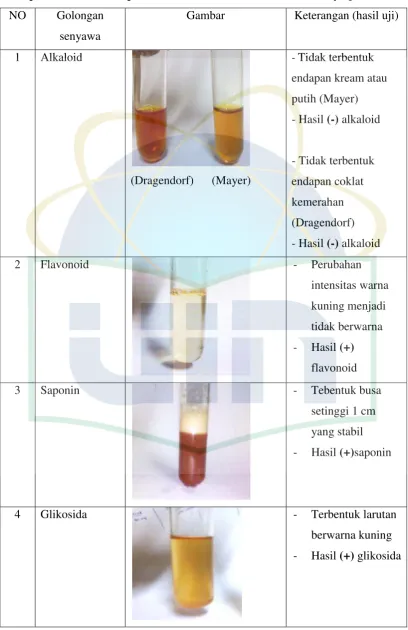
This subsection reports the results of the qualitative phytochemical analysis performed on the extract. The presence or absence of different classes of secondary metabolites (alkaloids, flavonoids, tannins, etc.) should be clearly indicated and discussed in relation to the literature.
4.6 Determination of Zone of Inhibition
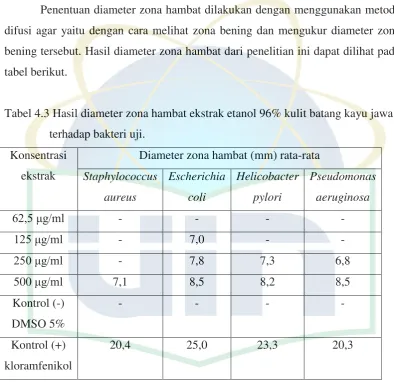
This subsection presents and interprets the results of the agar diffusion method, showing the zones of inhibition for each bacterial species at different concentrations of the extract and comparing them with the positive control (chloramphenicol). The data should be presented using tables and/or graphs for clarity.
4.7 Determination of Minimum Inhibitory Concentration (MIC)
This subsection presents and interprets the MIC values determined using the broth dilution method. The results should be compared with the positive control and discussed in relation to the zone of inhibition data. This subsection analyzes the data obtained from the broth dilution method.
V. Conclusion and Recommendations
This section summarizes the key findings of the study, reiterating the main conclusions regarding the antibacterial activity of the Lannea coromandelica extract against the selected bacterial species. Based on the results and their interpretation, recommendations for future research are proposed. These could include testing a wider range of bacterial strains, exploring different extraction methods, conducting in-vivo studies, and isolating and identifying the active compounds responsible for the observed antibacterial effects. This section provides a concise summary of the study's findings and directions for future research.
5.1 Conclusion
This subsection summarizes the overall findings of the study, addressing the research objectives and providing a concise answer to the research questions. It should explicitly state whether the ethanolic extract showed antibacterial activity and against which bacteria it was most effective.
5.2 Recommendations
This subsection offers suggestions for future research based on the findings of the current study. These suggestions can include further investigations into the specific mechanisms of action of the antibacterial compounds in the extract, exploration of different extraction methods to optimize yield and activity, and in-vivo studies to evaluate the safety and efficacy of the extract in animal models.