I. Introduction
This thesis, 'Pengujian panel akustik komposit wol mangium (Acacia mangium Willd.) berkerapatan sedang,' investigates the acoustic properties of composite wood wool panels made from Mangium wood. The introduction establishes the context by highlighting the importance of wood as a versatile material and the growing need for innovative uses, particularly in sound absorption. The study's objective is clearly stated: to determine the influence of adhesive type (methylene diphenyl diisocyanate (MDI) and Portland Cement I) and density (0.5 g/cm³ and 0.8 g/cm³) on the physical-mechanical and acoustic performance of the composite boards. This introduction sets the stage for the subsequent sections, outlining the research's core aims and their significance within the broader field of materials science and acoustic engineering.
1.1 Background
The background section provides a rationale for the research. It discusses the importance of wood in various applications and the potential of wood wool as a versatile building material, emphasizing its ease of use and cost-effectiveness. Prior research on Mangium wood's acoustic properties is reviewed, citing studies that demonstrate its potential as a sound absorber. This section effectively establishes the research gap and the need for further investigation into the influence of adhesive type and density on the acoustic performance of Mangium wood wool panels. This section is crucial in showcasing the problem's relevance and justifying the research undertaking.
1.2 Objectives
The objectives clearly articulate the specific goals of the research. Two primary objectives are outlined: to examine the effect of adhesive type on the physical-mechanical and acoustic properties of the composite panels, and to analyze the impact of panel density on these same properties. This section highlights the research questions and provides a structured framework for evaluating the results. The clear and concise articulation of objectives is a crucial element of any successful research project, ensuring focus and facilitating a coherent interpretation of the findings.
1.3 Benefits
The anticipated benefits section outlines the practical implications of the research. It suggests that the findings will provide valuable information about the quality of both isocyanate and cement-bonded wood wool panels for acoustic applications. This section demonstrates the practical relevance of the research by indicating its potential contribution to more efficient and effective use of these materials in noise reduction and sound insulation. This section connects the research to real-world applications, showing its impact beyond purely academic contribution.
II. Literature Review
The literature review comprehensively surveys existing knowledge relevant to the study. It delves into the properties and applications of wood wool boards, discussing different types and manufacturing processes. The review critically evaluates various adhesives (isocyanate and cement), detailing their chemical properties, advantages, and disadvantages for wood composite applications. Further, it explores the principles of acoustics, including sound absorption, transmission loss, and sound transmission class (STC), providing a theoretical framework for understanding the acoustic behavior of the materials tested. The chapter also provides detailed information about the mangium wood (Acacia mangium Willd.), its characteristics, and previous studies on its acoustic properties. This section lays the foundation for understanding the theoretical underpinnings of the research and demonstrates the researcher's familiarity with the relevant literature.
2.1 Wood Wool Boards
This subsection provides a detailed explanation of wood wool boards, their composition, manufacturing processes, and applications. It covers different types of wood wool boards and their uses in construction and other industries. This section reviews existing literature to establish a base understanding of the material being studied. The inclusion of standards and classifications of wood wool boards emphasizes the technical depth of the study.
2.2 Adhesives
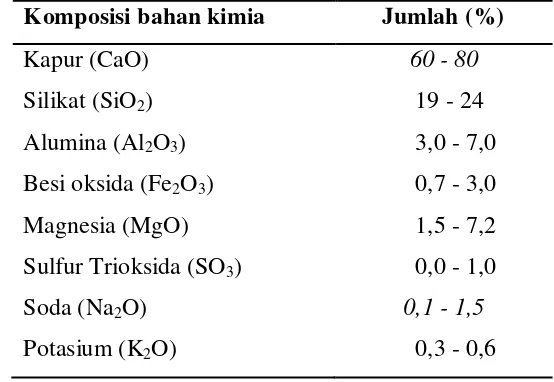
This subsection provides a detailed overview of adhesives used in wood composite manufacturing, focusing on isocyanate and Portland cement. It covers their chemical properties, mechanisms of adhesion, advantages, disadvantages, and applications in the context of acoustic panel production. It highlights the different chemical and physical properties that influence the choice of adhesive and their impact on the final properties of the acoustic panels. This detailed understanding of the adhesives used is critical for analyzing the results obtained.
2.3 Hydration Temperature
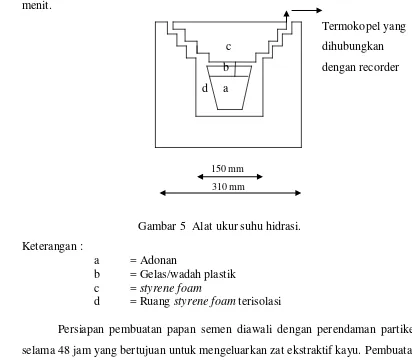
This section describes the exothermic reaction between cement and water during hydration, and how this process is influenced by factors such as wood extractives. It also discusses the impact of different hydration temperatures on the quality of cement-based wood composites. By presenting existing knowledge on optimal hydration temperature ranges, the study provides a clear benchmark against which the experimental findings can be evaluated. This provides a framework for interpreting the results in the context of optimal panel formation.
2.4 Catalysts
This subsection explores the role of catalysts in the cement-based wood composite manufacturing process. It explains how catalysts influence the bonding process between the cement and wood particles, affecting the final properties of the composite materials. This section shows the researcher's understanding of the manufacturing process and how it can influence the final product. This is crucial for interpreting the experimental results and drawing meaningful conclusions.
2.5 Acoustic Properties
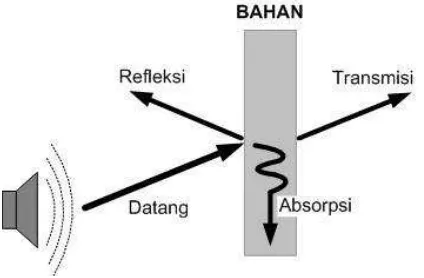
This subsection provides a comprehensive overview of acoustic properties relevant to the study. It defines key concepts such as sound absorption, sound transmission loss, and sound transmission class (STC), explaining their significance in evaluating the performance of acoustic materials. This is crucial for understanding the methods used to evaluate the acoustic performance of the mangium wood wool panels. It provides the theoretical background needed to interpret the results and draw relevant conclusions.
2.6 Sound Absorbing Materials
This subsection discusses the characteristics of effective sound-absorbing materials, including porous and fibrous materials. It categorizes acoustic materials and explains the mechanisms of sound absorption, highlighting the importance of porosity and material properties. The section emphasizes the need for alternative, less toxic, and cost-effective materials compared to traditional options like glass wool and rockwool, setting the stage for the research on Mangium wood wool panels as a potential alternative.
2.7 Mangium Wood (Acacia mangium Willd.)
This subsection provides a detailed description of Mangium wood, including its botanical classification, physical characteristics, and previously reported acoustic properties. It cites relevant research on the acoustic behaviour of Mangium wood, laying a foundation for understanding its suitability as a raw material for acoustic panels. This section helps to contextualize the choice of Mangium wood in the study, highlighting its known properties and their relevance to the research objectives.
III. Research Methods
The methodology section details the research design, materials, and procedures used in the study. It meticulously describes the preparation of the Mangium wood wool, the fabrication process of the composite panels using both MDI and cement adhesives, and the various testing procedures employed. The section explains the parameters measured, including physical (density, moisture content, thickness swelling, water absorption), mechanical (Modulus of Elasticity, Modulus of Rupture, Internal Bond, Screw Withdrawal), and acoustic properties (sound absorption coefficient, sound transmission loss, and STC). Statistical methods for data analysis are also clearly outlined. The thoroughness and clarity of this section ensure the reproducibility and credibility of the research.
3.1 Time and Location
This subsection specifies the timeframe and locations where different stages of the research were conducted. This includes details about wood wool preparation, panel manufacturing, and testing locations. The clear specification of time and location enhances the transparency and reproducibility of the research process. This allows for a better understanding of potential environmental influences on the results.
3.2 Materials and Equipment
This subsection lists all materials and equipment used in the experiment. The precise specifications of materials like Mangium wood, adhesives, and testing equipment are provided. This detailed description ensures the reproducibility of the experiment by others. It also highlights the level of precision and control maintained throughout the research.
3.3 Research Procedure
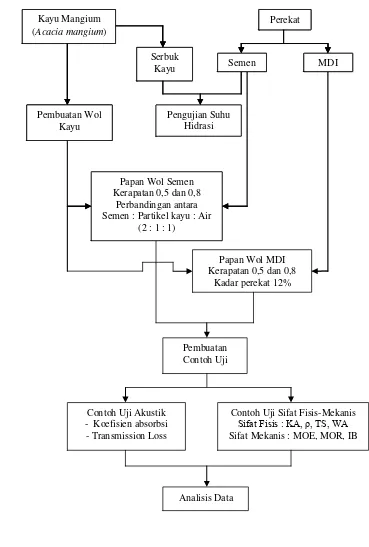
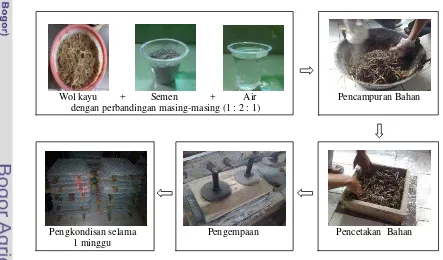
This subsection presents a detailed step-by-step account of the research procedures. It covers all aspects of the process, from wood preparation to panel fabrication and testing, including precise measurements and parameters for each stage. This detailed description enhances transparency and allows for better understanding of the entire process, facilitating the replication of the study by others. The use of diagrams to illustrate procedures increases understanding and helps to summarize complex processes.
3.4 Panel Testing
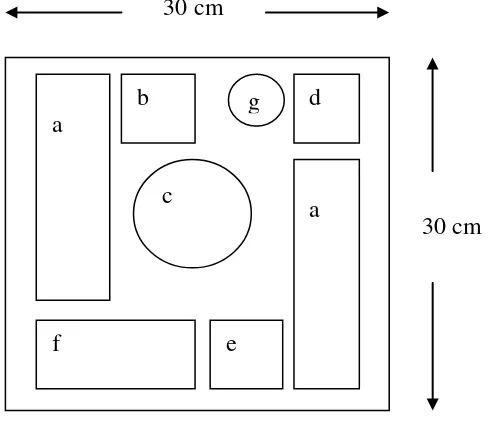
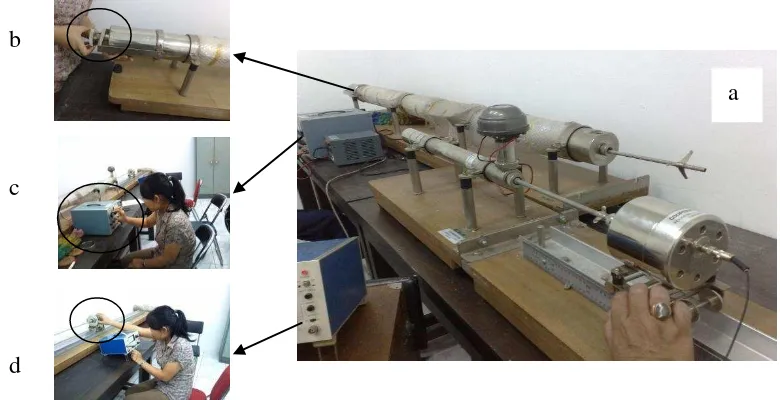
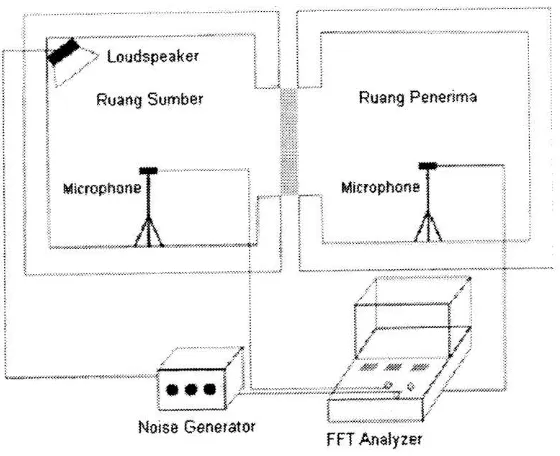
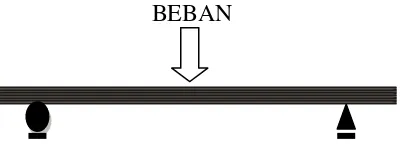
This subsection focuses on the testing methods used to evaluate the properties of the Mangium wood wool panels. It provides a detailed description of the acoustic, physical, and mechanical tests performed, including the specific standards and methods followed (e.g., JIS A 5908 2003, ASTM E 413-2004). This clear explanation of the testing protocols enables assessment of the reliability and validity of the results, and ensures that the methodology is scientifically sound. This part is crucial in ensuring the credibility and rigor of the research.
3.5 Data Analysis
This section describes the statistical methods used to analyze the collected data. It is important to note which statistical techniques are employed, and the type of statistical software used, and the justification for the selection of particular tests. This ensures the validity and reliability of the analysis of the experimental results. This subsection is vital to demonstrate the appropriateness and rigor of the statistical approach used for interpreting the findings.
IV. Results and Discussion
This section presents the findings of the study, comparing the physical, mechanical, and acoustic properties of the Mangium wood wool panels produced with different adhesives and densities. It should present the data in a clear and concise manner, using tables, graphs, and figures to illustrate the results. The discussion section interprets the findings, relating them to the theoretical framework established in the literature review. It explains the observed trends and patterns, drawing meaningful conclusions about the effects of adhesive type and density on the overall performance of the acoustic panels. Any limitations of the study should also be acknowledged, maintaining the integrity of the research process. The discussion section needs to interpret the meaning of the results obtained and compare them to the expectations from the literature review and to highlight the novelty and significance of the research.
4.1 Hydration Temperature
This subsection presents the results of the hydration temperature measurements and discusses their implications for the quality of the cement-bonded panels. It explains how the hydration temperature relates to the overall strength and performance of the acoustic panels, comparing the results with existing knowledge from the literature review. This is critical for understanding the conditions under which cement-bonded panels have formed and how this relates to their overall quality and performance.
4.2 Physical Properties
This subsection presents and discusses the results of the physical property tests (density, moisture content, thickness swelling, and water absorption). It analyzes the influence of adhesive type and density on these properties, highlighting the correlations between the variables. It compares the results with those obtained from similar studies and discuss any discrepancies. This section shows the impact of the various factors used on the resultant physical properties and how it could be explained.
4.3 Mechanical Properties
This subsection presents and discusses the results of the mechanical property tests (MOR, MOE, Internal Bond, and Screw Withdrawal). It analyzes how the adhesive type and density affect the mechanical strength and stability of the panels, discussing the relationship between the physical structure and mechanical performance. This section shows the correlations between mechanical properties and the choices made in the experimental design. The results here are vital to understand the structural integrity of the panels.
4.4 Acoustic Properties
This subsection presents and discusses the results of the acoustic tests (sound absorption coefficient, STL, and STC). It analyzes the influence of adhesive type and density on the acoustic performance of the panels, explaining the observed trends and correlations between the variables. It compares the acoustic performance of the Mangium wood wool panels with other existing sound-absorbing materials. This section is vital for the research as it contains the results of the primary acoustic properties of the experimental material. The findings need to be thoroughly discussed and explained.
V. Conclusions and Recommendations
The conclusion summarizes the key findings of the study, reiterating the main effects of adhesive type and density on the physical, mechanical, and acoustic properties of the Mangium wood wool panels. It emphasizes the significant contributions of the research and highlights the implications for the selection of materials and manufacturing processes in acoustic panel production. The recommendations section provides suggestions for future research based on the limitations of the present study and potential avenues for improvement. The conclusion and recommendations should clearly summarize the key contributions and suggest future research directions based on the findings and limitations of the present study.
VI.References
A comprehensive list of all cited references, formatted according to a consistent style guide (e.g., APA, MLA).
VII.Appendices
Supplementary materials such as detailed data tables, calculations, and additional figures.