Introduction to Moving to Sustainable Building
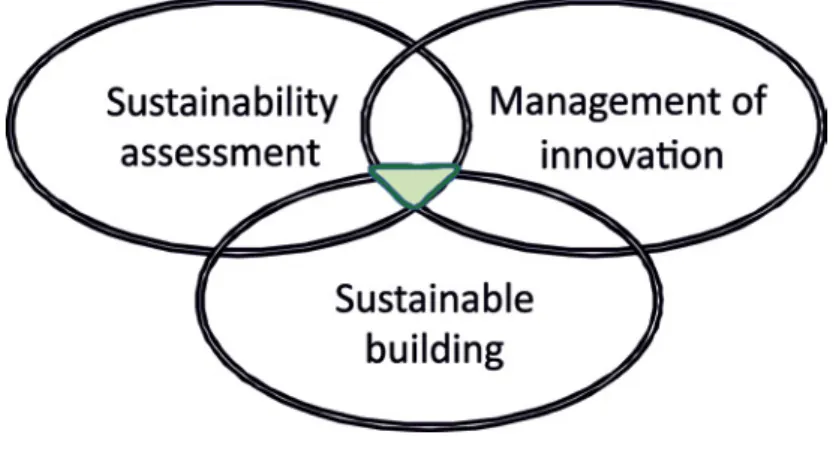
In the synthesis, increasing attention to the management of green innovations is considered necessary for sustainable construction. Good experiences from the adoption of green innovations have given new energy to innovation management in the construction sector.
Diffusion of Sustainable Building
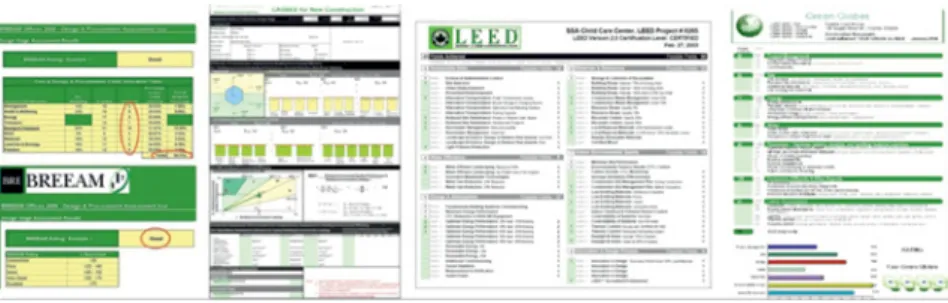
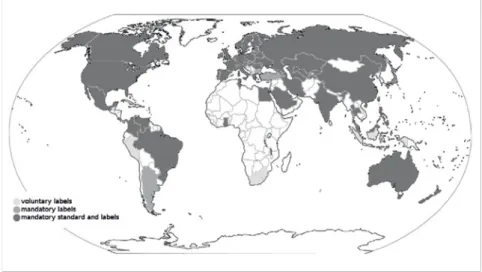
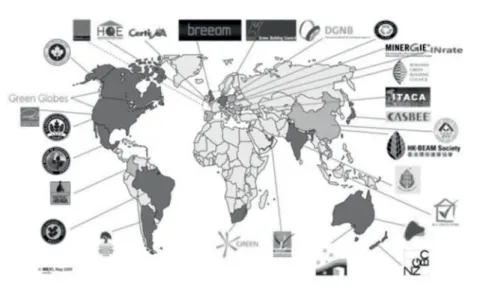
Many sustainability rating systems for buildings have been proposed in the last 20 years worldwide (Figure 1.7). Furthermore, it should be considered that in Africa, the sustainability of buildings is often intrinsic to construction processes, although there is a lack of sustainability assessment systems.
Moving to Sustainable Building
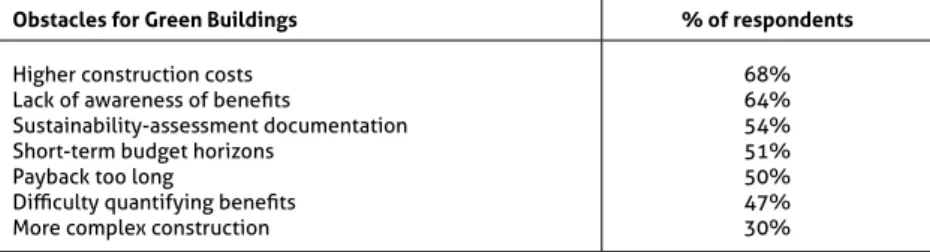
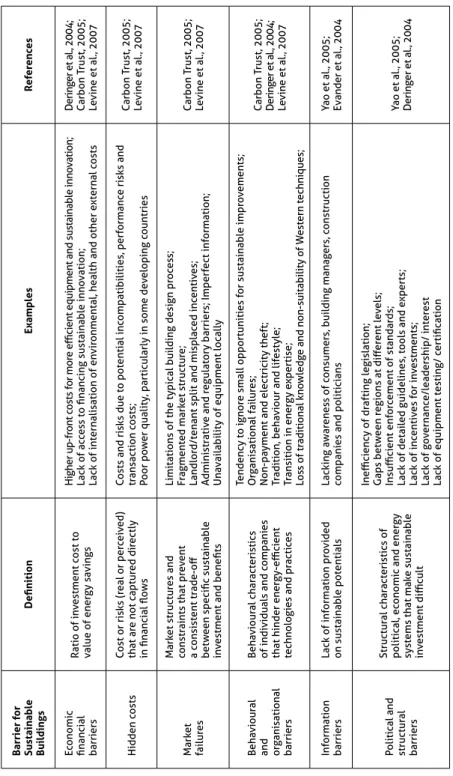
These barriers are grouped by the lack of economic and financial resources to undertake new technologies, hidden costs, market failures, behavioral and organizational barriers, information boundaries and political and structural barriers. This data should be considered alongside the lack of awareness of the benefits of sustainable construction, which 60% of respondents also listed as a barrier.
Drivers for Sustainable Building
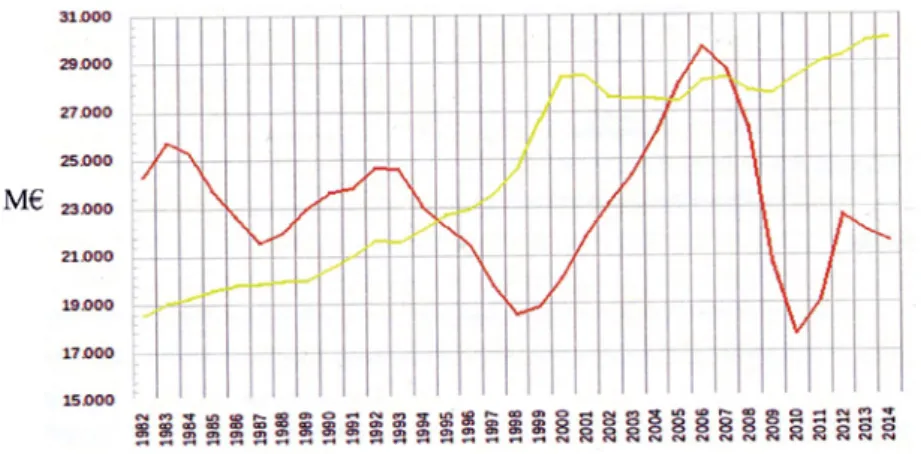
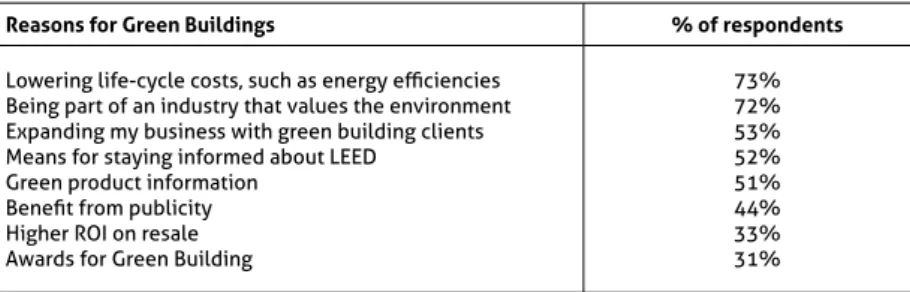
Since construction firms and design teams are not as directly involved in these aspects of sustainable buildings as buyers and tenants, they often do not avoid sustainable building. In fact, the increase in the number of sustainable buildings between 2007 and 2009 and the recent downturn in real estate markets did not significantly affect the yield of sustainable buildings (Eichholtz et al., 2010).
Scope of the Book
Structure of the Book
Research and development in the manufacturing sector offers new products to promote the sustainability of the construction sector. They discussed the interest and influence of various stakeholders in the construction sector for the adoption of green technologies.
Sustainable Development and Sustainability Science
However, these definitions have been largely incomplete, with some nuances of sustainable development excluded from each (Robinson, 2004). The concept of sustainable development is somewhat different from the concept of sustainability, although they are sometimes used interchangeably.
Contextualising sustainability in sustainable buildings
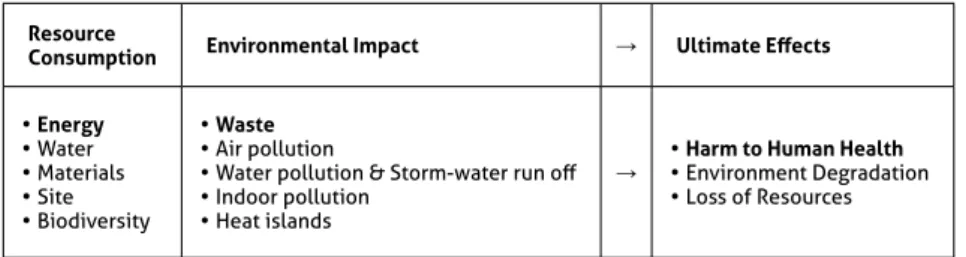
In particular, a shift towards a 'cradle-to-cradle' approach when evaluating the sustainability of a building is inevitable nowadays (McDonough & Braungart, 2002). This means that the building cannot be considered a simple consumer of the planet's resources.
Factors of uncertainty in defining sustainable buildings
- Time uncertainty
- Scale uncertainty
- Domain uncertainty
- Social uncertainty
In fact, the goals of sustainable construction in underdeveloped and developing countries are still lacking (UNEP-SBCI, 2009). The relativity of the concept of sustainability gives a social character to the meaning of sustainable.
The Identification of a Sustainable Building
However, the debate in the CIB has recently led to a reinterpretation of visions of sustainable buildings (CIB, 2010). People should understand the philosophy and strategies involved in construction and be encouraged to act sustainably.
Conclusions
This is also the approach of the following chapters, which will describe and compare the systems currently used for sustainability assessments in the construction sector. The chapter does not aim to present a complete theory of sustainability assessment, but attempts to discuss the current state of sustainability assessment in the construction sector through a review of current systems.
Sustainability Assessment
- Diffusion of sustainability assessment
- Possible approaches to sustainability assessment
The spread of sustainability assessment is increasing, and the topic is becoming common in specialized press and journals (Bloom & Wheelock, 2010). The complexity of a building has often suggested a multidisciplinary approach in the sustainability evaluation (Langston & Ding, 2001).
Sustainability Rating Systems
- Cumulative Energy Demand systems
- Life Cycle Analysis systems
- Total Quality Assessment systems
A greater influence of the architect and energy consultant engineer in the adoption of green technologies in the social housing case study emerged. An important barrier to the adoption of green innovations has been indicated in the structure of the construction sector (Manseau & Shields, 2005; . Williams & Dair, 2007).

Sustainability Assessments of the Building Sample
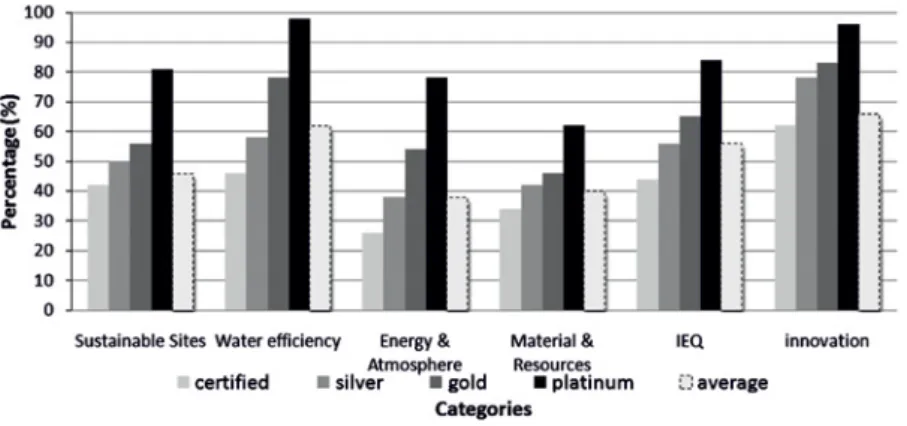
Water efficiency only receives a few points in the standard (5/69), despite its importance for a sustainable building. In Platinum buildings, the percentage of points earned in the Energy and Atmosphere category increases compared to other building classes, making it the category that contributes the most to the overall score in absolute value (78% of points achieved, with a average of almost 14 points more than the 69 available). The high success rate in the Innovation category can be justified by the freedom that the LEED system offers for points in this category.
The comparison between the points achieved in silver and gold buildings shows that the rating improvement is slightly influenced by the Materials and Resources category. Conversely, greater improvement occurs between silver and gold buildings in the Energy and Atmosphere and Water Efficiency categories. Finally, the criteria in the Materials and Resources category have different statistics regarding successful scores.
Trends in Sustainability Assessment of Buildings
However, limits of sustainability evaluations suggest that more complete systems are needed to assess the multidimensional aspects of sustainability. An important trend in sustainability assessment is the increasing attention to the impact of the building on the neighbourhood. Early assessment systems considered the building as a manufactured product and evaluated it almost in isolation.
Energy requirements have also become higher in the latest versions of this and other rating systems. This can certainly be a motive for the stricter requirements of energy regulations and greater attention to energy saving in buildings.
Conclusions
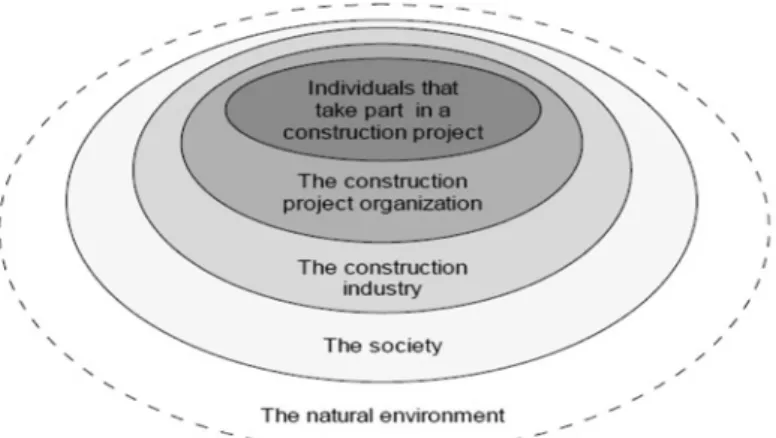
In fact, one of the limitations of innovation is the amount of time any stakeholder participates in the construction process. Lockwood (2006) outlined ten drivers for success in describing the sustainable transition of the construction sector. On the contrary, in the planning phase of the social housing project, all stakeholders who have an interest in the adoption of green technologies participated in the process.
He was directly linked to future users of the building, and the result of his consulting activity positively influenced the adoption of green technologies. This chapter examines which interactions between companies in the construction sector can promote the adoption of green innovations and thus more sustainable buildings. These changes in the relationship between the general contractor and suppliers were related to the architectural essence of the green innovations adopted in Project III.
This management was necessary to overcome the problems caused by the adoption of the green innovations. More and more countries are introducing policies to increase the sustainability of the building sector through the adoption of green innovations in buildings.
Classifications of Innovation
Specificities of Architectural Innovations
Architectural Innovation Management
Innovation in the Building Sector
- Construction innovation literature
- Categories of construction innovations
Actors for Innovation in Construction
Moving to Green Innovations
- Moving the building sector towards green innovations
Conclusions
Stakeholders of Construction Processes
- Stakeholders’ Mapping
Time Analysis of the Process
Stakeholders’ Interest for Green Technologies
Stakeholders’ Influence
- Case studies: Italian residential buildings
- Stakeholders’ Mapping
Conclusions
- Organisation of Construction Processes
- Inter-firm relationships in construction processes
- Characteristics of firms for sustainability partnerships
- Research Model and Features of Analysis
- Case Studies
- Research methodology
- Selection of the case studies
- Description of the case studies
- Results
- Discussion of Results
- Conclusions
Adoption of voluntary environmental standards: The role of signaling and intrinsic benefits in the diffusion of the LEED green building standards. Mainstream sustainable development - The Government's vision and what it means in practice. http://sd.defra.gov.uk/documents/mainstreaming-sustainable-development.pdf. Why does the reality of transferring/adapting energy efficiency codes and standards not come close to the potential?.
Attitudes, attitude structure, and resistance to change, in Environment, Ethics and Behavior, Bazerman, M. ed.), The New Lexington Press, San Francisco, CA. Assessment of sustainable buildings in developing countries – the sustainable building assessment tool (SBAT) and the sustainable building life cycle (SBL), Proc. Environmental management system vs green specifications: How do they complement each other in the construction industry.
Review of Policies
- Regulatory and control mechanisms
- Economic and market-based instruments
- Fiscal instruments and incentives
- Support, Information and Voluntary Actions
They can be defined as institutional rules that aim to directly influence sustainability performance by regulating the processes and products used and by prohibiting or limiting the discharge of certain pollutants. Can be effective when regulations are difficult to enforce, combined with financial incentives and the threat of regulation. Numerous case studies have shown that standards and obligations in the construction sector are generally effective.
However, their effectiveness can be hampered by poor enforcement, which is a major obstacle to real effectiveness in several countries (Ürge-Vorsatz et al., 2007). Like most economic or market-based instruments, they are rather new in the construction sector and have only recently been implemented, mostly in developed countries (deCanio, 1998, Häkkinen & Belloni, 2011). Public leadership programs can reduce costs in the public sector and provide demonstration of new technologies.
Efficacy of Policies and their Combinations
Another effective measure for sustainable construction is the reduction of property taxes linked to the sustainability performance of buildings. The public sector has a leading role in using these types of policies to demonstrate their effectiveness. In relation to education and training, it is evident that the sustainable transition of the construction sector requires a large number of skilled professionals: this suggests the importance of increasing the number of professionals with expertise in the development and implementation of sustainability codes and standards in the design of green buildings, energy auditing, labeling and certification, energy efficient operation and management.
Also, the labeling of sustainable products can be crucial in enabling more effective financial incentives such as loans, subsidies and tax credits (Berardi, 2011). Regulatory measures such as mandatory audits and incentives together with demonstration projects and information to build confidence;. An integrated policy framework combining regulatory instruments such as standards or mandatory audits in certain buildings, capacity building, training and information campaigns and demonstration projects together with incentives can be more effective.
Policies for Sustainable Buildings in Italy
Furthermore, since the construction of new buildings still represents a significant part of investment in the construction sector, a specific fiscal policy should be designed to help main contractors to adopt sustainable innovations in new construction. By examining the evolution of the concept of sustainable development in recent years, this book has shown that many factors make up the definition of what is sustainable in the construction sector. In order to better explain the current definition of sustainability in the construction sector, sustainability rating systems for buildings were reviewed.
Later, the book described which green innovations have been applied in a large sample of sustainable buildings in the US. The research has shown that energy-saving innovations are still relatively rarely applied in the construction sector. Green innovations that involve architectural integration into the building's existing technologies imply prohibitively high transaction costs that lead to rare adoption.
In particular, difficulties in the management of architectural (or radical) innovations in a sustainable building represent considerable obstacles to the adoption of green innovations. Organizational aspects among companies involved in the adoption of green innovations play a major role in the transition to sustainable buildings.