UNIVERSITY OF KWAZULU-NATAL
CONSUMER-BASED BRAND EQUITY OF LUXURY CAR BRANDS IN PIETERMARITZBURG: A GENDER
PERSPECTIVE
By
Cynthia Yemurayi Shayamunda 209541256
A dissertation submitted in fulfilment of the requirements for the degree of Master of Commerce
School of Management, IT and Governance College of Law and Management Studies
Supervisor: Dr Maxwell Phiri
2015
i DECLARATION
I ……….…declare that
(i) The research reported in this dissertation, except where otherwise indicated is my original research.
(ii) This dissertation has not been submitted for any degree or examination at any other university.
(iii)This dissertation does not contain other persons’ data, pictures, graphs or other information, unless specifically acknowledged as being sourced from other persons.
(iv)This dissertation does not contain other persons’ writing, unless specifically acknowledged as being sourced from other researchers. Where other written sources have been quoted, then:
a) their words have been re-written but the general information attributed to them has been referenced:
b) where their exact words have been used, their writing has been placed inside quotation marks, and referenced.
(v) This dissertation/thesis does not contain text, graphics or tables copied and pasted from the Internet, unless specifically acknowledged, and the source being detailed in the dissertation/thesis and in the References sections.
Signature: ………. Date: ……….
ii ACKNOWLEDGEMENTS
Ebenezer: Thus far the Lord has brought me!!
All thanks and praise to God for His presence, guidance, provision, grace and faithfulness through this journey. I stand in awe of Him.
I would like to thank my supervisor: Dr Maxwell Phiri for his guidance throughout this research project.
Thanks and gratitude is extended to my mom, Grace Madzivadondo, who is such a pillar of strength and support and to my aunt, Mara Madzivadondo, who is always rallying behind me. Thanks for your prayers, financial and emotional support.
Many thanks also to my brothers: Tawanda and Clive, for sacrificing and providing all the financial and emotional support; Tafadzwa, from whom I have learnt dedication and resilience. You are all appreciated and I couldn’t wish for a more supportive family.
I am extremely grateful to vakoma vangu: Mrs Evelyn Derera for the unwavering support and encouragement. It’s been a long and tough journey but she has been there for me every step of the way, always attentive and full of wisdom. I wouldn’t have made it this far without her and so I extend my warmest appreciation to her.
Many thanks to Munyaradzi, for being ever so patient and supportive and to all my friends: Noluthando, Tariso, Patience, Blessing, Samantha, Norma Lolo, Marcelin, Nhamo, Faffy, Gugu and Fortune, for putting up with all the ‘long talks’ about this dissertation and encouraging me. Many thanks to Colleen, Lillian, Nqobile, Charlotte, Gracious and Pamela for the prayers, support and encouragement. They went a long way in urging me on. To my colleagues: Victor and Evelyn thank you for rallying along with me.
His People, Pietermaritzburg, thank you for being such an awesome family and inspiring me to dream with God. Special thanks to my other family: MOMMYs, for the prayers and encouragement and for making this journey a memorable one.
And finally, to all the respondents who took their time to complete the questionnaires, thank you so much.
#God’s favourite
iii DEDICATION
This dissertation is dedicated to my nephew RAPHAEL CHRISTIAN MADZIVADONDO. May you, my dearest muzukuru, know the value of education and strive to be all you were created to be.
Tete loves you.
iv ABSTRACT
The objectives of the study were to determine the factors that influence consumer perceptions and attitudes in relation to the brand equity of luxury car brands and to ascertain if there were any significant differences between male and female consumers’
perceptions. Luxury car brands were chosen as the focus of the study mainly because consumers typically maintain strong relationships with luxury car brands.
An extensive review of literature on the brand equity, luxury brands, gender and consumer behaviour in relation to luxury consumption was carried out. Primary data was collected through a questionnaire based survey done via mall intercepts and at car dealerships in Pietermaritzburg CBD. The questionnaire had been designed using validated measuring scales and had been pre-coded to facilitate easy capturing. The data on the completed questionnaires from 256 consumers of luxury car brands was captured and analysed using SPSS. Descriptive statistics were used in detailing the profiles of the respondents and the factors that influence their perceptions of the value of luxury car brands. Inferential statistics were also used to highlight the most important brand equity factors and to ascertain the correlations between them and the extent to which attitudes and perceptions of male and female consumers differed with regards to the brand equity of luxury car brands.
The main findings of the research were that across gender, ‘Perceived Brand Quality’,
‘Brand Loyalty’, ‘Brand Awareness’ and ‘Brand Image’ were the key drivers of consumer perceptions in relation to the brand equity of luxury car brands. Although males and females perceived most of the brand equity indicators similarly, significant statistical gender differences were noted in relation to ‘Perceived Brand Quality’,
‘Brand Awareness’ and also other value attitude variables such as ‘Need for Uniqueness’ ‘Self-Expression’ ‘Social Presentation’ and ‘Affective’ Attitude. The findings provide guidelines for branding strategy formulation.
v TABLE OF CONTENTS
Page
Declaration ... i
Acknowledgements ... ii
Dedication ... iii
Abstract ... iv
Table of Contents ... v
List of Tables ... ix
List of Figures ... xi
CHAPTER 1: INTRODUCTON ... 1
1.1 Introduction ... 1
1.2 Motivation for the study ... 1
1.3 Problem Statement ... 3
1.4 Research Objectives ... 4
1.5 Research Questions ... 4
1.6 Research Hypotheses ... 4
1.7 Research Methodology ... 6
1.7.1 Research Design ... 6
1.7.2 Data collection methods ... 6
1.7.3 Data Analysis and Statistical Techniques ... 7
1.7.4 Ethical Considerations ... 7
1.8 Limitations of the study ... 8
1.9 Structure of dissertation ... 8
1.10 Conclusion ... 9
CHAPTER 2: CONSUMER-BASED BRAND EQUITY THEORY ... 10
2.1 Introduction ... 10
2.2 Brand Equity ... 10
2.3 Consumer-based Brand Equity (CBBE) ... 11
2.4 Keller’s Customer-based brand equity Model ... 11
2.5 Keller’s Model of Brand Equity ... 13
2.5.1 Brand Awareness ... 13
2.5.2 Brand Image ... 16
2.6 Aaker's Brand Equity Model... 21
2.6.1 Brand loyalty ... 22
vi
2.6.2 Brand awareness ... 24
2.6.3 Perceived quality ... 25
2.6.4 Brand associations ... 27
2.6.5 Other Proprietary assets ... 27
2.7 Gender and Brand Equity ... 28
2.8 Measurement of CBBE ... 29
2.9 Conclusion ... 31
CHAPTER 3: LUXURY BRANDS ... 32
3.1 Introduction ... 32
3.2 Luxury brands ... 32
3.3 Consumer buying behaviour and Luxury brands ... 33
3.4 Studies relating to consumer perceptions of luxury brand value ... 37
3.5 Conclusion ... 40
CHAPTER 4: RESEARCH METHODOLOGY ... 41
4.1 Introduction ... 41
4.2 Research Problem ... 41
4.2.1 Research Objectives ... 41
4.3 Research Design ... 42
4.4 Sampling Design ... 42
4.4.1 Target Population ... 43
4.4.2 Sampling Frame ... 43
4.4.3 Sampling Technique ... 43
4.4.4 Sample Size ... 44
4.5 Research Instrument: Questionnaire ... 44
4.5.1 Questionnaire Design ... 45
4.6 Pilot- Testing ... 48
4.7 Data Collection ... 48
4.8 Data Analysis ... 49
4.8.1 Descriptive statistics... 50
4.8.2 Principal Component Analysis (PCA) ... 51
4.8.3 Correlation Analysis... 52
4.8.4 The Kruskal-Wallis Test ... 52
4.8.5 The Mann-Whitney U test ... 53
4.9 Reliability and Validity ... 53
vii
4.9.1 Reliability ... 53
4.9.2 Validity ... 55
4.10 Ethical Issues ... 55
4.11 Conclusion ... 56
CHAPTER 5: PRESENTATION & INTERPRETATION OF EMPIRICAL RESULTS ... 57
5.1 Introduction ... 57
5.2 Response Rate ... 57
5.3 Demographic Profile of the Sample ... 57
5.3.1 Gender ... 58
5.3.2 Age ... 59
5.3.3 Race ... 60
5.3.4 Marital Status ... 61
5.3.5 Highest Level of Education ... 62
5.4 Frequencies and Distribution ... 63
5.4.1 Luxury Car Brands perceived to be valuable by respondents ... 63
5.4.2 Luxury Car Brands Perceived to have value: distribution by gender ... 64
5.5 Summary Statistics of CBBE variables (factors) by Brand ... 65
5.6 Frequencies of factors that influence CBBE ... 68
5.6.1 Perceived Quality ... 68
5.6.2 Brand Loyalty ... 72
5.6.3 Brand Awareness ... 73
5.6.4 Brand Image ... 75
5.6.5 Overall Brand Equity ... 76
5.6.6 Need for Uniqueness ... 78
5.6.7 Self-Expression/Attitude ... 79
5.6.8 Lifestyle and Self-presentation ... 80
5.6.9 Social-presentation/Attitude ... 81
5.6.10 Affective Attitude ... 82
5.6.11 Purchase Intention ... 83
5.7 Test for Data Normality: Kolmogorov Smirnov Test ... 85
5.8 Principal Component Analysis ... 86
5.8.1 First (1st) Factor: Perceived Quality ... 86
5.8.2 Second (2nd) Factor: Brand Loyalty ... 87
5.8.3 Third (3rd) Factor: Brand Awareness ... 87
viii
5.8.4 Fourth (4th) Factor: Brand Image ... 88
5.9 Correlation Analysis ... 89
5.9.1 Perceived Brand Quality ... 92
5.9.2 Brand Loyalty ... 92
5.9.3 Brand Awareness ... 93
5.9.4 Brand Image ... 93
5.9.5 Overall Brand Equity ... 93
5.10 Chi- Square Tests ... 94
5.10.1 Brands perceived to have value – distribution by gender ... 94
5.10.2 Perceived Brand Quality by gender ... 95
5.11 Kruskal-Wallis Significance Test ... 96
5.12 Mann Whitney U Test: Median Test ... 98
5.13 Conclusion ... 101
CHAPTER 6: DISCUSSION OF FINDINGS, CONCLUSIONS AND RECOMMENDATIONS ... 102
6.1 Introduction ... 102
6.2 Research Objective One (1) ... 102
6.3 Research Objective Two (2) ... 102
6.4 Research Objective Three (3) ... 107
6.5 Research Objective Four (4) ... 109
6.6 Summary of Findings ... 111
6.7 Contribution of the Research Study ... 111
6.8 Implications and Recommendations for Marketers ... 112
6.9 Limitations of the Research ... 113
6.9.1 Empirical Study carried out within one geographic location ... 113
6.9.2 No access to useful sampling frame ... 114
6.9.3 Non probability sampling technique used ... 114
6.10 Recommendations for Future Research ... 114
6.11 Conclusion ... 115
REFERENCES ... 116
APPENDIX A: INFORMED CONSENT DOCUMENTS ... 129
APPENDIX B: QUESTIONNAIRE ... 131
APPENDIX C: ETHICAL CLEARANCE APPROVAL LETTER ... 136
APPENDIX D: FREQUENCIES ... 137
ix LIST OF TABLES
Table 1.1 : Hypotheses of study ... 5
Table 2.1 : Summary of relevant CBBE measurement scales ... 30
Table 4.1 : Sources of Secondary Data…. ... 49
Table 4.2 : Sources of Primary Data. ... 49
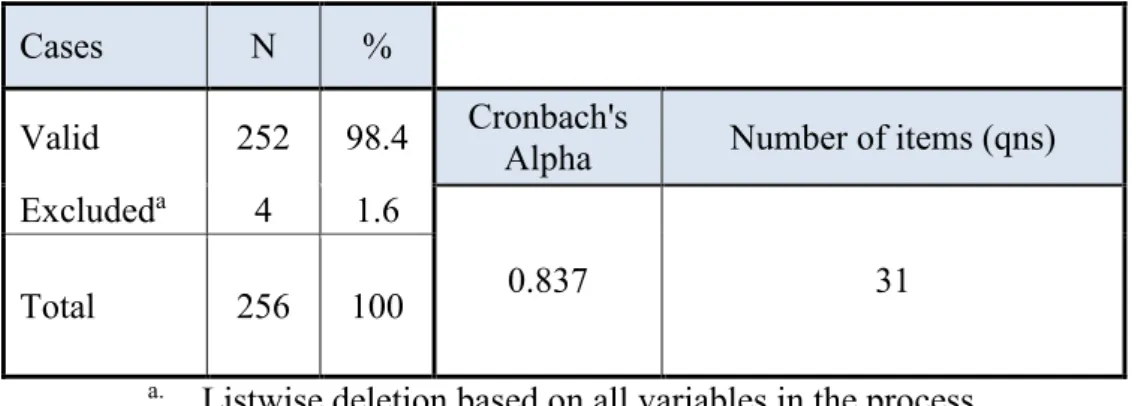
Table 4.3 : Reliability Statistics: Cronbach’s Alpha…. ... 54
Table 4.4 : Reliability Statistics for each section of the Questionnaire…. ... 55
Table 5.1 : Demographic characteristics of the respondents by gender ... 58
Table 5.2 : Age distribution of sample by gender ... 60
Table 5.3 : Race distribution of sample by gender ... 61
Table 5.4 : Marital status distribution of sample by gender ... 62
Table 5.5 : Highest Level of Education distribution of sample by gender…..… ... 63
Table 5.6 : Luxury Car Brands Representation ... 64
Table 5.7 : Luxury Car Brands perceived to have value - distribution by gender ... 65
Table 5.8 : Summary Statistics of Measured Brand Equity Variables by gender ... 66
Table 5.9 : Summary Statistics of Measured Attitude Variables by gender ... 67
Table 5.10: Perceived Brand Quality: Frequencies & Computation of P.Component…... ... 69
Table 5.11: Chi- Square Test Results: Perceived Brand Quality for the Car brands... ... 70
Table 5.12: Brand Loyalty: Frequencies & Computation of Principal Component……. ... 72
Table 5.13: Brand Awareness: Frequencies & Computation of P. Component... ... 74
Table 5.14: Brand Image: Frequencies & Computation of P.Component... ... 75
Table 5.15: Overall Brand Equity: Frequencies & Computation of P.Component... ... 76
Table 5.16: Need for Uniqueness: Frequencies & Computation of P. Component... ... 78
Table 5.17: Self Expression/ Attitude: Frequencies & Computation of P. Component... ... 79
Table 5.18: Lifestyle & Self Presentation: Frequencies & Computation of P.Component. .... 80
Table 5.19: Social- Presentation/ Attitude: Frequencies & Computation of P.Component .... 82
Table 5.20: Affective Attitude: Frequencies & Computation of P.Component... ... 83
Table 5.21: Purchase Intention: Frequencies & Computation of P.Component... ... 84
Table 5.22: Data Normality: Kolmogorov Smirnov Test ... 85
Table 5.23: Perceived Brand Quality -Eigen Value and Variance contibution.. ... 86
Table 5.24: Brand Loyalty-Eigen Value and Variance contibution.. ... 87
Table 5.25: Brand Awareness-Eigen Value and Variance contibution.. ... 87
Table 5.26: Brand Image-Eigen Value and Variance contibution.. ... 88
x
Table 5.27: CBBE of luxury car brands: Factor loadings .. ... 88
Table 5.28: Hypotheses: Correlations between variables….. ... 89
Table 5.29: Correlations of Variables ... 91
Table 5.30: Brands perceived to have value-by gender : Chi Square Test.. ... 94
Table 5.31:Perceived Brand Quality-by gender : Chi Square Test.. ... 95
Table 5.32: Krusal Wallis Test results by Brand across Gender ... 96
Table 5.33: Mann Whitney U Test: Median Test Results ... 99
xi LIST OF FIGURES
Figure 2.1 : Keller’s Customer-based brand equity Model…. ... ..………..11
Figure 2.2 : Keller’s Model of Brand Equity (Knowledge Breakdown Structure) ... 14
Figure 2.3 : Aaker’s Customer-based brand equity Model ... 21
Figure 2.4 : The Brand Awareness Pyramid ... 24
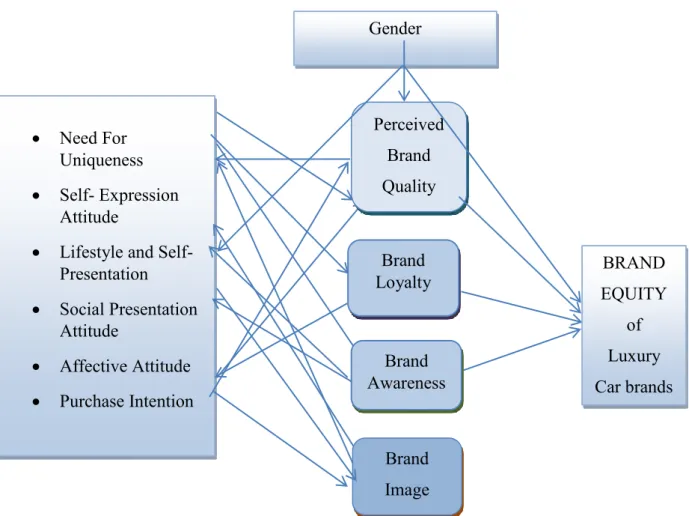
Figure 3.1 : Variables influencing CBBE of Luxury Car Brands ... 40
Figure 4.1 : The Sampling Design Process ... 42
Figure 5.1 : Gender distribution of the Respondents ... 59
Figure 5.2 : Age distribution of the Respondents ... 59
Figure 5.3 : Race of the Respondents ... 60
Figure 5.4 : Marital Status distribution of Study Sample.. ... 61
Figure 5.5 : Highest Level of Education of the Respondents.. ... 62
Figure 5.6 : Brand Representation: Percentages ... 63
1 CHAPTER 1: INTRODUCTON
1.1 Introduction
There are divergent views on the conceptualisation and measurement of brand equity (Srivastava & Shocker, 1991; Keller & Lehmann, 2003; Ailawadi, Lehmann & Neslin, 2003; Erdem, Swait & Valenzuela, 2006; Ruževičiūtė & Ruževičius, 2010;
Christodoulides & de Chernatony, 2010). Aaker (2004:176) defines it as those assets that relate to a brand or its identity that add to the value consumers and firms get from a product or service. The management of brand equity - a key asset to companies, involves several variables and should therefore be strategic, visionary and long term oriented (Keller & Lehmann, 2003). There are other factors that can influence brand equity but nevertheless, most researchers concur with the view that consumers are indispensable in defining brand equity as success with consumers is often crucial for the success of the firm (Duncan 2002:6; Keller & Lehmann, 2003:38; Ambler, 2003:44;
Atilgan, Akinci, Aksoy & Kaynak, 2009:115).
Although a vast amount of studies have been conducted on brand equity (Aaker, 1991 &
1996; Keller, 1993; Berry, 2000; Yoo & Donthu, 2001), most of these have been in the U.S, Europe and Asia. The conclusions drawn from research that is conducted abroad are not always applicable to the South African context, given the cultural diversity and other socio-economic factors that need consideration.
1.2 Motivation for the study
There have been frameworks developed over the years that define brand equity from various perspectives. Given that brand equity is built when brand means something to the consumer, it is important to establish the factors that affect consumers’ perceptions of and the attitudes they have towards brands and what it is that motivates them to value a brand. Hence the purpose of the study was to determine the factors that affect consumers’ perceptions of the brand equity of luxury car brands. Luxury car brands were chosen as the focus of the study as luxury is a key influencer in differentiating
2 brands in a product category and also “a central driver of consumer preference and usage” (Vigneron & Johnson, 2004:484; Heine, 2012). Also, most research relating to consumer perceptions and cars focus on physical attributes of cars, consumer loyalty and brand switching (Anuriti, Newman & Chansanka (2009). Consumers typically are loyal to and maintain strong relationships with luxury car brands due to brand affinity and quality (Parment, 2008; Anuriti, 2009). This is so because when consumers purchase luxury items they are not just purchasing the physical products but also the functional and non-attribute benefits and values that are tied to products.
The study also sought to understand if gender played a role in CBBE perceptions of luxury car brands. Gender is a well-known variable in determining consumer behaviour (Meyers-Levy & Sternthal, 1991:84; Bakshi, 2012) as male and female consumers are said to be different in terms of culture, physiology and sociology (Fisher & Dube, 2005;
Frieden, 2013). Gender is now being commonly used by marketers in segmenting markets for products and services, with them specifically targeting one or the other gender group (Kotler & Armstrong, 2012; Aziz & Naz, 2013).
A research study that focused on and highlights the factors that drive female and male consumer-based brand equity of luxury car brands has significant benefits for both companies and consumers. It was envisaged that this research would generate a body of knowledge towards a more enlightened interpretation of CBBE and luxury consumption in the South African context. The results from this study will be useful to owners of luxury car brands in that they can have a better understanding of luxury car (brands) consumption. They can then, in turn, address consumer perceptions in relation to the value of luxury car brands and then seek to effectively meet their consumer needs (Zhan
& He, 2011).
The findings will also assist marketing practitioners (marketers, brand managers and advertising agents) with regards to the segmentation of the luxury car markets according to brand attributes or benefits that are valued by the different target consumers. Better decisions about the brands can be made and marketing strategies that take cognisance of and are linked to the various factors that influence CBBE in both male and female consumers can be developed. Also, this study will facilitate the successful positioning of brands in the market as companies will align their brands with the values, meanings
3 and experiences sought by consumers when they purchase luxury brand cars. This will present mutual benefits for both the consumers and the brands as it will not only help marketers avoid the risk of passing up excellent marketing opportunities but will win them increased brand loyalty and popularity as they will understand the consumers better and increase their consumer- based brand equity.
1.3 Problem Statement
Companies tend to focus on the financial evaluation of brand equity whereby they evaluate whether brand building efforts have met financial goals. This information however, does not reflect upon customers’ knowledge and behaviour, which are crucial to the successful building of strong brands. More direct guidance on how companies can proceed with brand equity building and assessing customer responses to their marketing activities based on their brand knowledge development is required.
It is crucial that marketers tailor their brand equity building efforts and brand designs according to consumers’ needs and wants. Gender roles in society have shifted with females pursuing careers and experiencing increased wealth and purchasing power (Parumasur & Lombard, 2012:67). Consequently, women are actively involved in purchasing decisions that used to be left to their male counterparts, such as the purchasing of luxury cars (Chen, Green and Miller, 2008:9). Not taking cognisance of what the consumers value about luxury brands and also the distinctiveness between male and female consumers will result in brands missing out on exploiting opportunities presented by untapped segments and also could result in the loss of valuable consumers to competitors.
There is therefore, the essential need for brand owners to have a clear understanding of consumer perceptions of their brands and the factors that influence them as this will assist brand owners in enhancing the brand image, creating brand loyalty among customers and consequently increasing their consumer-based brand equity.
4 1.4 Research Objectives
The primary objective of this study is:
To determine the factors that influence consumers’ perceptions of the brand equity of the luxury car brands and to ascertain the interrelationships that exist between these factors.
The secondary objectives of this study are:
To determine which luxury car brands consumers perceive to have value.
To ascertain the extent to which male and female consumers’ perceptions of the brand equity of the luxury car brands differ.
To determine the factors that underlie the differences in how male and female consumers perceive the brand equity of luxury car brands.
1.5 Research Questions
The main research question underpinning this study is:
What are the factors that influence male and female consumers’ perceptions of the brand equity of luxury car brands?
The sub-research questions, which stem from main research question, are:
Which luxury car brands do consumers perceive to have value?
To what extent do male and female perceptions of the brand equity of the luxury car differ?
What are the key factors that underlie the differences in male and female consumers’ perceptions of the brand equity of luxury car brands?
1.6 Research Hypotheses
The main hypothesis of this study is that there is a positive relationship between the identified dimensions and Consumer-based brand equity of luxury brands with the sub- hypotheses being in relation to the brand equity dimensions correlating (Table 1.1).
5 Table 1.1: Hypotheses of study
Null hypothesis (H1o)
There is no relationship between Perceived Quality and each of the other brand equity variables
Alternative hypothesis (H1a)
There is a relationship between Perceived Quality and each of the other brand equity variables
Null hypothesis (H2o)
There is no relationship between Brand Loyalty and each of the other brand equity variables
Alternative hypothesis (H2a)
There is a relationship between Brand Loyalty and each of the other brand equity variables
Null hypothesis (H3o)
There is no relationship between Brand Awareness and each of the other brand equity variables
Alternative hypothesis (H3a)
There is a relationship between Brand Awareness and each of the other brand equity variables
Null hypothesis (H4o)
There is no relationship between Brand Image and each of the other brand equity variables
Alternative hypothesis (H4a)
There is a relationship between Brand Image and each of the other brand equity variables
Null hypothesis (H5o)
There is no relationship between Overall Brand Equity and each of the other brand equity variables
Alternative hypothesis (H5a)
There is a relationship between Overall Brand Equity and each of the other brand equity variables
Null hypothesis (H6o)
There is no relationship between Need for Uniqueness and each of the other brand equity variables
Alternative hypothesis (H6a)
There is a relationship between Need for Uniqueness and each of the other brand equity variables
Null hypothesis (H7o)
There is no relationship between Self- expression/attitude and each of the other brand equity variables
Alternative hypothesis (H7a)
There is a relationship between Self- expression/attitude and each of the other brand equity variables
6 1.7 Research Methodology
1.7.1 Research Design
The study was based on a deductive approach. Exploratory research was undertaken in the form of secondary research which facilitated the identification of a knowledge gap and formulation of research approach. The study used a quantitative research methodology. A structured questionnaire based survey was used to collect data which was then analysed using both descriptive and inferential statistics.
1.7.2 Data collection methods
In carrying out the study, both primary and secondary data collection methods were used. Secondary research was carried out in the form of an extensive review of literature on the branding, brand equity, luxury goods, and gender and consumer behaviour. The researcher looked to a variety of sources including academic resources such as textbooks, peer reviewed journals and other publications such as industry reports and
Null hypothesis (H8o)
There is no relationship between Lifestyle and self- presentation and each of the other brand equity variables
Alternative hypothesis (H8a)
There is a relationship between Lifestyle and self- presentation and each of the other brand equity variables
Null hypothesis (H9o)
There is no relationship between Social presentation / attitude and each of the other brand equity variables
Alternative hypothesis (H9a)
There is a relationship between Social presentation / attitude and each of the other brand equity variables
Null hypothesis (H10o)
There is no relationship between Purchase Intention and each of the other brand equity variables
Alternative hypothesis (H10a)
There is a relationship between Purchase Intention and each of the other brand equity variables
Null hypothesis (H11o)
There is no relationship between Purchase Intention and each of the other brand equity variables
Alternative hypothesis (H11a)
There is a relationship between Purchase Intention and each of the other brand equity variables
7 statistics. The primary data collection was a questionnaire based survey. The questionnaire was designed and structured according to a validated measuring scale by Yoo and Donthu (2001). The target population for the questionnaire based survey were consumers of luxury car brands, that is, owners and/or drivers of luxury cars within Pietermaritzburg. These consumers were solicited for participation through intercepts in shopping malls car parks and at dealerships in Pietermaritzburg CBD.
1.7.3 Data Analysis and Statistical Techniques
The questionnaire was coded and data was captured then analysed using SPSS Version 22. Descriptive statistical tools such as the mean, median and standard deviation were used in detailing the profiles of the respondents and the factors that influence their perceptions of the value of luxury car brands. Inferential statistics such as Chi-Square tests, Fishers Exact tests, correlation analyses, and non-parametric tests such as the Krusal Walles and Mann Whitney U tests were used (as the empirical data was found to be not normally distributed) to ascertain if significant statistical differences existed with regards to female and male consumers’ perceptions of the (value) brand equity of luxury car brands.
1.7.4 Ethical Considerations
Prior to commencement of the empirical study, the Ethics Committee at the University of KwaZulu-Natal granted ethical clearance to the researcher to conduct the study. This was after they had assessed that the research and data collection methods were morally acceptable and did not pose any ethical issues. All the respondents in the questionnaire based survey were given an informed consent document informing them that their participation in the study through completing the questionnaires was voluntary, confidential and anonymous. The questionnaires and the data gathered from the empirical study will be kept securely at the School of Management, IT and Governance for duration of five (5) years in compliance with the Ethical Clearance that was granted for the research project.
8 1.8 Limitations of the study
Given that would have been time consuming and impractical to do a national survey, the geographic boundary for the questionnaire based survey is within Pietermaritzburg.
The findings of the study cannot be generalised, based on the sampling strategies that were employed.
Respondents only included actual owners or drivers of luxury cars.
1.9 Structure of dissertation
Chapter 1
The initial chapter will give a background of the study together with the primary objectives of the study as well as the justifications for the selection of the topic under study. This chapter will also introduce all the integral issues that will be dealt with in subsequent chapters.
Chapter 2
This chapter provides an extensive review of literature relating to the study which focuses on Consumer-based Brand Equity (CBBE). Brand equity and CBBE are defined. The main theories relating to CBBE and the dimensions of CBBE that are conveyed within literature are reviewed in depth. This is followed by a discussion on gender that interlinks with CBBE and then finally measurement of CBBE.
Chapter 3
Chapter 3 explores luxury brands and consumer buying behaviour in relation to luxury brands. The various factors that influence luxury consumption are discussed. The chapter also examines studies relating to consumer perceptions of luxury brands’ value.
It then ends with a summary of the variables that were used in the study.
Chapter 4
This chapter reviews the purpose of study and the research methodology that was be used in the empirical study including the collection methods and techniques and analysis of data that facilitated the attainment of research objectives. The chapter
9 concludes by looking at various considerations that had to be factored in the research such as validity and reliability and ethical issues.
Chapter 5
This chapter presents the findings from the data that was collected in the empirical study and was coded, captured and analysed using SPSS. Descriptive and inferential statistics are presented and interpreted.
Chapter 6
This chapter presents a synthesised discussion of the results (presented in the previous chapter) in relation to the research objectives while linking them to reviewed literature.
Conclusions that are drawn from the discussion and interpretation of study findings of the study followed by implications for marketers will be presented. The limitations of the study will also be highlighted followed by recommendations for future research.
1.10 Conclusion
This chapter presented the purpose of and the motivation for the study. The problem statement, research questions and objectives were highlighted. This was followed by brief outlines of the research design, ethical considerations and delimitations of the study. Lastly, a structure of this dissertation is provided. The next chapter will review literature that is related to the scope of the study.
10 CHAPTER 2: CONSUMER-BASED BRAND EQUITY THEORY 2.1 Introduction
Chapter 1 was centred on the background, introduction and rationale for the study. This chapter focuses on reviewing the literature on Consumer-based Brand Equity (CBBE).
Brand equity is defined and the various determinants of it are reviewed. This is followed by a discussion of the theories relating to CBBE. The chapter also looks at CBBE measurement and ends with a summary of the dimensions or constructs of CBBE.
2.2 Brand Equity
There are divergent views on the conceptualisation and measurement of brand equity (Srivastava & Shocker, 1991; Keller & Lehmann, 2003; Ailawadi, Lehmann & Neslin, 2003; Erdem, Swait & Valenzuela, 2006; Ruževičiūtė & Ruževičius, 2010;
Christodoulides & de Chernatony, 2010). According to the Keller (2001) “brand equity refers to the set of associations and behaviours on the part of the brand’s customers, channel members and parent corporations that permit the brand to earn greater volume or greater margins than it could without a brand name and that gives the brand a strong, sustainable and differentiated advantage over competitors”.
Aaker (2004:176) defines it as those assets that relate to a brand or its identity that add to the value consumers and firms get from a product or service. Simply put, brand equity is the additional value that results due to the reason that the product has a brand name as opposed to that which would have resulted if the product was without a brand name (Pappu, Quester and Cooksey, 2005:144). As evidenced by the definitions above, brand equity can be viewed from either the perspective of the firm or that of the consumers (Atilgan Akinci, Aksoy & Kaynak et al., 2009:115; Ruževičiūtė &
Ruževičius, 2010: 723).
Regardless of the definition one chooses to adopt, the value of brand equity to marketers is determined by how they use it. The management of brand equity - a key asset to companies, involves several variables and should therefore be strategic, visionary and long term oriented (Keller and Lehmann, 2003). There are other factors that can
11 influence brand equity but nevertheless, most researchers concur with the view that consumers are indispensable in defining brand equity as success with consumers is often crucial for the success of the firm (Duncan 2002: 6; Keller & Lehmann, 2003: 38;
Ambler, 2003: 44; Atilgan et al. 2009:115).
2.3 Consumer-based Brand Equity (CBBE)
Ambler (2003: 46) defines Consumer-based Brand Equity as the information that is stored in people’s minds about a brand and highlights the importance of delving into consumers’ perceptions, preferences and buying decisions According to Keller (1993:
48), who was at the forefront of the development of the theoretical basis for brand equity, CBBE arises due to what the consumer knows about the brand and the marketing of that brand. Although a wide range of theoretical views are conveyed within literature with regards to the sources and dimensions of consumer-based brand equity, they are mostly developed from and add on to the two (2) pioneer models by Aaker (1991) and Keller (1993, 2003, 2008).
2.4 Keller’s Customer-based brand equity Model
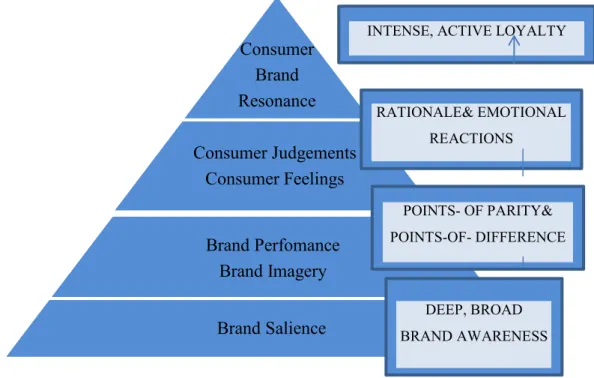
Figure 2.1: Keller’s Consumer-based brand equity Model (Keller, 2008: 94)
Consumer Brand Resonance Consumer Judgements
Consumer Feelings
Brand Perfomance Brand Imagery
Brand Salience DEEP, BROAD
BRAND AWARENESS RATIONALE& EMOTIONAL
REACTIONS
POINTS- OF PARITY&
POINTS-OF- DIFFERENCE INTENSE, ACTIVE LOYALTY
12 Figure 2.1 which is the CBBE model (pyramid) by Keller summarises the consumer- based brand equity building process. Brands have value when they have an identity which consumers are aware of (brand salience). In addition, consumers have awareness and understanding of the needs that are satisfied by the brand. Consumers assess the performance of a brand based on how it differentiates itself from other competing brands and meets the functional needs of consumers in terms of reliability, durability and quality (Keller, 2008: 60). The non- tangible imagery and associations that consumers form in relation to the brand based on brand purchase and usage, past experiences and brand communications are also important. These then elicit (rational) functional and (emotional) symbolic reactions from consumers through brand judgements and feelings. Keller (2008: 67) highlights the importance of brands tapping into the emotions of consumers. With increased competition, firm’s that are successful are those that not only produce innovative products, but those that use their products and brands to create emotional connections with its customers. Consumers will grow to like the brand and develop feelings such of “warmth, respect, trust or friendship”
towards it. According to Aaker (1991) and Keller (2008), these consumer feelings raise the barriers to entry for competing brands.
According to Keller (2013), through increased brand awareness and knowledge gained through prior exposure or usage, consumers build long term and sustainable relationships with certain brands that they know can be trusted and conveys an image that matches their needs, values and lifestyles (Consumer Brand Resonance). Thomson, MacInnis and Rogers (2005) elaborate that such consumer-brand relationships are characterised by loyalty, commitment and attachment to the brand which subsequently leads to consumers being active engaged with the brand and the creation of a sense of community between the users of the same brand. Schmitt and Rogers (2008: 6) agree with this view and further assert that “while consumers who are strongly attached to a brand undoubtedly have strong and positive attitudes towards it, not all strong and positive brand attitudes are indicative of strong customer-brand relationships”
Thus, brand equity depends on the consumers’ experiences with the brand, over a given time and their perceptions of the marketing activities of the company. Keller (1993) and Brick (2011: 38) concur with this view and further assert that consumers’ views on a
13 brand’s equity are a reflection of and are driven by the knowledge and experiences that they have about the said brand.
2.5 Keller’s Model of Brand Equity
Keller (2013:48) also put together another model of brand equity (presented in Figure 2.2) known as the Brand knowledge Breakdown structure in which he reiterated how brand knowledge is the main antecedent of Consumer-based brand equity (CBBE). As illustrated in the model, consumers knowledge of the brand is dependent on their awareness of the brand and also the image that that they have of the brand. The various aspects of the model as represented in Figure 2.2 are discussed in detail next.
2.5.1 Brand Awareness
The consumers’ capability to distinguish the brand in different circumstances is termed brand awareness (Keller, 2013:73). In other words, brand awareness is about whether and when the consumers know the brand. It is a critical, though not exhaustive step in building CBBE. (Brand awareness will also be discussed in detail under Aaker’s model).
Brand awareness has two (2) subcategories (as shown in Figure 2.2):
“Brand recognition - refers to the consumer’s ability to confirm prior exposure to the brand”. It reflects familiarity and subsequently, liking (Keller, 2013:73).
Brand recall - refers to the ability of the consumer to recollect a brand when its product class, usage or purchase is mentioned (Keller, 2013:73).
According to Keller (2013:74), it is imperative that the marketer researches and identifies the stage at which the consumer(s) make the purchase decision. This is so because the role played by brand recognition is more crucial in cases where the decision to buy is made at a location where the brand name and logo is displayed, for example, a car dealership. Keller (2013:74). Brand recall, though less important in such cases, should however not be disregarded as consumers’ brand selection are influenced by their recollections regarding the brands.
14 Figure 2.2: Keller’s model of brand equity
(Keller, 1998:94) Brand Awareness
Brand recall
Brand recognition
Brand Knowledge
BRAND EQUITY
Brand image
“Types of brand associations
Favourability of brand associations Strength of
brand associations
Uniqueness of brand associations”
“Attributes
Benefits
Attitudes”
“Non-product- related Product-
related Functional
Experiential
Symbolic”
Feelings&
experiences Brand personality User & usage
imagery Price
15 2.5.1.2 Advantages of High Levels of Brand Awareness
Keller (2013:74) identified three (3) distinct advantages that are consequential to having a high level of brand awareness and are therefore building blocks in consumer perceptions of CBBE. These are:
Learning advantages: High levels of brand awareness increase the creation and strength of the associations that constitute the image of the brand. Keller theorises that registering the brand in the memory of the consumer, by marketers, signifies the most crucial step in building brand equity (Keller, 2013:74). The chosen brand elements affect how easily the consumer learns and stores additional brand associations which then influences consumer purchasing decisions and brand preference.
Consideration advantages: Research has shown that raising brand awareness increases the chances of the brand being among the handful of brands that the consumer will focus on and give serious attention to when making a purchase within the particular product category that the brand falls under (Aaker, 2004: 38; Keller, 2013:74). It stands to reason then, that all the other brands that are not in the set are less likely to be considered or even recalled.
Choice advantages: A high level of awareness is said to increase a brand’s chances of being selected, even when there are no other linkages to it (Adaval, 2003: 353).
Keller (2013:74) expands on this view in his observation that this benefit relates mostly to low involvement products where consumers do not perceive any differences among brands in a product category (lack purchase motivation) or they do not have any knowledge on or experience upon which they can judge the brands in a category (lack purchase ability). In such cases, the consumer is likely to opt for a familiar, well established brand.
16 2.5.1.3 Increasing Brand Awareness
In providing a theoretical framework for brand awareness, Keller (2013:73) also provides a synopsis on establishing brand awareness. He highlights that creating brand awareness implies increasing brand familiarity through repeated exposure. He however points out that this is applies more to “brand recognition than brand recall” (Keller 2013:75). Seeing the logo or symbol and hearing the slogan or thinking about the brand improves its likelihood of strongly registering in the consumer’s memory. Marketing communications such as advertisements, promotions, sponsorship are ways through which firms can increase familiarity and awareness of elements of a brand (Aaker, 1996:103). Keller (2013:75) goes on to further recommend reinforcement of a wide variation of brand elements by the marketer as this enhances awareness.
Repetition increases consumer recognition of the brand, but improving brand recall also entails linking the brand to the relevant product categories spending cues. The way in which marketers link the “brand and its product category helps determine the strength of product category links” (Keller, 2013: 75). The positioning of the brand should also be reflected in the linkages of brand elements and cues as this will ensure consistency, thereby strengthening the image of the brand. Mercedes Benz and BMW are examples of luxury car brands that have managed to build strong category associations.
It is imperative that brand managers have a thorough understanding of how information gets into the minds of consumers and how it is recalled and retrieved. Several researchers concur with this and have, in empirical studies, focused on analysing the importance and effects of a range of brand aspects including preference, knowledge and loyalty on consumer purchase intentions (Thiripurasanduri & Natajaran, 2011b:158;
Chen, Chen & Lin, 2011: 8272). Such studies enable companies to identify and prioritise the areas that they should focus on in building CBBE.
2.5.2 Brand Image
Once reasonable steps have been taken to develop brand awareness, marketers can then focus on creating a positive brand image. According to Sutherland and Canwell (2007:
48), brand image is a measurement of the perceptions consumers have about a brand,
17 based on known associations such as brand attributes or brand benefits (Keller, 2013:
77). It is imperative that brands show consistency in terms of design and the image that they portray in their marketing activities as brands are given value by strong associations that are consistent with the products’ positioning and which consumers can therefore relate to (Yoo et al., 2000:198; Chen 2001: 441).
With increased competition, consumers choose brands that are relevant to them in terms of quality, meeting their needs, reliability and durability (Keller, 2008: 70). Brands that excel are those that that deliver the benefits that consumers desire. Consumers not only buy the product but also the intangible factors relates to the brand, which make an attractive package (Keller, 2008:147). As brand serve as expressive functions, consumers tend to buy and value brands that they believe, portray and support their desired self-image. This correlation has been empirically validated by Tong and Hawley (2009). In a study in which they investigated the extent to which the CBBE model could be applied to the sportswear market, Tong and Hawley (2009:267) found that the results provided support for the correlation between the value of a brand and strong association linkages that consumers resonate with.
Keller elaborates that in order to create the differential responses that subsequently lead to CBBE, marketers need to analyse the consumers and competition and then design and engage in marketing programs that facilitate the linking of the brand with associations that are strong, favourable and unique (2013: 77; Atilgan et al., 2009:120).
2.5.2.1 Brand Associations
Brand associations can be linked to a product benefit, with tangible attributes or organisational associations attached to the culture, people and skills of the organisation.
Marketers can also link brand associations to a set of human characteristics as identified by its brand personality (Keller, 2013:334). Common brand association categories are:
Product Attributes and Customer Benefits
Product attributes and customer benefits have been identified as “the associations that have obvious relevance as they provide a reason to buy and thus a basis for brand
18 loyalty” (Aaker & McLoughlin, 2010:177). However, consumers do not always make decisions based upon a particular specification. They may feel that small differences in some attribute are not important or they may simply lack the motivation or ability to process information at such a detailed level (Aaker, 1991). It is therefore imperative that brand associations go beyond product attributes and benefits. Morgan (2000:66) and Keller (2013; 94) concur with this and highlight that stronger brands are those that develop associations on other dimensions (non-product related attributes) that can be more credible and hard to copy such as brand personality, organisational intangibles and product category associations. According to Vanern and Johnson (2004:485), the reasons consumers purchase luxury products are not limited to their functional attributes. Other key motivating factors include quality and the need to be unique and to attract attention from peers (Atilgan et al., 2009:1055). Luxury car brands, through customisation, cater to the consumers’ varying needs for uniqueness and are perceived by consumers to be highly valuable the more they differentiate against competitors (Tolba & Hassan, 2009:360).
Product Category and Breadth of Product Line
The choice of a product category which a business will be linked to can benefit the brand in that battles with direct competitors can be avoided and also it can facilitate future expansions. “A broad product offering signals substance, acceptance and leadership”. Expanding the product offerings, even under a strong brand, also has its risks in that the brand might be eroded and resources that could be better utilised elsewhere may be wasted (Aaker & McLoughlin 2010:182).
Organisational Intangibles
Organisational attributes such as being global or sustainable have significant advantages and thus creates value for brands (Steenkamp, Batra & Alden, 2003; Atilgan et al., 2009:116). Aaker (1996:48) concurs with this and states that being global provides the prestige and assurance that comes from global association; knowing that the company has the capability of competing successfully worldwide. Holt, Quench and Taylor (2004:68) carried out a study of associations made of global brands and the findings included such associations as perceived quality, prestige, social responsibility.
All these were seen to have an influence on consumer perceptions and preference of certain brands.
19 Being global also provides functional benefits in that one can access the brand services throughout the world. Lexus, Mercedes, BMW are all examples of global car brands.
There is a challenge for brands to have the energy, vitality and relevance in today’s marketplace and “to be part of the contemporary scene” (Aaker & McLoughlin 2010:162). This usually involves improving their offerings through innovation.
Examples include improving customer experience, enhancing the product and introducing line extensions.
Emotional and Self-Expressive Benefits
“Emotional benefits relate to the ability of the offering to make the customer feel something during purchase or use.”(Aaker & McLoughlin 2010:183). Research has shown that the strongest brands are those that often offer emotional benefits (Rouhani &
Hanzaee, 2012:1059; Riezebos, Kist & Kootstra, 2003:201). For example, the purchaser can feel safe while travelling in a Volvo, strong when driving a Range Rover. Self- expressive benefits, on the other hand, are a reflection of the consumer being able to express him or herself through the brand’s products which he or she would have purchased (Aaker & McLoughlin 2010:183). For example, being ‘successful, in control and a leader’ is a self-concept that might be expressed by a customer when they drive a Mercedes. In order to test if an emotional/ self-expressive benefit can play a role in differentiating the brand; the marketer can engage in research and find out the feelings and self-concepts evoked in each of the brands’ most loyal consumers[‘I feel…’ and ‘I am …’ statements]. If a particular emotional or self-expressive benefit is repeatedly identified and “associated with using the brand, then it should be considered as part of the strategic position of the brand” (Aaker & McLoughlin 2010:183). Emotional and self- expressive benefits play a predominant role especially in the purchase of luxury items ((Rouhani & Hanzaee, 2012:1055).
The Experience
According to Shukla (2008:17), consumers respond more positively to, and store information about brands that they have had an experience with. When the experience of using a brand includes emotional and self- expressive benefits combined with functional advantage, then it is broader and more rewarding (Keller, 2013: 79; Kapferer, 2012:454). Luxury car brands like Mercedes and Audi are now also positioning and differentiating themselves based on the customer experience at their outlets, showrooms
20 and with their products. This is done through ensuring quality products and services and also pleasurable purchase and consumption experiences (Kapferer and Basten, 2009a:311). A host of factors need careful control and consideration. These include service, ambience, efficiency, accessibility, reliability and safe shopping guarantee (Aaker & McLoughlin 2010:184). BMW has a licensing business that started as a marketing initiative whose objective was to broaden the brands’ presence and strengthen loyalty. The business, through selling branded and internally designed BMW mobility products such as bicycles and skateboards for children, has enabled consumers to experience the brand more while at the same time, optimising equity flow (Keller, 2013).
Brand Personality
Most successful brands have a strategic positioning that includes the projection of an image onto their brands. This enables the firm to assign characteristics to the product or service and its associated advertising and marketing activities (Aaker 1996). There are often alternative personalities that can be adopted and the first recommended step in the process is brand research. Examples of brand personality facets include ‘Outdoorsy’
(Jeep), ‘Daring’ (BMW) and ‘Upper-class’ (Mercedes). Several authors have concurred with Aaker by highlighting that ‘choosing a personality that closely matches the target audience’ is a particularly successful technique in the establishment of a brand personality (Freeland, 2002; Sutherland & Canwell, 2007:52).
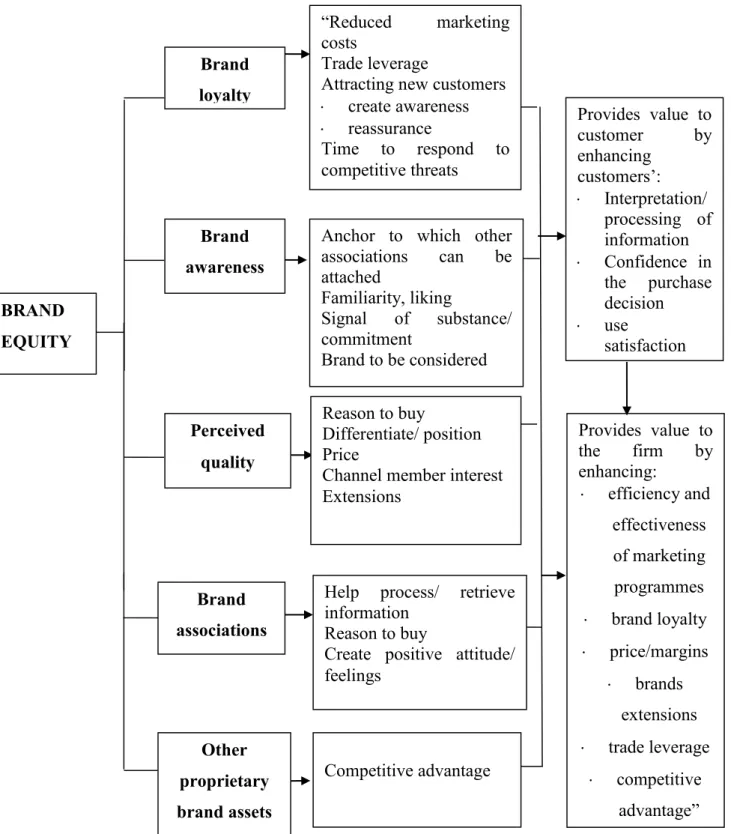
Aaker (1991) postulated five major dimensions of brand equity: “Brand loyalty, Brand awareness, Perceived quality, Brand associations and Other Proprietary brand assets”.
These dimensions, together with the ways in which each of them generate consumer and firm value are illustrated in Figure 2.3. Each of these key brand assets creates formidable competitive advantage and should be aggressively managed (Atilgan et al., 2009:120; Aaker & McLoughlin 2010:176; Jung & Walden, 2015). Yoo, Donthu and Lee (2000) concur with each of Aaker’s five brand equity attributes and used these in their study in which they found advertising spending, store image and price deals were all antecedents of brand equity.
21 2.6 Aaker's Brand Equity Model
Figure 2.3: Aaker’s model of brand equity (Aaker, 1996: 9)
BRAND EQUITY
Brand loyalty
Brand awareness
Perceived quality
Brand associations
Other proprietary brand assets
“Reduced marketing costs
Trade leverage
Attracting new customers
create awareness
reassurance
Time to respond to competitive threats
Anchor to which other associations can be attached
Familiarity, liking
Signal of substance/
commitment
Brand to be considered Reason to buy
Differentiate/ position Price
Channel member interest Extensions
Help process/ retrieve information
Reason to buy
Create positive attitude/
feelings
Competitive advantage
Provides value to customer by enhancing
customers’:
Interpretation/
processing of information
Confidence in the purchase decision
use
satisfaction
Provides value to the firm by enhancing:
efficiency and effectiveness of marketing programmes
brand loyalty
price/margins
brands extensions
trade leverage
competitive advantage”
22 Figure 2.3 is a presentation of Aaker’s model of brand equity which illustrates the sources or dimensions of consumer-based brand equity (brand loyalty, brand awareness, perceived quality, brand associations (imagery) and the benefits derived from these by both consumers and brand owners.
The value of Aaker’s model, which is also deemed to be a pioneer in the field of brand equity is that it is applauded by most researchers for integrating aspects relating to both perception and behaviour (Yoo & Donthu, 2001b:14; Atilgan et al., 2009:116;
Ruževičiūtė & Ruževičius, 2010:720). Aaker’s model is also advantageous in that the five dimensions that are identified can be applied to any product or market (Atilgan et al., 2009:119). The drawback to this model, however, lies in the fact that there is no linkage of the elements indicated and no weighting is allocated to each of the attributes and hence its practicality in actually measuring CBBE is questionable (Ruževičiūtė &
Ruževičius, 2010:720).
2.6.1 Brand loyalty
The consumers’ continued willingness and preference to purchase a specific brand is referred to as brand loyalty (Aaker & Biel, 1993:4; Freeland, 2002:118; Moon, Park &
Choi, 2010: 99). Aaker (1991:31) emphasises that consumers’ loyalty to the brand is at the core of a brand’s equity. Agarwal (2004) and Tong and Hawley (2009) all draw attention to the inverse relationship between brand loyalty and competitive risks.
According to Aaker (1996a:24), the loyalty that a brand engenders among its consumers is the strongest measure of its value. He further asserts that “brand loyalty is qualitatively different from the other dimensions of brand equity in that it is inextricably linked with the brand experience of the consumers” while the others are characteristics of many brands that a person might never have used (Aaker 1996a:25). Brand loyalty can only exist after the consumer has purchased the product, has a liking for and feelings of warmth, respect or trust for the brand and is satisfied with it (Aaker, 1991:45; De Chernatony, 1992). In the case of cars, loyalty to a brand can be a reflection of an efficiency motive. This is when the customer perceives the brand to be so good and hence they automatically choose it (Amine, 1998; Lehmann & Winer, 2005:230).
23 Authors concur that the brand loyalty of existing customers is crucial in the building and sustenance of brand equity (Aaker, 1991; Tong & Hawley, 2009; Bick, 2011). The stronger the relationship between the brand and the consumer, the more the brand will benefit. According to Cant et al. (2009:266) consumers will buy the brand more frequently to the exclusion of others and will be more inclined to try brand variants and extensions. By and large, consumers will be willing to pay a price that is higher than the category average for the brand (Aaker, 1991). The brand will also have reduced marketing, advertising and distribution costs as the cost of keeping existing consumers happy and reducing the risk of them changing to a competitor is significantly less than that of trying to reach new consumers and convincing them to switch to another brand (Aaker & McLoughlin (2013:178).
In their research, Yoo et al. (2000:195) and Tolba and Hassan (2009:358) found there to be a positive correlation between high loyalty and consumers satisfaction. In addition, as brand loyalty increases, consumers realise that the brand offers them value that they would not get from competing brands and are willing to pay more, making it possible for the firm to charge premium prices for its products and services. A large number of loyal consumers, in turn, provide assurance to other loyal consumers as they find comfort in the fact that others have also selected the brand (Holbrook, 1996:139). This epitomises a deterrent to market entrants and further reinforces loyalty to the brand and positively impacts the consumers’ view of the brand and its value (Lehmann et al., 2008:233).
Aaker (1991) and Lehmann et al. (2008:233) assert that loyalty is vital for a brand’s survival and companies should manage customer touch points to ensure that their brand does not falter in vital contexts. Aaker (1991) goes on to further recommend that companies should measure the loyalty of existing consumers not only in terms of satisfaction but also through enquiring whether they like the brand and are committed to the brand. Consumers who like the brand may prefer it based upon associations such what the brand symbolises or due to a long term emotional/ feeling attachment. For example, a consumer might have grown up in a family where the family car is a Mercedes-Benz and therefore developed a liking for and grown attached to the brand.
24 Consumer commitment to the brand is what every company wants for their brand (Aaker, 2004:46). Consumers that are devoted to the brand take pride in being users of or being associated with it. The brand is important to them, either functionally or as an expression of their identity (Aaker, 1991:41). They have high levels of interaction and communication with and have a high regard for the brand and its products. Not only do they value the brand but they place great importance to it and are confident in it such that they would recommend the brand to other people (Aaker, 2004:48). The value of, for example, consumers that are committed to a specific car brand is not so much defined by the business that they generate, but rather, by the impact that they have on other people that they interact with and on the market.
2.6.2 Brand awareness
Figure 2.4: The Brand Awareness Pyramid (Aaker 1991:62)
According to Aaker (1991:61), “brand awareness is the ability of a potential buyer to recognise or recall that a brand is a member of a certain product category.” It involves a continuum of three varying levels as illustrated in Figure 2.4. Brands that maintain strong, top-of-mind awareness through constant exposure create not only brand
Top of mind
Brand Recall
Brand Recognition
Unaware of Brand
25 awareness but also brand salience that can inhibit the recall of other brands (Aaker 1996b:76).
Lehmann (2005:229) and Moon et al. (2010: 99) identify brand awareness as being ‘the simplest form’ of brand equity. In support of this view, Aaker and McLoughlin (2010:177) also highlight how brand awareness has been widely recognised as providing a sustainable competitive edge in sectors with product parity, that is, where there are very similar products in terms of function and attributes. In such cases, brand awareness is said to serve the purpose of differentiating the brand (Kotler & Keller, 2012:18; Washburn & Plank, 2002:48). Aaker and McLoughlin (2010:177) also point out how the salience of the brand is the main determinant of brand recall at the time the consumer is deciding on, for example, which cars they can test drive. At the extreme end of the brand salience scale is name dominance. This is when consumers are able to remember only one specific brand in a product class when they are prompted to do so (Aaker & McLoughlin 2010:177).
Rouhani and Hanzaee (2012:1054), assert that brand awareness on its own is insufficient to ensure a brand's success as consumers do not make purchasing decisions solely on the basis of brand awareness but also consider other variables. Tong and Hawley (2009:268) also state that brand awareness has the function of paving the way for brand image and brand loyalty. Because consumers are being inundated with a lot of marketing messages, Keller (2013:242) suggests several routes to visibility which include extending the brand over product categories (wide product scope) and also going beyond the traditionally channels and using other methods such a social media and event sponsorships. Not only do these strategies provide brand exposure. In addition, they increase brand awareness levels much more effectively than if brands only relied on mass media advertising (Aaker & McLoughlin 2010:177).
2.6.3 Perceived quality
A common dimension in several CBBE frameworks is perceived quality (Keller, 1993;
Aaker, 1996a; Yoo, Donthu & Lee, 2000; Moon et al., 2010). It is an indication of the attainment of differential brand positioning and for many consumers, the basis upon which their purchasing decision is made (Aaker & McLoughlin, 2010:162). Perceived
26 quality directly influences purchase decisions and brand loyalty, especially in situations where the consumer is not motivated or is unable to conduct a detailed pre- purchase analysis (Aaker, 1991:19; Bick, 2011:36; Buil, Martinez & Dechernatony, 2013).
Perceived quality is said to reduce the risks (functional, time security, financial) that consumers perceive to be linked to the purchasing of unknown or unfamiliar brands (Tolba & Hassan, 2009:363; Keller, 2013:35). In terms of financial performance, perceived quality supports customer loyalty and also justifies the price that can be charged and the reason for the consumer’s purchase (Aaker, 1991; Keller, 1993;
Netemeyer, Krishnan, Pullig, Wang, Yagci & Dean, 2001:212). According to Atilgan et al. (2009:119), perceived quality “creates a basis for differentiation and extension” and is an important “construct of brand equity”. It therefore plays a key role in consumers’
perceptions of the value of global luxury car brands like BMW, Audi, BMW and Mercedes.
According to Aaker (1991) in nearly all contexts, a single overall indicator of quality exists, which is relevant to consumers and in fact, drives other more specific dimensions of performance. Tong and Hawley (2009:264) concur with this view and further assert that in order to understand what drives perceived quality and actively manage it, these underlying dimensions need to be determined as they vary with situations and across cultures. Product quality dimensions include: “performance; conformance to specifications; features; customer support; process quality and aesthetic design” (Aaker
& McLoughlin 2010:162; Yoo et al., 2000:196). As the drivers of quality will change over time, Tong and Hawley (2009:264) and Choy, NgChen and Ch'ng (2011)) recommend the monitoring of customer trends, preferences and sources of dissatisfaction and unmet needs. This way, brand managers will have a clear understanding of their consumers and the factors that could not only result in increased CBBE but also those that negatively impact on their perceptions of brands (Tong &
Hawley, 2009:264).