Informasi Dokumen
- Penulis:
- Lia Septiani
- Dede Robiatul Adawiyah
- Pengajar:
- Dr. Ir. Dede Robiatul Adawiyah, M. Si
- Sekolah: Institut Pertanian Bogor
- Mata Pelajaran: Ilmu dan Teknologi Pangan
- Topik: Profil Sensori Deskriptif Kecap Manis Komersial Indonesia
- Tipe: skripsi
- Tahun: 2011
- Kota: Bogor
Ringkasan Dokumen
I. INTRODUCTION
The introduction provides a comprehensive overview of sweet soy sauce as an indigenous Indonesian food product. It highlights the increasing popularity and consumption of sweet soy sauce in Indonesia, particularly in urban areas. The research aims to analyze the sensory profiles of commercial sweet soy sauces, which vary widely in characteristics due to different production processes and ingredients. This section emphasizes the significance of sensory attributes such as taste, aroma, and consistency in consumer preference, making it essential for producers to understand these factors to enhance product quality and competitiveness.
1.1 BACKGROUND
The background section delves into the historical context of sweet soy sauce in Indonesia, detailing its evolution and the growing market demand. It discusses the impact of economic factors on the industry and the need for producers to adapt to consumer preferences. This context sets the stage for the research, which aims to provide insights into the sensory characteristics of various sweet soy sauces, thereby informing product development and marketing strategies.
1.2 RESEARCH OBJECTIVES
The research objectives outline the primary aim of the study, which is to identify and describe the sensory profiles of different commercial sweet soy sauces in Indonesia. Specific objectives include comparing local and national products and analyzing the effects of packaging on sensory attributes. These objectives are crucial for guiding the research methodology and ensuring that the findings are relevant to industry stakeholders.
1.3 RESEARCH BENEFITS
This section discusses the anticipated benefits of the research, which include providing valuable information for producers to improve their products and contribute to the body of knowledge in food science. By identifying key sensory attributes, the research aims to assist in product reformulation and enhance competitive advantage in the market. Additionally, the findings may serve as a reference for future studies in the field.
II. LITERATURE REVIEW
The literature review presents foundational knowledge about soy sauce, particularly focusing on its types, production processes, and sensory analysis methodologies. It highlights the importance of understanding the chemical and physical properties of soy sauce to appreciate its sensory characteristics. This section is vital for contextualizing the research within existing academic discourse and identifying gaps that the current study aims to address.
2.1 SOY SAUCE
This subsection categorizes various types of soy sauce, including soy sauce, sweet soy sauce, and others, detailing their ingredients and production methods. Understanding these categories is essential for the sensory analysis conducted in the study, as different types may exhibit distinct sensory profiles that influence consumer preferences.
2.2 SWEET SOY SAUCE
The sweet soy sauce section focuses on its unique characteristics, production methods, and the role it plays in Indonesian cuisine. This knowledge is crucial for the research as it sets the parameters for analyzing the sensory attributes of sweet soy sauces and their significance in culinary applications.
2.3 DESCRIPTIVE ANALYSIS
This section discusses sensory descriptive analysis methodologies, emphasizing the importance of trained panels in identifying and quantifying sensory attributes. It provides a theoretical framework for the research, outlining how sensory analysis can be applied to assess consumer preferences and product quality.
2.4 SPECTRUM DESCRIPTIVE ANALYSIS
Spectrum descriptive analysis is introduced as a specific method for detailed sensory profiling. This subsection outlines the process, including panelist selection and training, which is crucial for ensuring reliable and valid sensory data. The methodology is relevant to the research as it underpins the analysis of the sweet soy sauce samples.
2.5 PRINCIPAL COMPONENT ANALYSIS
Principal Component Analysis (PCA) is discussed as a statistical tool used to interpret sensory data. This method helps in identifying patterns and correlations among sensory attributes, which is essential for understanding the overall sensory profile of the sweet soy sauces analyzed in the study.
III. RESEARCH METHODOLOGY
The research methodology outlines the systematic approach taken to conduct the sensory analysis of sweet soy sauces. It details the materials, equipment, and methods used for data collection and analysis, ensuring that the research is replicable and scientifically valid. This section is vital for establishing the credibility of the research findings.
3.1 MATERIALS AND EQUIPMENT
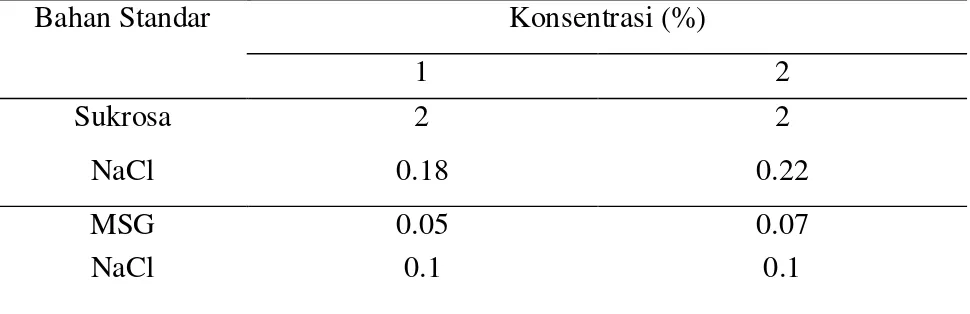
This subsection lists the materials and equipment used in the study, including the different sweet soy sauce samples and sensory evaluation tools. Understanding the materials is essential for evaluating the reliability and relevance of the research outcomes.
3.2 RESEARCH METHODS
The research methods section describes the three stages of sensory analysis: panelist selection, training, and testing. It emphasizes the importance of each stage in ensuring that the sensory data collected is accurate and reflective of consumer preferences. This methodological rigor is crucial for the study's validity.
3.3 ANALYSIS TECHNIQUES
This subsection outlines the analytical techniques used to process the sensory data, including statistical methods like ANOVA and PCA. These techniques are essential for interpreting the results and drawing meaningful conclusions from the sensory evaluations conducted.
IV. RESULTS AND DISCUSSION
The results and discussion section presents the findings of the sensory analysis, interpreting the data in the context of the research objectives. It highlights key sensory attributes identified in the sweet soy sauce samples and discusses their implications for producers and consumers. This section is critical for translating the research findings into practical applications.
4.1 PANELIST SELECTION AND TRAINING
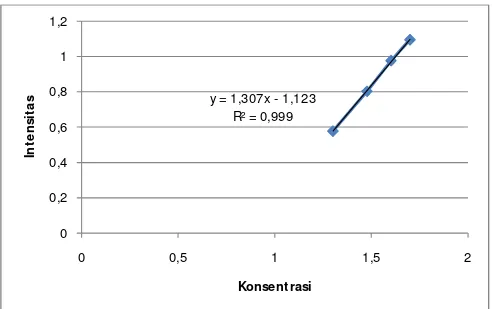
This subsection discusses the selection and training of panelists, emphasizing the importance of having a skilled panel for sensory analysis. It reflects on the criteria used for selection and the training process, which ensures that panelists are capable of providing reliable sensory evaluations.
4.2 SENSORY PROFILES OF SWEET SOY SAUCES
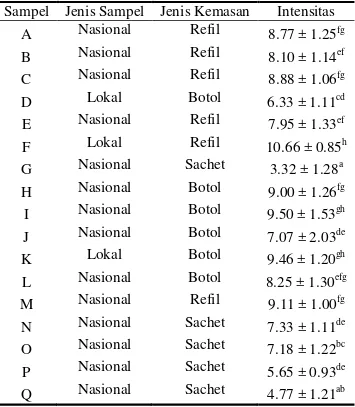
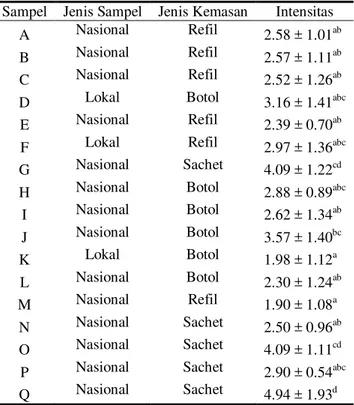
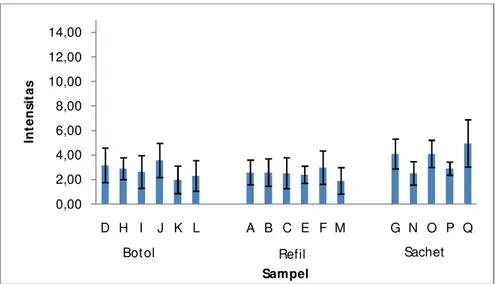
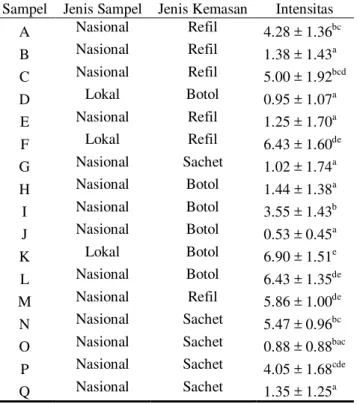
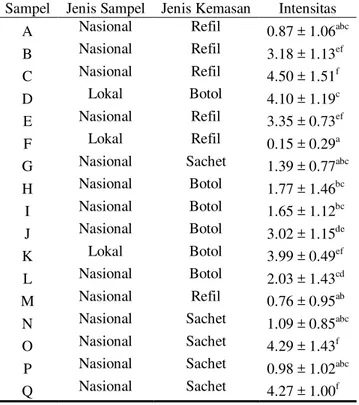
The sensory profiles section presents the identified attributes of the sweet soy sauces, including taste, aroma, and consistency. It discusses variations among samples and how these differences may influence consumer preferences, providing insights for producers on potential areas for product improvement.
4.3 STATISTICAL ANALYSIS OF SENSORY DATA
This subsection presents the results of the statistical analysis conducted on the sensory data, including significant differences in attributes among the samples. It interprets the findings in light of consumer preferences and market trends, offering recommendations for producers based on the data.
V. CONCLUSIONS AND RECOMMENDATIONS
The conclusions and recommendations section summarizes the key findings of the research and their implications for the sweet soy sauce industry. It offers actionable insights for producers to enhance product quality and competitiveness in the market. This section is crucial for translating research outcomes into practical applications for stakeholders.
5.1 CONCLUSIONS
This subsection provides a concise summary of the research findings, highlighting the main sensory attributes identified and their significance for consumer preferences. It reinforces the importance of sensory analysis in product development and market positioning.
5.2 RECOMMENDATIONS
The recommendations section offers practical suggestions for producers based on the research findings. It emphasizes the need for continuous sensory evaluation and product reformulation to meet consumer demands and improve market competitiveness.