Informasi Dokumen
- Penulis:
- Bayu Mulatama Martendreck
- Meiske Widyarti
- Pengajar:
- Meiske Widyarti
- Sekolah: Bogor Agricultural University
- Mata Pelajaran: Civil and Environmental Engineering
- Topik: Analysis of Time Performance in Construction of Library Building Using Critical Path Method (Case Study: Project X by PT. ABC)
- Tipe: thesis
- Tahun: 2012
- Kota: Bogor
Ringkasan Dokumen
I. Introduction
The construction sector in Indonesia is continually evolving to meet various infrastructural needs. This section outlines the critical aspects of project execution, emphasizing time, cost, quality, and safety. It highlights the challenges posed by limited timeframes in construction projects and underscores the necessity for effective project management as a key to successful project completion. The introduction sets the stage for analyzing time performance in the construction of the library building, establishing the context for the application of the Critical Path Method (CPM) in project management.
1.1 Background
This subsection delves into the ongoing construction efforts in Indonesia aimed at fulfilling essential facilities. It discusses the importance of adhering to scheduled timelines, budget constraints, and quality standards in project execution. The challenges of limited time availability are presented, emphasizing the need for robust project management strategies to ensure successful project outcomes.
1.2 Research Objectives
The objectives of this research are clearly defined, focusing on identifying critical tasks within the library construction project using the Critical Path Method (CPM) via Microsoft Project 2010. The research aims to evaluate time performance and analyze factors contributing to delays or advancements in project execution, thereby providing a comprehensive framework for future project management endeavors.
1.3 Research Benefits
The findings from this study are intended to serve as a reference for analyzing time performance in construction projects. By applying the CPM, the research aims to enhance understanding of project management techniques, ultimately contributing to more efficient and effective project execution in the construction industry.
II. Literature Review
This section reviews relevant literature on project management, focusing on the definition, significance, and methodologies employed in the construction sector. It discusses the interplay between time management and overall project performance, establishing a theoretical foundation for the analysis conducted in this research. Key concepts and frameworks are introduced to provide context for the application of the Critical Path Method.
2.1 Project Management
Project management is defined as the application of knowledge, skills, and techniques to project activities to meet project requirements. This subsection outlines the processes involved in project management, including planning, organizing, executing, and controlling, emphasizing the importance of effective management in achieving project success.
2.2 Time Management and Performance
Time management in construction projects involves controlling and scheduling tasks to optimize performance. This subsection discusses various time management techniques, including Gantt charts and the Critical Path Method, and their implications for project efficiency and effectiveness.
2.3 Factors Affecting Construction Duration
Several factors can influence the duration of construction projects, including project size, complexity, quality requirements, and external conditions. This subsection identifies and discusses these factors, providing a comprehensive understanding of the challenges faced in meeting project timelines.
III. Methodology
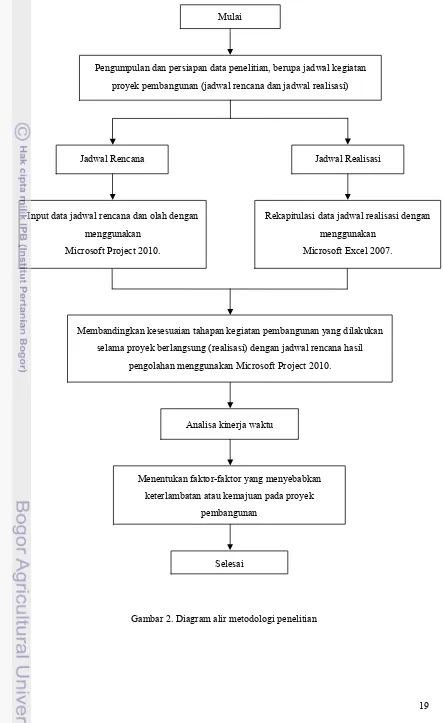
This section outlines the methodology employed in analyzing the time performance of the library construction project using the Critical Path Method. It details the data collection process, the application of Microsoft Project 2010, and the analytical techniques used to evaluate project performance against planned schedules.
3.1 Data Collection
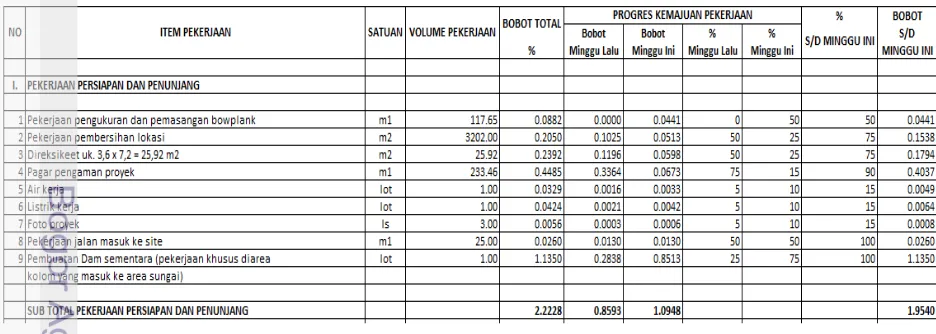
Data collection involved gathering relevant project documentation, including schedules, progress reports, and resource allocation details. This subsection emphasizes the importance of accurate data in conducting a thorough analysis of time performance in construction projects.
3.2 Application of Critical Path Method
The Critical Path Method was applied to identify critical tasks and analyze their impact on overall project timelines. This subsection explains the steps taken in utilizing Microsoft Project 2010 to create a project schedule and monitor progress effectively.
IV. Results and Discussion
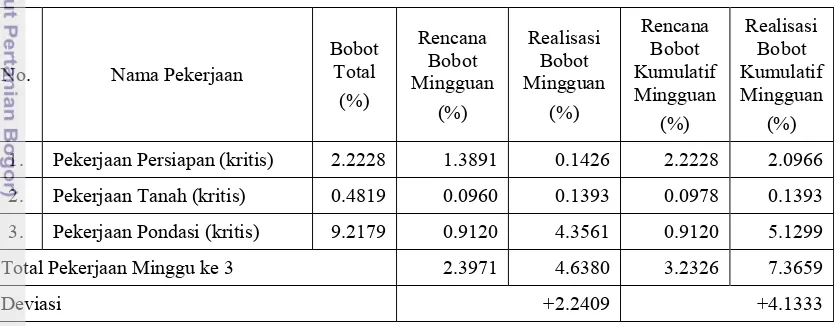
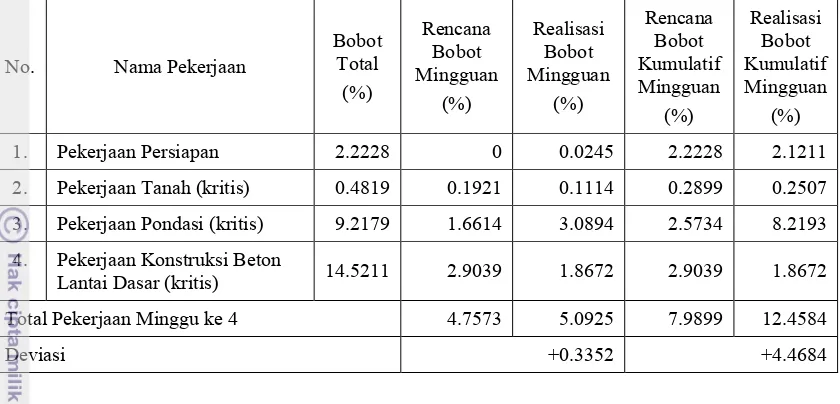
This section presents the findings of the study, comparing actual project performance with planned schedules. It discusses the discrepancies identified, the overall time performance of the library construction project, and the implications of these findings for future project management practices.
4.1 Analysis of Time Performance
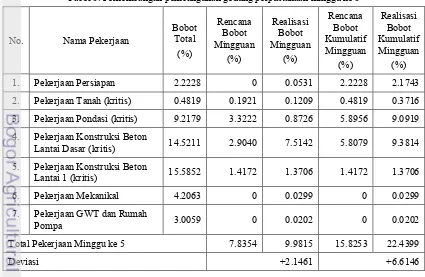
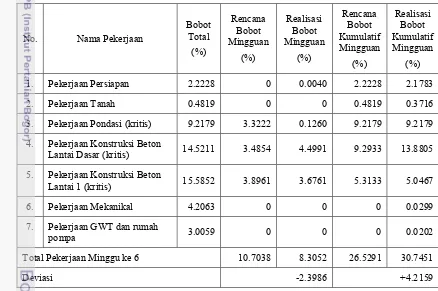
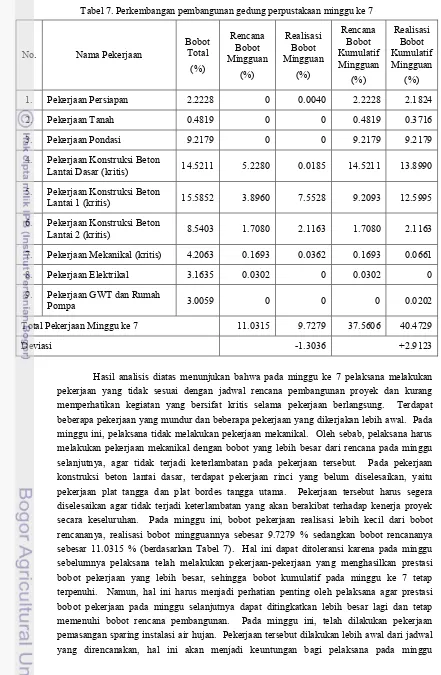
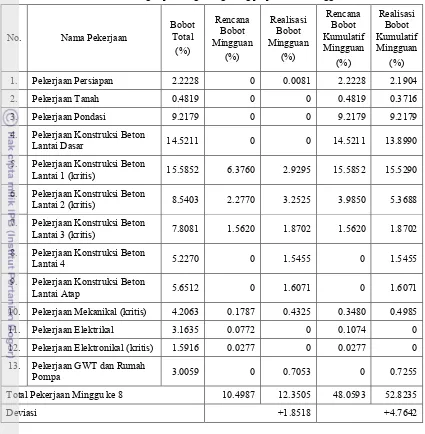
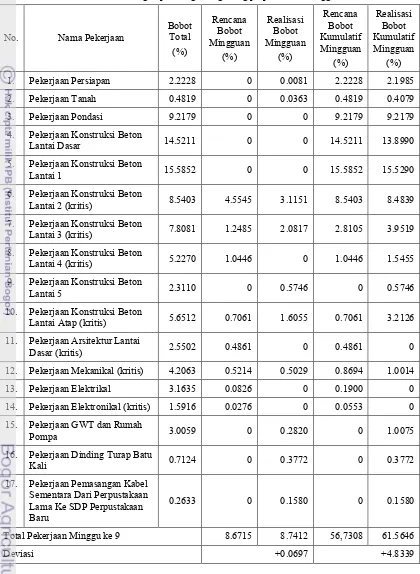
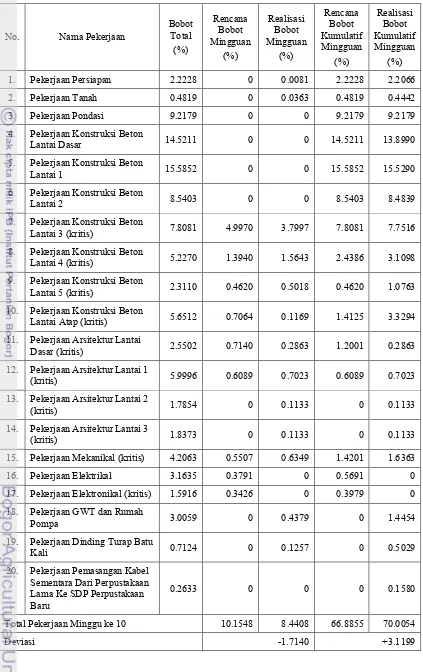
The analysis reveals that while some tasks were completed behind schedule, the overall project was finished within the planned timeframe. This subsection discusses the significance of cumulative weekly weights and their implications for project management decision-making.
4.2 Factors Influencing Project Outcomes
This subsection explores the various factors that contributed to the project's timely completion, including effective project management practices and accurate duration planning. It also addresses challenges faced during construction and how they were mitigated.
V. Conclusion
The conclusion summarizes the key findings of the research, reiterating the importance of effective time management in construction projects. It emphasizes the value of the Critical Path Method as a tool for enhancing project performance and provides recommendations for future research and practice in project management.
5.1 Summary of Findings
The study concludes that effective project management, particularly in time performance, is crucial for successful project completion. The application of the Critical Path Method proved beneficial in identifying critical tasks and monitoring project progress.
5.2 Recommendations
Recommendations for future research include exploring the application of advanced project management software and methodologies to further enhance time performance in construction projects. The importance of continuous improvement in project management practices is also emphasized.