Informasi Dokumen
- Sekolah: University of North Sumatera
- Topik: The Influence of Perceived Organizational Support toward Work-Life Balance
- Tipe: thesis
- Tahun: 2016
- Kota: Medan
Ringkasan Dokumen
I. Introduction
This section introduces the concept of perceived organizational support (POS) and its significance in the workplace. It establishes the framework for understanding how POS influences work-life balance (WLB) among employees. The introduction highlights the increasing importance of WLB in contemporary organizational settings, particularly in relation to employee satisfaction and productivity. This sets the stage for the research objectives and questions that guide the study.
II. Literature Review
This section reviews existing literature on perceived organizational support and work-life balance. It discusses key theories, including Rhoades and Eisenberger's (2002) model of POS and its various dimensions such as fairness and supervisor support. The literature review underscores the relationship between POS and WLB, citing empirical studies that demonstrate how supportive organizational environments can enhance employees' ability to balance work and personal life. This section is crucial for grounding the research in established theories and findings.
III. Research Methodology
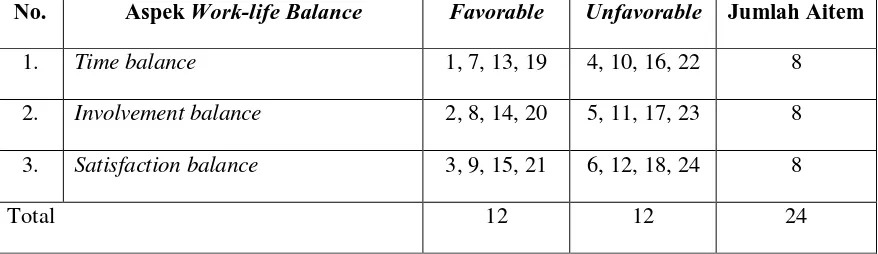
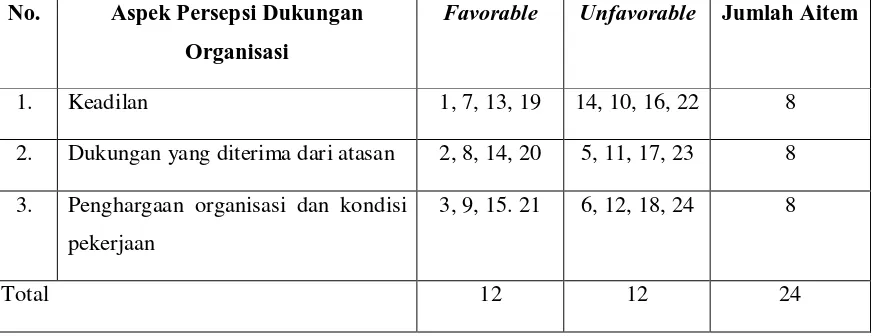
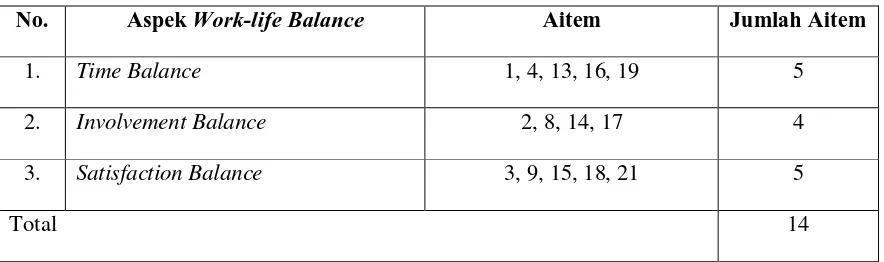
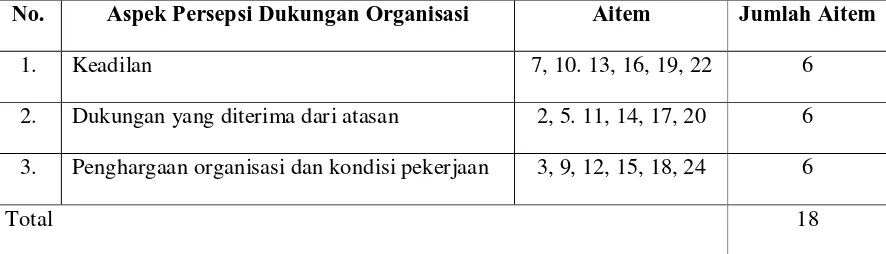
The methodology section details the research design, including the identification of variables, sample selection, and data collection methods. It defines the dependent variable (work-life balance) and the independent variable (perceived organizational support). The section also discusses the instruments used for measuring these variables, emphasizing the reliability and validity of the scales employed. This rigorous approach ensures that the findings will be credible and applicable to educational settings.
3.1. Identification of Research Variables
This subsection elaborates on the dependent and independent variables of the study. Work-life balance is defined as the ability to balance work demands with family responsibilities, while perceived organizational support is characterized by employees' perceptions of how much their organization values their contributions and cares about their well-being.
3.2. Sampling Methodology
This subsection outlines the population and sampling methods used in the study. The research focuses on employees from PT. Perkebunan Nusantara III Medan, with purposive sampling employed to select participants who meet specific criteria, ensuring a representative sample for the study.
3.3. Data Collection Techniques
This subsection describes the data collection techniques, including the use of validated scales to measure work-life balance and perceived organizational support. It emphasizes the importance of using reliable instruments to ensure the accuracy of the data collected.
IV. Data Analysis and Discussion
This section presents the analysis of the data collected and discusses the findings in relation to the research questions. It includes statistical analyses such as regression and correlation, demonstrating the significant influence of perceived organizational support on work-life balance. The discussion contextualizes the results within the existing literature, highlighting the implications for organizational practices and employee well-being.
4.1. Statistical Analysis Results
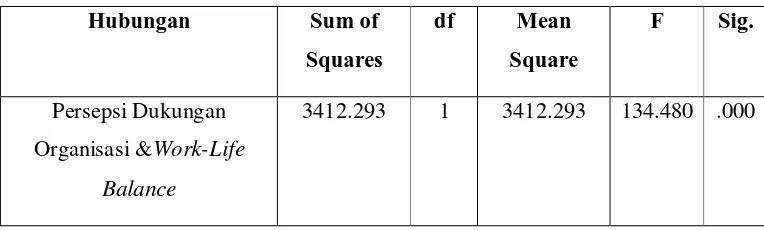
This subsection presents the results of statistical analyses, including regression coefficients and correlation values, which indicate a significant positive relationship between perceived organizational support and work-life balance. The findings suggest that higher levels of support from the organization correlate with improved work-life balance among employees.
4.2. Implications of Findings
This subsection discusses the implications of the research findings for organizational policies and practices. It suggests that organizations should enhance their support systems to foster better work-life balance, which in turn could lead to higher employee satisfaction and productivity.
V. Conclusion and Recommendations
The conclusion summarizes the key findings of the study and their relevance to organizational practices. It reiterates the importance of perceived organizational support in promoting work-life balance and offers recommendations for organizations to implement supportive practices. The section also highlights areas for future research, suggesting that further studies could explore the long-term effects of organizational support on employee well-being.