Gambia-Senegal Sustainable Fisheries Project
USAID/BaNafaa
Year 3: Semi-Annual Report
(LWA Associate Award No. 624-A-00-09-00033-00)
October 1, 2011 – March 31, 2012
A partnership of:
United States Agency for International Development / West Africa Coastal Resources Center, University of Rhode Island World Wide Fund for Nature, West Africa Marine Program Office
Department of Fisheries
Ministry of Fisheries, Water Resources and National Assembly Matters, The Gambia
Contact Information
Ousman Drammeh Project Manager
Gambia-Senegal Sustainable Fisheries Program (USAID/BaNafaa) Tel: 220-779-68-11
Email: [email protected] Alagie Manjang
National Coordinator
World Wide Fund, The Gambia Tel: 220-986-69-31
Email: [email protected] Brian Crawford
Director, International Programs Coastal Resources Center University of Rhode Island Tel: 1-401-874-6225 Fax: 1-401-874-6920 Email: [email protected] Karen Kent
Project Leader
Coastal Resources Center University of Rhode Island Tel: 1-401-874-6630 Fax: 1-401-874-6920 Email: [email protected] Kim Kaine
Global Program Coordinator Coastal Resources Center University of Rhode Island Tel: 401-874-6823
Fax: 401-874-6920
Email: [email protected] Georgette Yarboi-Quayson
Administrative Office Technical Representative
U.S. Agency for International Development / West Africa Tel: 233-244-532913
Table of Contents
Page
Gambia-Senegal Sustainable Fisheries Project... i
USAID/BaNafaa ... i
Contact Information ... ii
Table of Contents... ii
1. Introduction ... 1
1.1 Background ... 1
1.2 The Gambia Fishery Context ... 3
1.3 Program Goal and Key Results ... 6
1.4 Rationale for Piloting Regional Demonstration Activities in The Gambia ... 8
2. Year 3 First Six Months Accomplishments ... 10
2.1 Intermediate Result 1 ... 10
Progress on Activities Contributing to This Intermediate Result: ... 10
a. Effective Sole Fishery Co-Management Plan and Support for MSC Certification Readiness ... 10
b. Effective Oyster and Cockle Co-Management Plan ... 13
c. Water & Sanitation ... 22
2.2 Intermediate Result 2 ... 24
Progress on Activities Contributing to This Intermediate Result: ... 25
a. Sole and Oyster Co-Management Plans and Readiness for MSC Certification 25 b. Human Resources Training/Regional Meetings and Exchange Visits: ... 27
c. Assessment of the Cross Border Trade in Sole. ... 29
d. Bi-Lateral (Gambia/Senegal) Climate Change Vulnerability Assessment ... 30
2.3 Intermediate Result 3 ... 32
Progress on Activities Contributing to This Intermediate Result: ... 32
a. Sole and Oyster Co-Management Plans and Readiness for MSC Certification32 2.4 Intermediate Result 4 ... 35
Progress on Activities Contributing to This Intermediate Result: ... 35
a. Sole and Oyster Co-Management Plans and Readiness for MSC Certification 35 3. Project Management ... 36
3.1 International Travel ... 36
3.2 Environmental Monitoring and Compliance ... 37
3.3 Branding ... 38
4. Estimated Financial Status... 41
Appendix A. Results Framework & Life-of-Project (LOP) Targets ... 42
Appendix B. Governance Scorecards for the oyster fishery. ... 45
Appendix C. Governance Scorecards for the sole fishery. ... 57
List of Figures
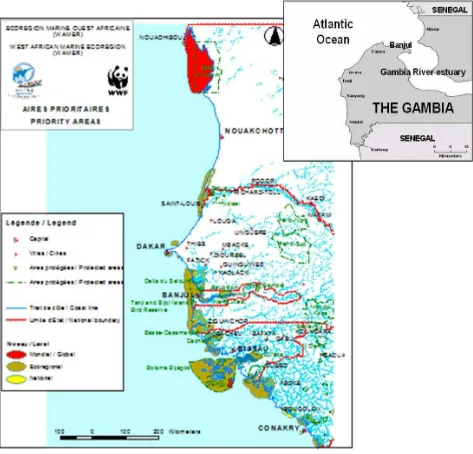
Figure 1: Areas of Biodiversity Significance in the WAMER and The Gambia River Estuary .... 7Figure 2: Sole Co-Management Plan Agreement ... 12
Figure 3: Oyster & Cockle Co-Management Plan Agreement. ... 15
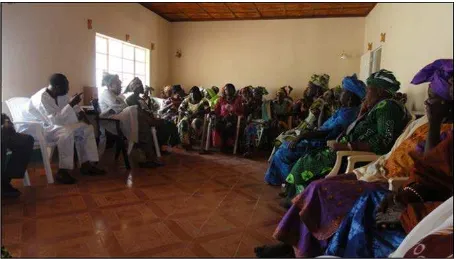
Figure 4: General meeting at TRY Center in February 2012. ... 16
Figure 5: Oyster smoking oven technology transferred from Senegal, constructed at Kamalo ... 17
Figure 6: Promoting the sale of oysters by metric scale. ... 18
Figure 3: Signage marking the mangrove reforestation area in Kartong ... 19
Figure 8: Average Total Coliforms at oyster harvesting sites 2010 – 2012. ... 21
Figure 9: Baseline Fisheries Performance Indicators for The Gambian artisanal sole fishery ... 26
Figure 10: Baseline Fisheries Performance Indicators for The Gambian oyster fishery. ... 27
Figure 11: Hectares under improved management for the artisanal sole fishery out to 9nm. .... 34
1.
Introduction
The USAID/ BaNafaa project is a five-year regional initiative supported by the American people though the U.S. Agency for International Development (USAID)/West Africa Regional Mission. It is implemented through the University of Rhode Island (URI)-USAID cooperative agreement on Sustainable Coastal Communities and Ecosystems (SUCCESS). The World Wide Fund West Africa Marine EcoRegional Program is a regional implementing partner. At the end of Year 2, The University of Rhode Island established an office presence in The Gambia and will work directly with local implementing partners, including TRY, NAAFO/GAMFIDA/NASCOM, TAGFC and the Water Resources Laboratory on some activities. At the end of Year 2, WASH and Climate Change funding was awarded in addition to previous fisheries activities under the biodiversity earmark. URI is working directly with local partners TARUD and GAMWORKS to implement WASH activities beginning in Year 3. Implementation of a bilateral Climate Change Vulnerability Assessment is being conducted by WWF in Year 3. Project activities are carried out in partnership with the Department of Fisheries (DoFish) and stakeholders in the fisheries sector in The Gambia and in Senegal. The focus is on sustainable fisheries management
including the shared marine and coastal resources between The Gambia and Senegal. However, most field activities are in The Gambia. The Gambia - Senegal Sustainable Fisheries Project contributes directly to the achievement of the USAID West Africa Regional Office’s
Environment & Climate Change Response (ROECCR) Results Framework through contributions to multiple Intermediate Results.
This quarterly report describes progress made in the first six months of Year 3 (October 1 – March 31, 2012)
1.1 Background
In West Africa, an estimated 1.5 million tons of fish are harvested annually from the region’s waters, with a gross retail value of US$1.5 billion. In The Gambia and Senegal artisanal fisheries make up a majority of the fisheries landings and contribute significantly to income generation and local food security for coastal communities and for many communities inland where fish are traded. Some 200,000 people in the Gambia and 600,000 in Senegal are directly or indirectly employed in the fishing sector. Seafood products are a leading export of the region and generate as much as 20% of the gross value of exports. While the majority of seafood exports are destined for European Union (EU) markets, a growing volume of trade goes to the U.S. and other countries in the region.
Fish provides the main source of animal protein for the average rural family in the sub-region, where annual fish consumption can be as much as 25kg per capita. In many rural areas, fishing serves as a “social safety net” when farming turns unproductive due to depleted soil, drought, disease, or other factors.
areas. With annual tourist arrivals surpassing 120,000 in The Gambia and 400,000 in Senegal, a growing number of tourists are taking advantage of the countries’ ecologically significant
reserves, parks, and protected areas—most of which have direct links to the fate of well-managed fisheries. These include but are not limited to the Sine-Saloum Delta Biosphere Reserve in Senegal and in The Gambia the Niumi National Park, the Baobolon Wetland Reserve, and the Tanbi Wetland Complex—all are designated Ramsar sites and contain globally significant wetlands.
Senegal and The Gambia are centrally located within the West African Marine Ecoregion (WAMER) that spans 3,500km of coast in western Africa (Mauritania, Senegal, The Gambia, Cape Verde, Guinea Bissau, and Guinea). Its most striking feature is the powerful coastal upwelling of cold water that create a tremendously productive food chain supporting incredible biodiversity in one of the most diverse and economically important fishing zones in the world. Over 1,000 species of fish have been identified, along with several species of cetaceans including dolphins and whales, and five species of endangered marine turtles. This immense productivity is further enhanced by several major river/estuary/delta complexes that provide additional influx of nutrients and sediments to the marine realm, adding to its biological productivity. The estuarine wetlands are globally significant breeding and over-wintering grounds for numerous migratory birds.
The ecoregion is also known as the Canary Current Large Marine Ecosystem (CCLME). Fish that spawn in northern nurseries seasonally migrate southwards (as do the fishermen) and provide food for human fishing communities along the way. In addition, recent satellite tracking has confirmed that green turtles lay eggs along the remote beaches of Guinea Bissau and travel northwards through Senegalese and Gambian waters to graze in the rich sea grasses of
Mauritania. In short, the unique combination of climate and upwelling supports species and habitats that represent critical resources locally, nationally, regionally, and globally. Areas of international, regional and local significance within the WAMER are shown in Figure 1. The stretch from the Saloum Delta in Senegal, The Gambia River and the entire coastline of the Gambia, as well as the Casamance river system is one contiguous area that has regional biodiversity significance.
High levels of fishing effort, however, puts unsustainable pressures on limited fish stocks—only further exacerbated by recent improvements in fishing gear that increase fishing efficiency. As more boats search for fewer and fewer fish, the use of destructive, habitat-destroying fishing techniques such as bottom trawling, and beach seining have increased dramatically. Increased fishing has also led to increased capture of endangered marine turtles, juvenile fish, and expansion of the trade in shark and ray fins.
To address these threats, more integrated management approaches are needed at the local and regional scale, including approaches that move toward more sustainable fisheries utilization with less impact on the rich biodiversity of this region. Reducing overfishing through more
capture of endangered species and will increase adaptive capacity of communities and fisheries to climate change.
Climate change is predicted to seriously modify coastal, marine and estuarine ecosystems and their human uses with social, economic and ecological consequences. In the Saloum, Sangomar Point has completely disappeared and the advancing sea is causing the progressive disappearance of mangroves in the Saloum estuary. Infrastructure in both the Saloum and in The Gambia are threatened by coastal erosion, menacing fisheries centers, and landing and processing sites. By one estimate, climate change will cause a reduction of fish catch in Senegal by 2% of GDP beginning in 2020.
It is therefore important to study the vulnerability of these ecosystems and productive human activities to identify appropriate adaptation measures that support sustainable socio-economic development and reduce the vulnerability of local populations. While the natural resources are trans boundary, resource management in The Gambia and Senegal is strictly national. An ecosystem-based approach to fisheries resource management and adaptation of fisheries to climate change needs to consider both countries and ensure bilateral cooperation and planning. In short, at stake in a successful ecosystem-based approach to fisheries management is the ability of millions of people to sustain a resource-dependent existence while at the same time protect the overall ecological integrity and biodiversity of the region.
1.2 The Gambia Fishery Context
There are two types of fisheries in The Gambia—artisanal and industrial. The total fish landed from both the artisanal and industrial sub-sectors were estimated at nearly 40,000 MT in 2006 and 47,000 MT in 2007. In 2006, the artisanal fishery contributed approximately 93 %.
not land their catches in The Gambia as is required by fisheries licensing regulations. A deep water landing dock in Banjul is now under construction. This construction project was developed and supported by the Gambia Artisanal Fisheries Development Project supported by the African Development Bank and BADEA (Arab Bank for Economic Development).
The industrial fisheries sub-sector also includes industrial seafood processing plants that purchase fish from the artisanal fishery and provide permanent and part-time employment to between 1,500 to 2,000 people (mainly women). Presently, there are seven processing plants, three of which export to the EU. Two plants are temporarily closed due to lack of material (fish) and high operating costs. Lack of adequate fish for processing is an annual problem, especially when most Senegalese fishers return to Senegal for Ramadan and Tabaski (Islamic holidays). It is expected that the new deep water port in Banjul will reduce the problem of lack of material and the need to operate below capacity. Processing factories also suffer from unreliable provision and high prices for electricity—electricity represents the greatest cost for processing plants with The Gambia having one of the highest kilowatt hour cost of electricity in Africa. Another problem is the high cost of financing.
The artisanal sector, which is the major supplier of both food fish for the Gambian populace and raw material fish for commercial fish processing plants, provides direct employment to 1,410 head fishermen and 4,694 assistant fishermen. Considering fish buyers, processors, boat builders, fuelwood collectors, and other ancillary activities it is estimated that over 200,000 people are directly or indirectly dependent on artisanal fisheries for their livelihoods. Of the 1,410 head fishermen operating in the artisanal fisheries, 805 are Gambian nationals and 605 foreign. In the coastal area, however, foreign nationals—mainly Senegalese—form the majority with 249 head fishermen compared to 167 Gambians. The number of canoes and fishermen operating in artisanal fisheries steadily increased from 1983 to 1997, but thereafter and until 2006 declined. The artisanal subsector is highly diverse, incorporating marine, estuarine and freshwater fishing operations. The majority of the communities located along the Atlantic coastline and close to the River Gambia and tributaries engage in some form of artisanal fishing activity. The more
prominent fishing communities are located along the Atlantic coast and include the coastal villages of Kartong, Brufut, Tanji, Sanyang, Gunjur and Bakau, and the riverbank villages of Albreda, Bintang, Kemoto and Tendaba.
Artisanal fishing crafts are predominantly dug-out canoes along the river, and planked open hull vessels (pirogues) of the Senegalese type along the marine coast. Most fishermen (74 %) own their canoes followed by joint ownership (14%). The Frame Survey revealed that 94% of the fishermen use canoes for fishing and the most common type of canoe used is dug-out (50%) followed by planked-dugout (37%). There are also 1,082 un-motorized and 625 motorized canoes.
fishing gears. Stow nets and drift nets (fele-fele) are especially used by artisanal fishermen for catching shrimps in the estuary and tributaries.
With regard to fish market outlets, about 60 percent of fishermen sell fish catches through
Banabana (fish dealers) and 31 percent sell directly to consumers. The rest sell through bidding.
The artisanal fish catch is either sold among the local communities for processing (drying and smoking) or is transported and marketed in major towns and villages in the interior. Post harvest losses are high due to a combination of oversupply, lack of preservation and lack of market. The processed fishery products are transported and sold in inland markets, and some are exported to neighboring countries. A proportion of the artisanal fish catch of high value (shrimps, soles, sea breams, lobsters) are purchased by industrial seafood processing companies for export abroad. The Ministry of Fisheries and communities at the artisanal fisheries landing sites have indicated that Water and Sanitation are development priorities for the artisanal fisheries sector due to the lack of sanitary facilities and potable water sources at most landing sites. This situation poses a public health threat for users of the site and surrounding communities as well as a threat to the quality of fisheries products handled and processed at the sites.
The Gambia’s fisheries sector operates under the authority and responsibility of the Minister of Fisheries, Water Resources, and National Assembly Matters through the Department of Fisheries (DoFish). The policy, legal and management framework for fisheries in The Gambia is provided by the 2007 Fisheries Act and the 2008 Fisheries Regulations. A draft Fisheries Management Plan for shrimp, sardinella and sole fish was prepared in 2009. The Fisheries Act mandates a Fishery Advisory Committee and Community Fisheries Centers as the institutional structure for inclusive oversight of the sector and also allows for decentralized fisheries co-management. The policy objectives of the fisheries sector as articulated in policy documents include:
• Rational and long-term utilization of the marine and inland fisheries resources
• Improving nutritional standards of the population
• Increasing employment opportunities in the sector
• Increasing foreign exchange earnings
• Increasing and expanding the participation of Gambians in the fisheries sector
• Improving the institutional capacity and legal framework for the management of the fisheries sector
Project Strategies
• A participatory co-management approach that engages fisherfolk in decision-making.
• An ecosystem-based approach that looks not only at the fish, but protection of critical habitats and reduction of fishery impacts on threatened marine species
• Mainstreaming gender dimensions that provide opportunities for both men and women to benefit economically and participate in decision-making.
• A threats-based approach to coastal and marine biodiversity conservation.
1.3 Program Goal and Key Results
The goal of the USAID/ BaNafaa Project is to support the Government of The Gambia in achieving its fisheries development objectives by contributing to the following vision:
Artisanal fisheries and coastal ecosystems in The Gambia and selected stocks shared with Senegal are being managed more sustainably, incorporating significant
participation of fisherfolk in decision-making, and attaining improved economic benefits for both men and women involved in the market value chain.
USAID/BaNafaa builds on the on-going efforts of the Department of Fisheries in The Gambia, working with community fisheries centers and their management committees to improve
fisherfolk involvement in the management of fisheries resources. More specifically, to further the development and implementation of the draft fisheries management plan for sole and other selected species. Sole is an important export commodity so this involves partnerships with export processing businesses as well. This is also a shared stock with Senegal. As gender equity is another important aspect of the project, USAID/BaNafaa is benefiting both men and women in the fisheries sector by also working with oyster harvesters—a women-dominated fishery whose importance is often under-recognized.
Key Results for the USAID/BaNafaa Project are to:
• IR 1: Strategies to increase social and economic benefits to artisanal fishing communities, and otherwise create incentives for a sustainable fisheries agenda in the WAMER identified, tested and applied
• IR 2: Institutional capacity strengthened at all levels of governance to implement an
ecosystem-based, co-management approach to sustainable fisheries, and to prevent overfishing
• IR 3: Nursery areas and spawning areas for critical life stages of commercially important species and for associated marine turtles and mammals are protected
• IR 4: Change unsustainable and destructive marine resource use practices that threaten improved biodiversity conservation in the West Africa Marine Ecoregion
Geographic Scope. The Project concentrates its activities on the marine and coastal resources
project, is working on fisheries management in the Saloum Delta and Casamance River. Together, these two USAID-supported initiatives are expected to have a significant impact on improved management of this biodiversity-rich area.
1.4 Rationale for Piloting Regional Demonstration Activities in The
Gambia
The Gambia is the only country in West Africa that has enacted a fisheries legislation that makes it possible to adopt and implement a fisheries co-management plan under the Ecosystem-Based Fisheries Management (EBFM) approach. The Fisheries Act of 2007 is comprehensive
legislation that addresses national as well as international fisheries issues in a holistic manner incorporating the FAO Code of Conduct for Responsible Fisheries and other relevant
international fisheries conventions and protocols to which the country is a member or has assented to. Thus, a strong legal basis for the implementation of a co-management regime is already in place. The top-down approach to fisheries management is a thing of the past; now the fisherfolk and their communities are fully participating in all aspects of fisheries management including decision-making. Community Fisheries Centers have been established in major fish landing sites and are operating under a co-management arrangement with Government and other stakeholders. However, the fisheries co-management institutions need to be strengthened. The USAID/BaNafaa project has been providing the requisite leadership, financial and technical support. Much has been achieved yet more work is needed to achieve success and sustainability of a co-management approach that can serve as a model for other nations in the region.
The small size of the country and comprehensive fisheries legislation offer the unique opportunity to introduce the EBFM approach as a pilot and if successful the approach can be adapted in other countries where USAID is supporting sustainable fisheries development programs (Ghana and Senegal). The Gambia is a good model for fisheries co-management in West Africa and other regions with open access fisheries.
The USAID/BaNafaa project focus in the first 2 years of project implementation has been on the oyster and sole fisheries. As of January 2012, a co-management plan for the sole fishery will be adopted. The sole fishery is also now close to meeting the sustainability criteria for certification by the Marine Stewardship Council, and likely to be the first artisanal fishery in sub-Saharan Africa to get an Eco-label. Other countries in West Africa including Morocco, Mauritania and Senegal are interested in the work being done under this project and eager to learn from this experience. The oyster fishery activities are uniquely focused on women harvesters which are typically neglected in fisheries development planning. The management plan for the oyster fishery will give exclusive rights to the oyster fishery in the Tanbi wetland area to these women oyster harvesters who have now been organized into an area wide producer organization.
Exclusive use rights to a fishery resource are rare in West Africa, let alone to women. This is the first case in sub-Saharan Africa where exclusive fishery harvest rights have been legally given to women harvesters.
The Legal Basis for Co-Management in The Gambia
Section 11 of the Fisheries Act gives power to the Minister of Fisheries to determine participatory rights in a fishery, such as allocations of the total allowable catch or of the total allowable level of fishing and this may include restrictions as to vessel type, gear type, seasons of operations, and areas in which fishing can take place; and any other restriction relevant to fisheries conservation, management and development.
Under Section 14, the Minister of Fisheries may, in the interest of conservation, management and sustainable utilization of fisheries resources, by Notice in the Gazette, declare any area of the fisheries waters and corresponding adjacent areas, including marine protected areas or reserves established under any other laws, to be Special Management Areas for purposes of community-based fisheries management, and the application of certain conservation and management measures and artisanal or subsistence fishing operations or any combination of the foregoing purposes or other specified purpose. The Notice published may specify the specified Special Management Area: the persons or groups of persons or types or classes of vessels that may be allowed to fish; the methods of fishing that may be used, the terms and conditions of fishing; and any other conservation and management measure that apply.
Section 15 stipulates that the Minister of Fisheries may, in consultation with the Local Authorities and where applicable, in accordance with the Local Government Act and other laws of The Gambia, establish a Community Fisheries Centre for the purposes of community-based fisheries management and may allocate the Management Areas or parts of them for which a Community Fisheries Centre shall be responsible under this Act and describe the rights and responsibilities of a Community Fisheries Centre in respect of the Special Management Areas or parts of them, taking into account the concerns of communities living within the immediate environs of the area to be declared as a Special Management Area.
2.
Year 3 First Six Months Accomplishments
2.1 Intermediate Result 1
Strategies to increase social and economic benefits to artisanal fishing communities, and otherwise create incentives for a sustainable fisheries agenda in the WAMER identified, tested and applied.
No Indicator FY12
Target
Q1 Q2 Q3 Q4 FY12 Actual 1 Number of businesses economically benefiting 250 150 129 279 to
date 2 No persons receiving econ. assistance packages
(grants, training, etc.)
260 150 129 279 to
date 3 Number of people with improved access to loan capital 250 150 129 279 to
date W1 Improved access to water and sanitation facilities 0 0 0
W2 Number of persons receiving Participatory Hygiene and Sanitation Transformation (PHAST) Training.
280 0 0
W3 Number of persons receiving training and outreach messages on hygiene promotion
1000 0 0
W4 Community water and sanitation committees established and trained with program assistance
2 0 0
Progress on Activities Contributing to This Intermediate Result:
Project activities described under the sub-headings below have contributed significantly and directly to this IR. The results of the strategies identified, tested and applied in economic and social terms and the degree to which they have influenced a broader sustainable fisheries agenda in the WAMER are preliminary at this stage. The quantification of number of businesses and persons benefitting, as reported in indicators 1-3 for this IR, are achieving and exceeding targets specified in the Project Design and for Year 3 (FY12). However, these numbers do not reveal the underlying complexity of the benefits and the degree to which they are sustainable.
USAID/BaNafaa project activities have, to date, focused on creating the enabling conditions for longer term sustained benefits. WASH indicators are also on track for achieving FY12 targets. The progress made on key activities is described below.
a. Effective Sole Fishery Co-Management Plan and Support for MSC Certification Readiness
project entered into a Memorandum of Understanding (MOU) with the Department of Fisheries (DoFish), The Atlantic Seafood Company and GAMFIDA to assist the Gambian stakeholders address the deficiencies outlined in the September 2008 MSC pre-audit report. One of the key activities is USAID/BaNafaa’s support for the development of a Sole Fishery Co-Management Plan for the artisanal sole fishery.
The project has facilitated the setting up of community based sole committees (LACOMS) and a national co-management committee (NASCOM) and has contributed technical assistance for sole stock assessment, by-catch research, critical spawning area hotspot mapping using local
ecological knowledge, value chain analysis, and vessel licensing and registration, as well as on stakeholder capacity building and the stakeholder consultation process for developing the co-management plan. Technical reports are posted on the CRC website. As a result, the
organizational framework for fisheries co-management has greatly improved since 2009. The fishing communities are better organized with functional committees at local and national levels working to serve their collective interests. DoFish staff have been involved in all processes from the start. So have other government agencies such as the Gambia Navy, Gambia Maritime Authority, Local Government Municipalities, as well as fisheries non-governmental
organizations GAMFIDA and NAAFO. These actors have worked towards consensus building on access limitations, closed and protected areas, mesh size regulations and responsible fishing practices, all of which are prerequisites for sustainable fisheries in The Gambia. Without
USAID/BaNafaa project support, the Sole Co-Management Plan would not have been developed in this manner at this pace. Progress towards MSC certification, which is expected to happen later in Year 3 or in Year 4 of the project (FY12-13) and for which the Co-Management Plan is a significant milestone, would not be considered possible at this point in time without the direct contribution of the USAID/BaNafaa Project. If certified, The Gambian sole fishery would be the first artisanal fishery to obtain MSC certification in Africa.
Accomplishments Year 3 (thru March 31, 2012):
1. Approval of the Sole Fishery Co-Management Plan: Approval, signing by the Minister of Fisheries, Water Resources and National Assembly Matters and NASCOM and public launch of the plan occurred on January 17, 2012 with the participation of the USAID/WA AOTR for the USAID/BaNafaa Project and the U.S. Ambassador to The Gambia, following two final steps:
- Stakeholder Meeting in November, 2011. Seventy-five participants from all stakeholder groups reviewed the final plan and provided final comments. Dr. Kathy Castro of URI/Fisheries Center was in The Gambia for this meeting. Following the meeting, final revisions were made to the plan, including more specific language on climate change impacts and adaptation as a priority area of future research.
- DoFish Advisory Committee Meeting. This committee, mandated by the Fisheries Act of 2007, includes the Permanent Secretaries of State, Trade and Industry, Local Government and Lands, and Health and Social Welfare, as well as the Commander of the Navy, the Executive Director of the National Environment Agency, Director General of The Gambian Maritime Administration and representatives of the industrial, artisanal and aquaculture fisheries sectors. They endorsed the final version of the Plan.
Figure 2: Sole Co-Management Plan Agreement
The Plan must now be gazetted for public notice. This has been delayed due to the turnover of Ministers following Presidential elections in November 2011. The previous Minister of Fisheries, Water Resources and National Assembly Matters, who signed the co-management plan was replaced in February 2012. The USAID/BaNafaa Project Manager met and briefed the new Minister, who promised in a public speech on April 10 to gazette the plan. On April 17, he was appointed Minister of Finance and replaced at Fisheries by the recent Minister of Foreign Affairs, Mamadou Tangara. Gazetting is expected during quarter 3.
2. Implementation of the Sole Co-Management Plan:
a. DoFish Capacity. USAID/BaNafaa provided technical assistance to DoFish for the institutionalization of its stock assessment and database management responsibilities. The
THEREFORE, I HEREBY:
Declare as a Special Management Area for the purposes of fisheries management, a sole fisheries zone from the Atlantic shoreline and shorelines adjacent to the estuarine areas of The Gambia River out to 9 nautical miles.
Designate the NASCOM and its associated LACOMs through the Community Fisheries Center Management Committees as having exclusive use rights to the sole fishery in this area.
Delegate authority for the responsible and sustained
University of Rhode Island Fisheries Center technical specialists Dr. Kathy Castro, Barbara Somers and Najih Lazar traveled to The Gambia from October 29 to November 7, 2011to assess and provide recommendations to DoFish on organizational structure, staffing, staff training and planning for an adequate budget to support stock assessment and database management functions sustainably. Two staff were identified to begin on-line stock assessment training and to work on the database with distance support from URI. The training began in late January and will
continue through the end of June 2012.
b. NASCOM capacity. With guidance and technical (but not financial) support from the project, NASCOM applied for and obtained official registration as a community based organization (CBO) in January 2012. NASCOM has prepared an activity plan, the key component of which is to sensitize the LACOMS on the co-management plan and its implications, the powers they have and the management measures they are committed to follow. Since January, NASCOM has been conducting an outreach program and has visited each of the four main sole fish landing sites (Kartong, Brufut, Sanyang, Gunjur). They will continue the program to visit the other sites next quarter. NASCOM realizes that the LACOMS need capacity building. Gunjur, the President of NASCOM’s LACOM, is the most active. The fact that NASCOM has not relied on financial support from USAID/BaNafaa to mobilize for co-management plan implementation is a positive indicator of the future sustainability of its actions.
Fishermen are eager to implement the 1 nm seasonal closure beginning on May 1 in accordance with the co-management plan. While fishermen will begin complying, penalizing of violators will not be feasible until the law to goes into force following gazetting. Marking of the 1nm area with buoys as indicated in the management plan has also not yet been done. One idea is to use part of the funds donated by the German Seafood Company Kaufland to support sustainable seafood from The Gambia for this purpose.
Implementation of the sole co-management plan seasonal closure in The Gambia and sustainable management of the fishery is facilitated by the fact that Senegal recently began implementing a seasonal closure of its coastal waters on the Casamance side of the Allehein River. Although they have also not marked the closed area with buoys, a Gambian fisherman was recently fined for fishing there, indicating effective enforcement.
NASCOM is also enthusiastic about the low cost, on-board ice box pilot that was planned for Year 3 through a grant to NASCOM. Although the pre-conditions for the grant are still in process, NASCOM has already identified someone at the Tanji landing site who is recycling insulation from old freezers and making a box for a much lower than anticipated cost. Due to reduced unit costs, NASCOM would like to conduct a larger pilot using all of the four main sole landing sites. This would engage more fishermen, increase the strength of the findings and facilitate diffusion and adoption of the model if it is successful. Reducing post-harvest losses before the catch is landed and sold could significantly increase returns to fishermen.
b. Effective Oyster and Cockle Co-Management Plan
harvesting communities, water quality surveys at oyster and cockle harvesting sites in the Tanbi Wetlands, a preliminary shellfish shoreline sanitation survey in Banjul, oyster spatfall studies, oyster and cockle aquaculture pilot action research and oyster value chain analysis. Technical reports are posted at the CRC website. The project has also facilitated the stakeholder
consultation process for developing the co-management plan and for building the capacity of the TRY Women’s Oyster Association to represent and act in the interest of its members.
Even before official approval, which provides for exclusive use rights and decision-making authority of TRY and its membership committees in their local areas, there are already tangible social and economic benefits to the women cockle and oyster harvesters and to TRY. The benefits can be better appreciated from the point of entry of the USAID/BaNafaa project. Barely five years ago, the cockle and oyster fishery was not recognized and did not feature in the national fisheries development program. Also, TRY membership is comprised of middle aged women, mostly widowed and uneducated and yet the bread winners of their families. The women suffered disproportionately from indebtedness and economic hardships during the closed harvesting season and a difficult and hazardous working environment during the harvesting season. Benefits can be summarized as follows:
- The work conditions of the women have improved. They now have access to proper working gear, including work boots, boats, life jackets, and improved harvesting and shucking tools, thus markedly reducing the work hazards.
- The women now wear gloves and uniforms for marketing their products, a practice which improves the hygiene of the product, differentiates the higher quality product and makes it easily visible in the market.
- Preliminary results of extending the closed season in 2011 to allow for more growth and larger oysters indicate that this more ecologically sound practice may also provide a 30% price increase on the market. This practice is institutionalized in the Co-Management Plan.
- Pilot aquaculture action research tested techniques for oyster rack and basket culture to increase production using local materials. TRY members have now seen the potential of the techniques and its costs and can decide whether they will pursue aquaculture with their own investments. TRY has also received a GEF grant for rack culture scale up.
- In Year 1, 24 members of TRY visited oyster harvesters and processors in Senegal and the TRY Executive Director went to Tanzania to see oyster processing and livelihoods work. In Year 2, four members of TRY, including the Coordinator went on a study tour to Senegal on improved oyster processing techniques. Due to the favorable results of USAID/BaNafaa water quality testing work, development of fresh oyster markets locally and eventually internationally is also a longer term possibility.
- Training in enterprise development and the introduction of a microfinance program (initiated by TRY and supported by the USAID/BaNafaa project) have built the capacity of TRY members in basic financial and small-business management and provided access to credit to 250 TRY members in Year 2. The credit is designed to enable the women to engage in value added activities for oysters as well as in alternative livelihoods during the closed harvesting season. Many have now developed the culture of saving money for the first time in their lives.
- 30 daughters of TRY members are undergoing training in culinary and handicraft skills at the TRY Center as a means of earning money to supplement the family income (the young women are high school drop-outs because the parents could not afford pay school fees). (Not a directly USAID/BaNafaa supported activity).
- Through the fundraising efforts of TRY, the Ministry of Education has, for the first time, awarded 17 school scholarships to the most deserving children of the oyster harvesters.
- With the technical assistance of USAID/Ba-Nafaa, TRY has developed a comprehensive business plan that includes sections on: Enterprise Sustainability, Market Segmentation, Marketing and Sales, Healthcare and Insurance, Financial Analysis, Cost and Revenue projections, Operating Procedures, and Plans for a Sustainable Building proposal to establish a permanent multi- purpose processing center for TRY. An application for land has been submitted to Government, reviewed and additional information requested.
- As USAID/Ba-Nafaa has supported strengthening TRY, other organizations have started to provide financial support as well. They include the Global Environmental Facility (GEF) through the National Environment Agency, the Banesto Foundation of Spain, the Friends of Gambia and Senegal based in America, the Association of Small-Enterprises, Women’s Bureau and the Department of Community Development.
Accomplishments Year 3 (thru March 31, 2012):
1. Approval of the Oyster and Cockle Fishery Co-Management Plan: Approval, signature by the Minister of Fisheries, TRY and 4 government departments and agencies, and the launch
ceremony for the plan was combined with the sole plan on January 17, 2012. The oyster and cockle plan was also the subject of final stakeholder review meetings prior to approval. As for the sole plan, one of the revisions added was specific language highlighting potential climate change impact on the fishery and the need for climate change mitigation, vulnerability and adaptation to be considered as research priorities. The Oyster and Cockle Plan also still needs to be gazetted for public notice. This is planned for Quarter 3. TRY may be the first African women’s organization granted exclusive user rights for sustainable management of a national fishery. Gambia may be the first African country to grant such rights to women.
Figure 3: Oyster & Cockle Co-Management Plan Agreement.
THEREFORE, I HEREBY:
Declare the area congruent with the Tanbi Wetlands National Park as a Special Management Area solely for the purposes of fisheries management.
Designate The TRY Association as having exclusive use rights to the cockle and oyster fishery in this area.
2. Implementation of the Oyster and Cockle Co-Management Plan:
a. TRY Capacity. A series of meetings and trainings were held in late January and February at the TRY Center and in various communities to prepare members for the opening of the oyster season (March 1st) and to update them on recent developments and future endeavors of TRY. Members were:
• briefed on the importance of wearing their uniforms, gloves, and ID badges when selling oysters
• reminded of their annual membership subscription and membership fees
• trained by the National Association of Cooperative Credit Unions of The Gambia (NACCUG) on the importance of saving and managing money
• trained by Dr. Bamba Banja, USAID/BaNafaa WASH Coordinator, on proper food handling and hygiene.
Representatives from each community attended a meeting at the Center in late February to:
• discuss oyster prices for this season
• promote the use of scales
• elect new local governing board members. As outlined in the TRY Association
Constitution, every two years these positions are up for re-election. The newly elected board is: President - Isatou Sambou of Wencho, Vice President - Nenneh Sambou of Abuko, Secretary - Isatou Jarju of Kartong, and Treasurer - Ami Sambou of Abuko.
• share the information presented at the meeting with the other members of their communities.
b. Processing and Marketing. As of March 1st TRY women are harvesting and selling oysters. The women have reported increased oyster size, most likely due to the delayed start of the oyster season institutionalized in the Oyster and Cockle Co-Management Plan. Because DoFish does not currently have the capacity and because TRY is motivated to develop market opportunities, the project will support TRY to set up a system of regular data collection at sales points to capture both market and basic stock information. The Peace Corps volunteer posted with TRY (and supported by the project) will work with TRY staff and members to conduct this activity when she returns from home leave in May. Retail oyster prices were set by the women at: smoked GMD 25/cup, boiled GMD20/cup, and small oysters GMD15/cup. The TRY Center is now purchasing boiled and smoked oysters from the women at GMD105/kg and GMD 160/kg respectively. TRY cleans, packages, and resells them at GMD140/kg and GMD200/kg, respectively. This provides revenue for TRY, while offering the women a secure market and reducing the time they spend selling. TRY plans to spend about GMD 50,000 to purchase oysters from the women this season, estimating a profit of approximately GMD12,500 ($416).
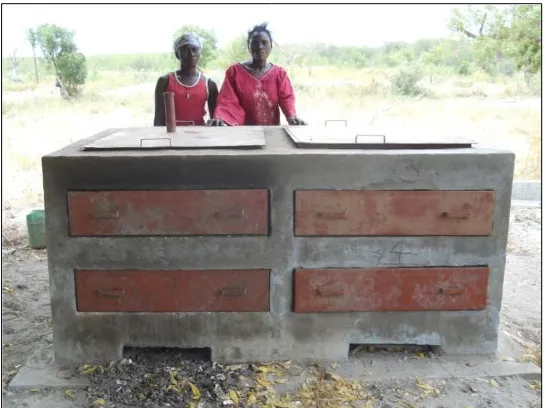
TRY has been encouraging the sale of smoked oysters as customers have expressed interest in this product and it brings a higher price. With funds USAID/BaNafaa Grant 2 to TRY, a demonstration smoking stove was constructed at TRY’s Kamalo landing site by a Senegalese team that the TRY Executive Director and other TRY members met during their visit to FENAGIE in Senegal last year. The stove is closed, reducing fuelwood use (labor and environmental benefits) as well as smoke inhalation and danger from oyster shell fragments exploding in the fire (health and safety benefits). TRY has trained the women to use the stove. If production from the stove is successful and the demand for smoked oysters proves to be substantial, TRY’s goal is to bring smoking stoves to every landing site. With the second round of mangrove planting funded under its GEF grant this rainy season, TRY will continue to mitigate the impact of fuelwood use, which is less for this stove than for the current practice of boiling on a three stone open fire.
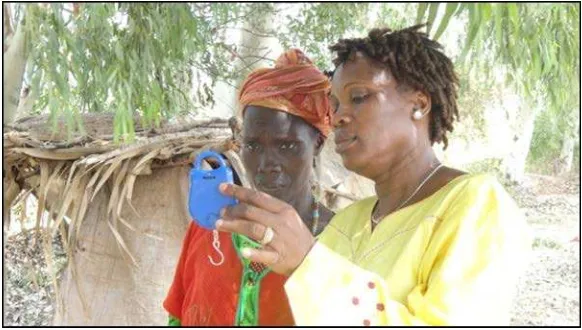
To increase sanitary measures when handling and processing oysters, TRY is promoting the use of scales. The goal is to eventually replace selling by the cup with selling by the kilogram. TRY has made scales available for the women for purchase. Although learning to use and feeling confident using the scales may be a slow process for the women, selling metrically will add professionalism to the oyster product, as well as to the reputation of TRY.
Figure 6: Promoting the sale of oysters by metric scale.
TRY’s annual awareness-raising and fundraising event, the Oyster Festival, is scheduled for April 28th. It will take place at the Kamalo landing site where the demonstration smoking oven is located and where TRY plans to develop eco-tourism excursions to showcase TRYs work. It is also the site where TRY hopes to eventually construct its headquarters and processing center. The architect who designed the FENAGIE processing Center in Senegal was contracted by TRY with USAID/BaNafaa support to design the TRY Center. TRY commented on draft plans and is waiting for the revisions. In the meantime, TRY met with the Gambian Ports Authority, which agreed to assist TRY to make immediate improvements at the site with a 40 foot shipping container and necessary modifications so that it can be used for a sales kiosk.
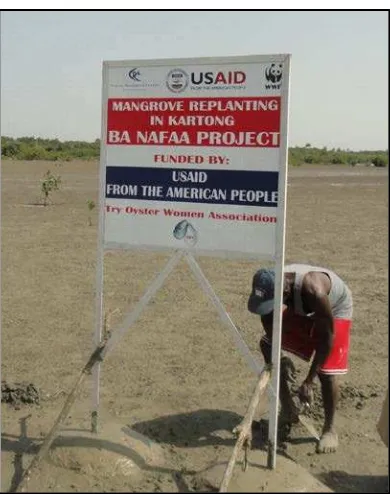
Figure 7: Signage marking the mangrove reforestation area in Kartong
d. Aquaculture Action Research: Cockle redistribution and oyster basket culture pilot activities carried out by TRY members continued this year with support from the local fisheries officer and the Peace Corps Volunteers in Kartong and Banjul. The Kartong volunteer completed her
service in January and will be replaced in May. Environmentally friendly aquaculture research and development is also a management measure specified in the co-management plan. Cockle redistribution in Kartong is showing enough positive results and strong motivation from the women to continue as part of the development of a Kartong Oyster and cockle management plan as projected in the USAID/BaNafaa Year 3 workplan. Additional experimental plots located lower in the intertidal zone will be added next quarter. Floating basket culture of oysters will only be continued if the women choose to do it on their own, as the cost of materials compared to the volume and value of oysters does not appear to be profitable. Likewise, USAID/BaNafaa has not continued to fund scale up of rack culture of oysters piloted in the Tanbi in Year 2 due to the lack of a clear economic benefit unless the activity is subsidized. TRY will, however, continue to pursue scale up and cost/benefit analysis with GEF funding, focusing on the lowest
technology, cost and labor options. For example, strings with old shells or cut tire squares as the substrate hung directly on mangrove roots or on eucalyptus poles tied to mangrove roots. Cut tire squares may be an attractive option as they are free, the oysters may spread out better and grow larger with less clumping and can be removed by twisting the tire square, significantly reducing labor and the cost of replacing the substrate and string each time. Aquaculture reduces pressure on the mangroves, could extend the harvest of larger, higher value oysters later in the season and could significantly reduce travel time to and from ever more distant harvesting sites as the season goes on, but the wild harvest is currently so plentiful it is not evident that
e. Literacy training: TRY members are now receiving training in basic literacy and numeracy in English. Three classes of approximately 30 women TRY members are underway in the
communities of Old Jeshwang, Abuko and Daranka. Two classes started in November and one in December. They meet 3 times per week for 2 hours. Classes will continue for 6 months with a break during the peak oyster harvesting season. The women look forward to the positive impact they expect these skills to have on their marketing activities, overall self-reliance and access to other learning and economic opportunities. During some of the TRY trainings and meetings held in February, TRY noticed a few more women than usual chose to sign their names on the travel reimbursement sheets instead of signing by thumb printing. With pride and big smiles, these women explained how they learned to write their names in the literacy classes. f. Microfinance: A new 6 month cycle of microfinance loans has been initiated in Year 3. This cycle is designed to reward and institutionalize the practice of saving. Women who are able to save 500GMD or more are eligible for new loans. Loans range in size from 500 – 5000 GMD determined by the amount of savings. With USAID/BaNafaa financial support, NACCUG provided another training to the whole group, who now understand the benefits of saving rather than just repaying loans. The 279 TRY members who are enrolled in the Round 2 loan program are counted for IR1 indicators 1, 2 and 3 in the table above. With the start of the oyster season, women have begun to make payments towards their loans. With the help of an American exchange student, TRY is now inputting all of the microfinance loan accounts into Microsoft Excel, providing both hard and soft copy records.
g. Skills Training of TRY Daughters: Alternative livelihood development is also a management measure specified in the co-management plan to reduce pressure on the resource. Although not directly funded by the USAID/BaNafaa Project, the skills training program for 30 TRY members’ daughters continued this Year. TRY received a donation of an oven from the Public Utility Regulatory Authority, worth GMD 18,000 for use in this activity. While the training program is still in the skill building phase, the goal is to sell the products and services generated by the training and to eventually earn enough income to sustain the training activity itself. The products made by the girls in training will be for sale at the TRY Oyster Festival in April.
h. Water Quality, Shoreline Sanitation Survey and a Gambian National Shellfish Sanitation Plan (GNSSP): Water quality testing to determine whether there are public health risks from
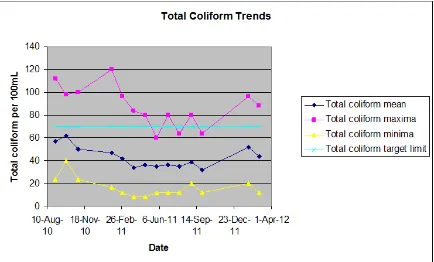
contamination of oyster harvesting areas has continued in Year 3 at 16 oyster harvesting sites within Tanbi Wetlands and Western Region. Testing is conducted on a fortnightly basis and analyzed at the laboratory in Abuko. Total and fecal coliforms are determined by use of the membrane filtration method, using standard TC and FC media. Coliform counts are done using 25 mL of filtrate and reported as colony counts per 100mL of sample as is routinely reported in shellfish sanitary water quality literature (e.g. Graybow et al, 1981). The results of the study to date show that both total coliform and fecal coliform counts were relatively low in all sample sites. The data from the Tanbi sites appears to be reasonably clean in comparison to U.S. NSSP Total Coliform water sanitation standards. However, the upcoming rainy season data will be the second year of data for this most vulnerable period and will be important to establish the
Figure 8: Average Total Coliforms at oyster harvesting sites 2010 – 2012.
In addition to water quality testing and the use of resulting data to manage the oyster fishery, shoreline sanitation survey techniques enable decision makers to identify areas of critical threat to shellfish sanitation. As planned for Year 3, Dr. Michael Rice of URI provided training in The Gambia to an inter-agency team on how to conduct the shoreline sanitation survey and the development of a Gambian National Shellfish Sanitation Plan. This training built on the June 2011 training provided on this theme to Gambian participants at URI, who then presented their work on a draft GNSSP to Gambian authorities. Participants in the January 5, 2012 seminar requested that the seminar be presented again to decision makers at the department, ministry and national assembly levels of the Gambian government so that a framework for an interagency Memorandum of Understanding (MOU) to form a Gambian National Shellfish Sanitation Program (GNSSP) could be discussed. The second offering of the seminar occurred on January 16, 2011.
The project then supported the Water Resources Laboratory to conduct a shoreline sanitation survey of 15 TRY oyster harvesting sites where water quality is tested. The Results of the survey were discussed at an interagency meeting and the final report was produced in February 2012. To improve the sanitary conditions of the oyster harvesting sites and comply with US NSSP standards, the report recommended the following:
• Develop a Gambian NSSP
o Develop G-NSSP standard operating procedures
Department of Forestry, Governor of WCR, Brikama Area Council, Kanifing Municipal Council, Banjul City Council)
o Develop funding mechanisms for interagency cooperation in developing and implementing the GNSSP
• Identify and remediate the known fecal contamination
o Define and map out shellfish growing waters and identify problem areas o Establish a working group of all interested stakeholders to address the sanitary
problems.
• Implement water quality and sanitary shoreline surveys
o Collaborate with all stakeholders and establish water quality classification zones In addition to coverage of these issues by the local media, the results of the shoreline sanitation survey were acted on immediately by TRY. They requested a meeting with local authorities at Old Jeshwang, where a piggery was found to be threatening water quality at the oyster harvesting site. With the Department of Fisheries and the Vice President’s office attending the meeting, a decision to move the piggery was reached. The recommendations of the Shoreline Sanitation Report will be acted on in the coming months. Dr. Rice gave a presentation of this work at NOAA’s Milford Aquaculture Seminar in Connecticut in March 2012.
i. TRY Outreach/Expansion. Upon the request of a Peace Corps Volunteer posted in Kemoto, the TRY Executive Director along with TRY representatives, Fatou Sambou, former TRY President, and Sabel Jatta, visited the site to meet with the women oyster harvesters of the area. Kemoto is a small Mandinka village located in Kiang West close to the Gambia River.
Representatives from all of the surrounding villages attended, including Maduwar, Taqular, Maina, Misera, Kemoto, and Jail, as well as posted officials from the Department of Parks and Wildlife and the Department of Fisheries. The meeting was a good start in connecting TRY with other communities of women oyster harvesters and to think about expanding its membership to assist and provide support to other oyster harvesting communities in The Gambia. The meeting was also important for information gathering, including the tools used, the conditions of the mangroves in the area, the local market for oysters, as well as the quantity harvested and size of the oysters. The women explained how there is little market in the area for oysters and how they often harvest oysters for home consumption or give them away. They also explained how there is not much organization between the various communities, with each community group acting on its own. TRY is excited at the prospect of working with these women in collaboration with the Peace Corps Volunteer and local officials. A visit of these women to TRY members in Kombo, where they go to market vegetables) is planned in the coming months, including a visit to the TRY Center.
c. Water & Sanitation
villages along both banks of the River Gambia. The Ministry of Fisheries and specific CFCs have indicated that Water and Sanitation are development priorities for the artisanal fisheries sector and have expressed their interest in having the USAID/BaNafaa project provide assistance in this area.
The objectives of these WatSan activities are to improve water supply and sanitation at approximately seven public fisheries landing/processing facilities, including oyster
harvesting/processing sites. This will provide direct benefit to the thousands of fishermen, oyster harvesters, women fish venders, small scale fish processers and other laborers that utilize these facilities daily. An added benefit is that clean water supply and sanitary facilities at these sites will also result in improved sanitary handling of seafood supply and result in safer and healthier seafood product that enters both the local food chain as well as processing centers for export. In addition, recent research on small-scale African fisheries suggests that addressing high priority fisher household vulnerabilities such as water, sanitation and health issues are likely to increase incentives for fishermen to engage in more sustainable fisheries management practices1.
As of the end of Year 2, URI had established its in-country office at the TRY Center and recruited a WASH Coordinator, Dr. Bamba Banja.
Accomplishments Year 3 (thru March 31, 2012):
1. WASH Office set up: A Toyota Hilux was purchased and delivered in October 2011. An Administrative and Financial Assistant to the WASH Coordinator, Mr. Assan Camara was recruited and started on November 1.
2. Sub-Contracting: Sub-contracts with TARUD and GAMWORKS for implementation of their respective elements of the FY12 workplan were put in place and initial advances transferred. TARUD is responsible for a needs assessment to identify 6 or 7 priority sites and will be responsible for the training and management planning components of the WASH activities. GAMWORKS is responsible for the design, sub-contracting and oversight/quality control of infrastructure construction as well as environmental compliance documentation.
3. Sensitization meeting: A one day meeting on the objectives and activities of WASH was conducted on December 13, 2011. Twenty-eight participants were present, including the Permanent Secretary of Fisheries, Water Resources and National Assembly Matters, representatives from the Public Health Department, the National Environment Agency, Department of Fisheries, GAMFIDA, NASCOM, TRY, Department of Parks and Wildlife Management, Department of Forestry and the media. The purpose of the meeting was to inform and engage stakeholders present at the meeting, and the general public through media coverage, on the USAID/BaNafaa WASH component. In particular, that a needs assessment would be conducted in 16 communities starting in January. An open process, with stakeholders well informed, is important to minimize frustration when only 7 of the 16 sites are to be selected. 4. Site visits: The WASH Coordinator visited each of the 16 communities targeted by the needs assessment before it began to reinforce the importance of broad-based participation by all
1
stakeholders, including the local authorizes and women in particular and to answer any questions from the community. In addition, local radio spots were broadcast during this time to inform communities of the coming needs assessment.
5. Needs Assessment: In consultation with the WASH Coordinator, TARUD developed and tested the methodology and tools (principally PRA tools) for the needs assessment. A training of 10 TARUD needs assessment team members/facilitators was conducted by TARUD on the 27-29 December 2011, using trainers from Concern Universal. The needs assessment field work was conducted in January, 2012. In February and March, data was compiled and analyzed, secondary data and key informant interviews at the national level were conducted and a first draft of the needs assessment report produced. A stakeholder meeting to review the results of the needs assessment, finalize the report, and prioritize sites will be conducted in April.
2.2 Intermediate Result 2
Institutional capacity strengthened at all levels of governance to implement an ecosystem-based, co-management approach to sustainable fisheries, and to prevent overfishing.
No Indicator FY12
Target
Q1 Q2 Q3 Q4 FY12
Achieved 4 Number of govt. agencies or management bodies
strengthened or created
1 0 0
5 Number of government personnel, community leaders and private sector stakeholders trained in natural resources mgt
260 1 182
6 Improvements on a governance scorecard covering, goals, constituencies, commitment and capacity dimensions, including measures that legislation and regulations are being implemented and complied with, and budgetary investments by government in fisheries management3
Sole & oyster improving
0 Sole & oyster improving
7 Number of fishermen and women with collective or individual use rights (collective quotas or territorial use rights, saleable licenses)
810 0 810
500f 310m 8 Number of stakeholders participating in regional
meetings and/or exchange visits
60 1 0
9 Number of workshops/meetings on policy reform for the artisanal fisheries sector held between Senegal and the Gambia
3 0 0
10 Number of reports documenting transboundary issues and alternative solutions
1 0 1
11 Number of policies laws, agreements or
regulations promoting sustainable natural resource management and conservation that are
implemented as a result of USG assistance.
2 0 2
CC1 Number of climate vulnerability assessments conducted as a result of USG assistance
1 0 1
2
Members of TRY who received training in microfinance and in hygiene and food handling were not counted yet as documentation of exact numbers was not yet available at the time of this report.
3
CC2 Number of stakeholders using climate information in their decision making as a result of USG assistance
30 0 0
CC3 Number of institutions with improved capacity to address climate change issues as a result of USG assistance
8 0 0
Progress on Activities Contributing to This Intermediate Result:
a. Sole and Oyster Co-Management Plans and Readiness for MSC Certification
As discussed under IR 1 above, the USAID/BaNafaa Project has been engaged in a more than 2 year long process with government agencies and non-governmental stakeholders to develop eco-system based co-management plans for the artisanal sole fishery and the cockle and oyster fishery in the Tanbi Wetlands National Park. The institutional strengthening of agencies and the training of personnel accomplished to date and applicable to this IR (indicators 4 and 5) are also described under IR 1 above and in the TraiNet Table in Section 3.4 below. Institutions
strengthened with USAID/BaNafaa assistance as of the end of Year 2 (FY 11) includedthe LACOMS in 7 communities (Gunjur, Brufut, Sanyang, Tanji, Batokunku/Tujereng, Bakau, Banjul), NASCOM, GAMFIDA, NAAFO, TRY, and the Department of Fisheries.
Governance Scorecards for both the sole fishery and the oyster and cockle fishery have also been used since the beginning of the project to track progress in key categories as specified in
indicator 6 for IR 2 above. The baseline score recorded in 2009 improved significantly for both fisheries in 2010 (evaluated at the end of Year 1 in December 2010).
Accomplishments Year 3 (thru March 31, 2012):
The Sole Fishery and Cockle and Oyster Fishery Co-Management Plans were approved and signed on January 17, 2012. FY 12 targets for indicators 7 and 11 under IR 2 have now been achieved, with 500 TRY members and 310 sole fishermen benefitting. Only the gazetting of the plans for 2 weeks public notice is outstanding. A detailed description of the accomplishment is provided under IR 1 above.
In addition to on-going institutional capacity building support to TRY, DoFish and NASCOM in Year 3 as described under IR 1 above, strengthening of the The Association of Gambian
Fisheries Companies (TAGFC) was also planned for Year 3. The President of TAGFC has been participating actively in sole co-management activities and is selected to attend the URI
Leadership in Fisheries Management Course in Rhode Island in July 2012.
The Governance Scorecard results for both the sole and the cockle and oyster fisheries continued to improve in 2011 (evaluated at the end of Year 2 in January 2012). Both scorecards are
Table 1: Governance Scorecard Results
Sole Cockles and Oysters
2009 2010 2011 2009 2010 2011
First Order Outcomes 14 29 36-37 11 28 33
Second Order Outcomes 14 31 32-37 10-12 27-29 35
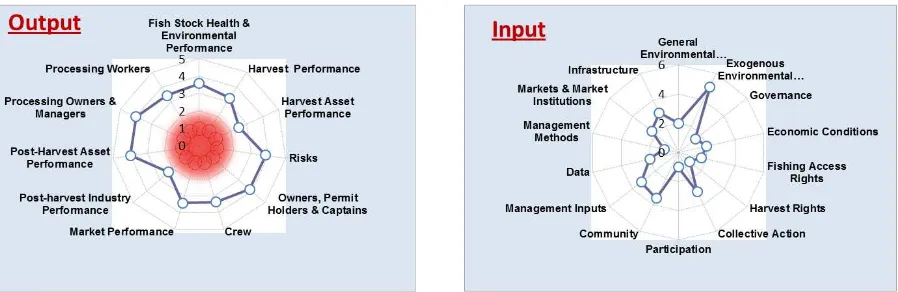
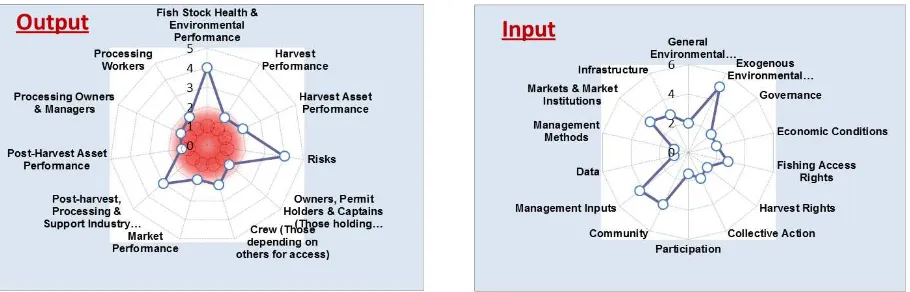
An additional perspective on management of the Sole and Oyster fisheries in The Gambia was explored through collaboration with Chris Anderson, a URI Economist (recently moved to the University of Washington) who is developing a Fisheries Performance Indicator tool for The World Bank. The World Bank is interested in testing the tool in the context of developing
countries where significant investments in improved fisheries management are being undertaken. USAID/BaNafaa and stakeholders in The Gambia will benefit from the information generated on the impact of project interventions on Output (measuring wealth) and Input (enabling wealth) indicators over time. Because this tool is being applied in more than 25 countries around the world in various fisheries, The Gambia will also benefit from the perspective provided by
comparative trends and analyses across countries. Chris Anderson visited The Gambia in January 2012 and provided a preliminary report summarizing the pre-USAID/BaNafaa status of the two fisheries in the diagrams below. The exercise will be repeated in 2 years.
Figure 10: Baseline (retrospective pre-USAID/BaNafaa) Fisheries Performance Indicators for The Gambian oyster fishery.
b. Human Resources Training/Regional Meetings and Exchange Visits:
Degree training for DoFish staff: Another strategy of the USAID/BaNafaa Project is to develop the capacity of staff within the Department of Fisheries. One approach is to provide degree training for mid-career staff within DoFish. There is a strong cadre of approximately one dozen mid-career professionals who cannot be advanced through promotion within the civil service system as they lack the appropriate degree qualifications, in spite of the fact that they have ample experience and competencies. This creates a morale problem and is typically a problem for retaining highly skilled people within the Department. Most of these individuals have completed two-year diploma programs, but require a four-year degree to be promoted. Such degrees in fisheries are not available in The Gambia and require training outside the country. Individuals from DoFish with two years of study already completed have been selected to continue degree training to a four year level (i.e., the Project will provide support for an additional two years of education). Degree training at Nigerian universities is very cost effective. Two individuals have been nominated for these degree scholarships, were accepted for admission and began their studies in Year 2 (FY11).
URI Summer Courses: As documented in the TrainNet Table in Section 3.4 below the project has also invested strategically in selecting participants from key government departments and fisheries management organizations to attend Fisheries Leadership and other relevant
professional development courses offered by the Fisheries Center and the Coastal Resources Center at URI. Participation in these courses has been a critical factor in building a team of actors from various institutions who work productively together in The Gambia with common goals and approaches.
Regional Meetings and Exchange Visits. As documented throughout this report, regional meetings and exchange visits have been one of the most practical and effective strategies