FYP: Investigation of fire and explosion in the drainage system related to the process industry lvluhammad -\i;at hin .':\hd \\ ahi. The presence of hydrocarbons in the drainage system exposes the system to the possibility of fire and explosion.
Problem Statement
Objectives of Study
In this study, fire and explosion investigation will be investigated for a sample taken from the drainage system of a refinery plant in Malaysia. FYP: Investigation of fire and explosion in the drainage system related to the process industry Muhammad Ai/at bin Ahd \\'ahi.
Scope ofStudy
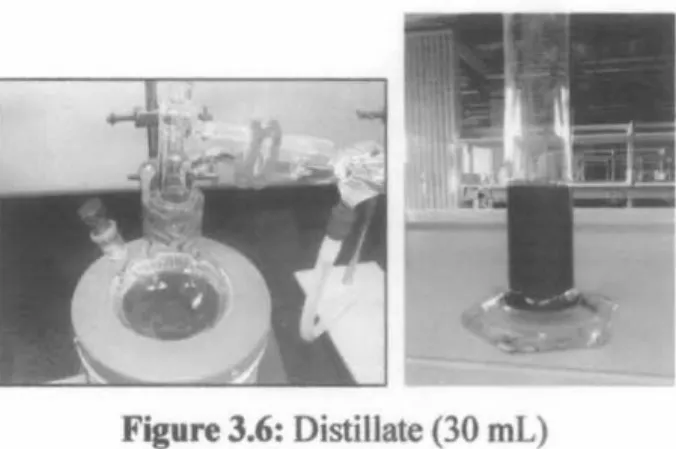
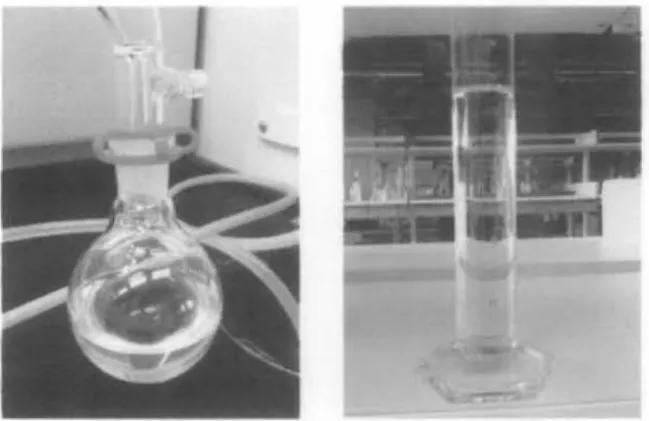
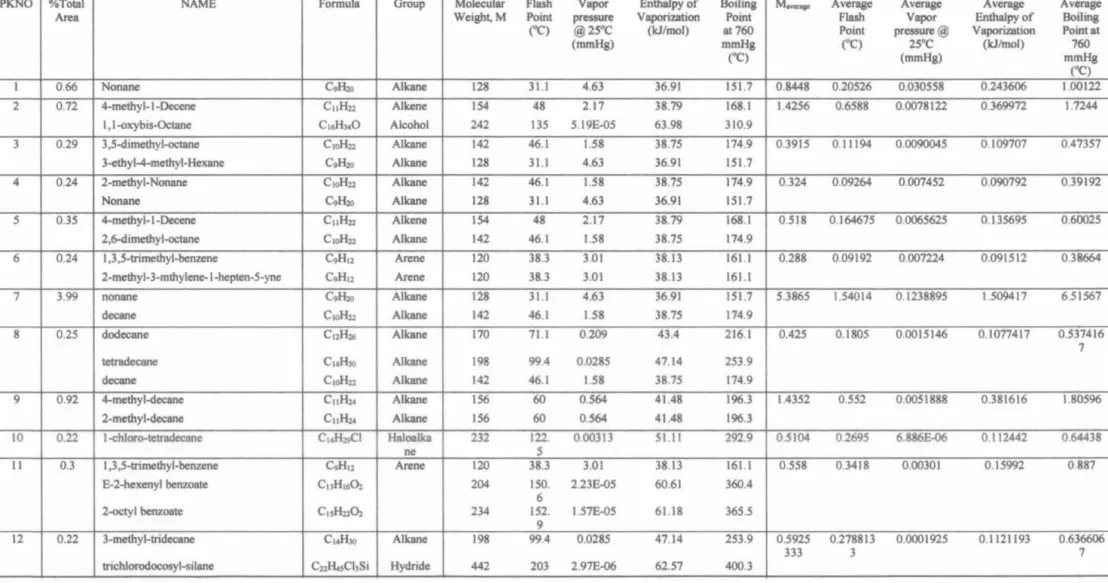
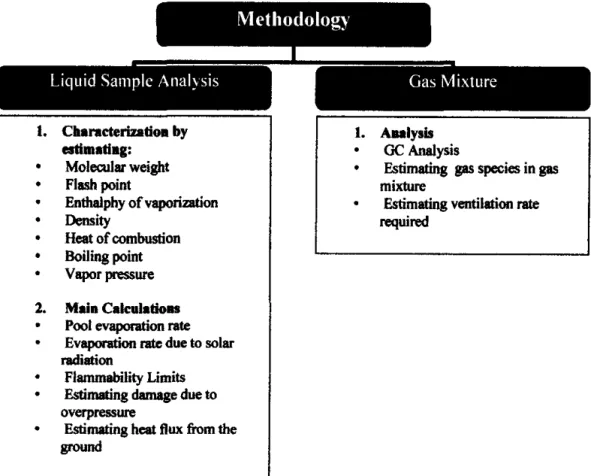
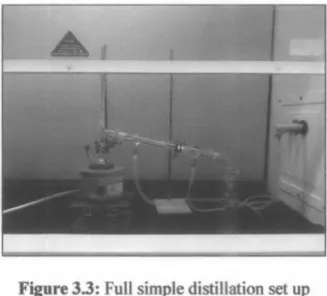
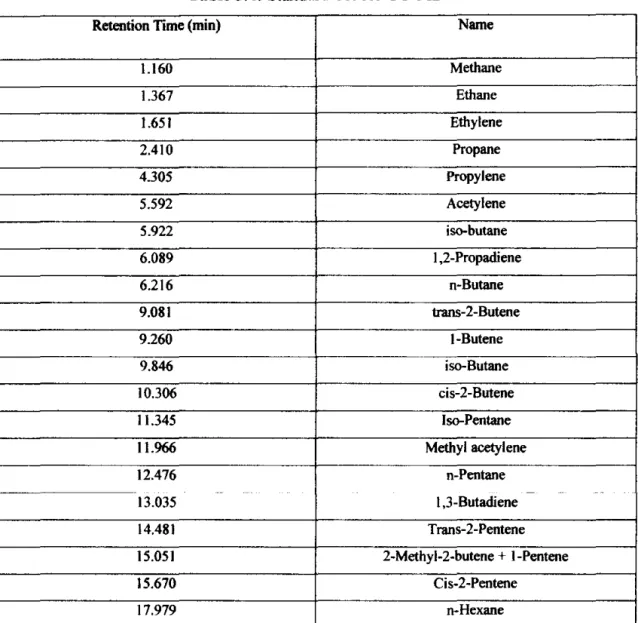
FYP: Investigation of fire and explosion in the drainage system related to the process industry Muhammad :\inti hin Ahd Wahi. FYP: Investigation of Fire and Explosion in Drainage System Related to I'ro FYP: Investigation of fire and explosions in the discharge system related to the process industry Muhammad Aital bin Abd Wahi. FYP: Investigation of Fire and Explosion in the Drainage System Related to Process Industries Muhammad Aizat bin Abd \\-ahi, 10379. FYP: Investigation of Fire and Explosion in the Drainage System Related to Process Industries Muhammad Ai7a. FYP: Investigation of fire and explosions in the discharge system related to the process industry Muhammad A1zat bin Abd Wahi. FYP: Investigation of Fire and Explosion in the Drainage System Related to Process Industries Muhammad Aizat bin Abd Wahi, 10379. FYP: Investigation of Fire and Explosion in the Drainage System Related to Process Industries Muhammad Ain1t bin Ahd Wahi. FYP: Investigation of fire and explosions in the discharge system related to process industries Muhammad Ai1at hin Ahd Wahi. LITERATURE REVIEW Past Fire and Explosion Incidents in Refinery If the feedstock contains aromatics, there will be some in the desalter effluent, which is the main source of refinery wastewater containing volatile organic compounds (VOCs). Typically, the desalination plant is the main source of contaminated process wastewater and also typically has the highest levels of benzene, toluene, ethylbenzene and xylenes (BTEX). The flammable gas mixture that accumulates at the top of the drainage system comes from the evaporation of the liquid inside the drain. The reported fire and explosion cases in the drainage and wastewater treatment system of the studied plant occurred in the closed area of the drain. Fire and explosion can occur due to the accumulation of vapor in the upper part of the enclosed space. FYP: Investigation of fire and explosions in the drainage system related process industries Muhammad Aizat btn Abd Wahi. T decreases because of the heat transfer that takes place continuously between the ground and the liquid. FYP: Investigation of fire and explosions in the discharge system related to process industries rv1uhammad Aitat bin :\hd Wahi. FYP: Investigation of fire and explosions in the discharge system related to process industries Muhammad Ai~at hin Ahd WahL 10379. All liquid waste must be pre-treated or screened before being sent to the discharge system. Risks of fire and explosion are always present, in case of the presence of an ignition source and oxygen. When they are in gaseous form and an ignition source is present in the upper part of the exhaust system where the vapor is present, fire and explosions can occur. Properties of Combustible Gases and Liquids A flammable concentration of methane can be ignited by a weak spark (electrical, frictional or static), which produces a high temperature for a short period of time. From these factors the approximate boiling point, flash point, vapor density and vapor pressure can be calculated. LFLi = the lower flammability limit of component i (in volume %) of component i in fuel and air. UFLi = the upper flammability limit of component i (in volume %) of component i in fuel and air. FYP: Investigation of fire and explosion in the drainage system related to process industries Muhammad :\i;at hin i\hd \A·'ahi_ 10:179.llni\cr.,iti lckJwlot-'i PI· I IHl~AS . FYP: Fire and Explosion Investigation the Drainage System Associated with Process Industries Muhammad A ita. The methodology to do the analysis for the sample is divided into two parts, for liquid sample analysis and gas mixture analysis. The gas species that may evaporate and form combustible gas mixtures must be identified and finally recommendations are proposed to minimize the fire and explosion risk. 11 Two pieces of Tygon tubing are connected to the condenser: one for each condenser water jacket connection. Connect two pieces of Tygon tubing to the condenser: one for each condenser water jacket connection. However, no water was found in the sample, which means that all the incoming tests can only be performed on the original sample. The syringe needle is inserted into a hot injection port of the gas chromatograph, and the sample is injected. Ideally, components of the mixture will reach the detector at different times due to differences in the partitioning between mobile and stationary phases. The area of the peak is proportional to the number of molecules generating the signal. By using rr=nJv where p =density, with =mass and v =volume, the density of the liquid can be determined. For this device, a small, manually opened shutter is provided at the top of the cup. Steam in the drainage system is formed when the liquid evaporates into gas at a certain temperature. FYP: Investigation of Fire and Explosion in Drainage System Related to Process Industries Muhallmad Ainu hin Ahd \\ ahL 10370. FYP: Investigation of Fire and Explosion in Drainage System Related to Process Industries Muhammad Ai;at hin /\ hd V•iahi . FYP: Investigation of Fire and Explosion in the Drainage System Related to the Process Industry Muhammad Ai.tat hin Ahd \\'ahi. FYP: Investigation of Fire and Explosion in the Drainage System Related to Prooess Industry Muhammad Ainll bin Ahd \A'ahi. The drainage system is often missed in the fire and explosion analysis prior to the operation of a plant. Investigation of Fire and Explosion Accidents in the Chemical, Mining and Fuel Related Industries - A Manual, 1959. FYP: Investigation of Fire and Explosion in the Discharge System Related to Process Industries Muhammad Ain.tt hin Abd Wahi. RESULT AND DISCUSSION Identification of the liquid sample using GC shows that the first alkane found in the sample is nonane (C9H20). Nonane and heavier alkanes (e.g., decane, dodecane, tetradecane) are found in very large amounts in the liquid sample. The possible gases from the sample are expected to be pentane (C5), hexane (C6), heptane (C7), and octane (C8), as nonane and other heavier alkanes already exist in the liquid sample. From the table above, the gas present in the sample is observed only when the retention time is 28.783 minutes. Finally, Figure 4.11 shows the correlation of concentration with the ventilation rate required for the last possible alkane that can occur in the gas mixture, the octane. This will ensure that the flammable gases are vented away from accumulating in the drainage system. For the gas formed when the liquid sample is heated, the analysis shows that the components in the liquid sample evaporate faster at the higher temperature. A sufficient level of ventilation must also be provided in the drainage system so that the concentration of combustible gases within the drainage is under control. Evaporation Rate Due to Solar Radiation Estimating Heat Flux from the Ground Estimating Flammability Limits of the Sample Damage Due to Overpressure ............................................ .4 I I Gas Sample Analysis For example, the ignition source must be removed from the construction area, including the drainage system. Work such as welding involving heat and fire must be avoided near the drainage system area due to the possibility of the accumulated flammable gas reacting and catching fire. Another way is to have personnel who will regularly check the gas concentration inside the drainage system so that the concentration is below the permissible limit and has minimal possibility of burning. With current technology, fire and explosion analysis of the flammable gas mixture within the drainage system can be done directly at the plant. The drainage system of a refinery plant consists of flammable materials that can vaporize and form flammable gases. Liquid waste that is rich in hydrocarbons must either be pre-treated before being sent to the drainage system or delivered directly to the waste management company. CONCLUSION For example, the use of a hydrocarbon detector can detect hundreds of gases and immediately provide several necessary parameters such as gas concentration and flammability limits. Other state-of-the-art explosive devices such as the cone calorimeter and the LIFT device can be used in analysis, particularly in determining the flame spread or burning rate of a liquid sample. Cone calorimeter cannot currently be found in Malaysia and the cost of testing a sample using a cone calorimeter overseas is high. Since the study is done on the liquid sample of refinery wastewater, it is suggested that the study be conducted on other types of facilities in the oil industry, such as an oil distribution facility, an oil and gas terminal, or another petrochemical facility. In this study, knowledge in process safety, specifically in fire and explosion analysis, was applied. In each of the possibilities, the causes were thoroughly established and the best possible solution was taken. The study also emphasizes on having a safe working environment and at the same time minimizing the loss to the company due to accidents involving fire and explosion. General Monitors Technical Staff, Fundamentals of Combustible Gas Detection - A Guide to the Characteristics of Combustible Gases and Applicable Detection Technologies, California. PETRONAS' Sabah Oil and Gas Terminal (SOGT) Front End Engineering Design (FEED) Improvement Study - Drainage Philosophy Report (Document no.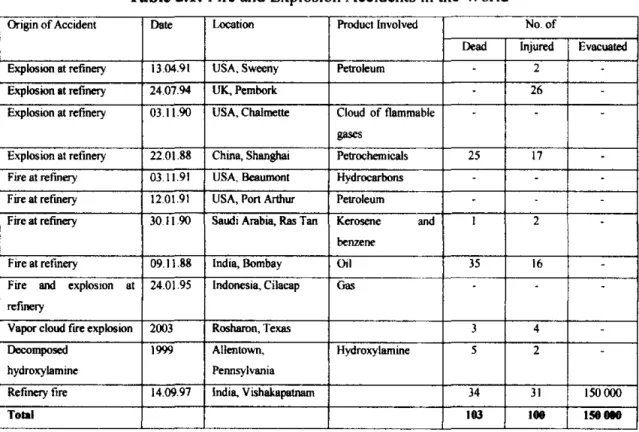
Petroleum Refinery
Drainage Facilities

Petroleum Gases
Liquid Evaporation .................................................................... l2
Ignition Sources
Fire Prevention by Design ............................................................ l5
Liquid Sample
Gas Sample
Gas Component Testing
I Liquid Sample
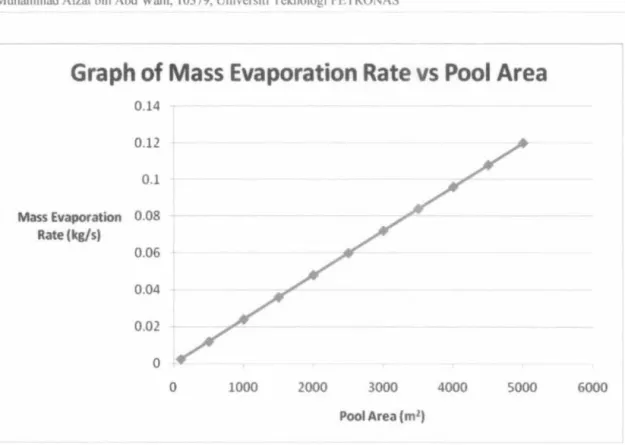
Pool Evaporation Rate
Fire Prevention
Recommendations
Conclusion