Suppose that the function f(z) is analytic in a simply connected domain Ω (this roughly means that the domain contains no "holes"), then the value of the line integral. We have now exhausted all possibilities, so the open set system must consist of groups.
3 Complex Functions
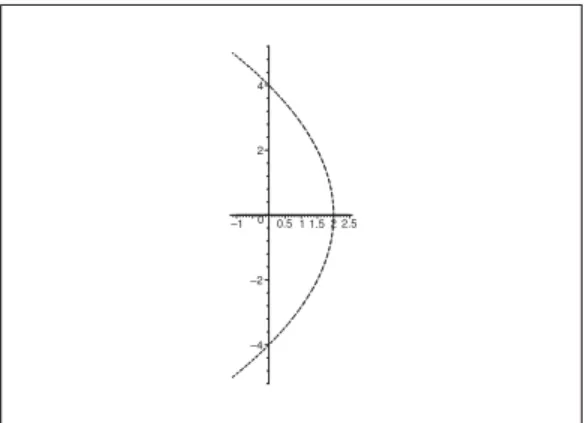
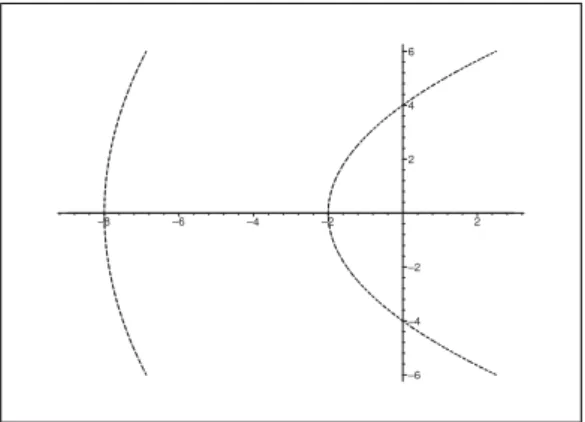
Finally, if we putz =iy (in Ω), then w=−2y2, y ∈R, which is a parametric description of the negative real axis, traverses twice. By a continuity argument (eg by puttingz= 12, which maps intow= 12), we conclude that the image is the interior of the parabola.
STUDY AT A TOP RANKED
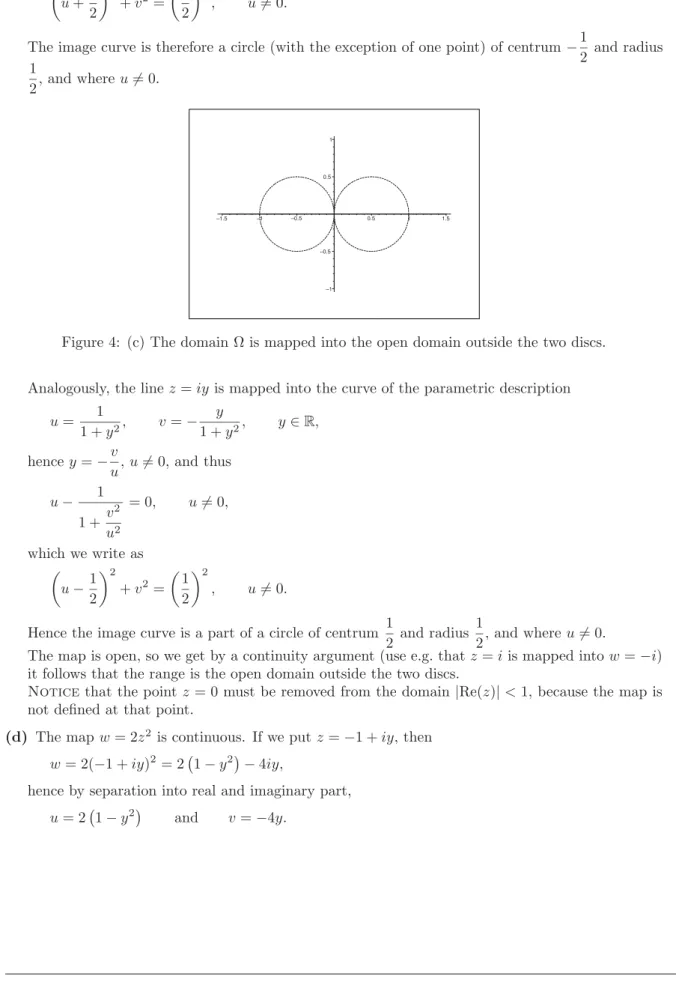
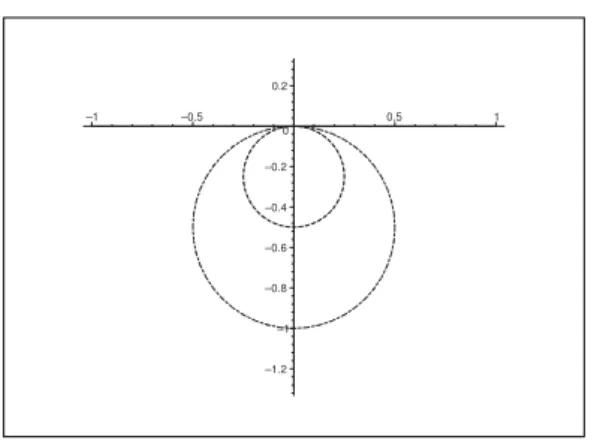
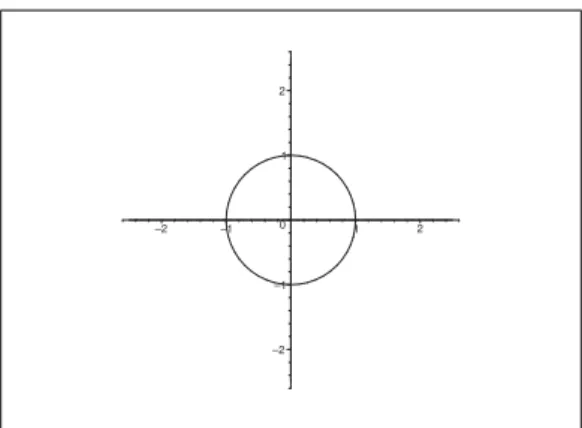
In summary, the range is that domain which "lies between" the circle and the straight vertical line = 1, so the range is a part of the open left half-plane given byu = 1, and which also lies outside the closed disc of the center. 1.
INTERNATIONAL BUSINESS SCHOOL
Click on the ad to read more Click on the ad to read more Click on the ad to read more Click on the ad to read more Click on the ad to read more Click on the ad to read more Click on the ad to read more Click on the ad to read more. Click on the ad to read more Click on the ad to read more Click on the ad to read more Click on the ad to read more Click on the ad to read more Click on the ad to read more Click on the ad to read more Click on the ad to read more Click on the ad to read more.
CLICK HERE
Click on the ad to read more Click on the ad to read more Click on the ad to read more Click on the ad to read more Click on the ad to read more Click on the ad to read more Click on the ad to read more on the ad to read more Click on the ad to read more Click on the ad to read more. Click on the ad to read more Click on the ad to read more Click on the ad to read more Click on the ad to read more Click on the ad to read more Click on the ad to read more Click on the ad to read more on the ad to read more Click on the ad to read more Click on the ad to read more Click on the ad to read more.
4 Limits
Example 4.4 Check whether limn→+∞zn exists for any of the following sequences (zn), and in case of existence, find the limit value. Click on the ad to read more Click on the ad to read more Click on the ad to read more Click on the ad to read more Click on the ad to read more Click on the ad to read more Click on the ad to read more Click on the ad to read more Click on the ad to read more Click on the ad to read more Click on the ad to read more Click on the ad to read more Click on the ad to read more. Click on the ad to read more Click on the ad to read more Click on the ad to read more Click on the ad to read more Click on the ad to read more Click on the ad to read more Click on the ad to read more Click on the ad to read more Click on the ad to read more Click on the ad to read more Click on the ad to read more Click on the ad to read more Click on the ad to read more Click on the ad to read more.
5 Line integrals
Click on the ad to read more Click on the ad to read more Click on the ad to read more Click on the ad to read more Click on the ad to read more Click on the ad to read more Click on ad to read more Click on ad to read more Click on ad to read more Click on ad to read more Click on ad to read more Click on ad to read more Click on ad to read more Click on the ad to read more Click on the ad to read more. Click on the ad to read more Click on the ad to read more Click on the ad to read more Click on the ad to read more Click on the ad to read more Click on the ad to read more Click on ad to read more Click on ad to read more Click on ad to read more Click on ad to read more Click on ad to read more Click on ad to read more Click on ad to read more Click on ad to read more Click on ad to read more Click on ad to read more Get help now. Click on the ad to read more Click on the ad to read more Click on the ad to read more Click on the ad to read more Click on the ad to read more Click on the ad to read more Click on ad to read more Click on ad to read more Click on ad to read more Click on ad to read more Click on ad to read more Click on ad to read more Click on ad to read more Click on the ad to read more Click on the ad to read more Click on the ad to read more Click on the ad to read more Click on the ad to read more.
EXPERIENCE THE POWER OF FULL ENGAGEMENT…
Click on the ad to read more Click on the ad to read more Click on the ad to read more Click on the ad to read more Click on the ad to read more Click on the ad to read more Click on the ad to read more on the ad to read more Click on the ad to read more Click on the ad to read more Click on the ad to read more Click on the ad to read more Click on the ad to to read more Click on the ad to read more Click on the ad to read more Click on the ad to read more Click on the ad to read more Click on the ad to read more Click on the ad to read more read Click on the ad to read more.
SETASIGNThis e-book
6 Differentiable and analytic functions; Cauchy-Riemann’s equa- tions
On the other hand, the function is not continuous atz= 0, so it cannot be analytic either atz= 0. Click on the ad to read more Click on the ad to read more Click on the ad to read more Click on the ad to read more Click on the ad to read more Click on the ad to read more Click on the ad to read more Click on the ad to read more Click on the ad to read more Click on the ad to read more Click on the ad to read more Click on the ad to read more Click on the ad to read more Click on the ad to read more Click on the ad to read more Click on the ad to read more Click on the ad to read more Click on the ad to read more Click on the ad to read more Click on the ad to read more Click on the ad to read more. It follows from inspection that the Cauchy-Riemann equations are also satisfied at (0,0), so they lie over C.
Click on the ad to read more Click on the ad to read more Click on the ad to read more Click on the ad to read more Click on the ad to read more Click on the ad to read more Click the ad to read more Click on the ad to read more Click on the ad to read more Click on the ad to read more Click on the ad to read more Click on the ad to read more Click on the ad to read more Click on the ad to read more Click on the ad to read more Click on the ad to read more Click on the ad to read more Click on the ad to read more Click on the ad to read more to read Click on the ad to read more Click on the ad to read more Click on the ad to read more. We see that one of the Cauchy-Riemann equations is satisfied, but the other. on the real axis, and the real axis does not contain an open domain of the plane.
7 The polar Cauchy-Riemann’s equations
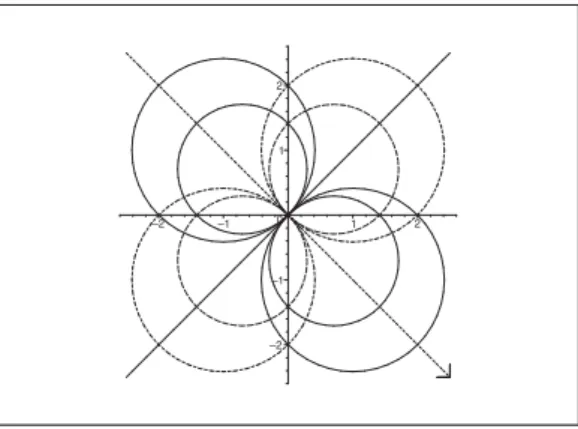
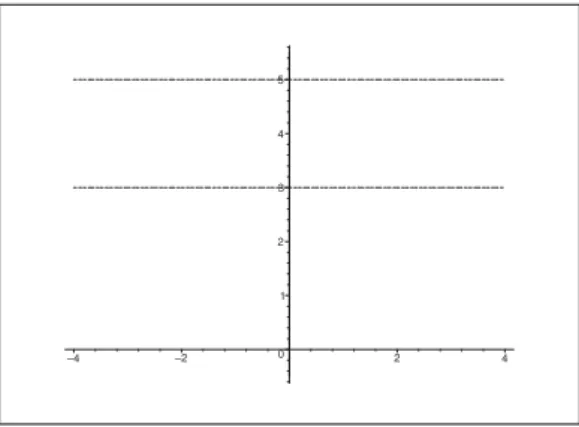
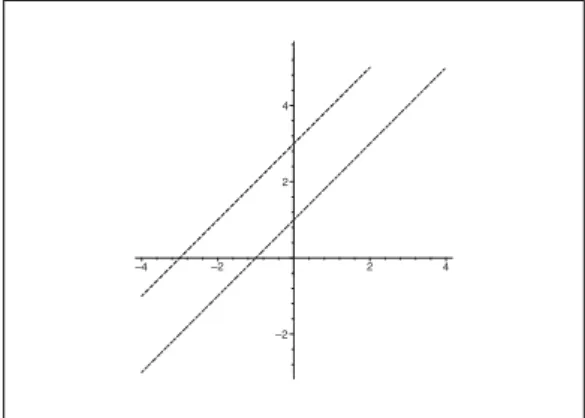
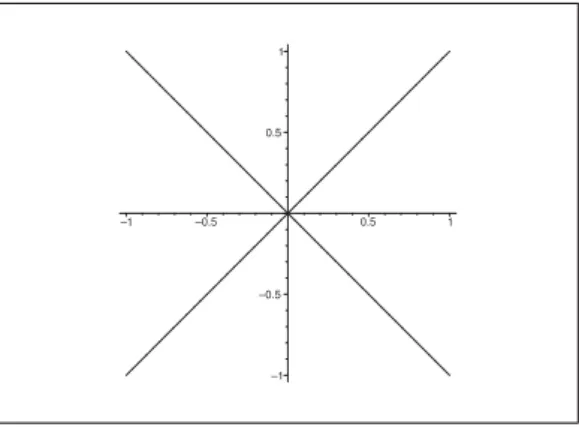
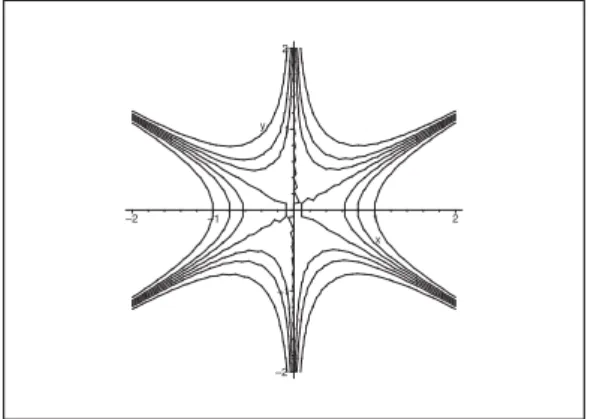
So the flow pattern does not change if we place barriers along these half lines. Click on the ad to read more Click on the ad to read more Click on the ad to read more Click on the ad to read more Click on the ad to read more Click on the ad to read more Click the ad to read more Click on the ad to read more Click on the ad to read more Click on the ad to read more Click on the ad to read more Click on the ad to read more Click on the ad to read more Click on the ad to read more Click on the ad to read more Click on the ad to read more Click on the ad to read more Click on the ad to read more Click on the ad to read more to read Click on the ad to read more Click on the ad to read more Click on the ad to read more Click on the ad to read more Click on the ad to read more Click on the ad to read more Click on the ad to read more Click on the ad to read more Click on the ad to read more Click on the ad to read more Click on the ad to read more Click on the ad to read more. On the other hand, it is easy to sketch the streamlines using MAPLE, and then we can use the equipotential curves to be orthogonal to this system of curves.
8 Cauchy’s Integral Theorem
9 Cauchy’s Integral Formula
The smallest real number σ0, for which L{f}(z) is analytic in the half-plane Re(z)> σ0, is called the abscissa of convergence. Since integrandf(t)e−ztis continuous since the derivative with respect to the parameter z is continuous and absolutely integrable, it follows that L{f}(z) is continuously differentiable and its derivative is. We have used that the curve |z|= 4 is simple and closed and that the points −1 and 3 lie inside this curve.
10 Simple applications in Hydrodynamics
Furthermore, the orientation is indicated on the straight streamline, and the orientation generally follows continuity.