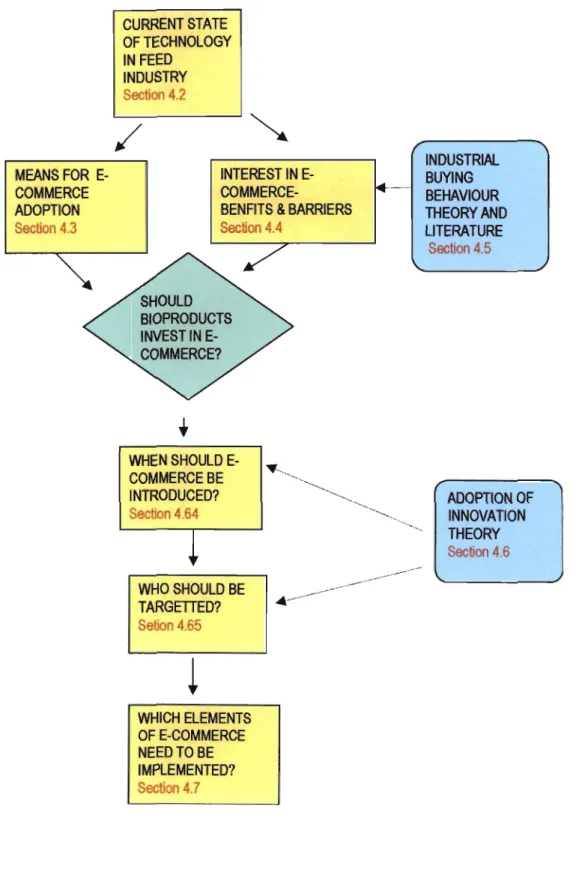
This study was intended to assist S.A Bioproducts in the decision-making process regarding the introduction of e-commerce to its customers. The study also examined industrial buyer behavior with a view to understanding the factors influencing e-commerce adoption. Another aim of the research was to gain insight into the barriers and benefits of e-commerce experienced by customers.
E-commerce implementation in Africa lags behind Europe and the US mainly due to lack of infrastructure. 34;average" level of e-commerce awareness, indicating that most customers have a reasonable understanding of e-commerce. Due to the highly competitive nature of the animal feed industry, the "bandwagon effect" identified by Mansfield (1968) will have a significant impact on increasing the rate of e-commerce penetration in the animal feed industry in S.A.
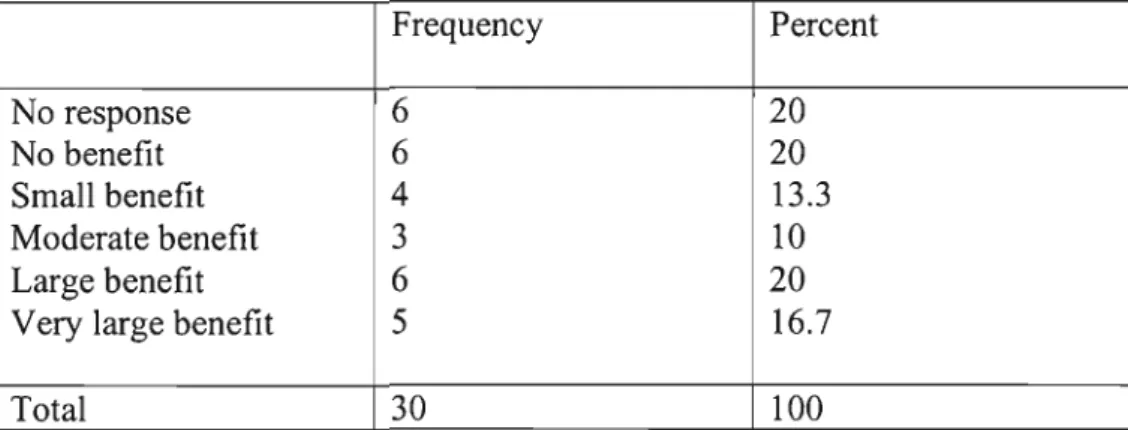
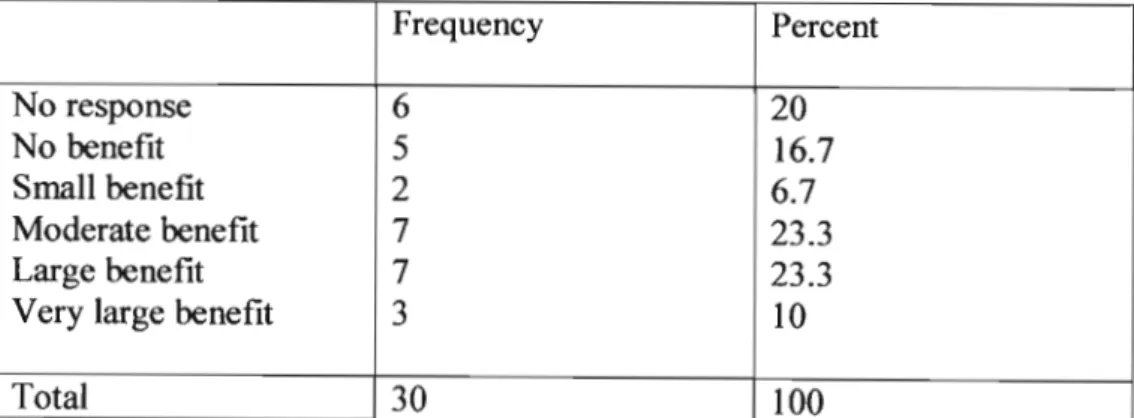
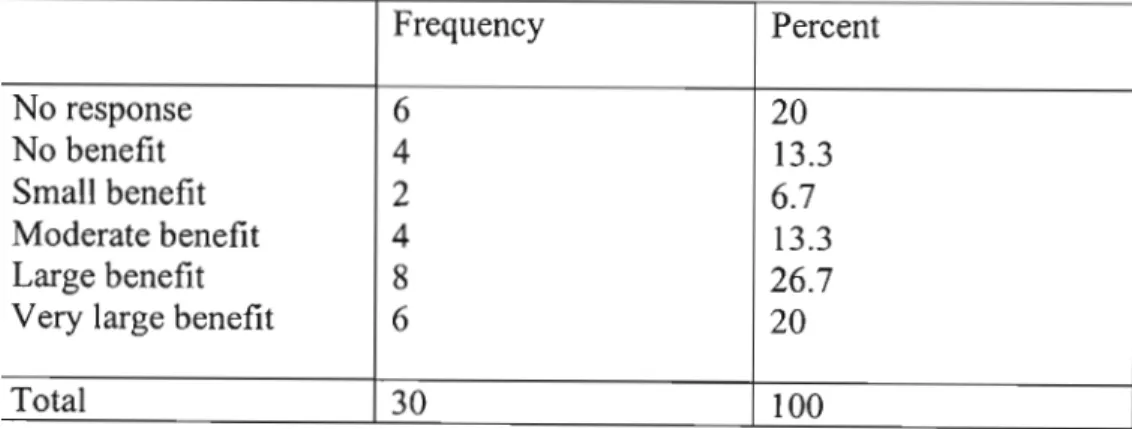
Variance of e-commerce attitude with company size 96 Frequency table of respondents' ratings of "price benefit" 98 of e-commerce. Cross-tabulation of age and attitude toward e-commerce 117 Cross-tabulation of attitude toward e-commerce and 121 centralization.
INTRODUCTION
INTRODUCTION
It examines the scenario after the purchase decision is made and the buyer must decide whether to buy through traditional means or whether to buy online. This chapter presents the objectives of the study and describes the research design and methodology used to achieve the objectives. Being the only local manufacturer of Lysine, Bioproducts has approximately 70% of the local Lysine market share.
Local sales of lysine are made directly by Bioproducts while overseas sales are made through agents. In the local market, traditional sales methods are used where the sales offer is made after a customer asks for a price. If the price and terms are acceptable, a contract is signed between the two parties and the product is then delivered.
Although certain aspects of the business are conducted using the Internet, Bioproducts does not engage in e-commerce to its full extent. Bioproducts currently has a website which only serves to create an online presence.
PROBLEM STATEMENT
OBJECTIVE OF THE STUDY
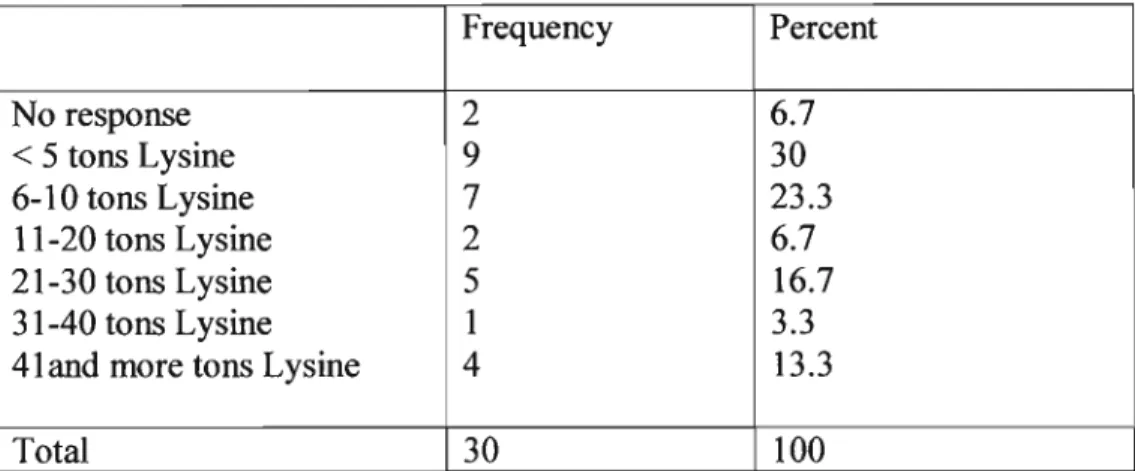
The customer normally pays via electronic bank transfer or direct deposit into Bioproducts' bank account. The other purpose of the study is to determine whether Bioproducts' local customers have the resources to participate in e-commerce. The secondary purpose of the study is to get an indication of how quickly customers would be willing to purchase Lysine via the Internet.
An examination of industrial buying behavior contributes to the understanding of the factors influencing the adoption of e-commerce. Another objective is to understand the perceptions of customers in terms of the barriers and the benefits of e-commerce. A better understanding of the customer's perceptions, behaviors and attitudes towards e-commerce will facilitate the implementation of e-commerce.
SCOPE OF STUDY
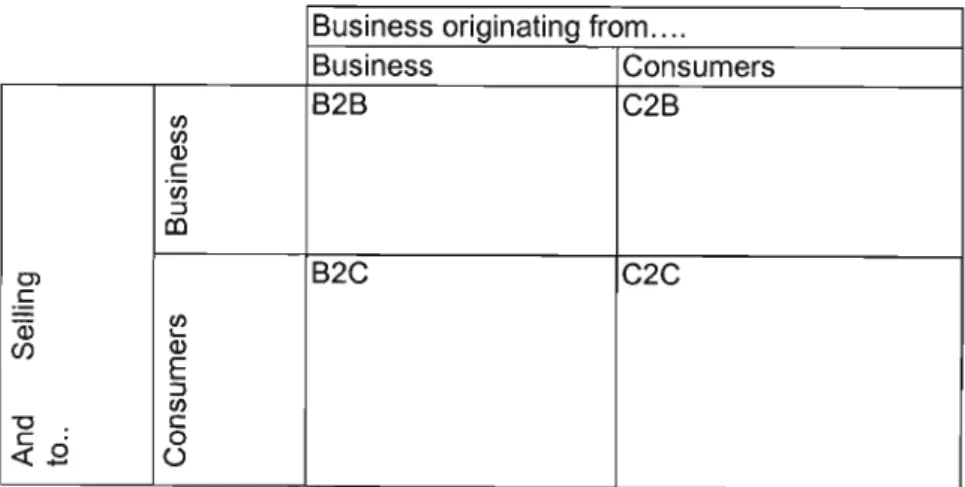
In terms of e-commerce, the study emphasizes business-to-business e-commerce rather than business-to-consumer e-commerce.
DEFINITIONS AIETA
The study also addresses some operational issues of the e-commerce project, such as the timing of the project and the target group. From a research perspective, the study contributes to insight into the purchasing behavior of industrial customers in the animal feed industry. It adds to the body of knowledge on a relatively new topic, for which limited empirical work has been done in the South African market.
RESEARCH DESIGN AND METHODOLOGY
- RESEARCH APPROACH
- SAMPLING
- MEASUREMENT TECHNIQUES
- DATA ANALYSIS
Counts were used because Bioproducts only has 35 customers that are part of its local customer base. Due to respondents' busy work schedules, most questionnaires were followed by phone calls asking people to complete and return the questionnaire. It was proposed to complete the questionnaire via a telephone interview, but all respondents declined this offer.
Exploratory data analysis (EDA) was used as a tool to look for patterns within the data. Due to insufficient data it was not possible to perform any statistical analysis to prove any form of correlation. According to Nel et al. 1992) the frequency in each cell of the table must be at least 5 to apply the Chi-square technique.
Where appropriate, the t-test was used as a confirmatory statistic to confirm the difference in means between two samples. Cronbach reliability analysis was used to test the appropriateness of multiple questions measuring the same concept.
STRUCTURE OF REPORT
Therefore throughout the report cross-tabulations are simply discussed without using any statistical technique to establish a correlation.
LIMITATIONS OF THE STUDY
A more accurate representation of the company's attitude to risk would be obtained by examining a larger sample of each company. In the study of the various factors that influence the buyer's interest III e-commerce, only a few factors were examined in each of the following categories, namely: environment, individual, group and organization1. Studying only a few factors per category makes it difficult to draw conclusions about the impact of the entire category on the industrial buyer's interest in e-commerce.
The field of e-commerce is constantly evolving and as such, the study's findings may only be relevant at a certain point in time. Some of the empirical studies used for comparative purposes relate to an earlier time and circumstances may have changed. The questionnaire did not evaluate the “pilot phase” of innovation model adoption when examining e-commerce adoption.
This aspect of the model was omitted from the study based on the work of Ozanna and Churchill (1971) who found that all five stages of innovation adoption. Another limitation of the study is that it focuses on current customers of S.A Bioproducts and does not include all potential customers in the animal feed industry.
COMMERCE IN CONTEXT OF MARKETING THEORY
- INTRODUCTION
- DECISION MAKING
- GROUP VERSUS INDIVIDUAL DECISION MAKING
- ORGANISATIONAL BUYING
- E-COMMERCE AND STRATEGY
- THE BUYING CENTRE
- BUYING DECISION MAKING PROCESS
- BUY CLASSES
- FACTORS INFLUENCING ORGANISATIONAL BUYING BEHAVIOUR
- STAGES IN THE ADOPTION PROCESS
- CHARACTERISTICS OF INNOVATORS
- FACTORS AFFECTING DIFFUSION IN INDUSTRIAL MARKETS
- E-COMMERCE
- DEFINITIONS
- HOW DOES THE INTERNET WORK?
- ONLINE SHOPPING-B2C E-COMMERCE
- E-COMMERCE - WORLD PERSPECTIVE
- E-COMMERCE - AFRICAN PERSPECTIVE
- E-COMMERCE - SOUTH AFRICAN PERSPECTIVE
- BARRIERS TO THE ADOPTION OF E-COMMERCE
- BENEFITS OF E-COMMERCE
First, due to the complex nature of the decision and the impact on various functional departments within the organization, a group decision-making process will be essential. Secondly, it is important that the industrial buyer forms an integral part of the decision-making process. In the business-to-business applications, time is of the essence and instant connectivity is the norm.
With the advent of the Internet, computers form an integral part of the decision-making process. Mansfield (1968) found that the speed of adoption of innovations is directly related to the size of the firm. Apart from the type of industry, barriers also vary according to the size of the company.
Barriers to e-commerce tend to vary between countries due to differences in adoption lifecycle stages. According to (Internet 14), the following table reflects the barriers between companies in the US compared to the rest of the world. The decision-making process usually begins with problem identification and problem definition.
Barriers to e-commerce adoption tend to vary by industry type and company size.
A. BIOPRODUCTS ENVIRONMENT
- INTRODUCTION
- WHAT IS LYSINE?
- ANIMAL FEED MARKET IN SOUTH AFRICA
- MARKETING OF LYSINE
- INTERACTIVE WEB PAGE
- SUMMARY
- INTRODUCTION
- CURRENT STATE OF TECHNOLOGY IN THE FEED INDUSTRY
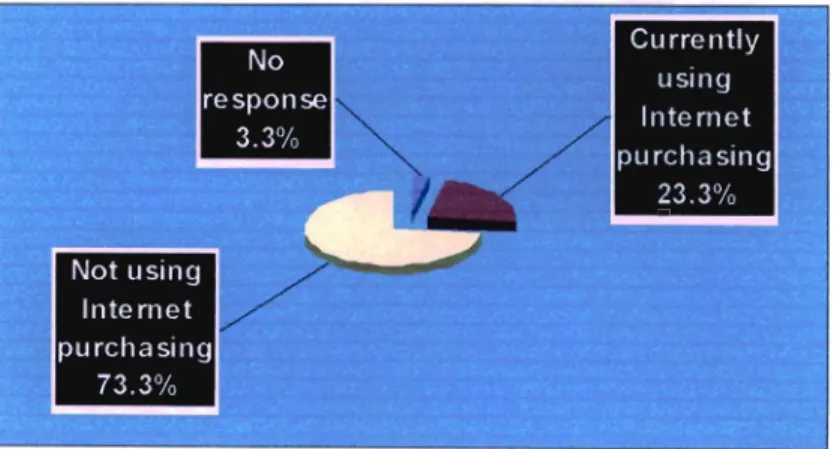
- CURRENT E-COMMERCE USERS
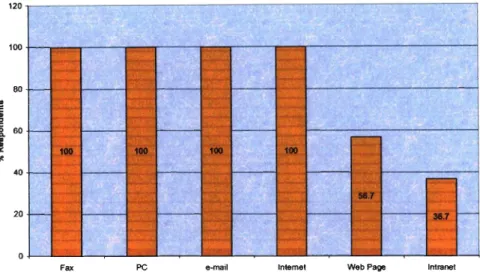
- CURRENT USES OF INTERNET
- MEANS FOR ADOPTING E-COMMERCE
- LEVEL OF INTEREST IN E-COMMERCE IN THE ANIMAL FEED INDUSTRY
- HOW DOES THE INTEREST LEVEL VARY WITH THE DIFFERENT TYPES OF CUSTOMERS
- PERCEIVED BARRIERS TO E-COMMERCE
- INDIVIDUAL FACTORS
- ORGANISATIONAL FACTORS
- GROUP FACTORS
- ENVIRONMENTAL FACTORS
- UNDERSTANDING THE RESULTS ON THE BASIS OF ADOPTION OF INNOVATION THEORY
- AWARENESS OF E-COMMERCE IN THE FEED INDUSTRY Respondents rated their personal level of awareness of e-commerce on a
- EVALUATION OF E-COMMERCE
- TRIAL PHASE OF E-COMMERCE
- ADOPTION OF E-COMMERCE
- WHO ARE THE INNOVATORS?
- CUSTOMERS PREFERRED ASPECTS OF E-COMMERCE Having established that Lysine customers are keen to adopt e-commerce
- SUMMARY
- SHOULD BIOPRODUCTS INTRODUCE E-COMMERCE?
- E-COMMERCE SYSTEM DESIGN
- MARKETING PROGRAM
- TIMING
- OVERCOMING BARRIERS
- FURTHER RESEARCH
- CONCLUSION
The ratio of essential amino acids in the feed must be close to the optimal ratio required by the animal. One of the main deciding factors would be whether customers have the means and interest to adopt e-commerce. According to (Internet 15), there is a relationship between the maturity cycle of the Internet and the percentage of use in industries.
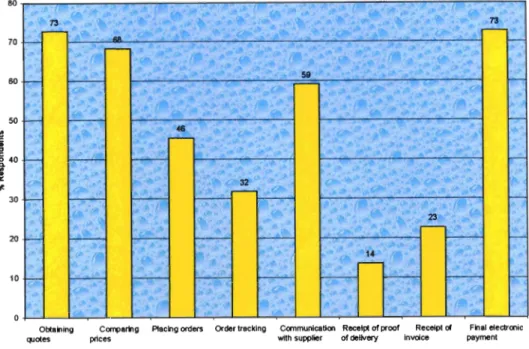
Sixty-eight percent of respondents who have access to the Internet use it to compare prices. According to the definitions in section 2.4.3, a farmer would generally be considered a "skeptic", someone who would be critical of the excitement surrounding a new technology. The results also show that the biggest barrier is under the control of suppliers.
Many suppliers are also tired of the numerous failures of e-commerce businesses in South Africa. This is in contrast to the South African study where construction and maintenance costs appeared very low in the ranking of the barriers. In the South African scenario, most of the larger feed mills purchase Lysine on a centralized basis.
It seems that marketers would be happy to follow the rest of the players in the food industry. There is an indication that the firm's risk profile is related to the timing of adoption. More work is required to test whether the “trial” phase of adoption of innovation theory is applicable to e-commerce adoption.
The results show that members of the feed industry are at different stages of the adoption cycle.
A. BIOPRODUCTS PTY LTD
MEMORANDUM
I SUBJECT
1 Avoid risk at all 2 take small risks 3 take moderate 4 take high risk 5 take very high. 1 Avoid risk at all 2 take small risks 3 take moderate 4 take high risk 5 take very high. Obtain Comparison Placement Order Communication Receipt of Receipt Final Quotations prices orders Tracking with Supplier proof of of Electronic.
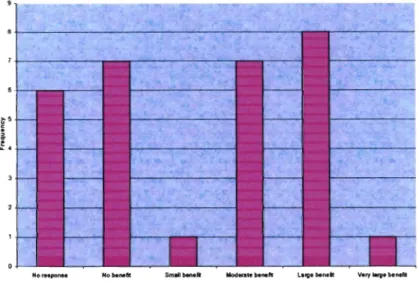
19 Indicate how your company would benefit from purchasing electronic commerce.