Informasi Dokumen
- Penulis:
- Widiany Nurrahmah
- Pengajar:
- Ibu Maulina Handayani, S.Kp., M.Sc
- Ibu Ns. Eni Nuraini Agustini, S. Kep, M.Sc
- Bapak Jamaludin, S.Kp, M.Kep
- Sekolah: Universitas Islam Negeri Syarif Hidayatullah Jakarta
- Mata Pelajaran: Ilmu Keperawatan
- Topik: Pengalaman Kesiapsiagaan Masyarakat Menghadapi Bencana Banjir di RT 001 RW 012 Kelurahan Bintaro Kecamatan Pesanggrahan Jakarta Selatan Tahun 2015
- Tipe: thesis
- Tahun: 2015
- Kota: Jakarta
Ringkasan Dokumen
I. Introduction
This section outlines the background of the study, emphasizing the high frequency of floods in Jakarta and the necessity for community preparedness. It discusses the implications of flooding as a natural disaster and highlights the varying responses of citizens based on their preparedness measures. The introduction sets the stage for the research by establishing the significance of understanding community experiences in flood preparedness.
1.1 Background
The background discusses Indonesia's vulnerability to natural disasters, particularly floods in Jakarta. It provides statistical data on the frequency of floods and their impacts on the community. The section emphasizes the need for effective disaster preparedness strategies to minimize losses and casualties, highlighting the role of local communities in disaster response.
1.2 Problem Statement
This subsection articulates the central research problem, focusing on how community members in RT 001 RW 012 Bintaro experience preparedness in facing floods. It identifies gaps in existing knowledge regarding community responses and the need for further exploration of their experiences.
1.3 Research Questions
The research questions seek to explore the experiences of community members in RT 001 RW 012 in preparing for floods. These questions guide the qualitative inquiry into the community's perceptions, actions, and the effectiveness of their preparedness measures.
1.4 Research Objectives
The objectives aim to elucidate the experiences of community members regarding flood preparedness. This section outlines the expected outcomes of the research, including insights into community actions, knowledge sources, and the effectiveness of government initiatives.
1.5 Significance of the Study
The significance emphasizes the potential benefits of the research for the community, nursing institutions, and future researchers. It highlights the importance of educating communities on disaster preparedness and the role of nursing in community health initiatives.
II. Literature Review
This section reviews existing literature on disaster preparedness, experiences, and flood management. It provides definitions and classifications of disasters, with a particular focus on floods. The literature review contextualizes the study within the broader field of disaster management and community health.
2.1 Experience
The concept of experience is explored, emphasizing its role as a source of knowledge. This section discusses how personal experiences during disasters shape individual and community responses, contributing to their preparedness strategies.
2.2 Disasters
This subsection defines disasters, categorizing them into natural and human-made events. It discusses the impacts of disasters on communities, including physical, psychological, and socio-economic effects.
2.3 Floods
The section delves into the specifics of floods, including definitions, causes, and types. It highlights the unique challenges posed by floods in Jakarta and the community's historical experiences with flooding.
2.4 Preparedness
Preparedness is defined as a series of activities undertaken to anticipate and respond to disasters. This section outlines various preparedness strategies and emphasizes the importance of community involvement in disaster management.
III. Conceptual Framework and Definitions
This section presents the conceptual framework guiding the research. It connects the literature review to the study's objectives, illustrating how community experiences inform preparedness strategies. Definitions of key terms are also provided to clarify the study's focus.
3.1 Conceptual Framework
The framework illustrates the relationship between community experiences, preparedness actions, and the outcomes of flood management efforts. It emphasizes the importance of understanding these dynamics to enhance community resilience.
3.2 Research Location and Informants
This subsection describes the research location and the selection of informants. It details the criteria for participant selection and the significance of their experiences in contributing to the study's findings.
3.3 Data Collection Techniques
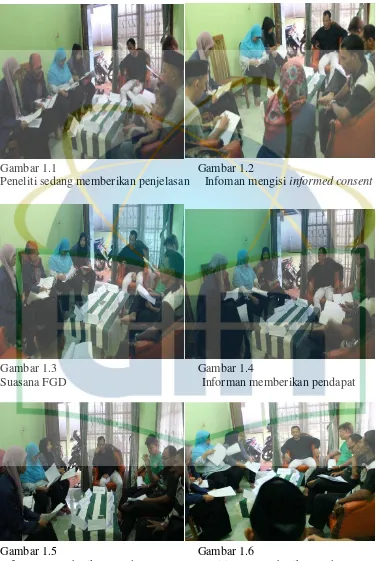
The section outlines the methods used for data collection, including focus group discussions and interviews. It emphasizes the qualitative approach and the importance of capturing in-depth experiences of community members.
3.4 Data Analysis Techniques
This subsection describes the Colaizzi method used for data analysis, highlighting its suitability for phenomenological research. It explains how the data will be organized and interpreted to identify key themes.
3.5 Research Ethics
Ethical considerations are discussed, emphasizing the importance of informed consent and the protection of participants' rights throughout the research process.
IV. Research Findings
The findings section presents the results of the data analysis, highlighting key themes related to community experiences of flood preparedness. It provides insights into the impacts of flooding, sources of knowledge, community efforts, and government roles in preparedness.
4.1 Overview of the Research Area
This subsection provides a demographic and geographical overview of RT 001 RW 012, contextualizing the community's experiences with flooding. It highlights the area's vulnerability and historical flooding incidents.
4.2 Characteristics of Informants
The characteristics of the informants are detailed, including their backgrounds and experiences with flooding. This information is crucial for understanding the diversity of perspectives within the community.
4.3 Thematic Analysis Results
The thematic analysis identifies four main themes: the impact of flooding on the community, sources of knowledge about flood prevention, community preparedness efforts, and the role of government in disaster preparedness.
V. Discussion
This section interprets the research findings, linking them back to the literature review and conceptual framework. It discusses the implications of the findings for community preparedness and the role of nursing in disaster management.
5.1 Interpretation of Findings
The findings are interpreted in light of existing literature, highlighting similarities and differences in community experiences of flood preparedness. This discussion emphasizes the importance of local knowledge and community engagement.
5.2 Limitations
This subsection addresses the limitations of the study, including potential biases in participant selection and data collection. It emphasizes the need for caution in generalizing the findings.
VI. Conclusion
The conclusion summarizes the key findings of the research, reiterating the importance of community preparedness in managing flood disasters. It highlights the need for ongoing research and the potential for integrating nursing practices into community disaster preparedness.
6.1 Summary of Findings
The summary encapsulates the main findings of the study, emphasizing the diverse experiences of community members and the effectiveness of their preparedness efforts.
6.2 Recommendations
Recommendations for future research and practical applications of the findings are provided. This section emphasizes the importance of continued education and community engagement in disaster preparedness.