Informasi Dokumen
- Sekolah: Sekolah Tinggi Bahasa Asing Kuala Namu
- Mata Pelajaran: Architecture
- Topik: Sekolah Tinggi Bahasa Asing Kuala Namu
- Tipe: thesis
- Tahun: 2016
- Kota: Deli Serdang
Ringkasan Dokumen
I. METHODOLOGY
The methodology for designing the Sekolah Tinggi Bahasa Asing Kuala Namu involves a comprehensive approach that includes various research methods and data collection from the local area. This methodology serves as a framework for analyzing the collected data and applying existing theories to the design process. The design process consists of several steps, including the conceptualization of ideas, identification of problems, and the establishment of design objectives.
3.1. Design Idea
The design idea emerged from a desire to explore the environment surrounding Kuala Namu Airport, a new development in North Sumatra. The need for a foreign language higher education institution arose due to the increasing global communication demands and the lack of qualified human resources in the language sector in Indonesia. This exploration involved gathering architectural and non-architectural data from various sources to address the technical requirements for establishing a foreign language college.
3.2. Problem Identification
The planning and development of the Kuala Namu Airport area highlight a significant need for human resources skilled in foreign languages, tour guiding, and other related fields. The scarcity of foreign language higher education institutions in Indonesia exacerbates this issue, indicating an urgent requirement for such facilities to meet international demands. The development plans for the Kuala Namu area as an aerotropolis further underscore the necessity of a foreign language higher education institution.
3.3. Design Objectives
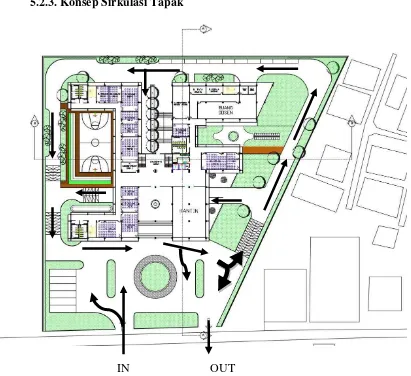
The primary objective is to plan and design a foreign language college in the Kuala Namu area, integrating it with the broader development plans for the region. The design aims to create an efficient circulation system within the college, addressing noise reduction, lighting, orientation, and environmental considerations. The institution will serve as a center for knowledge and creativity in foreign language education for the community.
3.4. Data Collection Methods
Data collection for this design project involves both primary and secondary data sources. Primary data is gathered through observational methods, including field surveys to assess the local conditions, site area, climate, and transportation systems. Secondary data is obtained from literature reviews, including relevant architectural theories and comparisons with similar institutions, to inform the design process.
3.5. Analysis
The analysis phase includes various steps in the design process, focusing on site analysis, functional analysis, user activity analysis, circulation analysis, spatial analysis, structural analysis, and utility analysis. Each analysis aims to gather insights that will inform the design and ensure it meets the educational objectives and user needs.
3.6. Synthesis and Concept
Synthesis involves integrating the results of the analyses to develop a coherent design concept that guides the planning process. This includes considerations of site design, spatial organization, structural concepts, and utility systems. The design concept aims to create an educational environment conducive to learning and creativity in foreign languages.
II. DESIGN ANALYSIS
The design analysis section focuses on evaluating the site conditions, existing land use, zoning regulations, and environmental factors that influence the design of the Sekolah Tinggi Bahasa Asing Kuala Namu. This analysis is crucial for ensuring that the design aligns with educational objectives and addresses the needs of the community.
4.1. Site and Environmental Analysis
The project site is located in a developing urban area that includes educational, religious, health, residential, and commercial facilities. The site features a tropical climate with specific temperature ranges and is easily accessible from various strategic locations. The topography and existing land use patterns indicate potential for development, while regulations governing land use and construction must be adhered to for compliance.
4.2. Functional Analysis
This section assesses the spatial requirements for the college, including the number of classrooms, laboratories, administrative offices, and support facilities. The analysis indicates a need for a significant number of classrooms and facilities to accommodate the projected student population, ensuring that the college can effectively serve its educational mission.
4.3. Form and Atmosphere Analysis
The analysis of the building's form examines how the architectural design can create a conducive learning atmosphere. Factors such as size, color, texture, and orientation are considered to achieve an inviting and functional educational environment. The proposed design aims to balance aesthetics with practicality, promoting an engaging space for students and faculty.
4.4. Technology Analysis
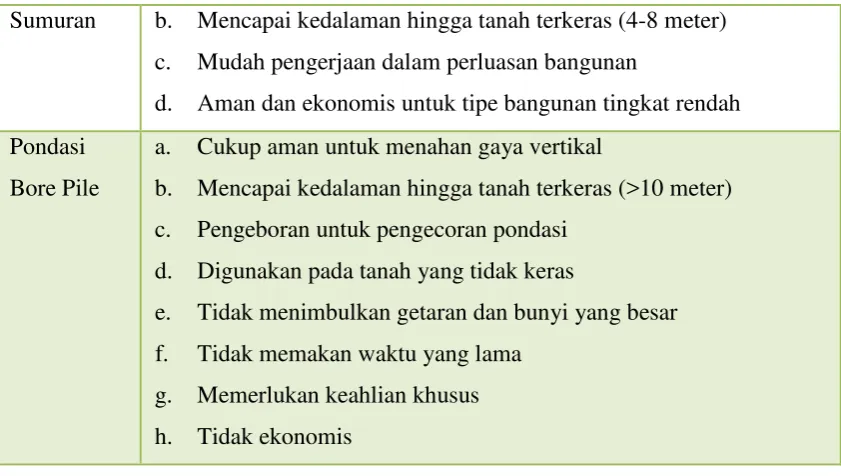
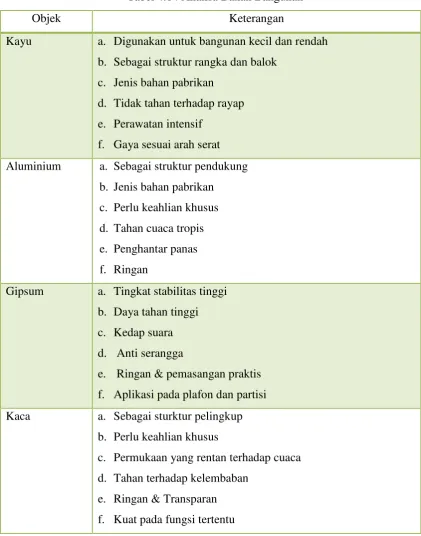
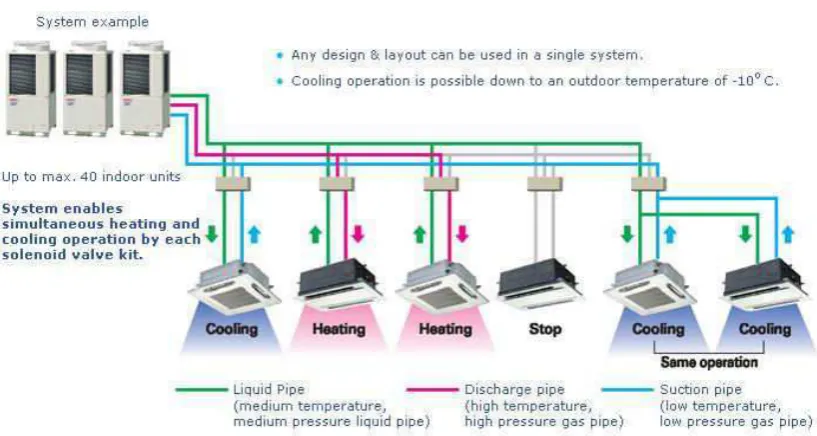
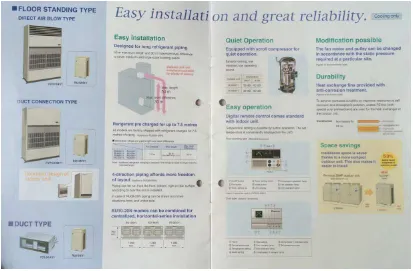
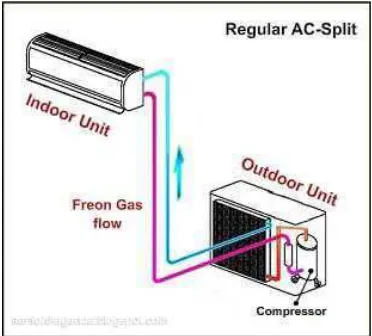
This section evaluates the structural and utility systems to be implemented in the design. The use of composite materials and innovative construction techniques is proposed to enhance sustainability and efficiency. The analysis also includes considerations for HVAC systems and energy management, ensuring that the building operates effectively while minimizing environmental impact.
III. DESIGN CONCEPT
The design concept section outlines the foundational ideas and principles guiding the architectural design of the Sekolah Tinggi Bahasa Asing Kuala Namu. It emphasizes ecological considerations, zoning, massing, circulation, structural systems, and utility planning.
5.1. Basic Design Concept
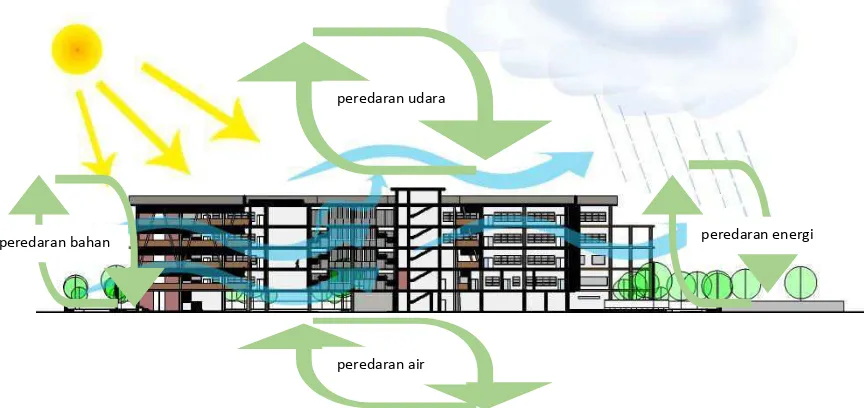
The core theme of the design is ecological sustainability, which informs various design elements such as natural lighting, cross ventilation, and the use of alternative energy sources. These elements aim to reduce energy consumption and create a healthy learning environment for students.
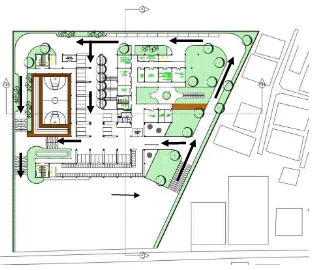
5.2. Site Planning Concept
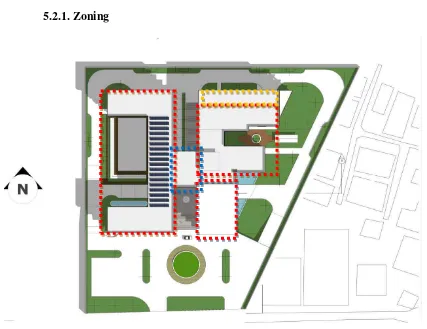
Zoning within the building is organized to separate different functions, facilitating efficient movement and access. The design incorporates distinct areas for services, public use, and private spaces, ensuring that the college operates smoothly and meets the needs of its users.
5.3. Structural Design Concept
The structural design employs a grid system for efficient space utilization and construction. The use of prefabricated elements is proposed to streamline the building process, while ensuring structural integrity and cost-effectiveness.
5.4. Utility Design Concept
Utility planning addresses water supply, waste management, and electrical systems to ensure the building functions effectively. The integration of sustainable practices in utility management is emphasized to align with the college's educational objectives and environmental goals.