I. I
This section sets the stage for the thesis by establishing the context of the research. It introduces PT. Bukit Asam (PT. BA), a major Indonesian coal producer, and its reliance on the Babaranjang railway system for transporting coal from Muara Enim to Tarahan port. The author highlights the problem of traffic congestion and accidents in Bandar Lampung due to the long coal trains, particularly during peak hours. This establishes the need for optimizing transport capacity and scheduling the Babaranjang trains. The background information provides a strong rationale for the research, grounding it in real-world challenges. The section then clearly states the research objectives, limitations, and potential benefits. The clear articulation of the problem and the proposed solution demonstrates a strong understanding of research methodology and problem definition, crucial elements in academic writing.
1.1 A. Latar Belakang (Background)
This subsection details the context of PT. Bukit Asam's coal transportation, emphasizing the challenges posed by the Babaranjang trains on Bandar Lampung's infrastructure and traffic flow. The high volume of coal transportation and the resulting congestion and accident risks during peak hours are explicitly described. This establishes the practical significance of the research and highlights the societal impact of the problem addressed. The reliance on secondary data (annual reports and SOPs) is mentioned, setting the stage for the methodological approach. The description of the city's revenue generation from PT. BA also provides an economic dimension to the problem. Overall, the background convincingly establishes the relevance of the research topic.
1.2 B. Tujuan Penelitian (Research Objectives)
This subsection outlines the two primary research objectives: optimizing coal transport capacity and simulating a Babaranjang train schedule that avoids Bandar Lampung during peak hours. This clear and concise statement of objectives ensures focus and clarity, vital aspects of successful research. The stated objectives are measurable and directly address the problems outlined in the background. This focus on specific, achievable goals demonstrates an understanding of research design and the importance of well-defined objectives within an academic framework. The direct correlation between the objectives and the identified problem clearly shows the research's structured and well-defined nature.
1.3 C. Batasan Masalah (Research Limitations)
The limitations of the study are explicitly defined here. These include the focus solely on the Babaranjang railway between Tanjung Enim and Tarahan, consideration of a single-track railway line, constant train speed regardless of the number of carriages, and limitations on the maximum number of carriages. Acknowledging these limitations is essential for maintaining academic integrity and acknowledging the scope of the research. The defined limits assist in controlling the variables and focusing on the core issue, thereby ensuring the rigor and feasibility of the research. This contributes to the reliability and credibility of the research findings.
1.4 D. Manfaat Penelitian (Benefits of the Research)
This subsection describes the practical applications of the research. The main benefits include determining the optimal coal transport capacity for the Babaranjang trains and providing a simulation for a revised train schedule to mitigate traffic congestion in Bandar Lampung during peak hours. By highlighting the practical implications, this section emphasizes the real-world applicability of the research and its potential contribution to the efficient management of the Babaranjang system. This section directly relates to the objectives and demonstrates the research's potential positive impact, which is a key element in justifying its academic value.
II. II
This chapter provides a comprehensive review of the relevant literature. It delves into details about PT. Bukit Asam, coal properties, transportation modes (road, rail, and sea), railway infrastructure (locomotives and carriages), railway operation methods (transport capacity, line capacity, and train schedules), optimization techniques, and coal handling and transportation. The inclusion of research similar to the current study allows for contextualization and a comparative analysis of methods and findings. This section, with its organized structure, demonstrates a thorough understanding of the subject matter and a capability to synthesize information from various sources, which are key skills in academic research.
2.1 A. P.T. Bukit Asam (Persero) Tbk
This subsection provides background information on PT. Bukit Asam, its role as a state-owned coal mining company, and its production and sales figures. The information about the company's operations and market position provides essential context for understanding the scale and importance of its coal transportation activities. The data on production and sales figures help to quantify the demand for coal transportation and sets the foundation for the later analysis of transport capacity optimization. Inclusion of this background information sets a strong foundation for the quantitative analysis in the subsequent sections.
2.2 B. Batubara (Coal)
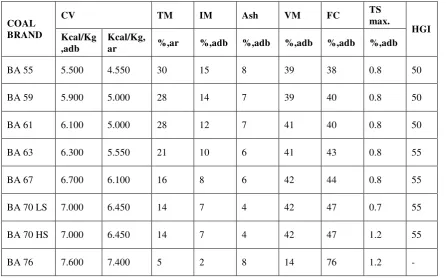
This subsection covers the properties and uses of coal, including its classification and the specific coal brands produced by PT. Bukit Asam. Understanding the properties of coal is crucial to optimizing transportation, as the weight and characteristics of coal influence the capacity and efficiency of the Babaranjang trains. The classification of coal types and the information about PT. Bukit Asam's specific coal brands allows for a more specific and detailed analysis of the requirements for its transportation. The inclusion of the coal brand table demonstrates attention to detail and thorough literature review.
2.3 C. Transportasi / Angkutan (Transportation)
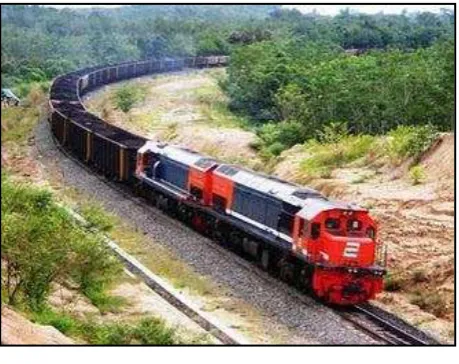
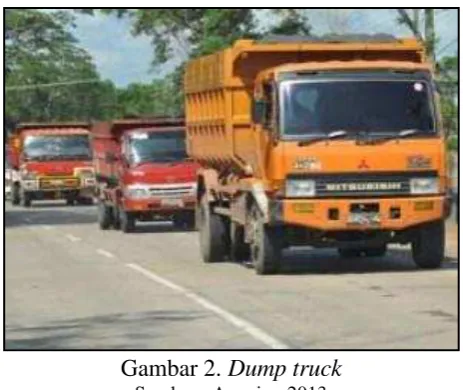
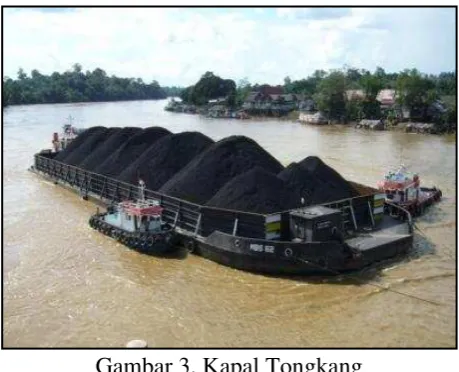
This subsection explores various modes of coal transportation, including road, rail, and sea. It focuses on the Babaranjang railway, highlighting its characteristics and comparing it with other modes of transport, particularly road transport and barge transportation. This comparison helps to justify the selection of the railway as the primary focus of the research. The strengths and weaknesses of each mode are highlighted, providing a broader context for evaluating the efficiency and effectiveness of the Babaranjang system. This provides a robust justification for focusing on railway optimization.
2.4 D. Sarana Kereta Api (Railway Infrastructure)
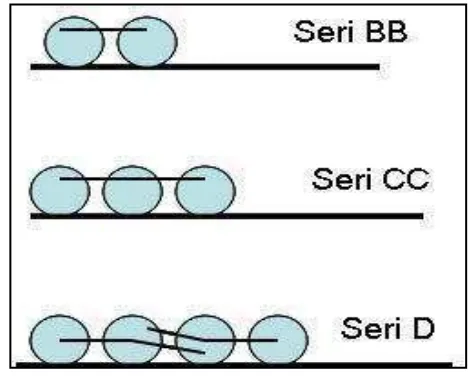
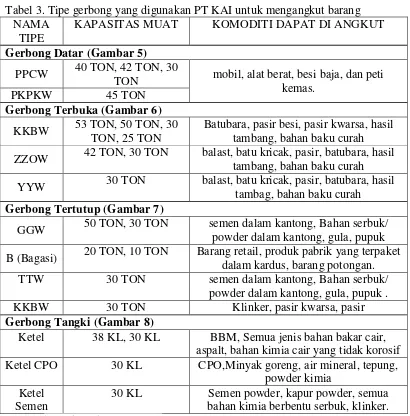
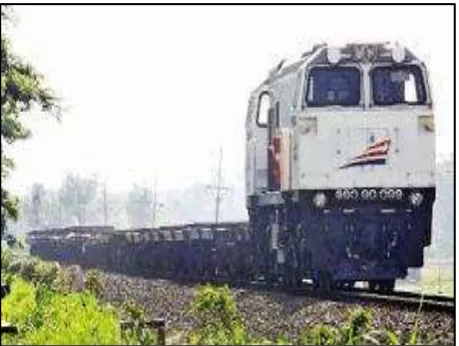
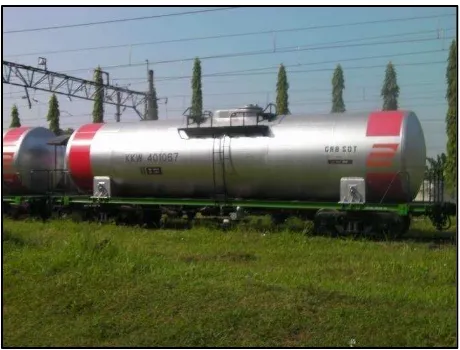
This subsection describes the railway infrastructure, including locomotives and carriages, providing technical details about their specifications and capabilities. This detailed description of the railway infrastructure allows for a more precise analysis of capacity and scheduling issues. The information on locomotive types and their power outputs, along with the different types of carriages and their capacity, provides the foundation for calculating the optimal number of carriages and locomotives for the Babaranjang trains. This demonstrates the author's attention to detail and understanding of the technical aspects of railway operations.
2.5 E. Metode Pengoperasian Kereta Api (Railway Operation Methods)
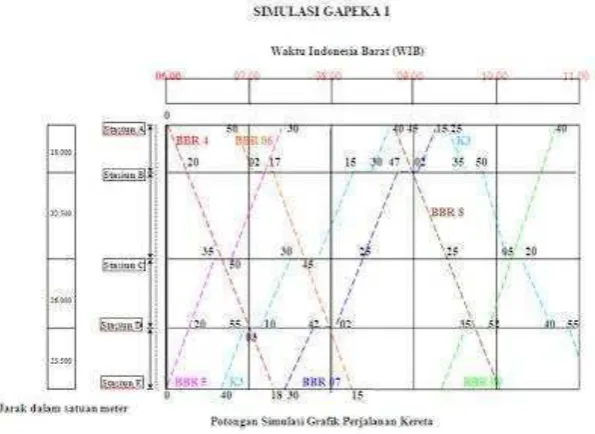
This subsection outlines the methods used in railway operations, including calculation of transport capacity, line capacity, and train scheduling (Gapeka). The discussion of the methods provides a conceptual framework for the research methodology. The description of Gapeka (train scheduling) provides a background for understanding the complexities of creating an efficient and effective train schedule. The equations for capacity calculations demonstrate an understanding of the relevant quantitative methods. This section is crucial for understanding the technical basis of the optimization process.
2.6 F. Optimalisasi (Optimization)
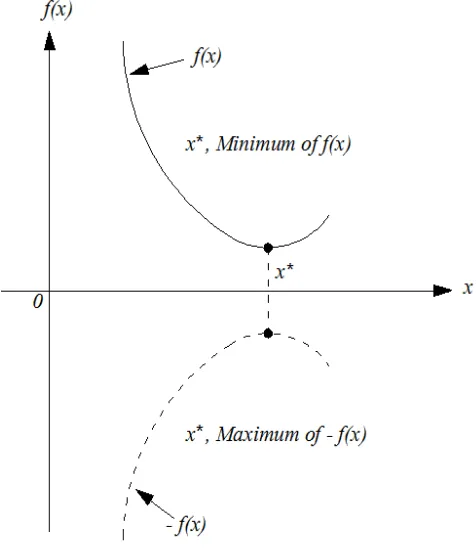
This subsection introduces the concept of optimization, explaining its principles and application in the context of the Babaranjang system. This theoretical foundation is essential for justifying the choice of optimization techniques used in the research. The discussion on minimizing efforts or maximizing benefits, expressed as functions of variables, establishes the mathematical underpinning of the optimization problem. The visualization of the concept using a graph enhances understanding. This builds a strong theoretical base for the practical application of optimization techniques in the research.
2.7 G. Penanganan dan Pengangkutan Batubara (Coal Handling and Transportation)
This subsection details the process of coal handling and transportation at PT. Bukit Asam, from storage to loading onto trains. Understanding this process enhances the overall understanding of the system being optimized. The description of coal storage facilities and loading processes is essential for a complete understanding of the logistics involved in coal transportation. This information complements the information on transportation modes and provides a more holistic view of the entire system.
2.8 H. Penelitian Sejenis (Similar Research)
This subsection reviews similar research projects, highlighting their conclusions and methodologies. This shows the author's awareness of existing literature and allows for a comparative analysis of the present research. The summary of findings from similar studies helps to position the current research within the broader academic context and to justify the choice of methodology and analysis. It demonstrates a comprehensive understanding of previous work in the field.
III. III
This section details the research methodology, explaining the data collection and analysis techniques employed in the study. The author clearly outlines the use of secondary data from PT. KAI, internet sources, and literature review. This establishes the quantitative nature of the research. The steps involved in data processing, including analyzing transport capacity, optimizing capacity, checking railway line capacity, determining maximum headway, calculating train travel time, and scheduling are meticulously explained. The inclusion of a flowchart provides a visual representation of the research process. The detailed explanation of the methodology ensures the transparency and reproducibility of the research, crucial aspects of academic rigor.
3.1 A. Umum (General)
This subsection provides a brief overview of the research methodology, emphasizing the use of secondary data and literature review. This sets the overall tone and approach of the methodology chapter. The emphasis on secondary data collection and analysis clarifies the type of research being conducted. This overview prepares the reader for the more detailed description of the specific methods used in subsequent subsections. It sets the foundation for the rest of the methodology chapter.
3.2 B. Persiapan Penelitian (Research Preparation)
This subsection outlines the preparatory steps undertaken before the main data analysis. It describes the literature review and the collection of secondary data, including annual reports and operational data from PT. Bukit Asam and PT. KAI. The description of the data sources demonstrates attention to the validity and reliability of the data used in the study. This preparation is crucial for ensuring the quality and credibility of the subsequent analysis. The specific data sources are identified, contributing to the transparency and reproducibility of the research process.
3.3 C. Pengolahan Data (Data Processing)
This subsection details the steps taken in processing the secondary data. The systematic approach, from analyzing transport capacity to scheduling, is clearly explained. The steps involved are well-defined, ensuring a systematic and rigorous approach to data analysis. This section establishes the logical flow of the data processing steps and highlights the quantitative and analytical skills employed in the research. It demonstrates a strong understanding of statistical and operational research techniques.
3.4 D. Diagram Alir Penelitian (Research Flowchart)
This subsection presents a flowchart visually representing the steps involved in the research. The flowchart provides a concise and easily understandable summary of the research process. The visual representation improves the clarity and understandability of the research methodology. This flowchart serves as a useful tool for summarizing the research process and enhances the readability and overall organization of the methodology chapter. It allows readers to quickly grasp the flow of the research.
IV. IV
This section presents the findings of the research, focusing on the data analysis and interpretation of the results. It starts with a description of the collected data – both production and supply data – followed by a detailed analysis of the transport capacity, optimization results, railway line capacity, headway, train travel time, and the final train schedule. The results show the optimal number of carriages and the frequency of trains required. It also shows the average and maximum waiting times for trains. This section demonstrates a high level of analytical skill and a clear understanding of the data. The discussion of the findings relates the results back to the research objectives and literature review.
4.1 A. Pengumpulan Data (Data Collection)
This subsection describes the data sources and provides a summary of the collected data on production and supply. This sets the context for the subsequent analysis. The details of the data sources and their characteristics provide important context for understanding the analysis. This subsection is critical for establishing the credibility and reliability of the research findings. A clear description of data sources and their limitations enhances transparency and promotes rigor.
4.2 B. Pengolahan Data (Data Processing)
This subsection presents the results of data analysis, including the determination of optimal transport capacity, and the proposed train schedule. The presentation of quantitative results demonstrates analytical competence and attention to detail. The explanation of the data analysis is clear and concise, and the results are presented in a way that is easily understandable. This detailed presentation of results is essential for establishing the credibility and validity of the research.
V. V
This concluding section summarizes the key findings and provides recommendations for future research. The conclusions reiterate the optimal transport capacity and the effects of the proposed train schedule on reducing waiting times. The recommendations suggest infrastructure improvements, such as double-tracking, to further enhance efficiency. This section summarizes the significant contributions of the thesis and proposes future research directions. The concise summary of the findings and the practical recommendations demonstrate the relevance of the research and its potential impact.
5.1 A. Simpulan (Conclusions)
This subsection summarizes the key findings of the research, reiterating the optimal configuration of the Babaranjang trains and the impact of the proposed scheduling on minimizing traffic congestion. This concise summary highlights the main achievements of the research. The clear and concise presentation of the key conclusions emphasizes the main contributions of the research. This section effectively summarizes the key quantitative and qualitative findings of the research.
5.2 B. Saran (Recommendations)
This subsection provides recommendations for future research and improvements to the Babaranjang system. It suggests infrastructure upgrades and more detailed modeling for future research. The recommendations are specific and practical, indicating a clear understanding of the limitations and potential future developments in the field. The recommendations highlight areas for future investigation and practical improvements to the Babaranjang transportation system, thereby contributing to the overall impact and relevance of the research.
VI. DAFTAR PUSTAKA (Bibliography)
This section lists the sources cited throughout the thesis, demonstrating the range and depth of the literature review. A comprehensive bibliography is an important aspect of academic integrity and acknowledges the intellectual contributions of others. This section adheres to academic standards for referencing, demonstrating the author's understanding of proper citation practices. The extensive bibliography showcases a thorough literature review and strengthens the credibility of the research.