Variability of specific components in
Camelina sati
6
a
oilseed cakes
B. Mattha¨us
a,*, J. Zubr
baInstitut fu¨r Chemie und Physik der Fette der Bundesanstalt fu¨r Getreide-,Kartoffel-und Fettforschung,Postfach1705, D-48006Mu¨nster,Germany
bDepartment of Agricultural Sciences,The Royal Veterinary and Agricultural Uni
6ersity,Agro6ej10,DK2630Taastrup,Denmark Accepted 12 October 1999
Abstract
During the period 1995 – 1998 a research project was carried out dealing with oilseed crop-false flax (Camelina sati6a (L.) Crantz). The project with participants from five EU countries was supported by the European
Commission. Extensive new knowledge about agrotechnical aspects and agro-industrial exploitation of the crop was acquired. Authentic documentation was obtained from analyses of C. sati6a (CS) seed and oilseed cakes. Thirty
representative samples of seed and corresponding thirty samples of oil cakes from the crop grown in 1997, originating from ten different localities in Europe and in Scandinavia, were analysed using advanced analytical technology. The analyses were focussed on evaluation of the oilseed cakes with regard to the exploitation as feedstuff. Different qualitative parameters significant to the biological value of the fodder, such as the content of glucosinolates, sinapine, condensed tannins, inositol phosphates and the content of heavy metals cadmium, nickel and zinc, were determined. © 2000 Elsevier Science B.V. All rights reserved.
Keywords:Camelina sati6a; Oilseed cakes; Sinapine
www.elsevier.com/locate/indcrop
1. Introduction
During the last decade, Camelina sati6a (CS) with the popular name false flax, has attracted renewed attention as an alternative oilseed crop (Friedt et al., 1994; Zubr, 1997; Hebard, 1998). The oil from CS seed is characterized by a high content of essential fatty acids and OMEGA-3 fatty acids. The oil is suitable for human
con-sumption and for food and non-food industrial application (Seehuber, 1984; Putnam et al., 1993; Zubr and Matzen, 1996).
During the Neolithic Time, CS seed was used for human consumption. Archeological excava-tions from the period 500 BC to 300 AD have disclosed that the seed was a substantial part of the human diet (Kno¨rzer, 1978; Ko¨rber-Grohne, 1987). The seed was used in porridge and in bread. During the Middle Ages, Camelina was cultivated sporadically. Before the World War and shortly after the War, the crop was cultivated in Europe and in Russia.
* Corresponding author. Tel./fax: +49-251-519-275. E-mail address:[email protected] (B. Mattha¨us)
Camelina is a cruciferous plant. Both winter and summer forms are known. Recent research indicates that the summer cultivars have more commercial potential than the winter variant (Schuster and Friedt, 1998). When compared with the conventional oilseed crops, such as rape
(Brassica napus) and sunflower (Helianthus an
-nuus), Camelina possesses considerable
agrotech-nical benefits. The crop can be grown with a low input and environmentally friendly without appli-cation of pesticides/herbicides (Zubr, 1997).
The processing of the seed, provides oil and a by-product in the form of oilseed cakes (CSOC). From the point of view of rational industrial exploitation, the CSOC must be considered as economically important product. Exploitation of the CSOC, e.g. as an ingredient in balanced ra-tions for animals will be essential. Application of CSOC as feedstuff is widely documented and confirmed in practice (Zubr, 1993). However, the use of CSOC in animal nutrition is prohibited in EU countries by the various regulations that specify the undesirable substances in feedstuffs (EC Council Directive 1999/29/EF of 22 April 1999).
According to older literature, diets containing CS seed and CSOC caused some adverse effects. The acceptance of the fodder by the animals was reduced and certain effects on the palatability of milk and the structure of meat were observed (Kling, 1928; Kellner and Fingerling, 1943). How-ever, recent studies have shown that CSOC can be acceptable as ration components when used in limited amounts (Zubr, 1993; Bo¨hme et al., 1997; Lebzien et al., 1997). The results of these studies allow the conclusion that the CSOC is suitable for the feeding of ruminants. When used in fodder for pigs, the growth rate, the liver weight, the oil consistency of carcass fat and the taste of meat were influenced negatively (Bo¨hme et al., 1997). Similar limitations are known from exploitation of rapeseed oilseed cakes in diets.
Because of the controversial results of the re-search, there is a need for scientific documenta-tion about the compounds with reladocumenta-tion to the nutritional value of CSOC. Some results from recent studies are available (Korsrud et al., 1978; Budin et al., 1995; Schuster and Friedt, 1998).
Nevertheless, the constituents that can affect the biological value of CSOC remain unclear.
The aim of the present studies was to identify the compounds apparently important for the ap-plicability of CSOC as a potential feed ingredient.
2. Materials and methods
2.1. Materials
Thirty samples of CS seed from Denmark (Den1-WC, Den1-SC and Den2-SC), Ireland (Ire-WC), Finland (Fin-(Ire-WC), England (Eng-(Ire-WC), Scotland (Sco-WC), Germany (Ger1-SC and Ger2-SC) and Sweden (Swe-SC) were investi-gated. Samples of seed and oilseed cake of three different cultivars were analysed from each locality.
2.2. Pressing process
CSOC were obtained by pressing seed samples in a laboratory oil press (Komet CA59 G Mon-forts, Mo¨nchengladbach, Germany). The expeller was equipped with a pressing nozzle, ID 8 mm. The speed of the spindle was adjusted to optimum performance. During the processing the press head was heated electrically to maintain the tem-perature of about 90°C.
2.3. Determination of desulfoglucosinolates
The desulfoglucosinolates were determined as described by Fiebig and Jo¨rden (1990).
Sample extraction was carried out with 70% (v/v) methanol at 75°C for 10 min twice. The crude extract (1 ml) was added on the top of a DEAE Sephadex A-25 mini column and allowed to drain. The column was washed with water and a sodium acetate buffer. A sulphatase solution was added and allowed to remain on the column overnight. The desulphoglucosinolates were eluted with water and this solution was used for the HPLC on a LiChrospher 60 RP-select B column (5 mm) 125×4 mm (Merck, Darmstadt,
water and the desulfoglucosinolates were detected at 229 nm with a variable wavelength UV-detector.
2.4. Determination of sinapine
The HPLC analyses for sinapine were per-formed according to a modified method of Clausen et al. (1983) under isocratic conditions as described by Clausen et al. (1985). The extraction of sinapine was achieved with 70% methanol as recommended by Bjerg et al. (1984). The cen-trifuged extract was diluted and then injected onto a LiChrospher 60 RP-select B column (5 mm)
125×4 mm (Merck, Darmstadt, Germany) used with a flow rate of 1.0 ml/min without further purification. The mobile phase consisted of 0.01 M sodium heptanesulphonic acid, 0.01 M sodium dihydrogenphosphate and 0.01 M dibutylamine in acetonitrile/water (2:8) at pH 2.0. The UV-detec-tor was set at 325 nm. Calibration and evaluation of the method was made using sinapine thio-cyanate, isolated from a rapeseed sample.
2.5. Determination of phytic acid and its degradation products
Phytic acid and its degradation products inosi-tol pentaphosphate, -tetraphosphate and -triphos-phate were determined by HPLC as described by Mattha¨us et al. (1995).
The samples were extracted with 0.5 M HCl at 90°C to isolate the inositol phosphates. After-wards the extract was passed through an anion exchange column (Dowex 1×2 (Fluka, Switzer-land)), where the inositol phosphates were re-tained. The column was washed with a solution of sodium chloride and water to remove impurities and then the inositol phosphates were eluted with 2 M HCl. The eluate was evaporated to dryness and redissolved in 1 ml water. This solution was used for HPLC, whereas the inositolphosphates were detected by RI-detector. Samples of 10 ml
were injected onto a LiChrospher 60 RP-select B (5 mm) 125×4 mm (Merck, Darmstadt,
Ger-many) used with a flow rate of 1.0 ml/min. The mobile phase used consisted of 500 ml water, 500 ml methanol and 22.5 mmol/l
tetrabutylammo-nium hydroxide (Fluka, Switzerland) adjusted with 9 M H2SO4 at pH 4.3
2.6. Determination of condensed tannins
The determination of condensed tannins or its monomeric components was carried out as de-scribed by Price et al. (1978) and Butler et al. (1982). The samples were extracted with 70% ace-tone, the extracts carefully evaporated to dryness and then dissolved in methanol. The vanillin reagent contained 4% concentrated HCl and 0.5% vanillin in methanol. The reaction time was 20 min in the dark and the absorbance was read at 500 nm.
2.7. Determination of the hea6y metals cadmium, zinc and nickel
About 30 g of CSOC were ground in a centrifu-gal mill (Model ZM100, Retsch, Germany) with a 2 mm sieve. Of this ground sample 0.5 g were put into a thick-walled Duran test tube, with 3 ml HNO3 (Ultrapur, Merck, Darmstadt, Germany) and left over night. Then the samples were heated for 4 h in steps from 65 to 130°C. After cooling down 2 ml HNO3 and 0.7 ml HClO4 (Suprapur, Merck, Darmstadt, Germany) were added and the samples were heated gradually to 230°C. At the end of the decomposition process (about 33 h) the colourless solution was heated for 1 h with 2 ml H2O in order to dissolve concentration precipi-tate. The sample was stored in a vessel made of polypropylen.
Cadmium and nickel were determined by graphite furnace Zeeman atomic-absorption spec-trophotometry (Z-AAS 3030 (Perkin-Elmer)). Zinc was determined by flame AAS (AAS 400 (Perkin-Elmer)) according to the instructions of the manufacturer.
3. Results and discussion
The CSOC arising from processing of CS seed represent a by-product. From the economical point of view it is important to value the by-product as a source of feed protein. The protein in CS seed contains essential amino acids with high biological value particularly for poultry (Zubr, 1993). However, presence of certain specific com-pounds represent a limiting factor for the ex-ploitation of CSOC as feedstuff.
3.1. Glucosinolates
Glucosinolates are natural substances, occur-ring in many plants. These compounds are wide-spread, especially in members of the family
Brassicaceae. In the seeds of CS the total glucosi-nolate content was reported to be between 14 and 36 mmol/g (Lange et al., 1995; Mattha¨us, 1997;
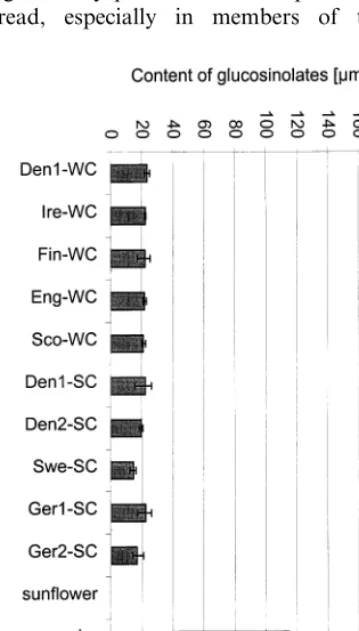
Schuster and Friedt, 1998). Three different glu-cosinolates were determined in the CSOC. Gluco-camelinin (10-methylsulfinyldecyl-Gls) is the main glucosinolate accounting for 62 – 72% of the total glucosinolates. This is in accordance with other investigations (Lange et al., 1995; Schuster and Friedt, 1998). The other glucosinolates were 9-methylsulfinylnonyl-Gls (9-MSG) and 11-methyl-sulfinylundecyl-Gls (11-MSG). In most samples the content of 11-MSG was higher than the con-tent of 9-MSG. The work of Lange et al. (1995) shows the same results, however different results were reported by Schuster and Friedt (1998). The content of total glucosinolates in the CSOC ranged from 14.5 to 23.4 mmol/g (Fig. 1). The
content in the corresponding seed ranged from 9 to 19 mmol/g. This was less than reported from
earlier investigations (Lange et al., 1995; Schuster and Friedt, 1998).
When compared with other oilseeds from the family of Brassicaceae, the content of glucosino-lates in CSOC was moderate to low (Fig. 1). It is of particular importance that enzymatic hydrolyse of the Camelina glucosinolates produce exclu-sively non-volatile isothiocyanates, because of the long side-chains of the compounds. The seeds contain no progoitrin, that forms the toxic goitrin. The formation of goitrin homologues is unlikely, because the aglucones of glucosinolates
fromCamelinacontain no OH groups (Schumann
and Sto¨lken, 1996). Investigations of Nishie and Daxenbichler (1980) show that the toxicity of short-chain sulfinyl-glucosinolates like glucoiberin is comparable with the toxicity of sinigrin or progoitrin. Glucosinolates with longer side-chains should have a smaller effect (Schumann and Sto¨lken, 1996). Thus, from the nutritional point of view, the effect of glucosinolates in CSOC can be considered as comparable or rather smaller than the effect of glucosinolates of rapeseed products.
The content of glucosinolates is dependent on the origin of the seed. The highest content of glucosinolates was found in the samples from winter cultivars from Denmark (Taastrup) and
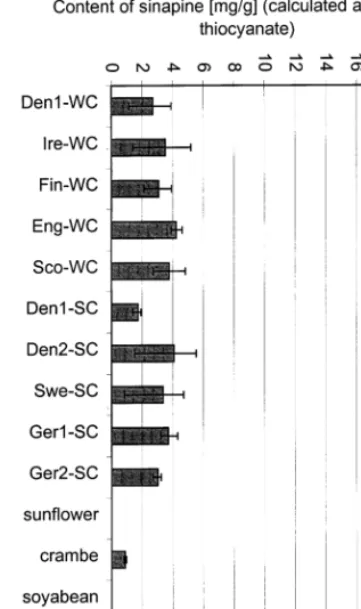
Fig. 2. Content of sinapine in different samples ofCamelina oilseed cake.
3.2. Sinapine
Sinapine is the bitter constituent of different oilseeds from the family of Brassicaceae. This compound in feed for egg-lying hens can cause fishy taint of eggs (Pearson et al., 1980; Butler et al., 1982). Oilseeds from other families than Bras-sicaceae do not contain sinapine (Mattha¨us, 1997). The present investigation disclosed that the content of sinapine in CSOC ranged from 1.7 to 4.2 mg/g (Fig. 2). Large differences were found between the samples from different localities. The highest content of sinapine was recorded in the samples of winter cultivars from England (Tad-caster) and in the samples of summer cultivars from Denmark (Borris). The lowest content of sinapine was found in samples of summer culti-vars from Denmark (Taastrup).
Due to the pressing, the content of sinapine was higher in the CSOC than in the corresponding seeds with the oil. This was due to the accummu-lation of sinapine in the residues.
The amount of sinapine in CS seed and CSOC was significantly smaller (PB0.05) when com-pared with other Brassicaceae, such as rapeseed or mustard, with sinapine contents of 7 and 13 mg/g, respectively (Mattha¨us, 1997) (Fig. 2). Thus some adverse effects of sinapine from CSOC appears unlike.
3.3. Inositol phosphates
Inositol hexaphosphate (phytic acid (IP6)) rep-resents the major storage form of phosphorus in plants. In animal, but also in human nutrition IP6 is responsible for different antinutritive effects such as forming insoluble complexes with nutri-tionally important minerals (Fe, Zn, Mg, Ca). This is due to the strong chelating properties of phytic acid, interaction with proteins or the for-mation of complexes with digestive enzymes (Thompson, 1990). During food processing, stor-age and germination of seeds, IP6 is chemically or enzymatically dephosphorylated. Degradation products with fewer phosphate groups (IP5 to IP1) bound to the inositol ring are formed. The ability of these products to form complexes with minerals or proteins is much smaller than that of from Germany (Mu¨llheim-Basel). The lowest
con-tent of glucosinolates was found in the samples from summer cultivars originating from Sweden (Uppsala) and from Germany (Paderborn). One of the reasons for the differences could be various sulphur content in the soil. Sulphur is necessary for the formation of glucosinolates during the biosynthesis. Thus at locations with high sulphur content in the soil the formation of glucosinolates may be higher.
IP6 (Jackman and Black, 1951; Kaufman and Kleinberg, 1971). Recent research shows that IP6 prevents and possibly reverses carcinogenesis (Graf and Eaton, 1993; Shamsuddin, 1995). Inosi-tol is considered to work as a hypocholesterolemic agent (Jariwalla et al., 1990). Its ability to prevent renal stone formation (Sharma, 1986) as well as its antioxidative properties have also been re-ported (Graf and Eaton, 1990).
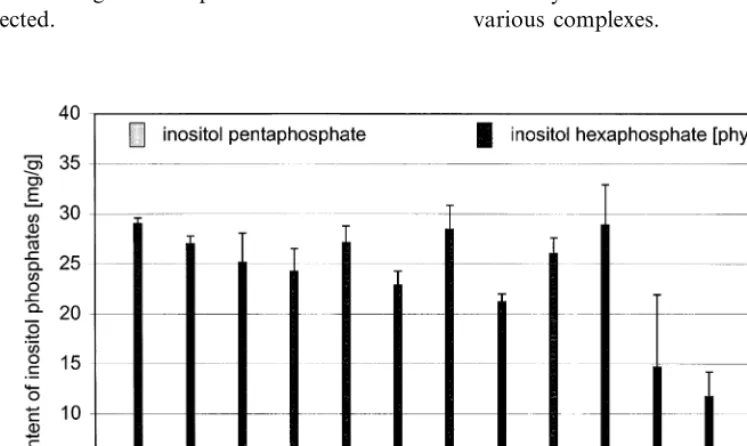
In the CSOC under investigation the content of total inositol phosphates ranged from 21.9 to 30.1 mg/g (Fig. 3). The variation in the content of inositol phosphates can be ascribed to the sample origin. The highest content of inositols was dis-closed in the samples of winter cultivars from Denmark (Taastrup) and of summer cultivars from Sweden (Uppsala) and Germany (Pader-born). The lowest content of inositols was found in the samples of summer cultivars from Germany (Mullheim-Basel) and Denmark (Borris).
Besides the main inositol phosphate IP6 a small amount of IP5 was found in all samples (0.7 – 1.5 mg/g). Other degradation products of IP6 were not detected.
During seed pressing an accumulation of the inositol phosphates in the residue took place. The content of total inositol phosphates in the CSOC was about 30 – 40% higher than in the correspond-ing seeds.
A comparison with rapeseed with an inositol phosphate content of about 17.4 mg/g shows that the occurrence of these compounds varied much more in Camelina seed (Fig. 3). This could pro-duce a possible relationship between inositol phosphates and protein as well as the minerals in CSOC during digestion.
3.4. Condensed tannins
Phenolic compounds such as phenolic acids and tannins were found to lower the digestibility of feeds in non-ruminants (Martin-Tanguy et al., 1977; Clandinin and Robblee, 1981) and rumi-nants (Kumar and Singh, 1984). The antidigestive effect was ascribed to reaction with proteins, en-zymes or essential amino acids after enzymatic or non-enzymatic oxidation and the formation of various complexes.
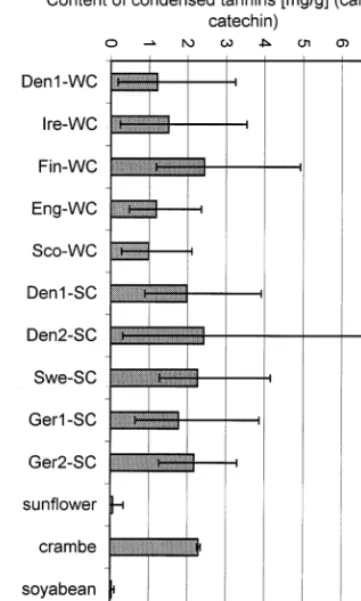
Fig. 4. Content of condensed tannins in different samples of Camelinaoilseed cake.
The content was about 30 – 60% lower than in the seeds. Seed pressing caused a reduction of the condensed tannins.
Compared to other oilseeds, such as soybeans or sunflower the content of condensed tannins in CS seed was significantly higher (PB0.05). It was, however, comparable with crambe (2.28 mg/
g) and mustard (1.52 mg/g). Significantly larger (PB0.05) amounts of condensed tannins were found in rapeseed (3.84 mg/g) (PB0.05) (Fig. 4) (Mattha¨us, 1997).
The total amount of tannins in CSOC was relatively low and therefore a correspondingly low nutritional interference can be expected.
3.5. Hea6y metals
In the present work the content of the heavy metals cadmium, zinc and nickel was determined in CSOC. For the different samples an average amounts of 179.4 mg Cd/kg, 3.3 mg Ni/kg and
68.8 mg Zn/kg were found. A great variation between the different samples was given by the origin (Fig. 5). The combined effects of climatic and soil conditions undoubtedly exerted a signifi-cant effect (PB0.05) on the accumulation of heavy metals in the seed. The largest content of cadmium was found in seed of winter cultivars from Ireland (Carlow) while the lowest content of cadmium was recorded in samples of CS winter cultivars from Scotland (Aberdeen) and of CS summer cultivars from Denmark (Borris) and from Sweden (Uppsala).
While for zinc the effect of the cultivation locality was very small, for nickel and especially for cadmium the differences caused by the origin of the seed were large. The analyses for nickel show a very large increase in the content of the metal in samples of winter cultivars from Scotland (Aberdeen). The lowest content of nickel was found in samples of summer cultivars from Den-mark (Borris) and from Germany (Paderborn).
It was also obvious that the amounts of cad-mium within one locality varied much more than for the other heavy metals.
The seeds contained 125.4 mg/kg, 2.4 and 49.9
mg/kg, of cadmium, nickel and zinc, respectively. Compared with the whole seed the content of the The vanillin method that was used in the
present investigation is specific for flavanols and dihydrochalcones that possess a single bond at the 2,3-position of the pyran ring and free OH groups at positions 5 and 7 of the benzene ring (Sarkar and Howarth, 1976).
investigated heavy metals in CSOC increased by 30%. In conformity with this observation the heavy metals cannot penetrate into the oil during the pressing (Kloke, 1992; Bru¨ggemann, 1996).
The influence of heavy metals on humans and animals varies considerably and depends on the particular metal. The biological functions can be essential, non-essential and toxic (Bergmann, 1988). Cadmium and nickel are non-essential and potentially toxic to plants. They have a strong phytotoxic effect in low concentrations and can be hazardous for man. Zinc, however belongs to the essential heavy metals and is a component in over 200 enzymes and proteins. With reference to pub-lished data (Deostate, 1981; Bell, 1995; Bru¨gge-mann, 1997) the content of zinc in CS seed is comparable with other oilseeds such as rapeseed, linseed, sunflower, mustard, safflower and soy-beans. When compared with 40mg/kg cadmium in
rapeseed (Bru¨ggemann, 1997), the content of this metal in CS seed was higher. It was however lower than in sunflower seed with 300mg/kg and
linseed with 570mg/kg (Bru¨ggemann, 1997).
Com-pared with data of Bru¨ggemann (1997), the con-tent of nickel in CS seed was similar to sunflower seed with 2.7 mg/kg, while it was lower than in rapeseed with 0.39 mg/kg and in linseed with 0.95 mg/kg.
Considering the generally very low content of cadmium and a low content of zinc and nickel, it can be expected that the adverse effects of the metals on the biological value ofCamelinaoilseed cakes in feeds will be limited. The specific role of zinc in metabolism and its presence in CSOC can be considered as an advantage supporting the acceptance of CSOC as a component of fodder mixtures for animals.
4. Conclusions
The present investigation identified a number of compounds in CS seed and CSOC with possible adverse effects on living organisms. Attention was paid to the interrelationship between the specific constituents and the biological value of the CSOC when used as a feed component. Generally, the qualitative parameters including the content of glucosinolates, sinapine, condensed tannins, inosi-tol phosphates and heavy metals, indicates that the biological value of CSOC is not affected by these compounds. However, certain interactions between phytic acid and condensed tannins, on the one hand and protein and minerals on the other hand can occur in the diet. The actual nutritional effects of these components have to be determined by biological testing. The climatic and
soil conditions exerted considerable effects on the content of the different components in CS seed and CSOC.
Acknowledgements
The present investigation was carried out within the framework of research project AIR3-CT94-2178. This project was supported by European Commission, DG VI/F.II.3. The authors thank Dr J. Bru¨ggemann, Bundesanstalt fu¨r Getreide-, Kartoffel- und Fettforschung, Detmold, Germany for determining the content of heavy metals.
References
Bell, J.M., 1995. Meal and by-product utilization in animal nutrition. In: Kimber, D., McGregor, D.I. (Ed.), Brassica Oilseeds Production and Utilization, CAB International, pp. 305.
Bergmann, W., 1988. Erna¨hrungssto¨rungen bei Kultur-pflanzen-Entstehung visuelle und analytische Diagnose. Gustav Fischer Verlag, Stuttgart, pp. 222 – 236.
Bjerg, B., Olsen, O., Rassmussen, K.W., Sorensen, H., 1984. New principles of ion-exchange techniques suitable to sam-ple preparation and group separation of natural products prior to liquid chromatography. J. Liquid Chromatogr. 7, 691 – 707.
Bo¨hme, H., Aulrich, K., Schumann, W., Fischer, K., 1997. Untersuchungen u¨ber die Eignung von Leindotter-preßkuchen als Futtermittel 1. Mitteilung: Futterwert und Einsatzgrenzen bei der Fu¨tterung von Schweinen. Fett/
Lipid 99, 254 – 259.
Bru¨ggemann, J., 1996. Cadmium-Gehalte in heimischen O8lsaaten 1995 — Cadmium content in oil seeds harvested in Germany 1995. Annual Report Bundesanstalt fu¨r Ge-treide-, Kartoffel- und Fettforschung.
Bru¨ggemann, J., 1997. Schwermetalle in Raps und anderen O8lsaaten-Heavy metals in rapeseeds and other oilseeds. Annual Report Bundesanstalt fu¨r Getreide-, Kartoffel- und Fettforschung, pp. 51 – 53.
Budin, J.T., Breene, W.M., Putnam, D.H., 1995. Some compo-sitional properties ofCamelina(Camelina sati6aL.Crantz) seeds and oils. J. Am. Oil Chem. Soc. 72, 309 – 315. Butler, E.J., Pearson, A.W., Fenwick, G.R., 1982. Problems
which limit the use of rapeseed meal as a protein source in poultry diets. J. Sci. Food Agric. 33, 866 – 875.
Clandinin, D.R., Robblee, A.R., 1981. Rapeseed meal in animal nutrition: II. Non-ruminant animals. J. Am. Oil Chem. Soc. 58, 682 – 686.
Clausen, S., Olsen, O., Sorensen, H., 1983. Separation of aromatic choline esters by high performance liquid chro-matography. J. Chromatogr. 260, 193 – 199.
Clausen, S., Larsen, L.M., Plo¨ger, A., 1985. In: Sorensen, H. (Ed.), Aromatic Choline Esters in Rapeseed, vol. 11. Mar-tinus Nijhoff/Dr W. Junk, Dordrecht, pp. 61 – 71. Deostate, Y.G., 1981. Trace element composition of common
oilseeds. J. Am. Oil Chem. Soc. 58, 988 – 990.
Fiebig, J.H., Jo¨rden, M., 1990. HPLC of desulfoglucosino-lates. J. High Resolut. Chromatogr. Chromatogr. Com-mun. 13, 377 – 379.
Friedt, W., Bu¨chsenschu¨tz-Nothdurft, A., Bickert, C., Schus-ter, A., 1994. Zu¨chterische und produktionstechnische Bearbeitung von Lein und Leindotter in Hinblick auf eine Verwendung als nachwachsender Rohstoff. Vortr. Pflanzenzu¨chtg. 30, 158 – 172.
Graf, E., Eaton, J.W., 1990. Antioxidant functions of phytic acid. Free Radic. Biol. Med. 8, 61 – 69.
Graf, E., Eaton, J.W., 1993. Suppression of colonic cancer by dietary phytic acid. Nutr. Cancer 19, 11 – 19.
Hebard, A., 1998.Camelina sati6a— a pleasurable experience or another false hope? Lipid Technol. 81 – 83.
Jackman, R.H., Black, C.A., 1951. Solubility of iron, alu-minium, calcium, and magnesium inositol phosphates at different pH values. Soil Sci. 72, 179 – 186.
Jariwalla, R.J., Sabin, R., Lawson, S., Herman, Z.S., 1990. Lowering of serum cholesterol and triglycerides and modu-lation of divalent cations by dietary phytate. J. Appl. Nutr. 42, 18 – 25.
Kaufman, H.W., Kleinberg, T., 1971. Effect of pH on calcium binding by phytic acid and its inositol phosphoric acid derivations on the solubility of their calcium salts. Aral. Oral Biol. 16, 445 – 460.
Kellner, O., Fingerling, G., 1943. Die Erna¨hrung der land-wirtschaftlichen Nutztiere, 10 edition. Paul Parey. Kling, M., 1928. Die Handelsfuttermittel. Eugen Ulmer. Kloke, A., 1992. Ursachen und Bewertung von
Bodenbelas-tungen in Deutschland. Schriftenreihe HLBS: Immissionen und Altlasten in der Landwirtschaft, 137, pp. 7 – 45. Kno¨rzer, K.-H., 1978. Entwicklung und Ausbreitung des
Lein-dotters (Camelina sati6as.l.). Ber. Deutsch. Bot. Ges. 91, 187 – 195.
Ko¨rber-Grohne, U., 1987. Leindotter (Camelina sati6a [L.] Crantz). Konrad Theiss Verlag, pp. 389 – 396.
Korsrud, G.O., Keith, M.O., Bell, J.M., 1978. A comparison of the nutritional value of crambe andCamelinaseed meals with egg and casein. Can. J. Anim. Sci. 58, 493 – 499. Kumar, R., Singh, M., 1984. Tannins: their adverse role in
ruminant nutrition. J. Agric. Food Chem. 32, 447 – 453. Lange, R., Schumann, W., Petrzika, M., Busch, H.,
Mar-quard, R., 1995. Glucosinolate in Leindottersamen. Fat Sci. Technol. 97, 146 – 152.
Lebzien, P., Daenicke, R., Aulrich, K., Bo¨hme, H., Einhoff, K., 1997. Untersuchungen u¨ber die Eignung von Leindot-terpreßkuchen als Futtermittel, 2. Mitteilung: Futterwert und Einsatzgrenzen bei der Fu¨tterung von Wiederka¨uern. Fett/Lipid 99, 405 – 409.
Mattha¨us, B., 1997. Antinutritive compounds in different oil-seeds. Fett/Lipid 99, 170 – 174.
Mattha¨us, B., Lo¨sing, R., Fiebig, H.-J., 1995. Determination of inositol phosphates IP3-IP6 in rapeseed and rapeseed meal by an HPLC method. 1. Method Fat Sci. Technol. 97, 289 – 291.
Nishie, K., Daxenbichler, M.E., 1980. Toxicology of glucosi-nolates, related compounds (nitriles, R-Goitrin, isothio-cyanates) and vitamin U found in cruciferae. Fd. Cosmet. Toxicol. 18, 159 – 172.
Official Journal L 115, 04/05/1999. EC Council Directive 1999/29/EF of 22 April 1999.
Pearson, A.W., Butler, E.J., Fenwick, G.R., 1980. Rapeseed meal and egg taint: the role of sinapine. J. Sci. Food Agric. 31, 898 – 904.
Price, M.L., Van Scoyoc, S., Butler, L.G., 1978. A critical evaluation of the vanillin reaction as an assay for tannin in sorghum grain. J. Agric. Food Chem. 26, 1214 – 1218. Putnam, D.H., Budin, J.T., Field, L.A., Breene, W.M., 1993.
Camelina: a promising low-input oilseed. In: Janick, J., Simon, J.E. (Eds.), New Crops. Wiley, New York, pp. 314 – 322.
Sarkar, S.K., Howarth, R.E., 1976. Specificity of the vanillin test for flavanols. J. Agric. Food Chem. 24, 317 – 320. Schumann, W., Sto¨lken, B., 1996. Glucosinolate content and
type ofCamelina sati6a seed. VDLUFA-Schriftenr. Kon-gressband Trier 44, 233 – 236.
Schuster, A., Friedt, W., 1998. Glucosinolate content and composition as parameters of quality of Camelina seed. Ind. Crops Prod. 7, 297 – 302.
Seehuber, R., 1984. Genotypic variation for yield- and quality-traits in poppy and false flax. Fette Seifen Anstrichmittel 86, 177 – 180.
Shamsuddin, A.M., 1995. Inositol phosphates have novel anti-cancer function. J. Nutr. 125, 725S – 732S.
Sharma, R.D., 1986. Phytate and the epidemiology of heart disease, renal calculi and colon cancer. In: Graf, E. (Ed.), Phytic acid Chemistry and Applications, Pilatus Press, pp. 161.
Statgrafics® Statgraphics Statistical Graphics System version 4.0 STSC Inc. and Statistical Graphics Corporation 1985 – 1989.
Thompson, L.U., 1990. Phytates in canola/rapeseed. In: Shahidi, F. (Ed.), Canola and Rapeseed Production, Chemistry, Nutrition and Processing Technology. Van Nostrand Reinhold, New York, pp. 171 – 192.
Zubr, J., 1993. New source of protein for laying hens. Feed Compounder 23 – 25.
Zubr, J., 1997. Oil – seed crop: Camelina sati6a. Ind. Crops Prod. 6, 113 – 119.
Zubr, J., Matzen, R., 1996. Mixed vegetable and diesel oil as fuel. Proceedings of the 9th European Bioenergy Confer-ence, Copenhagen, Denmark, 24 – 27 June 1996, Oxford: Pergamon/Elsevier Science, pp. 1644 – 1663.