Edriagus Saputra1, Zakiyah2, Nana Gustianda3, Alven Putra4, Eka Eramahi5
1Institut Agama Islam Sumatera Barat, 2,4Institut Agama Islam Negeri Curup Bengkulu, 3Sekolah Tinggi Agama Islam Negeri Mandailing Natal, 5Sekolah Tinggi Ilmu Tarbiyah Ahlussunnah Bukittinggi
Jl. Kolonel Anas Malik By Pass, Kota Pariaman, Sumatera Barat
E-mail: [email protected], [email protected], [email protected], [email protected], [email protected]
Abstract: This research aims to determine the quality of the hadith and the understanding of the Ulama which is the main foundation for the people of Jorong Lubuk Alung, Agam Regency, to carry out the sadakah basorakan tradition which is considered an act of ridicule for other communities. This study uses the library research method of hadith which is the main foundation of the sadakah basorakan tradition. Primary data sources, namely the book mu'jam Al-Mufahras li Al-Hadith, Tis'ah pole, book of rijalul hadith and books of syarah hadith. While the secondary sources are books, related journal articles. The results of the study show that the hadith which is the basis for the community in carrying out the sadakah basorakan tradition has a dhaif status, because there is a hadith sanad who has been harassed by the scholars. But the Nasa'i priest considers this hadith to be a hasan lighairihi hadith, even though this hadith has the status of dhaif and there are no other hadiths that support it to rise to the status of hasan lighairihi hadith, this hadith does not conflict with other hadiths, the verses of the Qur'an or ijma' scholars. In terms of the understanding of scholars, this hadith can be practiced as a motivation in worship, especially in alms giving for the people of Jorong Lubuk Alung, Agam Regency.
Keywords: Sadakah Basorakan, Takhrij Hadith, Culture
Abstract: Riset ini bertujuan untuk mengetahui kualitas hadis dan pemahaman ulama yang menjadi landasan utama bagi masyarakat Jorong Lubuk Alung Kabupaten Agam melaksanakan tradisi sadakah basorakan yang dianggap sebagai perbuatan riya bagi masyarakat lain. Penelitian ini menggunakan metode library reserach terhadap hadis yang menjadi landasan utama tradisi sadakah basorakan. Sumber data primer, yaitu kitab mu’jam Al- Mufahras li Al-Hadits, kutubus Tis’ah, kitab rijalul hadis serta kitab-kitab syarah hadis. Sedangkan yang menjadi sumber sekunder buku, artikel jurnal yang terkait. Hasil penelitian menunjukan bahwa hadis yang menjadi landasan bagi masyarakat dalam melaksanakan tradisi sadakah basorakan berstatus dhaif, karena terdapat seorang sanad hadis yang terkena jarh oleh para ulama. Namun imam Nasa’i menilai hadis ini sebagai hadis hasan shahih, walaupun hadis ini berstatus dhaif dan tidak ada hadis lain yang mendukungnya untuk naik berstatus hadis hasan lighairihi, akan tetapi ini hadis ini tidak ada bertentangan dengan hadis lain, ayat-Qur’an maupun ijma’
ulama. Dari segi pemahaman ulama, hadis ini dapat diamalkan sebagai motivasi dalam beribadah terkhususnya dalam sedekah basorakan bagi masyarakat Jorong Lubuk Alung Kabupaten Agam.
Kata Kunci: Sadakah Basorakan, Takhrij Hadith, Budaya
INTRODUCTION
The Minang area is an area in the West Sumatra region and is inhabited by the largest ethnic group in Indonesia known as the Minangkabau people. The Minangkabau people have always adhered to and referred to their philosophy Adaik Basandi Syara', Syara' Basandi Kitabullah (Zulfadli et al., 2021) the purpose of this philosophy is to say that the Customs that develop in the Minang Realm refer to Religion and Religion refers to the Book of God (Al-Qur'an). Therefore, the Minangkabau people in carrying out activities and traditions cannot be separated from the teachings of Islam, so that the acculturation dialectics between Islam and local culture is very strongly felt in the traditional activities of the Minang people. (Saputra & Mhd. Zulfadli, 2021).
Tradition is an activity carried out by the local community continuously and if it is not carried out, then something is lacking in its implementation. (Saputra, 2019). Among the forms of activities carried out by the Minangkabau people and acculturation between Islam and local culture (Zulfadli et al., 2021), such as the Maulid Nabi Tradition, the Isra' and Mi'raj Traditions, the Tradition of Decorating Sacrificial Animals and others. All of these traditions are carried out by the local community by collaborating between the teachings of Islam and the local culture of the region.
One area that is still strong in terms of carrying out its traditions and acculturation between Islamic teachings and local culture, namely Jorong Lubuk Alung, Ampek Nagari
District, Agam Regency, West Sumatra Province. And the form of tradition that still exists and is still carried out by the people of Lubuk Alung until now is the Sadakah Basorakan Tradition.
Sadakah Basorakan is a form of habit of the people of Lubuk Alung in spending their wealth in the way of Allah. Because alms is a form of concern for Muslims towards the underprivileged, so they can share with each other. (Rafi, 2019).
According to Ibn Abbas, that Allah commands his servants to spend the best, best and most valuable of his wealth and vice versa Allah strictly forbids his servants to give charity with trivial and lowly things, because Allah is good and does not accept good things. (Tim Ahli Tafsir, 2018a). As contained in the Al-Qur'an letter Al- Baqarah: 261 which explains the reward for those who give their wealth in the way of Allah, namely:
The example of those who spend their wealth in the cause of Allah is that of a grain that sprouts into seven ears, each bearing one hundred grains. And Allah multiplies ˹the reward even more˺ to whoever He wills. For Allah is All-Bountiful, All-Knowing (Q.S. Al- Baqarah: 261).
According to Ibn Kathir, the parable made by Allah about multiplying the reward (reward) for those who spend their wealth in the way of Allah, . The goal is to get the
pleasure of Allah, then they will get goodness from Allah starting from 10 to 700 times the goodness. (Tim Ahli Tafsir, 2018a). In the parable of people who give charity to hope for the pleasure of Allah and for the steadfastness of their souls, Allah has given a picture like a field that is located on a plateau which is never dry and arid, because it is always watered by heavy rain or only drizzling rain, but still produces good fruit. good, as Allah has explained in surah al-Baqarah verse 265.
And the example of those who donate their wealth, seeking Allah’s pleasure and believing the reward is certain,1 is that of a garden on a fertile hill: when heavy rain falls, it yields up twice its normal produce. If no heavy rain falls, a drizzle is sufficient. And Allah is All- Seeing of what you do. (Q.S. al-Baqarah:
265).
However, the alms procession carried out by the people of Lubuk Alung is an activity that is different in other places or regions. Because the implementation of sadaqah basorakan is carried out at certain moments where many people gather in one place and is carried out on religious activities, such as the Birthday of the Prophet Muhammad, Isra' Mi'raj, Friday, Eid al-Fitr and Eid al-Adha.
When the author collected preliminary data by conducting interviews
with Nagari Bawan guardian employees as well as Lubuk Alung community leaders, he said "The sadakah basorakan tradition is an activity that has been carried out for a long time from generation to generation and with a procession like this the alms collected will be much more than the traditional rituals. charity as usual."
(Marliyus, Interview, Desember 2022).
This is also corroborated by the opinion of local clerics who say, "that sadaqah basorakan is a form of competition for the community to do good deeds, especially in charity, so that with these activities the people here are motivated to spend their wealth in the way of Allah. This activity was guided by one person who was entrusted and entrusted by the people here. The person who guides will convey the name of the person who gives alms and the amount of alms he gives. (Tk. Sidi Ali Basar, Interview, 2021)
The implementation of sadakah basorakan by the people of Lubuk Alung is something that can provide motivation for the local community to spend their wealth in the way of Allah. However, this activity appears to contradict the verses of the Al- Qur'an regarding the prohibition of mentioning what is given in charity, as explained in the Al-Qur'an, namely:
O believers! Do not waste your charity with reminders ˹of your generosity˺ or hurtful words, like those who donate their wealth just to show off and do not believe in Allah or the Last Day. Their example is that of a hard barren rock covered with a thin layer of soil hit by a strong rain—leaving it just a bare stone. Such people are unable to preserve the reward of their charity. Allah does not guide ˹such˺ disbelieving people.
(Q.S. al-Baqarah: 264).
In the verse above, it is very clear that Allah describes that in order for alms given in the way of Allah, one should avoid behavior such as hurting the feelings of the recipient, riya and mentioning it to others. The behavior of mentioning alms to others is one of the actions that can damage the reward of that kindness. (Tim Ahli Tafsir, 2018b). However, alms giving by mentioning this is something that is common and commonplace for the people of Lubuk Alung, Ampek Nagari District, Agam Regency, even with the sadakah basorakan tradition it will have an impact on the large amount of alms received. In fact, according to Tuanku Rahmat, a local scholar, said that the form of alms that was carried out was a form of understanding the hadith of the Prophet to compete in giving alms and racing against each other. However, from another hadith, the Prophet also explained about the implementation of good charity and does not have an impact on damaging
the reward, as contained in the hadith of the Prophet narrated by Bukhari and Muslim, namely:
ملعت لا تىح ،اهافخأف ٍةقدصب قَّدصت ٌلجرو … هنييم قفنُت ام هُلاشم هيلع ٌقفتم .
.
...and someone who issues sadaqah and then hides it so that his left hand does not know what his right hand emits. (HR.
Muttafaqun alaih). (Imam Al-Mundziri, 2017).
Meanwhile, the scholars and the local community also have the main foundation in carrying out sadakah basorakan which comes from the hadith of the Prophet Muhammad, as stated by Tuanku Munaf, he said "that sadakah basorakan is a tradition of the Syatariyah and Naqsabandiyah people in the Padang Pariaman area and its surroundings in collecting alms. And the main basis for this sadaqah basorakan is taken from the hadith of the prophet Muhammad which says, namely ... the alms race between Umar bin Khattab and Abu Bakr Ash- Shiddiq. However, I forgot the pronunciation of the hadith and this hadith describes competing in charity.
(Tuangku Munaf, Interview, 2022).
Departing from the explanation above, that the activities carried out by the people of Lubuk Alung in terms of Sadakah Basorakan appear to be contrary to the Verses of the Qur'an and the Hadith of the Prophet Muhammad, because the alms that are carried out contain acts of intentional riya by means of basoration (mentioning) the name and amount that is given. donated. Because charity that is
accompanied by an act of riya will have an impact on destroying the reward of the charity and can abort the reward for those who donate it. Therefore, the activities carried out by the people of Lubuk Alung in the Sadakah Basorakan procession are something that can be realized in the form of research, so that one can get a complete understanding of the meaning of the sadakah basorakan procession, the origins of the sadakah basorakan tradition, the implementation procession, community understanding and the values contained in the sadakah basorakan tradition in the Lubuk Alung community.
If we refer back to previous studies, this study has not yet been found in the form of scientific work. Then, the author conducted an online search of scientific works, and found several scientific works on alms traditions, including: (1) Living Hadith: The Tradition of Alms Wraps on Fridays by the Sijum Amuntai Community by Muhammad Rafi from the Sunan Kalijaga State Islamic University. This research discusses the Nasi Bungkus alms tradition which is carried out on Fridays by the Sijum Amuntai community. This activity is carried out by the community with the aim of helping each other on Friday. Sijum stands for Nasi Hari Jum'at. This research produced 2 functions for the Sijum community, namely the internal function:
producing as a heart calmer, increasing faith and enhancing social life, external function: as a form of obedience to Allah and social relations between communities.
(Rafi, 2019b); (2) Acculturation of Islam and Local Culture (Case Study of Earth Alms in Karang Ploso Village, Plandaan District, Jombang Regency. This research is an article by Qurrotul Ainiyah and Ayu Mira Mardani from STIT Al Urwatul Wutsqo Jombang. This research discusses earth alms in Karang Ploto Village Jombang Regency, this activity is one of the traditional rituals carried out from generation to generation as a sign of respect for the land as a source of life and a form of gratitude to Allah (Ainiyah &
Mardani, 2019); (3) Acculturation of Islam with Javanese Culture in the Sea Alms Ritual at Pedalen Beach, Kebumen Regency. This research is an article by Firdaningsih from the Purwokerto State Islamic Institute. The results of this study explain the Sea alms ritual for the local community which is carried out continuously as a form of gratitude to Allah for the sustenance given and a form of request to Allah to be given abundant sustenance and to avoid all the dangers that occur at sea. (Hartono & Firdaningsih, 2019); (4) Disorder of Leaving Friday Prayers on Eid Al-Fitr (Study of Takhrij Hadith). This research is an article written by Edriagus Saputra et al who examined the study of takhrij hadith. The results of this study explain the quality of the hadith related to the relief (kerukhsahan) given to the Muslim community in the Friday prayer which coincides with the Idain holiday. Based on the quality of the hadith, the hadith has the status of dhaif, because some of its sanad has been plundered by
the scholars and contradicts Surah Al- Jumu'ah: 9 from the point of view of the hadith's matan. However, from the point of view of the scholars' understanding of the hadith, the scholars agree that it is permissible to leave Friday prayers as long as there is an illat according to syar'i and it is forbidden to leave Friday prayers without a valid excuse, because sunnah worship cannot cancel worship.
mandatory. Then, after being referred back to the asbab al-wurud (the reason why the hadith appeared), because the community settlements at that time were very far from the mosque as the place for the Idain and Friday prayers, so they were given waivers not to perform the Friday prayers at that time. but it is still obligatory to perform the noon prayer.
(Saputra et al., 2020).
Based on the research described above, that the similarities with the research that the author wants to do are both discussing related to the alms tradition carried out by the community in the local area. As for the differences in the research that the writer will do, namely first, it has differences in terms of the object of research study and the research that the writer will do is the sadakah basorakan tradition found in the people of Jorong Lubuk Alung, Agam Regency. Third, there are differences in terms of the research model, in that this research is a study of takhrij hadith on the main basis used by the community in carrying out the sadakah basorakan tradition in Jorong Lubuk Alung, Agam Regency.
METHOD
This research is a library research study on hadith which is the basis of society in carrying out the alms basorakan tradition in the people of Jorong Lubuk Alung, Bawan District, Ampek Nagari District, Agam Regency. In this research will discuss related to the study of takhrij hadith (the study of sanad and matan) as well as the understanding of the scholars in the implementation of alms which is the main foundation for the people of Jorong Lubuk Alung, Agam Regency. The technique in this research is to trace the hadith through Mu'jam al-Mufahras fiy Nabawiy Hadith which is the basis for the implementation of alms basorakan. Then, the author will perform takhrij on the sanad and matan as well as the scholars' understanding of the hadith. Next, the writer will draw conclusions from the results of the research.
RESULTS AND DISCUSSION
Quality of Hadith about Sadakah Basorakan
Based on searching the hadith sanad which discusses sadakah basorakan, it aims to find hadith texts that have the same meaning based on hadith books. There are so many hadiths of the Prophet Muhammad that have been tertakhrij by scholars, so when you want to track them down one by one based on existing hadith books, it is very difficult and takes a long time to find the hadith you are looking for. Therefore, in order to make it easier to search for the hadith you want to find, the author divides several
stages in analyzing the quantity of hadith sanad, as for the hadith that you want to trace in this study, based on the results of interviews with respondents about the implementation of the sadakah basorakan tradition, a fragment of the hadith translation is obtained, namely... the alms competition between Umar bin Khattab and Abu Bakar Ash-Shiddiq, after tracking through the help of the internet, a fragment of the hadith was found, namely:
َقَّدَصَتَ ن ْنَأ اًمْوَ ي َمَّلَسَو ِهْيَلَع َُّللَّا ىَّلَص َِّللَّا ُلوُسَر َنََرَمَأ ...
ْنِإ ٍرْكَب َبََأ ُقِبْسَأ َمْوَ يْلا ُتْلُقَ ف يِدْنِع ًلااَم َكِلَذ َقَفاَوَ ف ىَّلَص َِّللَّا ُلوُسَر َلاَقَ ف ِلِاَم ِفْصِنِب ُتْئِجَف اًمْوَ ي ُهُتْقَ بَس ِهْيَلَع َُّللَّا وُبَأ ىَتَأَو َلاَق ُهَلْ ثِم ُتْلُ ق َكِلْهَِلِ َتْيَقْ بَأ اَم َمَّلَسَو
ُهَدْنِع اَم ِ لُكِب ُهْنَع َُّللَّا َيِضَر ٍرْكَب
…
... Rasulullah ordered us to give alms, and this coincided with the existence of the property that I have. Then I say; if I can get ahead of Abu Bakr one day then today I will get ahead of him. Then I came with half of my wealth, then Rasulullah shallallahu 'alaihi wasallam said: "What did you leave for your family?" I said; the same treasure. He said; then Abu Bakr came with everything he had...
The next step is to find the basis of the hadith against the matan hadith through the help of the book Mu'jam Al-Mufahras li Al- Fazh Al-Hadith al-Nabawiy by AJ. Wensinck.
In order to conduct a search of the hadith, the author determines the keywords (keywords) contained in the hadith matan, thus making it easy to search for the hadith.
The specified keywords are using the word
قَّدَص
which is taken from the wordَقَّدَصَتَ ن
found in the hadith mat, and the word
قبس
which comes from the word
ُقِب ْسَأ
which is found in the hadith matan. The reason for choosing these two words is because they have important aspects contained in the hadith matan and as a main theme in research on sadakah basorakan.Based on the snippet of the hadith matan above, the writer conducts a search using the specified keywords, then the author refers to the book Mu'jam Al- Mufahras by searching for the keyword قَّدَص, then the hadith is obtained in accordance with the previous hadith fragment, namely:
صتن نأ الله لوسر نَرمأ ةاكز :ىد...قد
: بقانم :ت
Meanwhile, using the keyword
قبس
which was searched with the help of the book Al-Mu'jam Al-Mufahras, it was found as follows:
بقانم:ت...اموي هتقبس نا ركب بَأ قبسأ مويلا تلقف ١٦ ةاكز :د, ٤٠
ةاكز:ىد, ٢٦
From the instructions for the book Mu'jam al-Mufahras, it can be seen that: the letter د is the code used to denote the book of Sunan Abu Daud, based on the hadith found in Abu Daud, that the hadith is found in the Zakah chapter
(ةاكز)
with the hadith number 40th. The letterت
is the code indicating that the hadith is found in the book of Sunan Tirmidhi, based on the search performed, the hadith is found in chapterبقانم
with the 16th hadith number.Then the letter ىد is the code used to indicate the book Sunan Ad-darimi/Musnad Ad-Darimi, based on a search conducted through the book Mu'jam al-Mufahras, that
the hadith is found in the
ةاكز
chapter with the 26th hadith number.After getting the hadiths through the help of the book Mu'jam Al-Mufahras li Al- Fazh Al-Hadits Al-Nabawiy, the next step is to trace the hadiths directly to the primary source book (Tis'ah pole) indicated by the book Mu'jam based on the given symbol/code.
First, the hadith found in the book Al-Jami'ul Saghir or Sunan Tirmidhi which is the work of Imam Abi Isa Muhammad bin Isa bin Saurah, the author found in juz 5, chapter number 16 hadith sequence 3675 with the editorial pronunciation as follows:
ُلْضَفْلا اَنَ ثَّدَح ُّيِداَدْغَ بْلا ُزاَّزَ بْلا َِّللَّا ِدْبَع ُنْب ُنوُراَه اَنَ ثَّدَح َنَ ثَّدَح ٍْيَْكُد ُنْب ْنَع َمَلْسَأ ِنْب ِدْيَز ْنَع ٍدْعَس ُنْب ُماَشِه ا
ُلوُقَ ي ِباَّطَْلْا َنْب َرَمُع ُتْعَِسَ لاَق ِهيِبَأ َِّللَّا ُلوُسَر َنََرَمَأ
ًلااَم يِدْنِع َكِلَذ َقَفاَوَ ف َقَّدَصَتَ ن ْنَأ َمَّلَسَو ِهْيَلَع َُّللَّا ىَّلَص َبََأ ُقِبْسَأ َمْوَ يْلا ُتْلُقَ ف ُتْئِجَف َلاَق اًمْوَ ي ُهُتْقَ بَس ْنِإ ٍرْكَب
اَم َمَّلَسَو ِهْيَلَع َُّللَّا ىَّلَص َِّللَّا ُلوُسَر َلاَقَ ف ِلِاَم ِفْصِنِب ُهَدْنِع اَم ِ لُكِب ٍرْكَب وُبَأ ىَتَأَو ُهَلْ ثِم ُتْلُ ق َكِلْهَِلِ َتْيَقْ بَأ َق َكِلْهَِلِ َتْيَقْ بَأ اَم ٍرْكَب َبََأ َيَ َلاَقَ ف ََّللَّا ْمَُلَ ُتْيَقْ بَأ َلا
اًدَبَأ ٍءْيَش َلَِإ ُهُقِبْسَأ َلا َِّللَّاَو ُتْلُ ق ُهَلوُسَرَو اَذَه َلاَق
ٌحيِحَص ٌنَسَح ٌثيِدَح
( Al-Tirmidzi, 1971)
Second, the hadith contained in the book Sunan Abu Daud which is the work of Imam Abi Daud Sulaiman bin Asy'ast Al- Azhdayi Al-Sijistaniy, the author found in Juz 2, number 40 Chapter Rukhshah fiy Zalik
(كلذ في ةصخرلا ببَ)
with the serial number of the 1675th hadith, with the editorial lafazd of the hadith as follows:ُناَمْثُعَو ٍحِلاَص ُنْب ُدَْحَْأ اَنَ ثَّدَح اَذَهَو َةَبْ يَش ِبَِأ ُنْب
ُنْب ُماَشِه اَنَ ثَّدَح ٍْيَْكُد ُنْب ُلْضَفْلا اَنَ ثَّدَح َلااَق ُهُثيِدَح َنْب َرَمُع ُتْعَِسَ َلاَق ِهيِبَأ ْنَع َمَلْسَأ ِنْب ِدْيَز ْنَع ٍدْعَس ُلوُقَ ي ُهْنَع َُّللَّا َيِضَر ِباَّطَْلْا َُّللَّا ىَّلَص َِّللَّا ُلوُسَر َنََرَمَأ
يِدْنِع ًلااَم َكِلَذ َقَفاَوَ ف َقَّدَصَتَ ن ْنَأ اًمْوَ ي َمَّلَسَو ِهْيَلَع ُتْئِجَف اًمْوَ ي ُهُتْقَ بَس ْنِإ ٍرْكَب َبََأ ُقِبْسَأ َمْوَ يْلا ُتْلُقَ ف اَم َمَّلَسَو ِهْيَلَع َُّللَّا ىَّلَص َِّللَّا ُلوُسَر َلاَقَ ف ِلِاَم ِفْصِنِب ُ ق َكِلْهَِلِ َتْيَقْ بَأ َُّللَّا َيِضَر ٍرْكَب وُبَأ ىَتَأَو َلاَق ُهَلْ ثِم ُتْل
ِهْيَلَع َُّللَّا ىَّلَص َِّللَّا ُلوُسَر ُهَل َلاَقَ ف ُهَدْنِع اَم ِ لُكِب ُهْنَع ُهَلوُسَرَو ََّللَّا ْمَُلَ ُتْيَقْ بَأ َلاَق َكِلْهَِلِ َتْيَقْ بَأ اَم َمَّلَسَو َبَأ ٍءْيَش َلَِإ َكُقِباَسُأ َلا ُتْلُ ق
Third, the hadith contained in
ًد
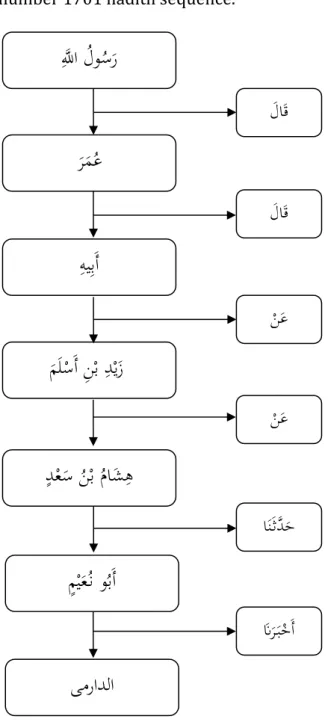
Musnad Adh-Darimi or better known as Sunan Adh-Darimi which is the work of Imam Al-Hafidz Abu Muhammad Abdullah bin Abdurrahman bin Al-Fadhal bin Haram Adh-Darimi, the author found in the second Juz with hadith number The 26th chapter of
هدنع ام عيمبج قدصتي لجرلا
(Al-Rajulu Yatasaddaku bi Jami'i Maa 'Beautiful) number 1701 hadith sequence, with the hadith editor's lafadz as follows:
ِنْب ِدْيَز ْنَع ٍدْعَس ُنْب ُماَشِه اَنَ ثَّدَح ٍمْيَعُ ن وُبَأ َنََرَ بْخَأ ِهيِبَأ ْنَع َمَلْسَأ َِّللَّا ُلوُسَر َنََرَمَأ َلاَق َرَمُع ُتْعَِسَ َلاَق
ًلااَم َكِلَذ َقَفاَوَ ف َقَّدَصَتَ ن ْنَأ َمَّلَسَو ِهْيَلَع َُّللَّا ىَّلَص اًمْوَ ي ُهُتْقَ بَس ْنِإ ٍرْكَب َبََأ ُقِبْسَأ َمْوَ يْلا ُتْلُقَ ف يِدْنِع َّلَص َِّللَّا ُلوُسَر َلاَقَ ف ِلِاَم ِفْصِنِب ُتْئِجَف ِهْيَلَع َُّللَّا ى
ٍرْكَب وُبَأ ىَتَأَف َلاَق ُهَلْ ثِم ُتْلُ ق َكِلْهَِلِ َتْيَقْ بَأ اَم َمَّلَسَو
َلاَقَ ف َكِلْهَِلِ َتْيَقْ بَأ اَم ٍرْكَب َبََأ َيَ َلاَقَ ف ُهَدْنِع اَم ِ لُكِب
ٍءْيَش َلَِإ َكُقِباَسُأ َلا ُتْلُقَ ف ُهَلوُسَرَو ََّللَّا ْمَُلَ ُتْيَقْ بَأ
اًدَبَأ
Ranji Sanad Hadith scheme
The hadith narrated by Imam Tirmidhi which is found in the book Al- Jami'ul Saghir or Sunan Tirmidhi which is the work of Imam Abi Isa Muhammad bin Isa bin Saurah, the author found in the 5th juz, chapter number 16
Figure 1. Schematic of Sanad Hadith Tirmidhi
The hadith narrated by Abu Daud found in the book Sunan Abu Daud which is the work of Imam Abi Daud Sulaiman bin Asy'ast Al-Azhdayi Al-Sijistaniy, the author found in Juz 2, number 40 Chapter Rukhshah fiy Zalik
(كلذ في ةصخرلا ببَ )
withthe serial number of the 1675th hadith
Figure 2. Sanad Hadith Abu Daud Hadith History of Imam Adh- Darimi found in the book Musnad Adh- Darimi or better known as Sunan Adh-
َِّللَّا ُلوُسَر ِباَّطَْلْا َنْب َرَمُع
ُّيِداَدْغَ بْلا ُزاَّزَ بْلا َِّللَّا ِدْبَع ُنْب ُنوُراَه
ِهيِبَأ
َمَلْسَأ ِنْب ِدْيَز
ٍدْعَس ُنْب ُماَشِه ٍْيَْكُد ُنْب ُلْضَفْلا
يذمترلا
َلاَق َلاَق ْنَع ْنَع اَنَ ثَّدَح
اَنَ ثَّدَح اَنَ ثَّدَح
ُلوُسَر َِّللَّا
ِباَّطَْلْا َنْب َرَمُع
دواد بِا َةَبْ يَش ِبَِأ ُنْب ُناَمْثُعَو
ِهيِبَأ
َمَلْسَأ ِنْب ِدْيَز ٍدْعَس ُنْب ُماَشِه
ٍحِلاَص ُنْب ُدَْحَْأ َلاَق
َلاَق ْنَع ْنَع اَنَ ثَّدَح
اَنَ ثَّدَح ٍْيَْكُد ُنْب ُلْضَفْلا
اَنَ ثَّدَح
Darimi which is the work of Imam Al- Hafidz Abu Muhammad Abdullah bin Abdurrahman bin Al-Fadhal bin Haram Adh-Darimi, the author found in Juz second with Hadith Number 26 Chapter
هدنع ام عيمبج قدصتي لجرلا
(Al-RajuluYatasaddaku bi Jami'i Maa 'Beautiful) number 1701 hadith sequence.
Figure 3. Adh-Darimi Sanad Hadith Based on the chain of sanad that has been sorted according to the hadith
narrated by the narrators, namely Imam Tirmidhi, Imam Abu Daud and Imam Adh- Darimi, then to see the meetings of the sanad hadith, the author describes in the form of a combined hadith chain chain, as follows:
Takhrij Sanad Hadith
Research on the hadith about the basorakan tradition in the people of Jorong Lubuk Alung Kenagarian Bawan, Ampek Nagari District, Agam Regency, West Sumatra Province. This hadith is used and research is carried out on the sanad and matan hadiths which are the basis that the people of Jorong Lubuk Alung hold in carrying out sadakah basorakan activities. Therefore, in conducting research, the author is guided by the principles of the validity of the hadith sanad as revealed by Ibn Shalah quoted in the book Usul Al-Hadith the work of Muhammad 'Ajjaj Al-Khatib, namely:
دنسلما وه حيحصلا ثيدلحا لقنب هدانسإ لصتي يذلا
نوكي لاو هاهتنم لَا طباضلا لدعلا نع طباضلا لدعلا لالعم لاو اذاش
Sahih hadith is a hadith whose musnad is muttasil (up to the Messenger of Allah) narrated by a person who is just and dhabit and received from a person who is just and dhabit until the end of the sanad, does not have Syadz and does not have an illat.
(Edriagus Saputra, 2016, p. 78)
Based on this, in this study three hadith narrations were found, namely Abu
َِّللَّا ُلوُسَر
َلاَق
ِهيِبَأ َرَمُع
َمَلْسَأ ِنْب ِدْيَز ٍدْعَس ُنْب ُماَشِه
ٍمْيَعُ ن وُبَأ ىمرادلا
َلاَق
ْنَع
ْنَع
اَنَ ثَّدَح
َنََرَ بْخَأ
Daud, Tirmidhi and Adh-Darimi.
Therefore, the hadith that will be the object of research in takhrij hadith is the narration from Abu Daud, because the hadith is the highest level of hadith found.
As the hadith as follows:
اَذَهَو َةَبْ يَش ِبَِأ ُنْب ُناَمْثُعَو ٍحِلاَص ُنْب ُدَْحَْأ اَنَ ثَّدَح ُنْب ُماَشِه اَنَ ثَّدَح ٍْيَْكُد ُنْب ُلْضَفْلا اَنَ ثَّدَح َلااَق ُهُثيِدَح َمُع ُتْعَِسَ َلاَق ِهيِبَأ ْنَع َمَلْسَأ ِنْب ِدْيَز ْنَع ٍدْعَس َنْب َر
ُلوُقَ ي ُهْنَع َُّللَّا َيِضَر ِباَّطَْلْا َُّللَّا ىَّلَص َِّللَّا ُلوُسَر َنََرَمَأ
يِدْنِع ًلااَم َكِلَذ َقَفاَوَ ف َقَّدَصَتَ ن ْنَأ اًمْوَ ي َمَّلَسَو ِهْيَلَع ُتْئِجَف اًمْوَ ي ُهُتْقَ بَس ْنِإ ٍرْكَب َبََأ ُقِبْسَأ َمْوَ يْلا ُتْلُقَ ف ِلِاَم ِفْصِنِب اَم َمَّلَسَو ِهْيَلَع َُّللَّا ىَّلَص َِّللَّا ُلوُسَر َلاَقَ ف
َُّللَّا َيِضَر ٍرْكَب وُبَأ ىَتَأَو َلاَق ُهَلْ ثِم ُتْلُ ق َكِلْهَِلِ َتْيَقْ بَأ ِهْيَلَع َُّللَّا ىَّلَص َِّللَّا ُلوُسَر ُهَل َلاَقَ ف ُهَدْنِع اَم ِ لُكِب ُهْنَع ِلْهَِلِ َتْيَقْ بَأ اَم َمَّلَسَو ُهَلوُسَرَو ََّللَّا ْمَُلَ ُتْيَقْ بَأ َلاَق َك
اًدَبَأ ٍءْيَش َلَِإ َكُقِباَسُأ َلا ُتْلُ ق
(Imam Abi Daud Sulaiman bin Asy’ast Al- Azhdayi Al-Sijistaniy, 1998)
In the hadith above, there are several people who narrated this hadith, namely Abiihi, Zaid bin Aslam, Hisham bin Sa'ad, Abu Nuim Al-Fadal bin Dukain, Ahmad bin Shalah and Uthman Bin Abi Syaibah. Furthermore, the author will conduct research on the hadith sanad contained in the hadith narrated by Imam Abu Daud. This research will be carried out by examining the data and evaluation of scholars on narrators and recipients of hadith in order to examine the mutation of
the sanad and the authenticity of the narrators using three source books of rijalul hadith, namely the Book of tahzibul Al-Kamal fi Asma'i al-Rijal by Imam Al - Hafidz Jamaluddin Abu Al-Hajjaj Yusuf Ibn Al-Zaki Abdurrahman Ibn Yusuf Ibn Ali Ibn Abdul Malik Ibn Ali Ibn Abi Al-Zuhri Al-Kalby Al-Qadha'i Al-Mizzi, Al-Jarh wa Ta'dil by Imam Ibn Abi Hatim Al-Razi and Mizan al-'Itidal fi Naqd Al-Rijal by Abi Abdillah Muhammad bin Ahmad bin Uthman Al-Dzahabi. In this research, the author does not perform takhrij on Rasulullah who is the source of the hadith and friends and mukharij, namely Umar bin Khattab and Abu Daud, because they are considered to be fair in the opinion of the majority of scholars, while the mukharij is someone whose credibility is unquestionable as a hadith narrator.
(Edriagus Saputra, 2016).
The biodata from the sanad is first, Abiihi, namely his full name Aslam Al- Qurasiy Al-'Adawiy, Abu Khalid said, that Abu Zaid Al-Madaniy was the Maula of Umar bin Khattab. He died in 80 H in Medina. Hadith from Aslam Al-Qurasiy was obtained through his teachers, namely Abu Bakr Al-Siddiq Abdullah bin Abi Quhafah, Abdullah bin Umar bin Khattab, Uthman bin Affan, Ka'ab Al- Ahbar, Mu'awiyah bin Syofyan, Mughirah bin Syaibah and others. Meanwhile, his students who received hadith from him were Zaid bin Aslam, Al-Qasim bin Muhammad bin Abi Bakr al-Siddiq, Muslim bin Jundib Al-Huzaliy and Nafi' Maula Ibn Umar. (Al-Hafidz Jamaluddin
Abi Al-Hajjaj Yusuf Al-Mizzi, 1983d).
Based on the information found, Aslam bin Al-Qurasiy Al-'Adawiy has a direct relationship between the teacher and his students, so it is considered a muttasil sanad.
According to Ijaliy, he is a Tsiqah (ةقث), Abu Zur'ah also said, that aslam as a Tsiqah (ةقث) person.(Al-Hafidz Jamaluddin Abi Al-Hajjaj Yusuf Al-Mizzi, 1983d).
Based on this information, that the scholars' assessment of him was that no one did jarh against him and all the scholars considered him a Tsiqah person, so it can be concluded, that Aslam Al- Qurasiy Al-'Adawiy is a Fair person and a Dhabit.
Second, Zaid Bin Aslam, whose full name is Zaid bin Aslam Al-Qurasiy Al- 'Adawiy Maula Umar bin Khattab, he is a maid (maula) of Umar bin Khattab. He was born in and died in 136 H at the age of 66 years.(Al-Hafidz Jamaluddin Abi Al-Hajjaj Yusuf Al-Mizzi, 1983c) Hadith from Zaid bin Aslam was obtained through his teachers, namely Ibn Umar, Anas , His father, Yahya bin Sa'id, 'Ubaidillah bin Umar, Al-Tsauri, Malik and Mu'amar.
(Imam Hafidz Abi Muhammad Abdurrahman bin Abi Hatim Muhammad bin Idris, 1971) while his student, namely Abdullah bin Ja'far Al-Madaniy, Hisham bin Sa'ad, Yahya bin Sa'ad Al-Ansariy and others (Al-Hafidz Jamaluddin Abi Al-Hajjaj Yusuf Al-Mizzi, 1983c). Based on the analysis of this information, that Zaid bin Aslam studied with his own father named Aslam Abu Usamah and his student
Hisham bin Sa'ad was Muttasil, because he had a direct relationship between teacher and student.
Ibn 'Adiy called him a Tsiqah Hujjah (Abi 'Ubaidillah Muhammad bin Ahmad bin Uthman Al-Dzahabi, 1963, p.
98)
( ةجح ةقث ),
Suil said, that Zaid bin Aslam was a Tsiqah, Abdul Rahman said, that Zaid bin Aslam is a Tsiqah(ةقث)
andaccording to Abdurrahman bin Zaid bin Asamah, he is said to be a Tsiqah
(ةقث)
.(Imam Hafidz Abi Muhammad Abdurrahman bin Abi Hatim Muhammad bin Idris, 1971). Based on the above information related to the analysis of justice and dhabitan Zaid bin Aslam, that the majority of scholars consider him a just and dhabit, because none of the scholars plundered him.
Third, Hisham bin Sa'ad, namely His full name Hisham bin Sa'ad Al- Madaniy Abu 'Ibadi, he is the maula of Ali Abi Lahab. He died in 160 H. (Al-Hafidz Jamaluddin Abi Al-Hajjaj Yusuf Al-Mizzi, 1983a) He got hadiths through his teacher, namely Hatim bin Abi Nasr, Ziyad, Zaid bin Aslam, Sa'id bin Abi Sa'id Al- Muqairiy, Sa'id bin Abi Sa'id Al-Halal and others. While those who narrated the hadith from him, namely Asbat bin Muhammad Al-Qurasiy, Ja'far bin Aun, Ishaq bin Sawar, Hamad bin Khalid Al- Kayyat, Abu Nuim Al-Fadal bin Dukain and others. (Al-Hafidz Jamaluddin Abi Al- Hajjaj Yusuf Al-Mizzi, 1983a). Based on the information above, that Hisham bin
Sa'ad has a direct relationship with teachers and students, so Hisham bin Sa'ad is considered a muttasil.
Abu Hatim said, that Hisham bin Sa'ad was not Hafidz
( دعس نب ماشه نكي لم ظفالحبَ),
according to Abas Al-Durriy, that Hisham bin Sa'ad was Dhaif(فيعض)
, AbuZar'ah judged him with Shuduq
( هلمح خيش قدصلا ),
Imam Nasa'i said, Hisham bin Sa'ad is Dhaif(فيعضلا),
(Imam Al-Hafidz Syihabuddin Abi Fadhl Ahmad bin Ali bin Muhammad bin Hajar Al-Saqalaniy, 1983) Abu Daud judged Not Tsiqah( ةقث سيل )
,(ImamAl-Hafidz Syihabuddin Abi Fadhl Ahmad bin Ali bin Muhammad bin Hajar Al-Saqalaniy, 1983) Mu'awiyah bin Shalah said, Hisham bin Sa'ad as a person who was not too strong
( يوقلا نكيلا ).
Based on the information obtained through tracing, the majority of Hisham bin Sa'ad were considered as Dhaif and only a few scholars considered shuduq.
Based on the opinion of the scholars, that the sanad affected by jarh, even though there are many menta'dil, then the person concerned has a disability in terms of justice and dhabit. (Saputra et al., 2020) Therefore, it can be concluded that Hisham bin Sa'ad considered as a dhaif.
Fourth, Al-Fadal bin Dukain, namely the full name Umar bin Hamad bin Zuhair bin Dirham Al-Qurasiy Al-Taimiy Al-Talhiy. His laqab is better known as Al- Fadal bin Dukain.(Al-Hafidz Jamaluddin Abi Al-Hajjaj Yusuf Al-Mizzi, 1983a) He
was born in 130 H and died in 218 H. (Al- Hafidz Jamaluddin Abi Al-Hajjaj Yusuf Al- Mizzi, 1983a) Hadith was obtained through his teachers, namely Ibrahim bin Nafi' Al-Makkiy, Ishaq bin Sa'id Al-Qurasiy, Daud bin Qais Al-Farad, Dalham bin Shalah, Hisham bin Sa'ad, Yahya bin Ma'ain and others. (Al-Hafidz Jamaluddin Abi Al-Hajjaj Yusuf Al-Mizzi, 1983a) While his students, namely Al-Bukhariy, Ibrahim bin Ishaq Al-Harabiy, Ahmad bin Muhammad bin Musa Al-Kindiy, Uthman bin Muhammad bin Abi Syaibah, Ismail Al- Tirmidhi, Ahmad bin Shalah and others.
(Al-Hafidz Jamaluddin Abi Al-Hajjaj Yusuf Al-Mizzi, 1983a). Based on the information above, that Al-Fadhal bin Dukain has a relationship between the teacher and his students, so that the hadith he conveys is considered as a muttasil.
Abu Naim said, he was a Tsiqah, Thabit and Shuduq
( قدص و تبث , ةقث
). AbdulSamad bin Sulaiman Al-Balqiy, Abu Nuim is a Tsiqah
(ةقث)
, Shuduq and his hadith can be used as Hujjah( حاجحلل ةقث قدص )
, AbuDaud considers him a Shuduq
(قدص)
. (Al-Hafidz Jamaluddin Abi Al-Hajjaj Yusuf Al- Mizzi, 1983a). Based on this information, Al-Fadhal bin Dukain was not one of the scholars who looted him, so he was declared a just and dhabit person.
Fifth, Ahmad Bin Shalah, namely the full name of Abu Ja'far Al-Misri Al- Hafidz Al-Tsabit. He was born in 170 H, (Abi Abdillah Muhammad bin Ahmad bin Uthman Al-Dzahabiy, 1983a) and died in
248 H. (Abi 'Ubaidillah Muhammad bin Ahmad bin Uthman Al-Dzahabi, 1963) The hadith was obtained through his teacher, namely Ibrahim bin Hajjaj, Syofyan Ibn Uyainah, Ibn Wahab, Ashab Abdul Razak, Ali bin Husain Ibn al-Junaid, Abi Nu'am Al- Fadl bin Dukain, Yahya bin Muhammad Al- Jariy and others. (Al-Hafidz Jamaluddin Abi Al-Hajjaj Yusuf Al-Mizzi, 1983b) While his students, namely Al-Bukhari, Abu Daud, Ibrahim bin Umar bin Tsauriy, Shalah bin Muhammad Al-Baghdadiy and others. (Al-Hafidz Jamaluddin Abi Al- Hajjaj Yusuf Al-Mizzi, 1983b).
Based on the information obtained, that Ahmad bin Shalah has a relationship between the teacher and his students, so he is considered a muttasil sanad.
According to Al-Bukhariy, that Ahmad bin Shalah was a Tsiqah and Shuduq
( قدص و ة قث )
,(Al-Hafidz Jamaluddin Abi Al-Hajjaj Yusuf Al-Mizzi, 1983b, p.343) Ahmad bin Abdullah bin Shalah Al- Ijliy said , that Ahmad bin Shalah was a Tsiqah
(ةقث),
(Al-Hafidz Jamaluddin Abi Al- Hajjaj Yusuf Al-Mizzi, 1983b) according to Yahya bin Ma'in, that Ahmad bin Shalah was a liar( فسلفتي باذك لحاص نب دحْا ),
according to Abdul Karim bin Ahmad bin Syu'ib Al-Nasa'i said, that Abu Ja'far Al- Misriy was not a Tsiqah and could not be trusted
( نومأم لا و ةقثب سيل ).
(Al-Hafidz Jamaluddin Abi Al -Hajjaj Yusuf Al-Mizzi, 1983a)Based on the information that has been traced, that Ahmad bin Shalah was looted by many scholars, because some
considered him to be dishonest and a liar.
With this, Ahmad bin Shalah is considered a sanad who is Dhaif, so he is considered unfair and dhabit.
Sixth, Uthman Bin Abi Syaibah, namely his full name Uthman bin Muhammad bin Ibrahim bin Uthman bin Khawasiti Al-Absiy Abu Hasan bin Abi Syaibah Al-Kuffiy,(Al-Hafidz Jamaluddin Abi Al-Hajjaj Yusuf Al-Mizzi, 1983a) but is better known by the name Uthman bin Abi Syaiban.(Abi Abdillah Muhammad bin Ahmad bin Uthman Al-Dzahabiy, 1983b) he died in the month of Muharram 239 H.(Abi Abdillah Muhammad bin Ahmad bin Uthman Al-Dzahabiy , 1983b) Hadith was obtained through his teacher, namely Ubaidillah bin Musa, Muawiyah bin Hisham, Yazid bin Harun, Yahya bin Yaman, Abi Nu'am bin Fadh bin Dukain and others.(Al-Hafidz Jamaluddin Abi Al- Hajjaj Yusuf Al-Mizzi, 1983a, pp. 479–480) Whereas his students who narrated hadiths from him, namely Bukhariy, Muslim, Abu Daud, Ibn Majah, Ibrahim bin Asbat bin SakanAl-Baghdadiy and others.(Al-Hafidz Jamaluddin Abi Al-Hajjaj Yusuf Al-Mizzi, 1983a)
Based on the information that has been obtained, Uthman bi Abi Syaibah has a direct relationship between the student and his teacher. Therefore, it can be concluded that Ustman bin Abi Syaibah is considered a muttasil sanad.
The assessment of the scholars of Uthman bin Abi Syaibah's justice and dhabit, namely: Yahya bin Ma'in said, that Ustman bin Abi Syaibah was Tsiqah and
Shuduq
( قودص و ةقث )
, according to Abdullah bin Rahman bin Abi Hatim, Ustman bin Abi Syaibah was Shuduq(قودص)
, Ahmad bin Abdullah Al-Ijliy, said Ustman bin Abi Syaibah as a Tsiqah(ةقث)
.(Al-Hafidz Jamaluddin Abi Al-Hajjaj Yusuf Al-Mizzi, 1983a)Based on the assessment of these scholars, it can be concluded that Ustman bin Abi Syaibah was a Tsiqah and Shuduq person and none of the scholars committed jarh against him, so he was considered to have justice and habit as a hadith narrator.
So, based on the history of Ahmad bin Shalah and Uthman bin Abi Syaibah as two people who narrated the hadith from Abi Nu'am bin Fadhal bin Dukain, it can be concluded that the narration from Ahmad bin Shalah is unacceptable, because he was exposed to jarh by the scholars so that it is flawed in terms of justice and dhabitan.
Whereas Uthman bin Abi Syaibah can be accepted, because none of the scholars plundered him, so he can be concluded as a just person and his dhabit and history can be accepted.
Based on the researcher's investigation of the sanad hadith narrated by Abu Daud about the Dalil sadaqah basorakan carried out by the people of Jorong Lubuk Alung, it can be concluded:
because one of the sanad hadiths is considered to be flawed in terms of justice and dhabit, the status of the hadith is considered dhaif. Sanad who has jarh from the scholars of the hadith is Hisham bin Sa'ad. Likewise the hadith narrated by
Imam Tirmidhi and Ad-dharimi, because this hadith was also narrated by Hisham bin Sa'ad, the hadith is also dhaif from all its paths.
Takhrij Content Hadith
Based on the results of research related to the status of the hadith used by the people of Jorong Lubuk Alung regarding basorakan alms, that from a sanad point of view the hadith has defects at the level of Hisham bin Sa'ad, because there are scholars who commit jarh against him.
Meanwhile, from the point of view of the validity of the hadith, suing the author is not worth dhaif, because there are verses of the Qur'an that strengthen this hadith, as contained in Al-Qur’an:
and for every nation there is its (own) Qiblah which it faces towards it. So compete (in making) goodness. wherever you are, surely Allah will gather you all (on the Day of Judgment). Verily Allah is Powerful over all things. (QS. Al-Baqarah: 148)
In addition, in theAl-Qur’an, it also explains:
if you Show (your) alms, Then it is very good.
and if you hide it and you give it to poor
people, then hiding it is better for you. and Allah will erase from you some of your sins;
and Allah knows what you do. (Q.S. al- Baqarah: 271).
If you look at the verse above, that every human being is ordered to compete in goodness, because every deed that is carried out in this world will be collected and accounted for in the final yaumil. In addition, this hadith has no contradictions with other hadiths or verses of the Qur'an, so the writer concludes that this hadith can be practiced and used as evidence in fastabiqul khairat (competition in goodness). In addition, based on researchers' investigations of hadiths made by scholars and the people of Jorong Lubuk Alung, Agam Regency, that this hadith is contained in the books of Sunan Abi Daud, Sunan Tirmidzi and Sunan Darimi. Based on the opinion of Imam Tirmidhi, that he stated that the hadith is authentic and can be practiced, (Imam Abi Daud Sulaiman bin Asy'ast Al-Azhdayi Al-Sijistaniy, 1998) whereas in Imam Tirmidhi's book entitled Jaami 'Sahih Sunan Al -Tirmidhi, that said in his book regarding this hadith, namely hasan sahih. (Abi Isa Muhammad bin Isa bin surah Al-Tirmidhi, 1971)
Asbab Al-Wurud Hadith
Based on a search of the asbab al- Wurud hadith regarding the hadith which was used as the argument by scholars and the public for alms basorakan in jorong Lubuk Alung, Agam Regency. The story of Abu Bakar Ash Shiddiq and Umar bin Khattab who competed in goodness was the order of the Prophet during the tabuk war.
(Shaykh Maulana Muhammad Zakariya Al- Khandahlawi, n.d.) At that time, the Prophet Muhammad advised all his companions to give charity specifically. Listening to the call, the friends spent their wealth according to their abilities with enthusiasm and passion and even exceeded their abilities.
When the Prophet called on his friends to give alms, Umar bin Khattab took out his wealth and handed it over to the Prophet. In his heart Umar said, if one day I can exceed Abu Bakar Ash Shidiq, then I will go home very happy. So the Messenger of Allah, O Umar, is there anything you left for your family?, then Umar replied, yes Rasulullah. Then the Prophet asked again, what did you leave?, then Umar replied: I left for them half of my property. Next came Abu Bakr Ash Shidiq who also brought all his wealth to the Messenger of Allah, so the Messenger of Allah asked, O Abu Bakr: what did you leave for your family?, then Abu Bakr replied: I left it for them Allah and His Messenger. Seeing this, Umar said: I will never beat Abu Bakr in charity. (Imam Abi Daud Sulaiman bin Asy'ast Al-Azhdayi Al- Sijistaniy, 1998).
According to Shaykh
Shafiyyurrahman Al-Mubarakfuri, he explained in his book entitled Ar-Rahiqul Makhtum, Bahtsun fi As-Sirah An- Nabawiyah ala Shahibina Aidhalish Salati wa Sallam, that Rasulullah calls and orders every Muslim to prepare themselves to fight against the troops Rome, then every Muslim at that time was competing to participate in preparing to go to war. Besides that, they are also competing to spend their wealth
and give alms. So at that time, many friends spent their wealth, it seems that Ustman bin Affan 300 camels complete with their transport goods as well as 300 uqiyah and 1000 dinars which were given directly to Rasulullah SAW. Ustaman even added it again, so he donated 900 camels and added 100 horses. In addition, Abdurrahman bin Auf also came to Rasulullah SAW with 200 uqiyah silver. Then Abu Bakr Ash Shiddiq also came with all his wealth and did not torture the family, so he was asked directly by the Prophet: O Abu Bakr, what did you leave behind? Abu Bakr replied: I left Allah and His Messenger. The assets donated by Abu Bakr were worth 4000 dirhams and Abu Bakr was the first person to meet the Prophet and give his wealth. Umar bin Khattab also gave up half of his wealth, Asim bin Adi handed over 70 wasaq dates and added what he had. Apart from that, there were also those who gave one or two mud of dates, because that was what they had and even many Muslim women gave their jewelery to Rasulullah. (Syaikh Shafiyyurrahman Al-Mubarakfuri, 2020)
Ulama's Understanding of the Hadith Sadakah Basorakan
Alms is something that is recommended for Muslims, in addition to providing benefits for their wealth and also having benefits for themselves in this world and the hereafter. Giving alms by spending their wealth in the way of Allah SWT, does not reduce their assets, even by giving charity to those in need it can increase their assets, this has been
explained by the Prophet in his hadith, namely:
....لام نم ةقدص تصقن ام
Wealth does not decrease because of alms...
Apart from that, Allah has also described in Al-Qur'an Al-Karim the parable of those who give charity, namely
The parable of those who spend their wealth in the way of Allah is similar to that of a seed that grows seven heads, in each ear a hundred seeds. Allah multiplies (rewards) for whom He wills. and Allah is Extensive (His gifts) and All-Knowing. (Qs.
Al-Baqarah: 261)
In the verse above in the letter Al- Baqarah: 261 clearly explains to his servant, that those who give charity in the way of Allah, Allah will multiply it, both the reward received in this world and in the hereafter. This is believed by everyone who believes in Allah, because in his word Allah also says:
Artinya: Barangsiapa yang mengerjakan kebaikan seberat dzarrahpun, niscaya Dia akan melihat (balasan)nya. (Qs. Al- Zalzalah: 7)
But in terms of carrying out worship to Allah SWT, the things that must be considered for every people of the Prophet Muhammad SAW, namely sincere intentions and in accordance with the provisions contained in the guidance
of Allah and the Messenger of Allah as well as related to the implementation of alms.
The implementation of spending wealth in the way of Allah has been explained in the Qur'an regarding the prohibitions that must be shunned by every people of the Prophet Muhammad in giving alms, so that alms can be accepted as a worship and have a reward in the sight of Allah, as Allah's word is as follows:
Those who spend their wealth in the way of Allah, then they don't accompany what they spend by mentioning the gift and by not hurting (the recipient's feelings), they get a reward from their Lord. there is no concern for them nor do they grieve. (Qs. Al- Baqarah: 262)
Even the Prophet also gave indications to his people, so they can avoid him in spending his wealth in the way of Allah, namely:
ام هلاشم ملعت لا تىح اهافخأف ةقدصب قدصت لجرو هنييم قفنت
…And a man who spends alms secretly, so that his left hand does not know what his right hand gives out. (Muttafaqun Alaih)
However, it is different from the implementation of alms carried out by the companions of the prophet Muhammad.
Once upon a time he was carrying out a war which was also attended by Umar bin Khattab and Abu Bakar Ash Shiddiq. The Messenger of Allah called on all his people
and his companions to take part in the battle in the Tabuk area. At that time, apart from the Prophet calling for the preparation of body and soul, the Messenger of Allah also ordered them to donate their wealth. This is explained in the hadith of the Prophet,
This hadith indicates that Umar bin Khattab showed his alms with the intention of competing and rivaling Abu Bakr Ash-Siddiq, but this does not appear to be something that is prohibited, but rather it is more about competing in goodness, as the verses of the Al-Qur'an explain, that is:
and for every nation there is its (own) Qiblah which it faces towards it. So compete (in making) goodness. wherever you are, surely Allah will gather you all (on the Day of Judgment). Verily Allah is Powerful over all things. (Qs. Al-Baqarah:
148)
In addition, if it is understood that Umar bin Khattab wants to show alms to others, so that outwardly Umar bin Khattab commits an act of extravagance, then the scholars have a different understanding in understanding this hadith, including: According to Abdul Qadir Syaibah Al-Hamd in his work entitled Fiqhul Islam (Syarah Bulughul Maram), it is better to hide alms than to do it openly, but this is permissible as long
as you can protect yourself from extravagant acts if you give alms openly.
(Abdul Qadir Syaibah Al-Hamd, 2005) This is as explained in the Qur'an, namely:
if you Show (your) alms, Then it is very good. and if you hide it and you give it to poor people, then hiding it is better for you.
and Allah will erase from you some of your sins; and Allah knows what you do. (Qs. Al- Baqarah: 271)
Meanwhile, according to Abdullah bin Abdurrahman Al-Bassam in his book entitled Taudhih Al-Ahkam min Bulugh Al- Maram, he explained: In carrying out alms, hiding it is more important than informing it, unless there is superior benefit when the alms are announced, such as being a role model for others in matters of virtue and are sure that they are not mixed up in riyadoing. (Abdullah bin Abdurrahman Al- Bassam, 2006)
In addition, according to Abu Ja'far Muhammad bin Jarir Ath-Tabari in his Tafsir book entitled Tafsir Ath-Tabari, he said: “If you broadcast alms and give it to those who receive it, then that is very good, and if you cover it up and don't broadcast it, if it is given to the poor, that is better for you. (Abu Ja'far Muhammad bin Jarir Ath-Tabari, 2007) According to a history of Bishr who told us, he said: Yazid told us, Sa'id told us from Qatadah, that if you show charity and hide it, then
everything is very good and accepted as long as you have the right intention. (Abu Ja'far Muhammad bin Jarir Ath-Tabari, 2007)
Then according to Hasan, he explained that showing obligatory alms (zakat) is better, and hiding sunnah alms is more afdal for you, because by not showing sunnah alms it shows that someone only hopes for the pleasure of Allah. Ibn Abbas is also of the opinion that Allah multiplies the reward of hidden alms seventy times, and doubles the reward of obligatory alms (zakat) shown twenty times. (Imam Qurthubi, 2008) Meanwhile, according to Imam Al-Qurthubi in his commentary entitled: Tafsir Al-Qurthubi, he said: that there is no need for room for expressing opinions in matters related to this, because there are many hadiths that narrate fadhilah in concealing worship. In the book Sahih Muslim it is narrated: that Rasulullah SAW said: do the most afdhal prayers at home, except for fardhu prayers. This can be understood, that the obligatory prayer does not cause riya to those who perform it, in contrast to sunnah prayers which can cause riya.
(Imam Qurtubi, 2008).
According to Imam Nasa'i, based on the hadith of Rasulullah SAW as narrated by Uqbah bin Amir, that a person who recites the Al-Qur'an is like someone who openly gives alms and someone who recites the Al-Qur'an in a clandestine manner such as people who give alms in secret. (Muhammad Nashiruddin Al- Albani, 2006) According to Ibnu Athiyah,
that in this era giving out obligatory alms in secret is more important, because there are enough people who do not give out alms, so giving out alms is become a riya phenomenon.
However, according to Ibn Arabi, he said, there is no authentic hadith which explains that obligatory alms (zakat) that are done openly are more afdhal than sunnah alms that are done in secret, as well as hidden alms are no better than alms that are shown , who said this was only the opinion of the ijma' of the scholars. (Imam Qurthubi, 2008) Meanwhile, according to Ibn Al-Manayyar, that if issuing alms sunnah in an open way can be a role model and inspire others, without any intention to show off (riya), then giving charity openly is better for him. (Ibnu Hajar Al-Asqalani, 2007)
CONCLUSION
Religion is a very important part of life. With religion, people will understand what they should do, including the main thing is to carry out the commands of Allah Swt. For this reason, the mosque is certainly a place that can facilitate the achievement of this goal. The results of this study concluded that the management carried out by the management of the Al- Huda Mosque had increased the religiosity of the residents of Bandar Selamat village with several activities such as the existence of Islamic study groups, Yasinan, Al-Qur'an educational parks and celebrations. Islamic holidays to streamline well-managed worship
program activities. In this case the mosque management will form a mosque youth with mosque youth candidates to invite the community to strengthen the faith of the people of Bandar Selamat Village. Mosque management is carried out by applying the management cycle namely planning, personal determination, organizing, controlling and supervising.
The implementation of this mosque management should indeed be applied in the modern era, to be able to respond to the times and the demands of society.
Mosque management must also be able to adapt to technological developments and government policies that change all the time.
REFERENCES
Abdul Qadir Syaibah Al-Hamd. (2005).
Fiqhul Islam (Syarah Bulughul Maram): Vol. III. Darul Haq.
Abdullah bin Abdurrahman Al-Bassam.
(2006). Taudhih Al-Ahkam min Bulugh Al-Maram (Vol. 3). Pustaka Azam.
Abi Abdillah Muhammad bin Ahmad bin Utsman Al-Dzahabiy. (1983a).
Miizan Al-I’tidal fiy Naqdil Rijal (I).
Darl Al-Fikr.
Abi Abdillah Muhammad bin Ahmad bin Utsman Al-Dzahabiy. (1983b).
Miizan I’tidal fiy Naqdi Al-Rijal: Vol.
III. Darl Al-Fikr.
Abi Isa Muhammad bin Isa bin surah Al- Tirmidzi. (1971). Sunan Al-Tirmidzi (III). Darl Al-Kutb Al-Ilmiah.
Abi ’Ubaidillah Muhammad bin Ahmad bin Utsman Al-Dzahabi. (1963). Miizan Al-’Itidal fii Naqdi Al-Rijal (II). Darl Al-Fikr.
Abu Ja’far Muhammad bin Jarir Ath- Thabari. (2007). Tafsir Ath-Thabari (Vol. 4). Dar Al- Salam.
Ainiyah, Q., & Mardani, A. M. (2019).
Akulturasi Islam Dan Budaya Lokal (Studi Kasus Tradisi Sedekah Bumi di Desa Karang Ploso Kecamatan Plandaan Kabupaten Jombang). 4, 18.
A.J Wensinck. (1426). Al-Mu’jam Al- Mufahras liy Al-Fazh Al-Hadits Al- Nabawiy. Darl Al-Kutb Al-Ilmiah.
Al-Hafidz Jamaluddin Abi Al-Hajjaj Yusuf Al-Mizzi. (1983a). Tahzib Al-Kamal fi Asma’i Al-Rijal (XIX). Darl Al-Fikr.
Al-Hafidz Jamaluddin Abi Al-Hajjaj Yusuf Al-Mizzi. (1983b). Tahzibul Kamal fi Asma’i fi Rijali (I). Darl Al-Fikr.
Al-Hafidz Jamaluddin Abi Al-Hajjaj Yusuf Al-Mizzi. (1983c). Tahzibul Kamal fiy Asmaai Al-Rijal (VI). Darl Al-Fikr.
Al-Hafidz Jamaluddin Abi Al-Hajjaj Yusuf Al-Mizzi. (1983d). Tahzibul Kamal fiy Asmai Al-Rijal (II). Darl Al-Fikr.
Edriagus Saputra. (2016). Stud Hadis- hadis tentang Shalat Jum’at pada <