Informasi Dokumen
- Penulis:
- Amalia Gina Pertiwi
- Pengajar:
- Prof. Dr. Ir. Wahju Qamara Mugnisjah, M. Agr.
- Sekolah: Institut Pertanian Bogor
- Mata Pelajaran: Arsitektur Lanskap
- Topik: Landscape Management of Bird Park in Taman Mini Indonesia Indah Tourism Area
- Tipe: thesis
- Tahun: 2012
- Kota: Bogor
Ringkasan Dokumen
I. PENDAHULUAN
The introduction outlines the significance of the Bird Park within the Taman Mini Indonesia Indah (TMII) as a vital ex-situ conservation area for Indonesia's avian diversity. It emphasizes the educational role of the park in raising awareness about bird conservation and the importance of landscape management for maintaining habitat quality. The internship program aims to analyze the landscape management issues and develop strategies to enhance the park's management, thus contributing to educational objectives by integrating practical experience with theoretical knowledge.
1.1 Latar Belakang
This section discusses the popularity of bird-watching and the rich diversity of bird species in Indonesia, highlighting the need for conservation efforts due to habitat loss and illegal hunting. It establishes the Bird Park as a crucial educational resource that promotes awareness of avian conservation, aiming to foster a connection between visitors and Indonesia's unique birdlife.
1.2 Tujuan
The objectives of the internship include gaining practical experience in landscape management and identifying issues within the TMII Bird Park's management system. The goal is to formulate recommendations that enhance the park's landscape quality, thereby supporting educational initiatives in conservation and environmental stewardship.
1.3 Manfaat
This section outlines the benefits of the internship for both students and the park management. Students gain hands-on experience and insights into real-world landscape management challenges, while the park receives valuable feedback and strategies for improving its operational practices, ultimately enhancing its educational offerings.
1.4 Kerangka Pikir
The conceptual framework illustrates the relationship between landscape management and ex-situ conservation. It emphasizes the importance of analyzing management, physical, and social aspects to develop effective strategies, thereby reinforcing the educational objectives of the internship by linking theory with practice.
II. TINJAUAN PUSTAKA
This literature review provides foundational knowledge on key concepts related to landscape management, parks, and wildlife conservation. It establishes the theoretical basis for understanding the complexities of managing a bird park, highlighting the interplay between ecological principles and recreational use. This section serves to inform educational strategies by integrating academic theories with practical applications in conservation.
2.1 Lanskap
The section defines landscape as a sensory experience shaped by both natural and human elements. It emphasizes the importance of maintaining ecological integrity while providing aesthetic and recreational value, thereby supporting educational outcomes related to environmental awareness and appreciation.
2.2 Taman dan Taman Satwa
This subsection discusses the role of parks as spaces for recreation and conservation. It highlights the importance of creating safe and aesthetically pleasing environments for both visitors and wildlife, aligning with educational goals by fostering a deeper understanding of biodiversity and conservation practices.
2.3 Rekreasi dan Wisata
Here, the concepts of recreation and tourism are explored, emphasizing their roles in providing enjoyment and education. The discussion on the 'triple A's' of tourism—attraction, accessibility, and amenity—serves to inform strategies for enhancing visitor engagement and educational experiences within the park.
2.4 Pengelolaan dan Pemeliharaan Lanskap
This section details management processes and maintenance strategies essential for effective landscape management. It outlines the need for systematic planning and execution, contributing to educational outcomes by teaching students about the practical aspects of managing natural spaces.
2.5 Burung dan Pengelolaan Habitatnya
The importance of bird conservation and habitat management is discussed, emphasizing the need for both in-situ and ex-situ conservation strategies. This knowledge is crucial for developing educational programs that promote biodiversity and conservation awareness among visitors.
III. METODOLOGI
The methodology section outlines the practical approaches taken during the internship, including data collection and analysis methods. It emphasizes the integration of theoretical knowledge with real-world applications, thereby enhancing educational outcomes by providing students with hands-on experience in landscape management.
3.1 Lokasi dan Waktu Magang
This subsection details the location and duration of the internship at the TMII Bird Park, providing context for the practical experiences gained. Understanding the specific setting is essential for students to relate their theoretical knowledge to real-world applications in landscape management.
3.2 Batasan Studi
This section defines the scope of the internship, focusing on landscape management processes. Establishing clear boundaries helps students concentrate on relevant issues, enhancing their ability to apply theoretical concepts to specific management challenges.
3.3 Metode Kerja
The work methods employed during the internship are described, including direct observation and participation in management activities. This hands-on approach reinforces educational objectives by allowing students to apply their learning in practical settings.
3.4 Metode Analisis
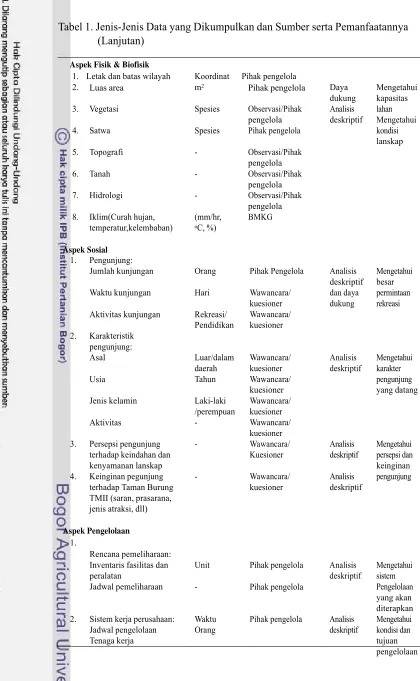
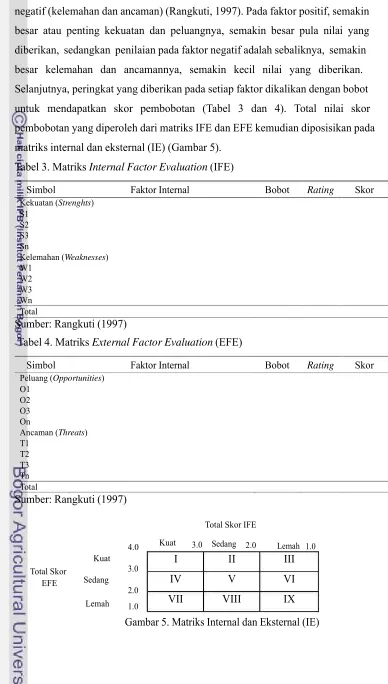
This subsection outlines the analytical methods used to evaluate the data collected. By employing descriptive and SWOT analyses, students learn to assess management effectiveness and develop strategic recommendations, thereby enhancing their analytical skills in a real-world context.
IV. HASIL DAN PEMBAHASAN
The results and discussion section presents the findings from the internship, analyzing the current state of landscape management at TMII Bird Park. This section emphasizes the importance of data-driven decision-making in management practices, linking findings to educational outcomes by illustrating the impact of effective landscape management on conservation efforts.
4.1 Kondisi Umum
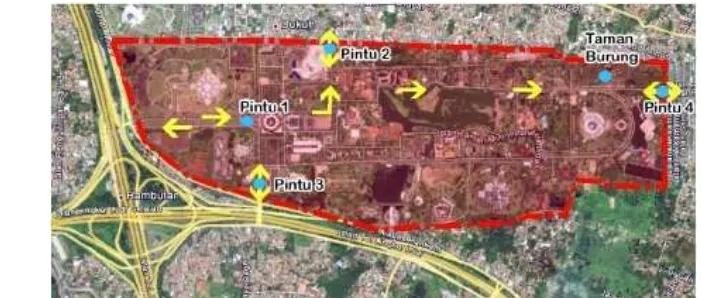
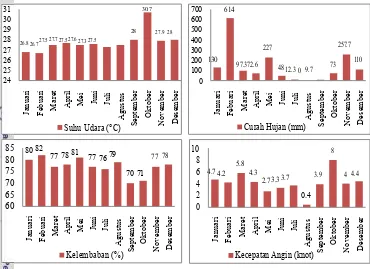
An overview of the general conditions at the Bird Park, including its history, location, and accessibility. This contextual information is critical for understanding the operational challenges and opportunities within the park, providing a foundation for educational discussions on effective landscape management.
4.2 Konsep Pengembangan Lanskap Taman Burung TMII
This section outlines the development concepts applied to the Bird Park's landscape, including design and spatial organization. By understanding these concepts, students can appreciate the importance of thoughtful design in enhancing both ecological function and visitor experience.
4.3 Pengelolaan Lanskap Taman Burung TMII
This subsection discusses the management structures and practices in place at the Bird Park. Analyzing these practices highlights the significance of effective management in achieving conservation and educational goals, reinforcing the need for systematic approaches in landscape management.
4.4 Pengelolaan Pengunjung
Visitor management strategies are explored, emphasizing the importance of understanding visitor characteristics and perceptions. This knowledge is vital for enhancing educational experiences and ensuring that conservation messages resonate with the public.
4.5 Analisis SWOT
The SWOT analysis provides insights into the strengths, weaknesses, opportunities, and threats facing the Bird Park. This strategic evaluation is essential for developing informed management recommendations that align with educational objectives and improve overall park effectiveness.
V. SIMPULAN DAN SARAN
The conclusion summarizes the key findings from the internship and offers recommendations for improving landscape management at the Bird Park. This section reinforces the educational outcomes by linking practical experiences with theoretical knowledge, providing a pathway for ongoing learning and improvement in conservation practices.
5.1 Simpulan
The conclusion synthesizes the main insights gained from the internship, highlighting the importance of effective landscape management for conservation and education. It underscores the value of integrating practical experiences with academic learning.
5.2 Saran
Recommendations for future management practices are provided, emphasizing the need for continuous improvement and adaptation in response to changing conditions. This forward-looking perspective encourages ongoing learning and engagement with conservation efforts.
Referensi Dokumen
- Dokumen Taman Burung TMII, 2012
- Rencana Anggaran Belanja Taman Burung TMII Tahun 2012
- Pengamatan Lapang, 2012 ( Arifin dan Arifin )
- Rencana Kegiatan Pemeliharaan Taman di Taman Burung TMII