Informasi Dokumen
- Sekolah: Dinas Kebudayaan dan Pariwisata Provinsi Sumatera Selatan
- Mata Pelajaran: Tourism
- Topik: Laporan Akhir Rencana Induk Pariwisata P
- Tipe: scientific work
- Tahun: 2015
- Kota: Palembang
Ringkasan Dokumen
I. Introduction
This section outlines the background, objectives, and targets of the Master Plan for Tourism Development (RIPPARPROV) in South Sumatra for the period 2015-2025. It emphasizes the importance of tourism as a key economic sector that can enhance job creation and business opportunities. The development of tourism is a priority in the regional development plan, highlighting its potential to significantly contribute to the local economy.
1.1 Background
The tourism sector is recognized as a vital driver of regional development, particularly in South Sumatra. This section discusses the strategic significance of tourism in enhancing local economic growth and the need for a comprehensive plan to address emerging challenges and opportunities in the sector. The establishment of new administrative regions necessitates a reevaluation of tourism assets and policies.
1.2 Objectives and Targets
The primary objective of the RIPPARPROV is to create a sustainable tourism development framework that aligns with both local and national policies. This section outlines specific targets, including the integration of tourism planning with other sectors, the development of quality tourism products, and the establishment of a regulatory framework to guide investments in the tourism sector.
1.3 Scope of Study
The scope of the RIPPARPROV encompasses both the substantive aspects of tourism development and the geographical areas of South Sumatra. This section details the methodologies used for data collection and analysis, as well as the key areas of focus, such as market trends, tourism resources, and stakeholder engagement.
II. Study Approach
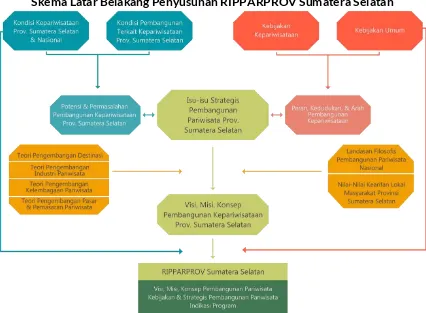
This section elaborates on the strategic management approach employed in the development of the RIPPARPROV. It discusses the importance of integrated planning and stakeholder collaboration in tourism development. Various dimensions of tourism, including market analysis and community involvement, are explored to ensure a holistic approach to planning.
2.1 Strategic Management Approach
The strategic management approach serves as the foundation for decision-making in tourism planning. This subsection explains how this approach facilitates the alignment of tourism initiatives with broader economic and social goals. It emphasizes the need for adaptive strategies that respond to changing market dynamics and stakeholder needs.
2.2 Integrated Planning
Integrated planning is crucial for aligning tourism development with other sectors. This subsection outlines the principles of integrated planning, including collaboration among government agencies, private sector stakeholders, and local communities. It highlights the importance of creating synergies across different sectors to enhance tourism's contribution to regional development.
2.3 Community Engagement
Community involvement is essential for sustainable tourism development. This subsection discusses strategies for engaging local communities in tourism planning and decision-making processes. It emphasizes the role of local knowledge and resources in shaping tourism products that reflect the cultural and environmental context of South Sumatra.
III. Policies and Tourism Profile
This section reviews the existing policies related to tourism development in South Sumatra and provides a profile of the tourism landscape. It identifies key regulations, strategic frameworks, and the current state of tourism infrastructure and services in the province.
3.1 National and Local Tourism Policies
This subsection examines the national and regional policies that influence tourism development in South Sumatra. It discusses the alignment of local policies with national strategies and the implications for tourism stakeholders. The need for a coherent policy framework that supports sustainable tourism practices is emphasized.
3.2 Tourism Infrastructure and Services
An assessment of the current state of tourism infrastructure, including transportation, accommodation, and attractions, is presented in this subsection. It highlights strengths and weaknesses in the existing tourism services and identifies areas for improvement to enhance the overall visitor experience in South Sumatra.
3.3 Market Analysis
This subsection provides an analysis of the tourism market in South Sumatra, including visitor demographics, preferences, and spending patterns. It identifies key market trends and opportunities for growth, emphasizing the importance of targeted marketing strategies to attract diverse visitor segments.
IV. Environmental Analysis and Development Strategies
This section analyzes the environmental context in which tourism development occurs in South Sumatra. It identifies potential challenges and opportunities related to environmental sustainability and proposes strategies for responsible tourism development.
4.1 Environmental Challenges
This subsection discusses the environmental challenges facing tourism development in South Sumatra, including climate change, resource depletion, and biodiversity loss. It emphasizes the need for sustainable practices that mitigate negative impacts on the environment while promoting tourism growth.
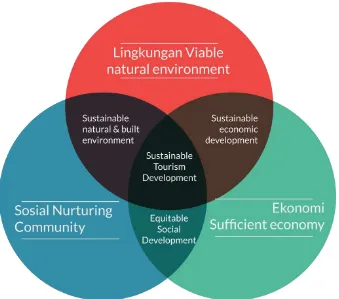
4.2 Sustainable Development Strategies
Proposed strategies for sustainable tourism development are outlined in this subsection. It includes recommendations for eco-friendly practices, community-based tourism initiatives, and conservation efforts that align with the principles of sustainable development. The importance of stakeholder collaboration in implementing these strategies is highlighted.
4.3 Monitoring and Evaluation
This subsection emphasizes the importance of monitoring and evaluating tourism development initiatives to ensure their effectiveness and sustainability. It outlines key performance indicators and evaluation frameworks that can be used to assess the impact of tourism on the environment and local communities.
V. Vision, Mission, and Goals
This section articulates the vision, mission, and goals of the RIPPARPROV for South Sumatra's tourism development. It serves as a guiding framework for stakeholders involved in tourism planning and implementation.
5.1 Vision Statement
The vision for tourism development in South Sumatra is articulated in this subsection, emphasizing the province's commitment to becoming a leading sustainable tourism destination. It reflects the aspirations of the local community and stakeholders for a vibrant and inclusive tourism sector.
5.2 Mission Statement
This subsection outlines the mission of the RIPPARPROV, focusing on the goals of promoting sustainable tourism, enhancing visitor experiences, and fostering community engagement. It highlights the collaborative approach needed to achieve these objectives.
5.3 Strategic Goals
Strategic goals for tourism development in South Sumatra are detailed in this subsection. These goals encompass various aspects of tourism, including infrastructure development, marketing strategies, and community involvement, providing a roadmap for future initiatives.
VI. Implementation and Program Indicators
This section outlines the implementation plan for the RIPPARPROV, including key program indicators and responsibilities for stakeholders. It emphasizes the need for coordinated efforts to achieve the objectives of the tourism development plan.
6.1 Implementation Framework
The implementation framework for the RIPPARPROV is discussed in this subsection, outlining the roles and responsibilities of various stakeholders, including government agencies, private sector entities, and local communities. It emphasizes the importance of collaboration and communication in the implementation process.
6.2 Program Indicators
Key program indicators for monitoring the progress of tourism development initiatives are presented in this subsection. These indicators will be used to evaluate the effectiveness of implemented strategies and ensure alignment with the overall goals of the RIPPARPROV.
6.3 Stakeholder Engagement
This subsection highlights the importance of stakeholder engagement in the implementation of the RIPPARPROV. It discusses strategies for involving local communities and businesses in tourism development efforts, ensuring that their voices and needs are considered in the planning process.
VII. Conclusion
The conclusion summarizes the key findings and recommendations from the RIPPARPROV. It emphasizes the importance of a collaborative and sustainable approach to tourism development in South Sumatra, urging stakeholders to work together to achieve the shared vision for the province's tourism future.
7.1 Summary of Key Findings
This subsection summarizes the main findings of the RIPPARPROV, highlighting the strengths, weaknesses, opportunities, and threats identified in the tourism sector. It provides a concise overview of the current state of tourism in South Sumatra and the potential for future growth.
7.2 Recommendations
Recommendations for stakeholders involved in tourism development are outlined in this subsection. These recommendations focus on enhancing collaboration, promoting sustainable practices, and ensuring that tourism contributes positively to the local economy and community.
7.3 Future Directions
This subsection discusses the future directions for tourism development in South Sumatra, emphasizing the need for ongoing evaluation and adaptation of strategies to meet changing market demands and environmental challenges. It encourages stakeholders to remain proactive in their approach to tourism planning.
Referensi Dokumen
- Statistik Perhubungan Komunikasi dan Informatika ( Dinas Perhubungan Komunikasi dan Informatika Provinsi Sumatera Selatan )
- Daftar Perusahaan Industri Kecil Formal Provinsi Sumatera Selatan ( Dinas Perindustrian dan Perdagangan Provinsi Sumatera Selatan )
- Perencanaan, Pengembangan dan Pemasaran Daerah Tujuan Kepariwisataan Kabupaten Ogan Komering Ulu Timur ( Badan Pariwisata dan Seni Budaya Kabupaten Ogan Komering Ulu Timur )
- Pagar Alam Tourist Pocket Book ( Pemerintah Kota Pagar Alam Dinas Kebudayan dan Pariwisata )
- Pesona Bumi Sriwijaya Perjalanan ke Sumatera Selatan ( Husodo, Putut; Heriyanto, Komar )
- Laporan Akhir Kaji Ulang Rencana Induk Pengembangan Pariwisata Provinsi Sumatera Selatan ( Dinas Kebudayaan dan Pariwisata Provinsi Sumatera Selatan )
- Kota Wisata Sungai Welcome to Palembang river tourism city ( Dina Kebudayaan dan Pariwisata Kota Palembang )
- Laporan Akhir Rencana Induk Pembangunan Kepariwisataan Kabupaten Musi