Informasi Dokumen
- Penulis:
- Maria Magdalena Ika Kurniastuti
- Pengajar:
- Dra. Ignatia Esti Sumarah, M.Hum
- Sekolah: Universitas Sanata Dharma
- Mata Pelajaran: Pendidikan Guru Sekolah Dasar
- Topik: Peningkatan Competence, Conscience, dan Compassion (3C) pada Mata Pelajaran Bahasa Indonesia dan IPA Peserta Didik Kelas II SD Negeri Daratan
- Tipe: Skripsi
- Tahun: 2014
- Kota: Yogyakarta
Ringkasan Dokumen
I. Introduction
This section provides the background of the research, focusing on the challenges faced by second-grade students at SD Negeri Daratan in terms of competence, conscience, and compassion (3C) in Indonesian and Science subjects. The researcher highlights the low achievement rates below the minimum competency criteria (KKM) in both subjects, indicating a need for improved pedagogical approaches. The section establishes the research problem by identifying the gap between the desired learning outcomes and the current situation, thereby justifying the need for the study. The specific research questions and operational definitions of key terms such as PPR (Reflective Pedagogical Paradigm), competence, conscience, and compassion are also clearly presented.
1.1 Background of the Study
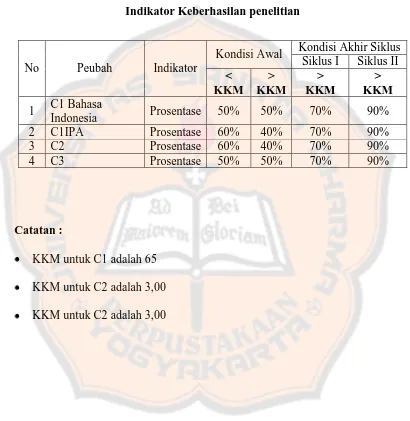
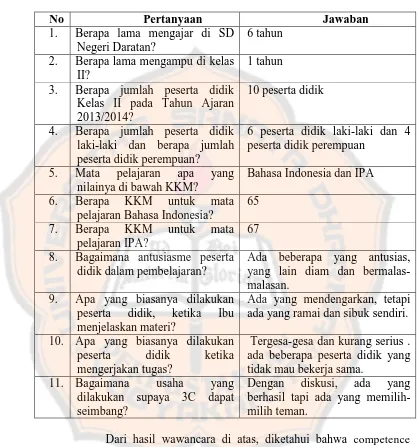
This subsection details the context of SD Negeri Daratan, including its location and its vision statement. It then describes the initial observations and interviews conducted with the second-grade teachers, revealing the issues related to the 3Cs in Indonesian and Science. Specific data on the number of students achieving above and below the KKM are provided for each subject. This context-setting section establishes the relevance of the research within the specific educational setting.
1.2 Research Problem and Questions
This subsection clearly states the research problem, focusing on the low levels of 3Cs among the students. It explicitly formulates the research questions guiding the study. These questions focus on how the implementation of PPR can improve the 3Cs and whether this approach is effective in raising student performance. The clear articulation of the research problem and questions provides a strong foundation for the subsequent sections.
1.3 Operational Definitions
This section defines crucial terms used in the study, ensuring consistency and clarity. The operational definitions of PPR, competence, conscience, and compassion are explained in detail, making it explicit what is meant by each concept in the context of the research. Clear operational definitions avoid ambiguity and aid in understanding the research methodology and results.
1.4 Research Objectives and Expected Outcomes
This subsection presents the objectives of the research, which directly addresses the research problem. It explicitly states the goal of applying PPR in thematic learning to improve the 3Cs. The expected outcomes are outlined, focusing on the improvement of student performance in Indonesian and Science, and the enhancement of the students' 3Cs. This section links the research problem, questions, and methodology to the anticipated results.
1.5 Significance of the Study
This section discusses the value and implications of the study. It highlights the theoretical contributions that the research offers by adding to the knowledge base of innovative teaching methods that can improve student learning outcomes. Additionally, it emphasizes the practical benefits of the study for both teachers and researchers, providing insights into effective teaching strategies and facilitating professional development. This strengthens the study’s justification and relevance.
II. Literature Review
This section reviews the relevant literature to support the theoretical framework of the study. It explores the concepts of Reflective Pedagogical Paradigm (PPR), thematic learning, and the characteristics of second-grade students. The section also discusses relevant prior research to contextualize the current study and to justify the choice of PPR as the intervention strategy. The review of literature provides the theoretical underpinnings for the research, linking the research to established educational theories and principles.
2.1 Reflective Pedagogical Paradigm (PPR)
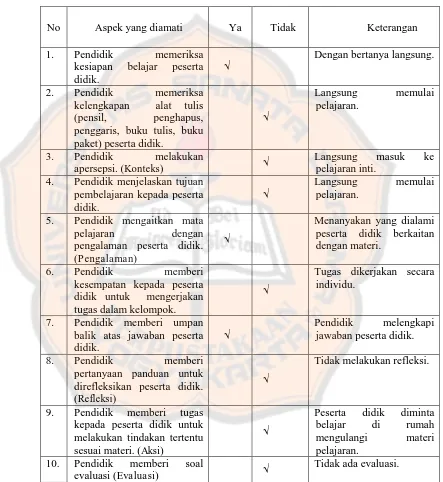
This subsection delves into the theoretical underpinnings of PPR, including its definition, steps (context, experience, reflection, action, evaluation), and objectives. It highlights the importance of 3Cs (competence, conscience, compassion) within the PPR framework and connects these concepts to Bloom's taxonomy of learning objectives. The discussion clarifies the theoretical basis for expecting PPR to positively influence the students' 3Cs.
2.2 Thematic Learning
This subsection defines thematic learning, explaining its principles and characteristics. It discusses the design and implementation of thematic learning in the classroom, emphasizing the integration of subjects around a central theme. The advantages and disadvantages of this approach are presented to provide a balanced perspective on its application in the context of the research.
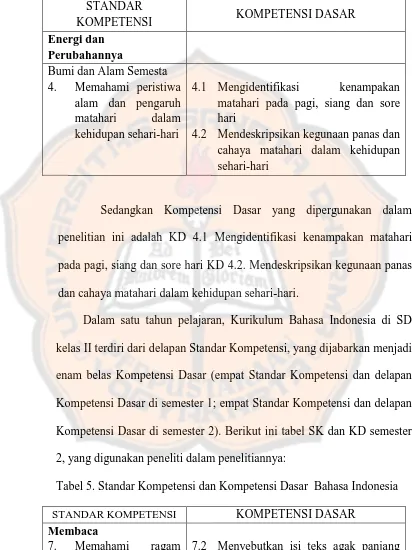
2.3 Curriculum for Indonesian and Science Subjects (Grade 2, Semester 2)
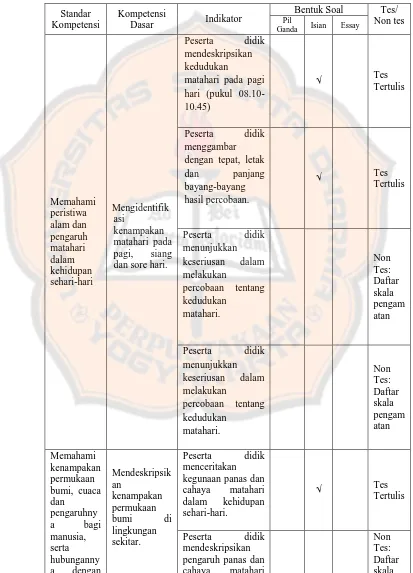
This section describes the relevant curriculum standards and competencies for Indonesian and Science subjects at the second-grade level (Semester 2). This provides the specific learning objectives that the study aims to improve. Linking the research to the specific curriculum enhances its validity and applicability within the targeted educational setting.
2.4 Characteristics of Second-Grade Students
This subsection describes the developmental characteristics of students in the second grade, considering their physical and cognitive abilities. Understanding these characteristics is crucial for designing effective learning activities and interpreting research findings. This section shows the researcher's awareness of the developmental stage of the target group, improving the study's methodological rigor.
2.5 Relevant Previous Research
This section reviews existing research on the effectiveness of PPR in improving various aspects of student learning, such as humanistic values, mathematical competencies, and writing skills. This provides a foundation for justifying the application of PPR in this study and establishing the study's contribution to the field. The inclusion of relevant research strengthens the research's theoretical grounding and contextualization.
2.6 Conceptual Framework
This subsection presents the conceptual framework of the study, illustrating the relationships between PPR, thematic learning, and the expected improvement in students' 3Cs. It visually represents the researcher's understanding of how the intervention will lead to the desired outcomes. A clear conceptual framework enhances the study's overall clarity and coherence.
2.7 Research Hypothesis
This section outlines the research hypotheses, which are testable statements about the expected relationship between the intervention and the outcomes. The hypotheses clearly state the anticipated effects of PPR on the students' 3Cs, which is crucial for evaluating the research results. The clearly stated hypotheses help guide the data analysis and interpretation.
III. Research Methodology
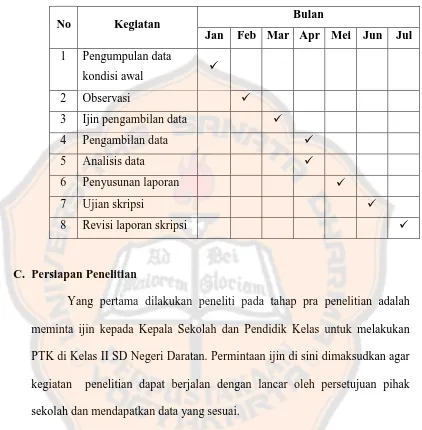
This section details the research design, participants, data collection methods, and data analysis techniques used in the study. It describes the classroom action research (PTK) approach, including the cyclical nature of the research process. The instruments used for data collection are also explained and justified. The methodology section ensures the reproducibility and validity of the research.
3.1 Research Design
This subsection explains the choice of classroom action research (PTK) as the research design, justifying its suitability for the study’s objectives. It highlights the iterative nature of PTK, including the stages of planning, action, observation, and reflection. The rationale for choosing PTK is provided, connecting the design to the research problem and objectives.
3.2 Research Setting and Participants
This section describes the research setting (SD Negeri Daratan) and the participants (second-grade students). It provides demographic information about the students, such as the total number and gender distribution. This information clarifies the context of the study and helps in interpreting the findings. Providing relevant details enhances the study’s transparency and replicability.
3.3 Data Collection Procedures
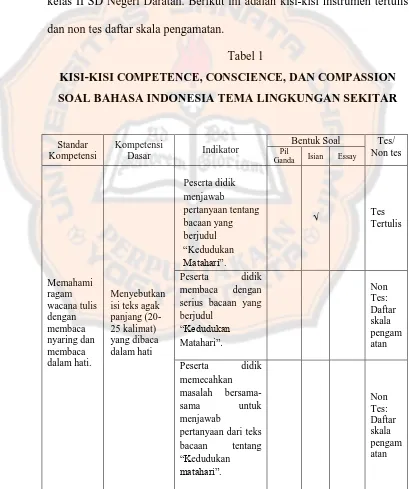
This subsection details the methods used to collect data, including interviews with teachers, observations of teachers and students during class, and document analysis (e.g., student work). It describes the instruments used for data collection, such as observation checklists, interview guides, and anecdotal notes. The rationale for using each method is explained, emphasizing its contribution to gathering comprehensive data.
3.4 Data Analysis Techniques
This subsection outlines the procedures used to analyze the data. This may involve quantitative analysis of pre- and post-intervention scores on measures of 3Cs and qualitative analysis of observational and interview data. It describes how the data will be used to answer the research questions and test the hypotheses. A detailed description of the data analysis enhances the study's credibility and reproducibility.
3.5 Research Instruments
This subsection describes the instruments used to collect data, such as observation checklists, interview protocols, and assessment tools. The development and validation of these instruments are discussed, if applicable, and their reliability and validity are addressed. A clear description of the instruments ensures the study’s methodological rigor.
3.6 Research Cycles
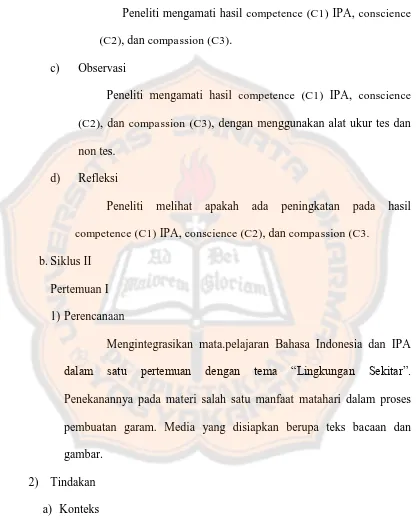
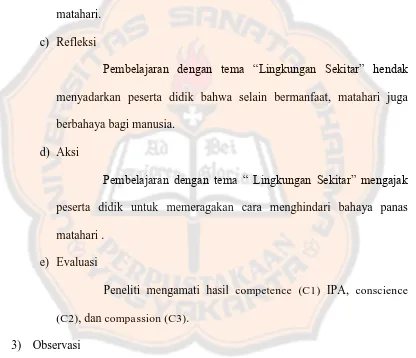
This subsection describes the structure and implementation of the research cycles. It outlines the specific activities planned for each cycle, including lesson plans, teaching strategies, and assessment methods. This detailed description helps in understanding how the research was conducted and how data were collected.
IV. Results and Discussion
This section presents the findings of the research, including the data collected through various methods and a discussion of the results. It describes the changes observed in students' competence, conscience, and compassion (3Cs) before and after the implementation of PPR in thematic learning. The discussion section interprets the findings in relation to the research questions and hypotheses, providing insights into the effectiveness of the intervention. The findings are discussed in the context of the existing literature.
4.1 Presentation of Results
This subsection presents the quantitative and qualitative data collected in a clear and concise manner. It might include tables and graphs to visually represent the findings. The data should be presented in a way that directly addresses the research questions and hypotheses. Clear presentation enhances the readers' understanding of the results.
4.2 Discussion of Findings
This subsection interprets the results in light of the research questions and hypotheses. It compares the performance of students before and after the intervention, highlighting the extent of improvement in 3Cs. The discussion should connect the findings to the literature review and theoretical framework, drawing implications for educational practice. A thorough discussion enhances the research’s significance.
V. Conclusion and Recommendations
This section summarizes the key findings of the study and offers recommendations for future research and practice. It restates the main conclusions drawn from the data analysis and discusses the limitations of the study. The recommendations section suggests practical implications of the findings for educators and policymakers. The concluding remarks highlight the significance of the study and its contribution to educational research and practice.
5.1 Conclusion
This subsection summarizes the key findings of the study, answering the research questions and addressing the hypotheses. It states whether the implementation of PPR was effective in improving the 3Cs among the students. The conclusion should be concise and directly related to the research objectives.
5.2 Limitations of the Study
This subsection acknowledges any limitations of the study, such as sample size, generalizability of findings, or methodological constraints. This section enhances the study’s credibility by acknowledging any potential weaknesses in the research design or data collection process. Acknowledging limitations strengthens the study’s integrity.
5.3 Recommendations
This subsection provides recommendations for future research and educational practice based on the findings of the study. These recommendations should be specific and practical, suggesting how educators can implement PPR in their classrooms and what areas require further investigation. The recommendations should be directly linked to the findings and the significance of the study.